

 プレビュー
プレビュー
 シェアする
シェアする シェアする
シェアする
 詳細を見る
詳細を見る

 ダウンロード
 似ている作品
 X線調査
X線調査 スライドショー
 統計情報
統計情報The Farmer's Boy


 詳細を見る
詳細を見る
手描き油彩複製画
当社のアーティストが、お客様のご希望のサイズと額縁に合わせて、キャンバスに手描きで制作する油彩画です。 ( プリント版に切り替え デジタル画像販売へ切り替え)




P118B $10

P118H $10

P118W $10

P438Z $10

P508JH $12

P508YH $12

P805H $10

P805Z $10

P919BZ $10

P919G $10

P919XJ $10

P959ZH $10

P968JZ $12

W106C $8

W218G $10

W218JH $8

W218Y $10

W307PJ $10

W316G $10

W316PJ $8

W316Y $10

W398PJ $8

W4111J $10

W500HY $15

W500JH $15

W692G $12

W849H $8

W940BG $15

W953PJ $8




作品のオリジナル比率に合わせた、当店の規定サイズからお選びください。

特定のフレームやスペースに合わせて、ご希望のサイズをご入力いただけます。選択されたサイズが元の画像の比率と異なる場合、アートワークをトリミングするか、手描きで要素を追加して絵画を拡張いたします。デジタルモックアップ を制作し、制作開始前にご確認(承認)をいただきます。
画面上のプレビューは、実際のトリミングや拡張を正確に反映しているものではありません。最終的な構図は、モックアップによってのみ正確にご確認いただけます。
カスタムサイズもご利用いただけますが、元の比率を維持するためには、あらかじめ用意されたリストからサイズを選択することをお勧めいたします。
ご注文後、ArtsDot.com チームより詳細な指示をお送りするとともに、仕上がりイメージ(モックアップ)をご提供いたします。


 ガラスオプションは、110cm未満のサイズでのみご利用いただけます。

The Farmer's Boy
複製技法
複製画のサイズ
-


合計金額
$ 263
The Farmer’s Boy: A Portrait of Rural Dignity by Sir George Clausen
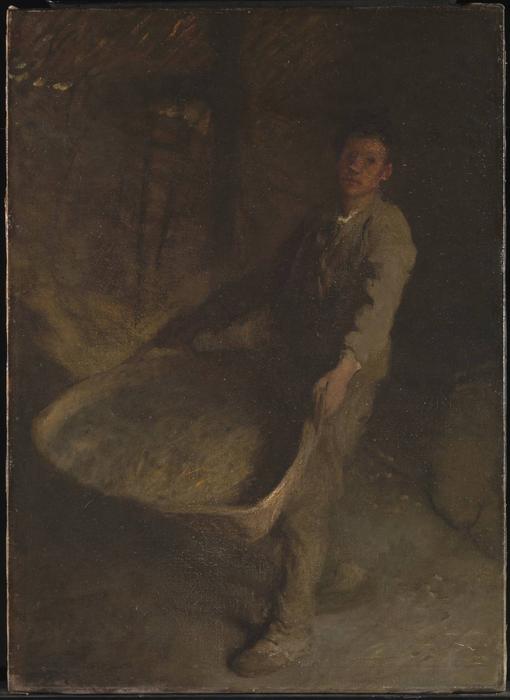
Sir George Clausen's "The Farmer’s Boy," painted in 1895, is more than just a depiction of a young man; it’s a poignant meditation on labor, identity, and the enduring spirit of the English countryside. The painting immediately draws the viewer into a dimly lit interior, suggesting a humble farmhouse or perhaps a solitary room within a larger estate. Clausen masterfully employs a muted palette dominated by browns, grays, and ochres – colors that evoke the earthy tones of rural life and imbue the scene with a sense of quiet melancholy. The composition is subtly off-center, directing our gaze to the central figure, a young man whose face bears an expression of profound seriousness. He’s not idealized or heroic; rather, he possesses a quiet dignity, his eyes holding a depth that hints at both resilience and perhaps a touch of loneliness.
Clausen's artistic approach is rooted in the Impressionist movement, yet he transcends mere replication of fleeting light. While capturing the atmospheric quality of the interior – the diffused shadows, the subtle play of light on fabric – he does so with a deliberate sense of realism and emotional weight. The thick impasto technique, particularly evident in the folds of the man’s clothing, adds texture and physicality to the canvas, grounding the scene in tangible reality. Notice how Clausen doesn't shy away from depicting the roughspun material of his subject’s garments; this detail speaks volumes about the life he portrays – a life connected directly to the land and its demands.
A Window into Victorian England
“The Farmer’s Boy” is firmly situated within the context of late 19th-century Britain, a period marked by rapid industrialization and profound social change. The rise of factories and urban centers was disrupting traditional rural life, leading to displacement and economic hardship for many. Clausen's painting serves as a quiet counterpoint to this trend, offering a dignified portrait of the working class – not as victims of progress, but as individuals with inherent worth and dignity. The subject’s attire—a simple work shirt and trousers—immediately anchors him within this specific social stratum, reminding us of the realities faced by countless families in rural England at the time.
Interestingly, the painting's creation coincided with a growing interest in depicting the lives of ordinary people. The New English Art Club, of which Clausen was a founding member, championed a style that moved away from academic formality and embraced a more accessible and emotionally resonant approach to art. This shift reflected a broader cultural desire to celebrate British identity and values – particularly those associated with rural life and traditional labor.
Symbolism and Emotional Resonance
Beyond its straightforward depiction of a young man, “The Farmer’s Boy” is rich in symbolic meaning. The solitary figure evokes themes of isolation, contemplation, and perhaps even melancholy. The held cloth—a simple piece of fabric—could represent the burdens of labor or the connection to the land. It's not overtly dramatic; instead, it contributes to a subtle sense of introspection. The muted lighting and somber color palette further amplify this emotional resonance, creating an atmosphere that invites viewers to engage with the subject’s inner world.
Furthermore, the painting’s historical context—the era of social upheaval and industrialization—adds another layer of interpretation. The young man's serious expression can be seen as a reflection of the anxieties and uncertainties faced by many during this period. He embodies a quiet strength and resilience in the face of change, suggesting a hope for continuity amidst disruption.
A Timeless Masterpiece
“The Farmer’s Boy” remains a powerful and evocative work of art, offering a glimpse into the lives of ordinary people and the enduring beauty of the English countryside. Sir George Clausen's masterful technique—his skillful use of light, color, and texture—combined with his profound understanding of human emotion, creates an image that continues to resonate with viewers today. It’s a painting that speaks volumes about the dignity of labor, the importance of connection to the land, and the enduring spirit of humanity.
関連作品

アーティストの略歴
光を描き出した人生:ジョージ・クロースン氏の世界
1852年にロンドンに生まれたジョージ・クロースン氏は、印象派の同時代の人々ほど広く知られているわけではありませんが、それでも19世紀後半から20世紀初頭の美術史において、非常に重要な独自の英国的な地位を占めています。彼の人生は激しい社会と芸術の変化の時代を生き抜き、そのキャンバスには、イングランド田園地方の永続的な美しさと、近代性と戦争に苦闘する世界の深い不安が反映されています。クロースン氏は単に印象派の影響を受けただけでなく、その原則を取り入れ、独自のスタイルを作り上げました。それは、移ろいゆく光と大気を、農村生活への深い共感と労働の尊厳と融合させたものでした。彼の道のりは、王立アカデミー・スクールでの伝統的な学術的訓練から始まりましたが、落ち着きのない精神と観察眼は、すぐに彼をより進歩的な芸術的視野へと導きました。ヨーロッパ各地への旅行は、フランスで芽生えた印象派運動に触れさせ、直接自然から光と大気を捉える*プレネール*絵画への情熱を育みました。田園の牧歌から近代生活の風景へ
クロースン氏の芸術的アウトプットは、広大な風景であろうと、日常の人々の親密な肖像画であろうと、被写体に対する卓越した感受性を特徴としています。彼は農業のリズムにインスピレーションを見出し、収穫、耕作、脱穀のシーンを、ほとんど敬意を払うような注意深さで描きました。バード・スケアリング(Bird Scaring)、少女(Girl)、そしてプロウイング(Ploughing)のような絵画は、単なる農村労働の描写ではありません。それらは土地との人間のつながりの祝典であり、静かな尊厳と詩的な美しさに満ちています。彼は夕日の黄金色の輝きや生垣の下の斑点のある日陰など、光のつかの間の効果を捉える並外れた能力を持っていました。それは彼の風景に魅惑的で感情的に響く品質を与えました。しかしクロースン氏のビジョンは、牧歌的な田園シーンだけに限定されていませんでした。彼はまた、近代生活のテーマを探求し、賑やかな通りや親密な家庭内部を同じスキルと感受性で描きました。たとえば、*中国の花瓶*(The Chinese Pot)は、インテリアの設定における光と影の彼の習熟度を示しており、静かな瞑想の一瞬をとらえています。彼は変化する世界の複雑さを避けていませんでしたが、それを微妙な理解と慈悲深い目で見つめました。変革の創始者:新しい英国美術クラブ
クロースン氏の芸術的革新へのコミットメントは、彼自身の実践を超えて広がりました。彼は1886年に新しい英国美術クラブ(New English Art Club)の設立における重要な人物であり、そのグループは王立アカデミーの保守的な慣習に挑戦し、より進歩的な絵画アプローチを提唱しました。NEACは、学術的制約から解放され、緩い筆致、大胆な色使い、そして主観的な経験をとらえることへのより大きな強調を求めるアーティストのためのプラットフォームを提供しました。この芸術的反逆の行為は、クロースン氏が英国美術界の主要な声としての地位を確固たるものにし、創造性を育み、確立された規範に挑戦することへの彼の献身を示しました。1906年に王立アカデミー会員に選出されたことは、これらの新しいアイデアが主流の芸術界でより広く受け入れられたことを示しましたが、彼は独立した芸術的表現へのコミットメントを放棄しませんでした。彼はアーティストが知覚を形作り、時代の現実を反映する力を持っていると強く信じていました。戦争の影:変化する世界を目撃する
第一次世界大戦の勃発はクロースン氏の人生と仕事に大きな影響を与えました。公式の戦争画家として任命された彼は、絵画とリトグラフの両方を通して紛争を記録し、戦争時の経験に対する痛切な洞察を提供しました。しかし、彼のアートに最も深い影響を与えたのは、おそらく個人的な悲劇でした。娘の婚約者の死は、荒涼とした風景の中で悲しみに打ちひしがれた若い女性を描いた、*青春の嘆き*(Youth Mourning)という絵画を生み出しました。この作品は単なる悲しみの描写ではありません。それは、想像を絶する喪失に苦闘する国家が経験した集団的トラウマの具現化です。彼が6つのリトグラフを通して貢献したプリントポートフォリオ*英国の努力と理想*(Britain's Efforts and Ideals)は、戦線で兵士を支援する産業生産を示しており、戦争へのコミットメントをさらに示しています。この時期はクロースン氏のアートの中心が、牧歌的な田園シーンから、紛争の人道的コストに対するより陰鬱な考察へと移り変わったことを示しました。遺産と永続的な影響
ジョージ・クロースン氏は1944年に亡くなり、今日でも聴衆に共鳴し続ける豊かで多様な作品を残しました。彼の歴史的意義は、英国印象派の発展への貢献だけでなく、感受性、スキル、そして深い感情的な深さをもって変化する世界の本質をとらえる能力にもあります。彼は伝統的な学術的技術と現代的な芸術的感性を巧みに融合させ、革新的でありながらも英国の芸術的伝統に深く根ざしたスタイルを作り上げました。 主な業績は以下の通りです:- 王立アカデミー会員に選出
- 新しい英国美術クラブの創設者
- 農村生活
- 光と大気
- 人間像
- 戦争美術
- 印象派
- ジュール・バスティアン=レパージュ
- プレネール絵画
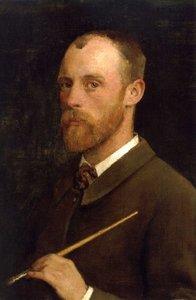
ジョージ・クロースン
1852 - 1944 , イギリス
基本情報
- Artistic Movement Or Style: 印象派
- Artists Or Movements Influenced By This Artist: ['新イングランド芸術クラブ']
- Artists Who Influenced This Artist: ['ジュール・バスティアン=レパージュ']
- Date Of Birth: 1852年
- Date Of Death: 1944年
- Full Name: ジョージ・クラウゼン卿
- Nationality: イギリス人
- Notable Artworks (List Of Titles):
- 中国の花瓶
- 白いバラ
- 喪に服す若者
- Place Of Birth (City And Country): ロンドン、イギリス
関連記事
Sir Alfred Munnings' Masterpieces: 25 Paintings That Define Equine Art | ArtsDot
Explore 25 iconic Sir Alfred Munnings paintings! Discover the beauty of British Impressionism, equine art & rural England. Find museum-quality reproductions and elevate your home decor with ArtsDot. Explore the full collection online.

ジョルジュ・スーラ傑作25選:光と色彩の科学が織りなす芸術の世界|ArtsDot
ジョルジュ・スーラの傑作25選。点描画の光と色彩、印象派から新印象派へ—ArtsDotで美術史を紐解き、リビングやダイニングを彩る高品質なアートプリントを見つけましょう。セーラ作品集をオンラインで鑑賞ください。

ジョルジュ・ブラック傑作25選:革新的なキュビスムの世界と装飾への誘い
ジョルジュ・ブラックの傑作25選。キュビスムを代表する画家、その革新的な色彩と技法に迫ります。名画から知られざる逸品まで、美術史に残る作品群をArtsDot.comで鑑賞。お部屋を彩るアートプリントも多数ご用意。今すぐオンラインでコレクションをご覧ください。
Sir Joshua Reynolds' Masterpieces: 25 Portraits of Power & Refinement | ArtsDot
Explore 25 captivating portraits by Sir Joshua Reynolds, a master of British art. Discover stories behind his iconic paintings, elegant style & historical influence. Find museum-quality reproductions and elevate your home decor on ArtsDot.com.
Sir George Clausen: Capturing Edwardian Life & British Impressionism's Nuances
Explore the luminous world of Sir George Clausen, a leading British Impressionist painter. Discover his captivating scenes of Edwardian life, rural England & poignant war art. Learn about his legacy and find high-quality reproductions at ArtsDot.