

 プレビュー
プレビュー
 プリントを購入
 シェアする
シェアする シェアする
シェアする
 詳細を見る
詳細を見る

 ダウンロード
 似ている作品
 X線調査
X線調査 スライドショー
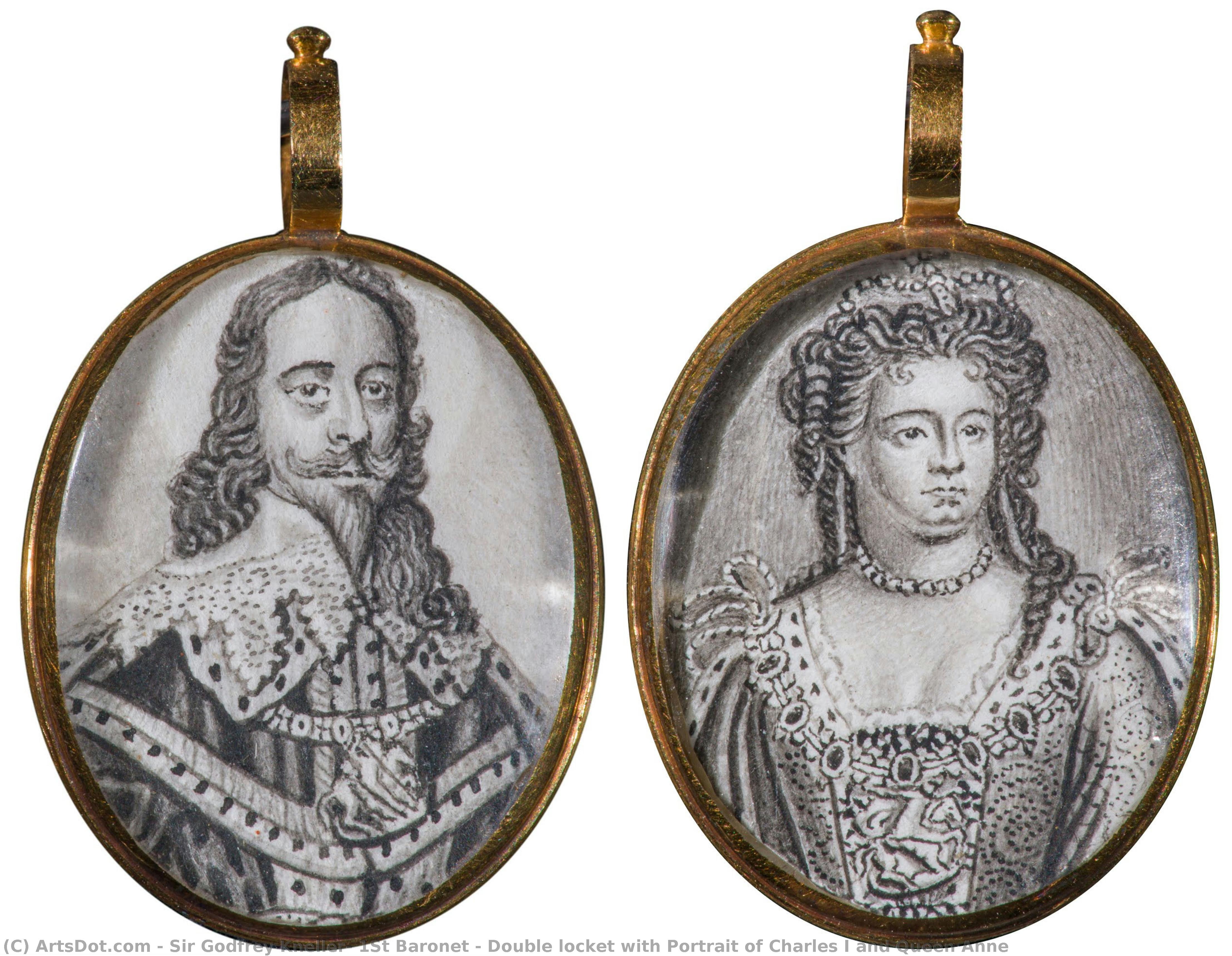
Double locket with Portrait of Charles I and Queen Anne


 詳細を見る
詳細を見る
オンラインプレビューをはるかに凌ぐ、高解像度で鮮明なデジタル画像をご購入いただけます。
各ファイルは、社内の専門家が高度なツールと熟練した手作業によるレタッチを用いて、細心の注意を払って準備されています。すべての画像において、卓越した鮮明度、正確な色彩再現性、そして繊細なディテールを保証いたします。
最終ファイルは、プロフェッショナルな編集・印刷環境ですぐにご利用いただけるよう最適化された状態で、72時間以内にメールにてお届けいたします。これは、一流のデザインスタジオ、出版社、ギャラリーから信頼されているものと同等の品質です。
デジタル画像のご注文に付随する特典
高品質なデジタル画像配信を、確かな品質で。
ArtsDot.com を選ぶことは、単に画像を手に入れることではありません。それは、プロの手によって精密に仕上げられ、満足保証が付いた高品質なデジタルアートワークを受け取ることを意味します。ご注文いただいた際に自動的に付随する内容は、以下の通りです:

メールですぐにお届け
ご注文から72時間以内に、高解像度のデジタル画像ファイルがメールでお手元に届きます。すぐにそのままご利用いただけます。

AI技術で最適化されたデジタルファイル
お客様の作品は、高度なAIツールと専門家による手作業の編集を組み合わせてプロフェッショナルに最適化されており、細部のディテール、鮮明さ、そして正確な色再現性を最大限に引き出しています。

一生涯無料の再送サービス
ファイルを誤って削除したり、紛失してしまったりしましたか?ご安心ください。いつでも無料で再送いたします。

輸入手数料は一切かかりません
関税や手数料、配送料を気にすることなく、お気に入りのアートワークをすぐにお楽しみいただけます。デジタルダウンロードは常に免税です。

色彩再現の保証
プロ仕様のツールとカラーマネジメント技術を用いることで、デジタル画像が元の色を最大限に忠実に再現することを保証いたします。

60日間満足保証
ご購入いただいたデジタル画像にご満足いただけない場合は、60日以内であれば、修正または100%の返金(理由を問う必要はありません)をさせていただきます。

100% 返金保証
ご満足いただけない場合は、デジタルファイルを受け取ってから60日以内であれば、理由を問わず全額返金いたします。

まとめ買い割引
3枚購入で10%OFF - 5枚購入で15%OFF - 10枚以上購入で20%OFF。クリエイティブなプロジェクト、ギャラリー、エージェンシーに最適です。
Double Locket with Portrait of Charles I and Queen Anne
This exquisite miniature double locket offers a captivating glimpse into the artistic sensibilities of 18th century England, specifically capturing the solemn grandeur of King Charles I and Queen Anne – figures inextricably linked to dramatic political upheaval and enduring royal legacy. Measuring just under one inch tall, this remarkable piece exemplifies the meticulous craftsmanship characteristic of the era’s finest decorative arts, presenting a portrait rendered in grisaille on card by an artist whose identity remains elusive.A Study in Grisaille: Technique and Style
The artist's masterful use of grisaille—a monochrome technique employing shades of gray—is immediately striking. This method, favored by Baroque painters like Rembrandt and Sir Godfrey Kneller himself, prioritizes tonal gradation to convey depth and form with remarkable subtlety. The resulting image eschews vibrant color, instead focusing on capturing the psychological essence of its subjects through nuanced shading – a deliberate choice reflecting the prevailing aesthetic ideals of the time. It’s a technique that speaks volumes about artistic restraint and intellectual precision.Royal Portraiture: Context and Influence
The portrait's subject matter—the Stuart monarchs—holds profound historical significance. Charles I reigned during a period marked by religious conflict and ultimately culminated in his tragic downfall at the Battle of Naseby, cementing his place as a symbol of royal defiance against Puritan ascendancy. Queen Anne’s reign followed swiftly, albeit fraught with challenges stemming from palace intrigue and debilitating illness – events immortalized in the darkly comedic film “The Favourite.” The likeness chosen for this locket—based closely on Sir Godfrey Kneller's 1703 coronation portrait—demonstrates the enduring influence of royal patronage on artistic production.Symbolism and Emotional Resonance
Beyond its technical prowess, the double locket embodies symbolic representations of faith and remembrance. The inclusion of a portrait within a protective casing speaks to the desire to preserve memory and honor lineage – sentiments deeply ingrained in aristocratic culture during the Restoration period. The somber gray tones contribute to an atmosphere of solemn contemplation, inviting viewers to engage with the weighty themes explored by the artwork. It’s a piece that transcends mere visual representation, conveying a palpable sense of history and emotion.Legacy and Reproduction
The enduring fascination with this miniature stems from its ability to encapsulate both artistic innovation and historical drama. ArtsDot.com offers high-quality reproductions that allow collectors and enthusiasts alike to appreciate the beauty and intellectual depth of Sir Godfrey Kneller’s masterful achievement. Examining a faithful rendition provides an opportunity to delve deeper into the stylistic conventions of Baroque portraiture and contemplate the enduring impact of royal iconography on Western art history.関連作品
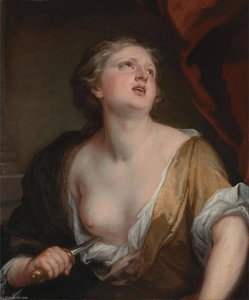
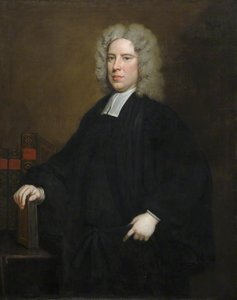
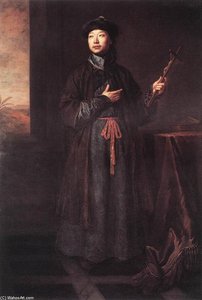
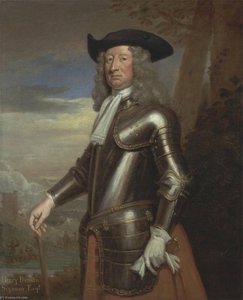
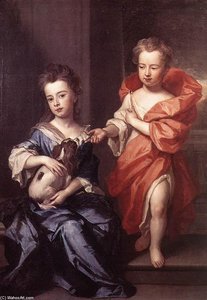
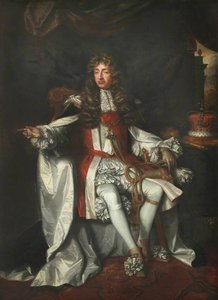
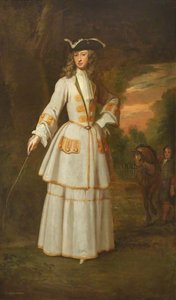
作家の略歴
Sir Godfrey Kneller: A Life in Portraiture
- Born: August 8, 1646, Lübeck, Germany
- Died: October 19, 1723, London, England
- Known for: Baroque portrait painting, Court Painter to English Monarchs, Kit-Cat Portraits
Early Life and Training
- Kneller was born into a family of artists; his father, Zacharias Kniller, was a portrait painter in Lübeck.
- He received early artistic training in Leiden before becoming a pupil of Ferdinand Bol and Rembrandt Harmenszoon van Rijn in Amsterdam. This period significantly shaped his style, exposing him to the Dutch Baroque tradition.
- Travels with his brother, John Zacharias Kneller, took him to Rome and Venice where he painted historical subjects and portraits under Carlo Maratti, further refining his skills and broadening his artistic influences.
Career in England: Royal Portraitist
- Kneller arrived in England in 1676 and quickly gained patronage, including from the Duke of Monmouth.
- He became a leading portrait artist, succeeding Peter Lely as Principal Painter in Ordinary to the Crown under Charles II. This appointment marked the beginning of his long and successful career as court painter.
- Kneller served successive monarchs, including James II, William III & Mary, and George I, solidifying his position as the most sought-after portraitist in England.
- He was knighted in 1691 and created a Baronet in 1715, further demonstrating his elevated status within English society.
Major Works and Artistic Style
- Kit-Cat Portraits: These are perhaps Kneller’s most famous works – a series of half-length portraits of members of the Kit-Cat Club, a prominent political and literary association. They are characterized by their standardized size (36 x 28 inches) and focus on capturing the likeness and personality of the sitters.
- The Hampton Court Beauties: A series commissioned by William III to depict fashionable women of the court.
- Portraits of Royalty: Kneller painted numerous portraits of monarchs, including Charles II, James II, William III & Mary, and George I, showcasing his ability to capture regal dignity and power.
- Artistic Style: Kneller’s style was broadly Baroque, characterized by a sense of grandeur, dramatic lighting, and rich colors. While sometimes criticized for being formulaic, he possessed a keen eye for characterization and an ability to create compelling likenesses. He often employed studio assistants to complete portions of his paintings, particularly draperies and backgrounds.
Legacy and Historical Significance
- Kneller’s influence on English portraiture was significant. He established a highly successful studio that produced portraits for the elite, shaping tastes and setting standards for artistic excellence.
- He played a crucial role in transitioning English art from its earlier influences to a more distinctly Baroque style.
- His work helped to popularize portraiture among the upper classes, contributing to a culture of self-representation and social display.
- Kneller is commemorated at Westminster Abbey with a marble memorial by John M. Rysbrack, recognizing his lasting contribution to British art.
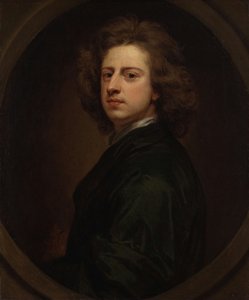
sir godfrey kneller, 1st baronet
1646 - 1723 , Germany
プロフィール概要
- Artistic Movement Or Style: Baroque portraiture
- Artists Who Influenced This Artist:
- Ferdinand Bol
- Rembrandt Harmenszoon van Rijn
- Carlo Maratti
- Date Of Birth: August 8, 1646
- Date Of Death: October 19, 1723
- Full Name: Sir Godfrey Kneller, 1st Baronet
- Nationality: German-British
- Notable Artworks:
- Portrait of a Lady with Daughter
- Charles II
- Portrait of Marcello Durazzo
- Place Of Birth: Lübeck, Germany

