

 プレビュー
プレビュー
 プリントを購入
 シェアする
シェアする シェアする
シェアする
 詳細を見る
詳細を見る

 ダウンロード
 似ている作品
 X線調査
X線調査 スライドショー
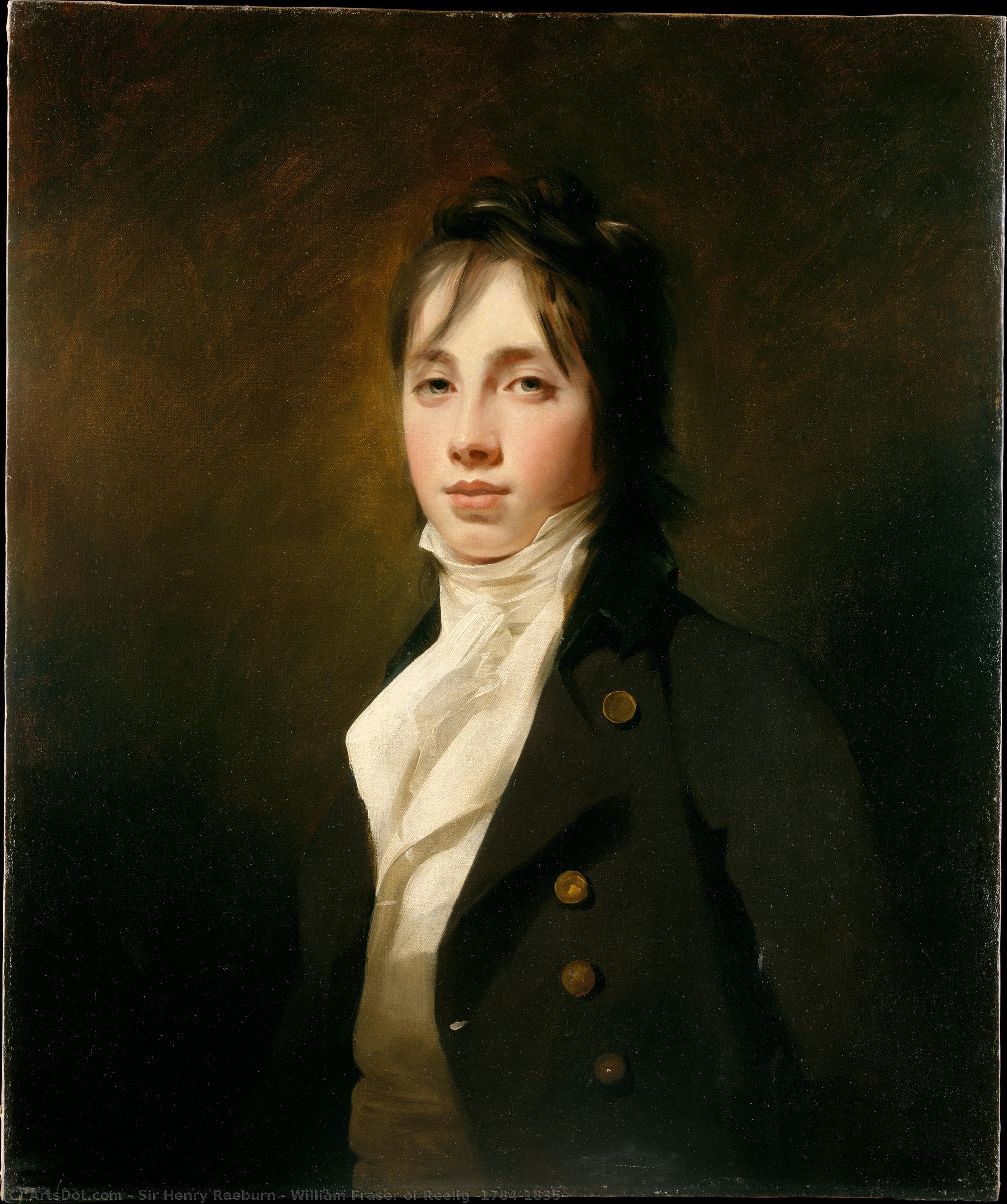
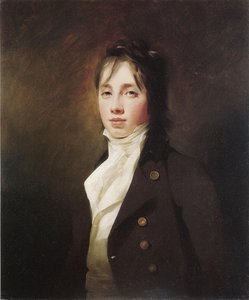
William Fraser of Reelig (1784–1835)
 Oil On Canvas
- WallArt
- Romanticism
 1801
1801 75.0 x 62.0 cm
 メトロポリタン美術館
 詳細を見る
詳細を見る
オンラインプレビューをはるかに凌ぐ、高解像度で鮮明なデジタル画像をご購入いただけます。
各ファイルは、社内の専門家が高度なツールと熟練した手作業によるレタッチを用いて、細心の注意を払って準備されています。すべての画像において、卓越した鮮明度、正確な色彩再現性、そして繊細なディテールを保証いたします。
最終ファイルは、プロフェッショナルな編集・印刷環境ですぐにご利用いただけるよう最適化された状態で、72時間以内にメールにてお届けいたします。これは、一流のデザインスタジオ、出版社、ギャラリーから信頼されているものと同等の品質です。
デジタル画像のご注文に付随する特典
高品質なデジタル画像配信を、確かな品質で。
ArtsDot.com を選ぶことは、単に画像を手に入れることではありません。それは、プロの手によって精密に仕上げられ、満足保証が付いた高品質なデジタルアートワークを受け取ることを意味します。ご注文いただいた際に自動的に付随する内容は、以下の通りです:

メールですぐにお届け
ご注文から72時間以内に、高解像度のデジタル画像ファイルがメールでお手元に届きます。すぐにそのままご利用いただけます。

AI技術で最適化されたデジタルファイル
お客様の作品は、高度なAIツールと専門家による手作業の編集を組み合わせてプロフェッショナルに最適化されており、細部のディテール、鮮明さ、そして正確な色再現性を最大限に引き出しています。

一生涯無料の再送サービス
ファイルを誤って削除したり、紛失してしまったりしましたか?ご安心ください。いつでも無料で再送いたします。

輸入手数料は一切かかりません
関税や手数料、配送料を気にすることなく、お気に入りのアートワークをすぐにお楽しみいただけます。デジタルダウンロードは常に免税です。

色彩再現の保証
プロ仕様のツールとカラーマネジメント技術を用いることで、デジタル画像が元の色を最大限に忠実に再現することを保証いたします。

60日間満足保証
ご購入いただいたデジタル画像にご満足いただけない場合は、60日以内であれば、修正または100%の返金(理由を問う必要はありません)をさせていただきます。

100% 返金保証
ご満足いただけない場合は、デジタルファイルを受け取ってから60日以内であれば、理由を問わず全額返金いたします。

まとめ買い割引
3枚購入で10%OFF - 5枚購入で15%OFF - 10枚以上購入で20%OFF。クリエイティブなプロジェクト、ギャラリー、エージェンシーに最適です。
作品の詳細
The Enigmatic Figure: William Fraser of Reelig
Sir Henry Raeburn’s “William Fraser of Reelig,” painted in 1801, isn't merely a portrait; it’s a poignant snapshot of a young man caught between worlds – the rugged Scottish Highlands and the burgeoning cosmopolitanism of London. The subject, William Fraser, is a figure of quiet intensity, his gaze direct and almost challenging, hinting at a life both promising and tragically curtailed. He embodies the spirit of the era: a blend of traditional Highland values and the allure of European enlightenment, a man poised on the cusp of adventure and destined for an unexpected end.
A Masterstroke in Rococo Realism
Raeburn, a pivotal figure in Scottish art, masterfully employs the techniques of Rococo realism. The painting’s composition is carefully balanced, drawing the eye to Fraser's face – rendered with remarkable detail and sensitivity. Note the subtle modeling of his features, the delicate handling of his clothing, and the way Raeburn captures the fleeting expression of thought in his eyes. The muted palette—dominated by browns, greys, and creams—creates a sense of understated elegance and reflects the somber mood associated with Fraser’s fate. The background is deliberately indistinct, shifting focus entirely to the sitter and reinforcing the intimate nature of the portrait.
- Technique: Oil on canvas – Raeburn's signature blend of meticulous observation and expressive brushwork.
- Composition: Balanced and focused, directing attention to Fraser’s face and expression.
- Color Palette: Muted tones evoking a sense of quiet contemplation and impending loss.
A Life Interrupted: Context and Symbolism
The story behind “William Fraser of Reelig” is as compelling as the portrait itself. Fraser was born in Inverness-shire, destined for a life of colonial service in India. He embarked on this journey at seventeen, leaving his family behind to pursue a career as a servant of the East India Company. However, his path took an unexpected turn when he fell under the spell of Mughal culture and fathered numerous children with a harem of wives. He never returned to Scotland, meeting a violent end in Delhi in 1835. The portrait, commissioned by Fraser’s father, serves as a poignant reminder of a life cut short – a young man’s dreams shattered against the realities of empire.
The setting itself offers subtle symbolism. Fraser is depicted in a simple, yet dignified pose, suggesting a quiet strength and resilience despite his uncertain future. The lack of elaborate ornamentation reflects the austerity of his circumstances, while his direct gaze conveys a sense of intelligence and determination.
An Enduring Legacy: A Window into an Era
“William Fraser of Reelig” is more than just a portrait; it’s a window into the social and cultural landscape of early 19th-century Scotland. It speaks to themes of ambition, identity, and the complexities of empire. Raeburn's masterful execution ensures that this captivating image continues to resonate with viewers today, prompting reflection on the lives of those who shaped history – and those whose stories remain largely untold.
関連作品
作家の略歴
John Trumbull: The Painter of the Revolution
Born in Lebanon, Connecticut, in 1756, John Trumbull’s life was inextricably linked to the burgeoning ideals and tumultuous events of the American Revolutionary War. His lineage – descended from early Puritan settlers and boasting prominent figures like his father, Jonathan Trumbull, Governor of Connecticut, and brothers serving as key military and political leaders – provided him with a unique vantage point on the unfolding drama of a nation’s birth. Trumbull's story is not merely that of an artist; it’s one interwoven with the very fabric of American history, making him arguably the most significant painter of the Revolutionary era.
Early life and artistic development were shaped by circumstance and family influence. The childhood accident that resulted in a permanently impaired eye – a detail often overlooked but profoundly impacting his style – instilled in him a meticulous attention to detail and a preference for precise, controlled brushwork. He received a formal education at Harvard College, where he studied classical art alongside the burgeoning ideals of republicanism. However, unlike many of his contemporaries who pursued careers in politics or military service, Trumbull’s passion lay firmly within the realm of painting. His early works demonstrated an aptitude for portraiture and landscape, but it was his commitment to capturing historical events that would ultimately define his legacy.
A Soldier Turned Painter: The Revolutionary Years
Trumbull's military service during the American Revolution proved pivotal to his artistic career. He began as a volunteer, quickly rising through the ranks and witnessing firsthand the key battles and strategic decisions that shaped the war’s outcome. His sketches of British and Continental lines at Boston – meticulously rendered with an acute awareness of spatial relationships and tactical positioning – were invaluable intelligence assets for General Washington's forces. This experience wasn’t merely observational; it instilled in him a deep understanding of military strategy, which would later inform his historical paintings.
However, it was his role as a deputy adjutant general that cemented his place in the narrative of the Revolution. He participated in significant events such as the Battle of Bunker Hill and documented the strategic maneuvers leading up to the decisive victory at Saratoga. These experiences provided him with an unparalleled access to historical moments, fueling his ambition to create paintings that would immortalize these pivotal episodes for posterity. He wasn’t simply recording events; he was striving to capture the spirit and significance of the Revolution itself.
The “Painter of the Revolution” – Major Works
Trumbull's most enduring contribution lies in his four monumental history paintings, commissioned by Congress to adorn the Rotunda of the United States Capitol. These works—"George Washington Resigning His Commission," "The Declaration of Independence," "Surrender of Lord Cornwallis," and “Battle of Monmouth”—are not merely historical depictions; they are carefully constructed allegorical narratives designed to inspire patriotism and reinforce the ideals of republican government. Each painting is a complex tapestry of symbolism, meticulously researched and executed with remarkable technical skill.
"George Washington Resigning His Commission" (1817-1819), for example, depicts the moment when Washington relinquished his command, symbolizing the transfer of power from military leadership to civilian governance. The composition is deliberately balanced, reflecting the principles of classical art and emphasizing the solemnity of the occasion. Similarly, "The Declaration of Independence" (1818-1819) captures the signing of the document, portraying it as a triumphant assertion of liberty and self-determination. The painting’s placement on the reverse of the two-dollar bill is a testament to its enduring cultural significance.
Style and Legacy
Trumbull's artistic style was characterized by a rigorous attention to detail, a precise draftsmanship, and a deliberate use of classical composition. His paintings are notable for their clarity, balance, and emotional restraint—qualities that set him apart from the more flamboyant styles prevalent in contemporary art. Influenced by artists like Henry Raeburn, he developed a distinctive “square touch,” employing bold, decisive brushstrokes to convey strength and authority.
Despite facing criticism during his lifetime for his perceived lack of dramatic flair, Trumbull’s work has since been recognized as a cornerstone of American art history. He is rightly celebrated as the "Painter of the Revolution," not only for his masterful depictions of historical events but also for his profound contribution to the visual narrative of the nation's founding. His paintings continue to inspire awe and admiration, serving as enduring symbols of American ideals and the sacrifices made in the pursuit of liberty.
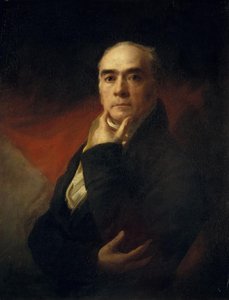
sir henry raeburn
1756 - 1823 , United Kingdom
プロフィール概要
- Artistic Movement Or Style: Historical painting
- Artists Or Movements Influenced By This Artist: ['Historical painting']
- Artists Who Influenced This Artist: ['Henry Raeburn']
- Date Of Birth: June 6, 1756
- Date Of Death: November 10, 1843
- Full Name: John Trumbull
- Nationality: American
- Notable Artworks:
- Declaration of Independence
- Washington Resigning His Commission
- Cornwallis's Surrender
- Place Of Birth: Lebanon, Connecticut

