 プレビュー
プレビュー
 プリントを購入
 シェアする
シェアする シェアする
シェアする
 詳細を見る
詳細を見る

 ダウンロード
 似ている作品
 X線調査
X線調査 スライドショー
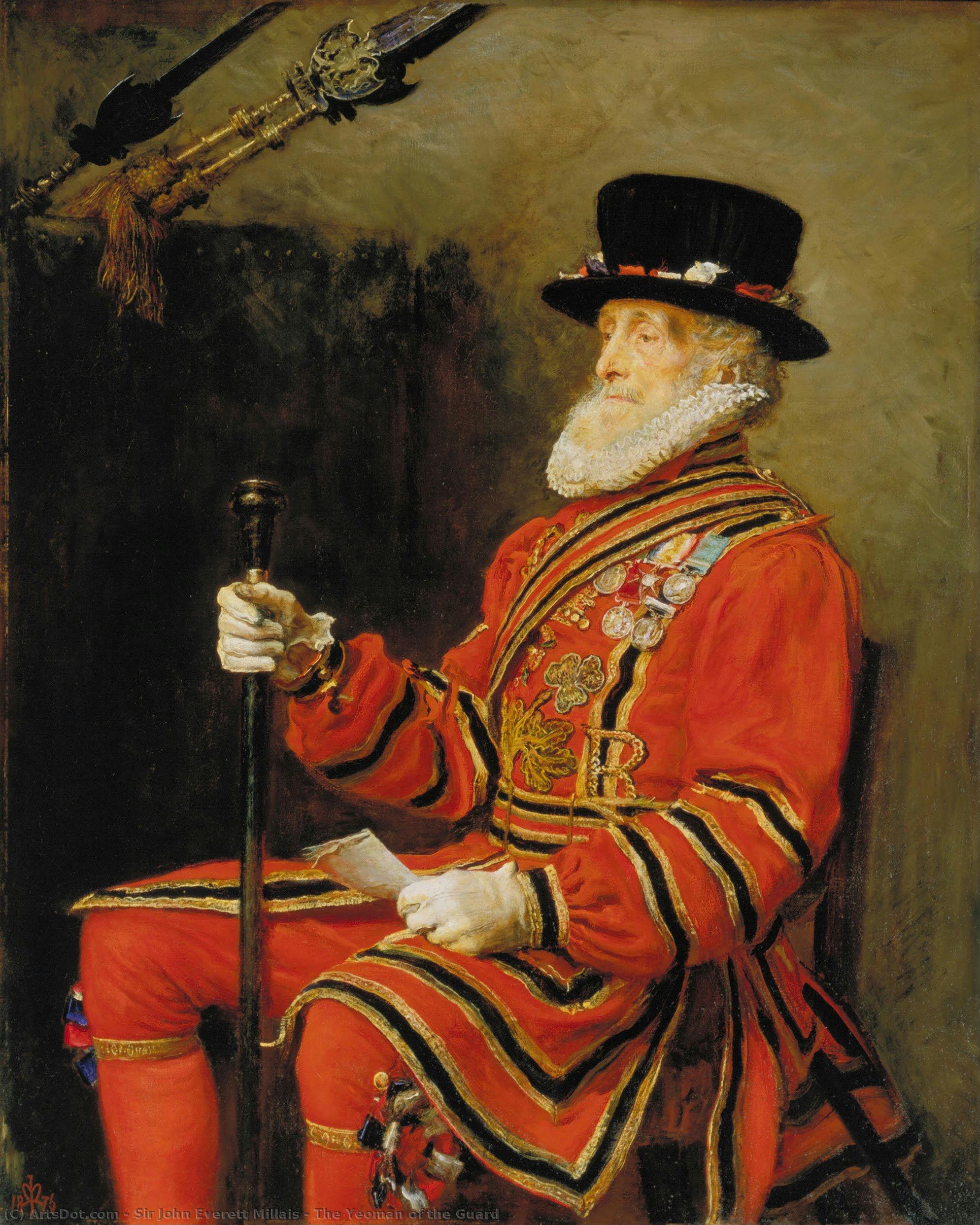
The Yeoman of the Guard
 Oil On Canvas
- WallArt
- Pre-Raphaelite Brotherhood
 1876
1876 111.0 x 139.0 cm
 テート・ブリテン
 詳細を見る
詳細を見る




P118B $10

P118H $10

P118W $10

P438Z $10

P508JH $12

P508YH $12

P805H $10

P805Z $10

P919BZ $10

P919G $10

P919XJ $10

P959ZH $10

P968JZ $12

W106C $8

W218G $10

W218JH $8

W218Y $10

W307PJ $10

W316G $10

W316PJ $8

W316Y $10

W398PJ $8

W4111J $10

W500HY $15

W500JH $15

W692G $12

W849H $8

W940BG $15

W953PJ $8




作品のオリジナル比率に合わせた、当店の規定サイズからお選びください。

特定のフレームやスペースに合わせて、ご希望のサイズをご入力いただけます。選択されたサイズが元の画像の比率と異なる場合、アートワークをトリミングするか、手描きで要素を追加して絵画を拡張いたします。デジタルモックアップ を制作し、制作開始前にご確認(承認)をいただきます。
画面上のプレビューは、実際のトリミングや拡張を正確に反映しているものではありません。最終的な構図は、モックアップによってのみ正確にご確認いただけます。
カスタムサイズもご利用いただけますが、元の比率を維持するためには、あらかじめ用意されたリストからサイズを選択することをお勧めいたします。
ご注文後、ArtsDot.com チームより詳細な指示をお送りするとともに、仕上がりイメージ(モックアップ)をご提供いたします。


 ガラスオプションは、110cm未満のサイズでのみご利用いただけます。

The Yeoman of the Guard
複製技法
複製画のサイズ
-


合計金額
$ 263
A Glimpse into Victorian Grandeur: Sir John Everett Millais’s ‘The Yeoman of the Guard’
Sir John Everett Millais's 1876 painting, “The Yeoman of the Guard,” is more than just a portrait; it’s a meticulously crafted window into the heart of Victorian England. The canvas captures John Charles Montague, a distinguished figure elevated to the prestigious rank of Yeoman of the Guard – a role steeped in tradition and signifying unwavering loyalty to the British monarchy. Millais doesn't simply depict a man; he constructs an atmosphere of dignified formality, reflecting the importance placed on military service and aristocratic honor during this era.
The painting immediately draws the eye with its rich palette and masterful use of light. The deep crimson of Montague’s coat, accented by gleaming gold trim, commands attention, while the subtle gradations of color in his attire – from the dark browns of his waistcoat to the muted tones of his hat – speak volumes about his status and experience. The background, deliberately understated with two birds—a robin and a lark—adds a touch of natural beauty and perhaps hints at Montague’s connection to the countryside, despite his prominent military career. The composition itself is carefully balanced, drawing the viewer's eye from the figure’s commanding presence to the details of his uniform and the subtle gestures that convey both confidence and quiet contemplation.
Pre-Raphaelite Precision: Technique and Symbolism
As a leading member of the Pre-Raphaelite Brotherhood, Millais championed a return to the artistic principles of the early Renaissance—a rejection of the academic conventions prevalent at the time. This philosophy is vividly evident in “The Yeoman of the Guard.” Millais’s meticulous attention to detail is breathtaking; every stitch in Montague's coat, every glint of metal on his sword hilt, is rendered with painstaking accuracy. He employed a technique known as ‘wet-on-wet,’ applying paint while it was still wet on the canvas, creating soft edges and luminous effects that contribute to the painting’s overall sense of realism.
Beyond mere representation, Millais infused his work with symbolism. The cane in Montague's hand isn’t merely a prop; it suggests authority and experience. The birds, often associated with heraldry and loyalty, further reinforce this theme. The Yeoman of the Guard themselves were historically responsible for carrying messages to the monarch, highlighting their role as trusted messengers and guardians of the realm. The painting subtly communicates a narrative of service, duty, and unwavering commitment.
Historical Context: A Royal Appointment
To fully appreciate “The Yeoman of the Guard,” it’s essential to understand the significance of the rank itself. Established by King Henry VII after the Battle of Bosworth Field in 1485, the Yeomen of the Guard were initially a small group of archers tasked with protecting the king. Over time, their role evolved into that of personal bodyguards and ceremonial attendants. John Charles Montague’s appointment as a Yeoman of the Guard in 1847 was a considerable honor, recognizing his distinguished service in the 16th Lancers—a regiment renowned for its bravery and loyalty.
The painting was created during a period of significant social and political change in Britain. The Victorian era was characterized by rapid industrialization, growing imperial power, and a renewed emphasis on tradition and stability. Millais’s portrait captures this spirit perfectly, presenting Montague as a symbol of the enduring values that underpinned British society—honor, duty, and loyalty to the crown.
A Timeless Portrait: Reproduction and Artistic Legacy
ArtsDot offers meticulously crafted hand-painted reproductions of “The Yeoman of the Guard,” allowing you to bring this iconic Victorian masterpiece into your home or office. Our skilled artists replicate Millais’s intricate details, vibrant colors, and atmospheric lighting with exceptional precision, ensuring that your reproduction captures the essence of the original painting. Whether displayed as a statement piece in a formal study or incorporated into a more eclectic interior design scheme, this reproduction will serve as a beautiful reminder of British history and artistic excellence.
関連作品

アーティストの略歴
幼少期と王立美術学校での才能開花
1829年、イギリスのサウサンプトンで生まれたジョン・エヴェレット・ミレーは、驚くべき早さで芸術的な才能を発揮しました。わずか11歳にして王立美術学校に入学し、史上最年少の学生となりました。この初期の才能は、単なる幸運ではなく、その後のキャリアを決定づけるものでした。ミレーは生まれつき観察力に優れ、それが彼の芸術様式の礎となります。彼はただ見たものを描くだけでなく、細部まで徹底的に再現し、まるで写真のような忠実度を追求しました。この表現への献身が彼を際立たせ、イギリス美術の伝統的な枠組みに挑戦するきっかけとなりました。プレ・ラファエライト兄弟団の誕生と芸術的革命
1848年、ミレーはダンテ・ガブリエル・ロセッティやウィリアム・ホルマン・ハントと共に、プレ・ラファエライト兄弟団を設立します。これは単なる美的選択ではなく、アカデミック美術が自然からかけ離れ、初期ルネサンスの巨匠たち—特にラファエル以前の画家たちの誠実さを失っていると彼らが感じたことに対する意識的な反抗でした。プレ・ラファエライトたちは、ヤン・ファン・エイクやフラ・アンジェリコのような芸術家の明瞭さ、細部へのこだわり、鮮やかな色彩を取り戻そうとしました。彼らの宣言は「自然の真実」であり、理想化された形態を拒否し、文学、神話、日常生活からテーマを選びました。ミレーの初期作品、『イザベラ』はその新しいアプローチをすぐに示しました—細部への徹底的な注意と、観客を魅了し、時に挑発する物語性です。この時期に彼が制作した最も物議を醸した作品『キリストの家での生活』(1849-50)は、聖家族を非現実的な存在としてではなく、普通の労働者階級の人々として描きました。様式の進化とヴィクトリア朝の感性
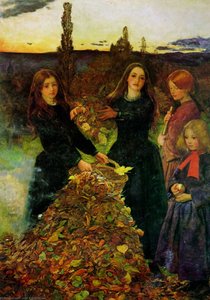
1850年代半ばは、ミレーにとって個人的にも芸術的にも大きな転換期となりました。ジョン・ラスキンの妻であるエフィー・グレイとの結婚は、彼の作品に深い影響を与えました。彼は初期のプレ・ラファエライト絵画に見られた強烈な細部と象徴性から、より広範で大気のあるリアリズムへと移行します。この変化は単なる様式的選択ではなく、現代生活への関心の高まりと、自然界のつかの間の美しさを捉えたいという願望を反映していました。『秋の葉』はその新しい方向性を例示しています—若い女性たちが川に落ち葉を流す穏やかな光景を描き、メランコリーと郷愁の感覚が込められています。彼はまた、ジョン・グラッドストーンやベンジャミン・ディズレーリなどの著名なヴィクトリア朝の人々の肖像画家としても成功しました。この時期、ミレーは幅広い人気と経済的な安定を得ましたが、彼の芸術的原則を妥協したと感じる批判も受けました。遺産と永続的な影響
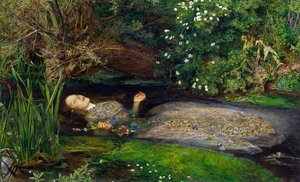
これらの批判にもかかわらず、ジョン・エヴェレット・ミレーは19世紀イギリス美術において最も重要な人物の一人です。彼の影響はプレ・ラファエライト兄弟団を超えて広がり、リアリズムと物語性絵画の基準を再定義し、世代を超えて多くの芸術家たちにインスピレーションを与えました。彼の象徴的なイメージ—『オフィーリア』はその魅惑的な美しさと象徴的な深さで知られ、『ユグノー』は痛切なドラマを描き出し、その他数多くの作品は今日でも観客の心を捉え続けています。ミレーが細部への徹底的な観察と感情的な深さを融合させ、色彩と構成を巧みに操り、芸術的慣習に挑戦する姿勢は、彼を真の革新者として確固たる地位を築きました。1896年、彼は王立美術学校の会長に選出されましたが、残念ながら数か月後に亡くなりました。彼の作品は世界中の美術館やコレクションで祝われ、彼の芸術の美しさと力は今後も世代を超えて受け継がれていくでしょう。主要な作品と所蔵先
- キリストの家での生活 (1849-1850): ロンドン・テートブリテン – 初期プレ・ラファエライトのリアリズムを例証する傑作。
- オフィーリア (1851-1852): ロンドン・テートブリテン – おそらく彼の最も有名な作品で、その魅惑的な美しさと象徴的な深さで知られています。
- ユグノー (1851-1852): 個人コレクション – 宗教的対立と禁じられた愛を描いたドラマチックな作品。
- マリアナ (1850-1851): マンチェスター美術館 – シェイクスピアとテニソンに触発され、ミレーのムードと雰囲気を捉える能力を示しています。
- 秋の葉 (1855-1856): マンチェスター市立美術館 – 彼の進化する様式を反映した穏やかで感動的な絵画。
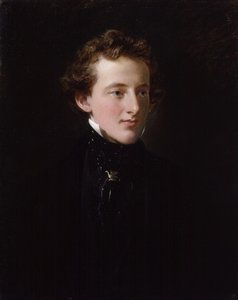
ジョン・エバレット・ミレーズ
1829 - 1896 , イギリス
基本情報
- Artistic Movement Or Style: プレラファエライト, 写実主義
- Artists Or Movements Influenced By This Artist: プレラファエライト運動
- Date Of Birth: 1829年6月8日
- Date Of Death: 1896年8月13日
- Full Name: ジョン・エバレット・ミレーズ爵
- Nationality: イギリス人
- Notable Artworks (List Of Titles):
- クリスト・イン・ザ・ハウス…
- オフィーリア
- ユグノー
- マリアナ
- Place Of Birth (City And Country): イギリス、サウサンプトン
関連記事
Sir John Everett Millais: Pre-Raphaelite Rebellion & Victorian Narrative Detail
Explore the revolutionary art of Sir John Everett Millais & the Pre-Raphaelite Brotherhood. Discover their radical realism, symbolic narratives, and lasting impact on Victorian aesthetics. A deep dive into 19th-century masterpieces.
ダンテ・ガブリエル・ロセッティ傑作25選:美と象徴が織りなす芸術の世界 | ArtsDot
ダンテ・ガブリエル・ロセッティの傑作25選。プレラファエライトの象徴主義、美しい女性画の世界へ。油絵やアートプリントで、リビングや寝室を彩るインテリアアートを見つけましょう。ArtsDot.comで名画コレクションを探索。

The Refined Aesthetic of Victorian Illustration: A Study in Narrative & Technique
Explore the captivating world of Victorian illustration! Discover Pre-Raphaelite influences, key artists like Rossetti & Stephens, and the era's rich narrative detail. A deep dive for art enthusiasts.
The Pre-Raphaelite Brotherhood: Rebellion, Romance & Medieval Revival
Explore the captivating world of the Pre-Raphaelite Brotherhood! Discover their rebellious spirit, iconic masterpieces & lasting influence on art history. Learn about Rossetti, Millais & more.

Anthony Frederick Sandys: Pre-Raphaelite Vision & Victorian Aesthetic Exploration
Discover the captivating Pre-Raphaelite world of Anthony Frederick Sandys (1829-1904). Explore his mythological scenes, portraits & Victorian artistry. Learn about his influences and lasting legacy.