

 プレビュー
プレビュー
 プリントを購入
 シェアする
シェアする シェアする
シェアする
 詳細を見る
詳細を見る

 ダウンロード
 似ている作品
 X線調査
X線調査 スライドショー
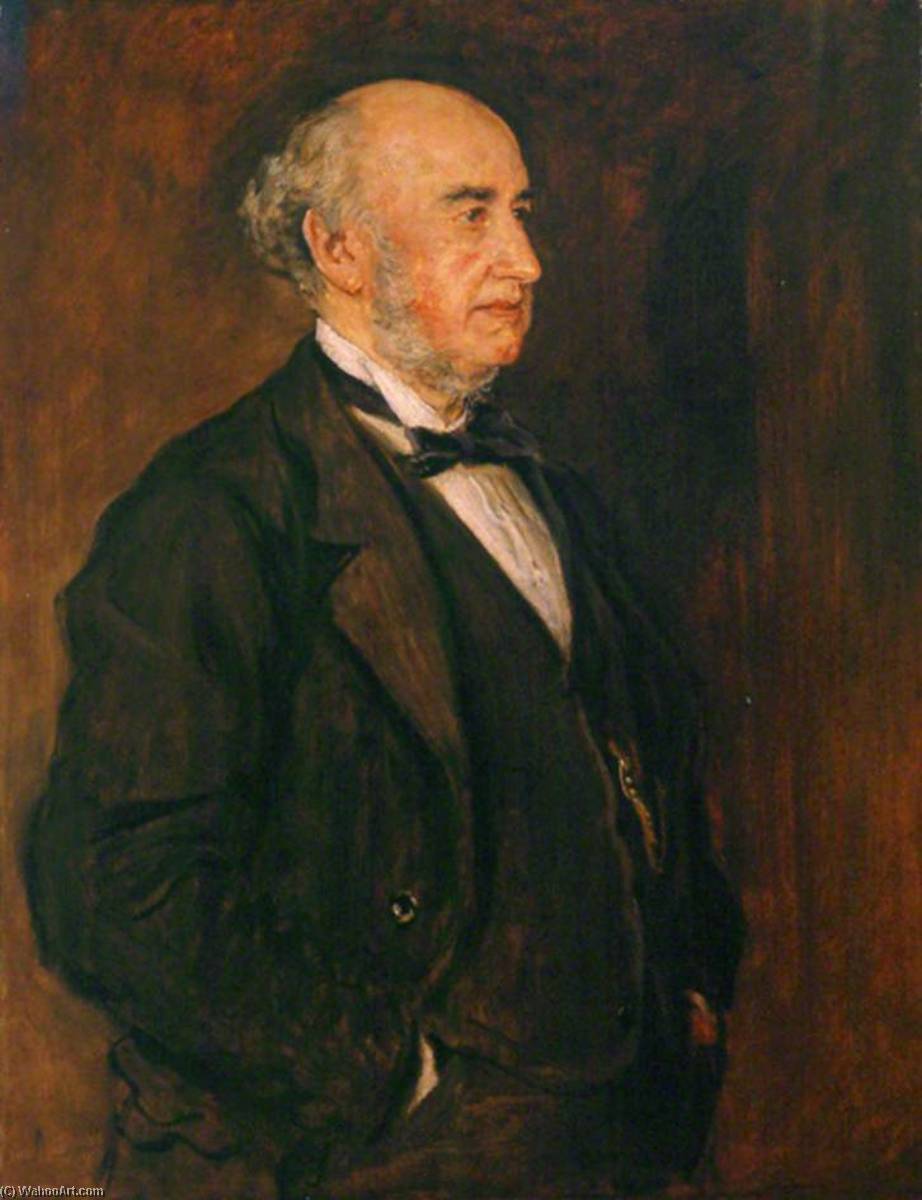
Thomas Hyde Hills (1815–1891), President of the Pharmaceutical Society (1873–1876)
 Oil On Canvas
- WallArt
- Pre-Raphaelite
 1873
1873 89.0 x 69.0 cm
 詳細を見る
詳細を見る
オンラインプレビューをはるかに凌ぐ、高解像度で鮮明なデジタル画像をご購入いただけます。
各ファイルは、社内の専門家が高度なツールと熟練した手作業によるレタッチを用いて、細心の注意を払って準備されています。すべての画像において、卓越した鮮明度、正確な色彩再現性、そして繊細なディテールを保証いたします。
最終ファイルは、プロフェッショナルな編集・印刷環境ですぐにご利用いただけるよう最適化された状態で、72時間以内にメールにてお届けいたします。これは、一流のデザインスタジオ、出版社、ギャラリーから信頼されているものと同等の品質です。
デジタル画像のご注文に付随する特典
高品質なデジタル画像配信を、確かな品質で。
ArtsDot.com を選ぶことは、単に画像を手に入れることではありません。それは、プロの手によって精密に仕上げられ、満足保証が付いた高品質なデジタルアートワークを受け取ることを意味します。ご注文いただいた際に自動的に付随する内容は、以下の通りです:

メールですぐにお届け
ご注文から72時間以内に、高解像度のデジタル画像ファイルがメールでお手元に届きます。すぐにそのままご利用いただけます。

AI技術で最適化されたデジタルファイル
お客様の作品は、高度なAIツールと専門家による手作業の編集を組み合わせてプロフェッショナルに最適化されており、細部のディテール、鮮明さ、そして正確な色再現性を最大限に引き出しています。

一生涯無料の再送サービス
ファイルを誤って削除したり、紛失してしまったりしましたか?ご安心ください。いつでも無料で再送いたします。

輸入手数料は一切かかりません
関税や手数料、配送料を気にすることなく、お気に入りのアートワークをすぐにお楽しみいただけます。デジタルダウンロードは常に免税です。

色彩再現の保証
プロ仕様のツールとカラーマネジメント技術を用いることで、デジタル画像が元の色を最大限に忠実に再現することを保証いたします。

60日間満足保証
ご購入いただいたデジタル画像にご満足いただけない場合は、60日以内であれば、修正または100%の返金(理由を問う必要はありません)をさせていただきます。

100% 返金保証
ご満足いただけない場合は、デジタルファイルを受け取ってから60日以内であれば、理由を問わず全額返金いたします。

まとめ買い割引
3枚購入で10%OFF - 5枚購入で15%OFF - 10枚以上購入で20%OFF。クリエイティブなプロジェクト、ギャラリー、エージェンシーに最適です。
作品の詳細
Thomas Hyde Hills: A Study in Dignified Age by Sir John Everett Millais
This arresting portrait, depicting Thomas Hyde Hills, President of the Pharmaceutical Society from 1873 to 1876, offers a profound meditation on time and experience rendered with the meticulous precision that defined the Pre-Raphaelite movement. Executed in 1873 by the prodigious Sir John Everett Millais, this oil painting transcends a simple likeness; it’s an embodiment of quiet contemplation, imbued with a subtle melancholy that speaks to the weight of years lived and knowledge gained. Measuring 89 x 69 cm, the scale invites intimate engagement with Hills's weathered face and dignified bearing.
- A Masterclass in Realism: Millais’s dedication to photographic realism is immediately apparent. Every wrinkle etched onto Hills’s skin, every fold of his dark suit, is rendered with painstaking detail – a testament to the artist's unwavering commitment to truth in representation. This approach was revolutionary for its time, challenging the idealized portrayals prevalent in academic art and aligning with the Pre-Raphaelite desire to return to a more honest depiction of the world.
- The Language of Light and Shadow: The soft, diffused lighting employed by Millais dramatically enhances the painting’s emotional impact. It subtly illuminates Hills's face, drawing attention to his thoughtful expression, while simultaneously shrouding the background in shadow, creating a sense of depth and mystery. This masterful manipulation of light is characteristic of Millais’s technique – he wasn’t simply painting what he saw; he was sculpting with color and tone.
- Color Palette & Texture: The dominant dark browns, blacks, and grays contribute to the somber yet dignified mood, reflecting the subject's age and status. Subtle highlights of white in his shirt and bow tie provide crucial contrast, preventing the composition from becoming overly heavy. The rich, layered texture achieved through traditional oil painting techniques – with visible brushstrokes adding a tactile quality – further enhances the realism and depth of the work.
The Pre-Raphaelite Vision
Painted in the wake of Millais’s groundbreaking collaboration with Dante Gabriel Rossetti and William Holman Hunt, this portrait firmly establishes Hills within the context of the Pre-Raphaelite Brotherhood. This influential group sought to reject the artificiality and academic conventions of contemporary art, advocating instead for a return to the sincerity, detail, and emotional intensity of early Italian masters – notably those predating Raphael. Millais’s work exemplifies this ethos: his focus on meticulous observation, coupled with an expressive use of color and texture, reflects the Brotherhood's core principles.
- A Reflection of Victorian Values: The portrait speaks to the values of the Victorian era – respect for experience, diligence, and quiet dignity. Hills’s posture and expression convey a sense of authority tempered by wisdom, aligning with the societal expectations of leadership during that period.
- Symbolic Elements (Absent): Unlike some Pre-Raphaelite works laden with symbolic imagery, this portrait is primarily concerned with direct representation. The lack of overt symbolism underscores Millais’s commitment to realism and his desire to capture the subject's essence without resorting to allegorical devices.
Technical Mastery & Historical Significance
Sir John Everett Millais was a pivotal figure in 19th-century art, renowned for his unparalleled skill in capturing detail and texture. His meticulous approach—characterized by layering and blending oil paints—allowed him to create incredibly luminous surfaces and evoke a profound sense of realism. This painting stands as a testament to his technical prowess and his enduring influence on the Pre-Raphaelite movement. Completed in 1873, it represents a high point in Millais’s career and offers a valuable glimpse into the artistic sensibilities of Victorian England.
- Materials: Primarily oil paints applied to canvas, utilizing traditional layering and blending techniques for depth and luminosity.
- Artist's Biography: Born in Southampton in 1829, Millais’s early talent was extraordinary, leading him to the Royal Academy Schools at just eleven years old. His dedication to observation and meticulous detail established him as a key figure in the Pre-Raphaelite movement.
関連作品

作家の略歴
幼少期と王立美術学校での才能開花
1829年、イギリスのサウサンプトンで生まれたジョン・エヴェレット・ミレーは、驚くべき早さで芸術的な才能を発揮しました。わずか11歳にして王立美術学校に入学し、史上最年少の学生となりました。この初期の才能は、単なる幸運ではなく、その後のキャリアを決定づけるものでした。ミレーは生まれつき観察力に優れ、それが彼の芸術様式の礎となります。彼はただ見たものを描くだけでなく、細部まで徹底的に再現し、まるで写真のような忠実度を追求しました。この表現への献身が彼を際立たせ、イギリス美術の伝統的な枠組みに挑戦するきっかけとなりました。プレ・ラファエライト兄弟団の誕生と芸術的革命
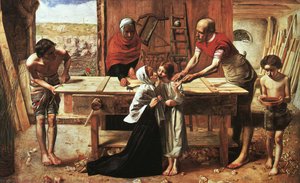
1848年、ミレーはダンテ・ガブリエル・ロセッティやウィリアム・ホルマン・ハントと共に、プレ・ラファエライト兄弟団を設立します。これは単なる美的選択ではなく、アカデミック美術が自然からかけ離れ、初期ルネサンスの巨匠たち—特にラファエル以前の画家たちの誠実さを失っていると彼らが感じたことに対する意識的な反抗でした。プレ・ラファエライトたちは、ヤン・ファン・エイクやフラ・アンジェリコのような芸術家の明瞭さ、細部へのこだわり、鮮やかな色彩を取り戻そうとしました。彼らの宣言は「自然の真実」であり、理想化された形態を拒否し、文学、神話、日常生活からテーマを選びました。ミレーの初期作品、『イザベラ』はその新しいアプローチをすぐに示しました—細部への徹底的な注意と、観客を魅了し、時に挑発する物語性です。この時期に彼が制作した最も物議を醸した作品『キリストの家での生活』(1849-50)は、聖家族を非現実的な存在としてではなく、普通の労働者階級の人々として描きました。様式の進化とヴィクトリア朝の感性
1850年代半ばは、ミレーにとって個人的にも芸術的にも大きな転換期となりました。ジョン・ラスキンの妻であるエフィー・グレイとの結婚は、彼の作品に深い影響を与えました。彼は初期のプレ・ラファエライト絵画に見られた強烈な細部と象徴性から、より広範で大気のあるリアリズムへと移行します。この変化は単なる様式的選択ではなく、現代生活への関心の高まりと、自然界のつかの間の美しさを捉えたいという願望を反映していました。『秋の葉』はその新しい方向性を例示しています—若い女性たちが川に落ち葉を流す穏やかな光景を描き、メランコリーと郷愁の感覚が込められています。彼はまた、ジョン・グラッドストーンやベンジャミン・ディズレーリなどの著名なヴィクトリア朝の人々の肖像画家としても成功しました。この時期、ミレーは幅広い人気と経済的な安定を得ましたが、彼の芸術的原則を妥協したと感じる批判も受けました。遺産と永続的な影響
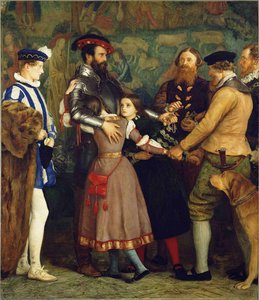
これらの批判にもかかわらず、ジョン・エヴェレット・ミレーは19世紀イギリス美術において最も重要な人物の一人です。彼の影響はプレ・ラファエライト兄弟団を超えて広がり、リアリズムと物語性絵画の基準を再定義し、世代を超えて多くの芸術家たちにインスピレーションを与えました。彼の象徴的なイメージ—『オフィーリア』はその魅惑的な美しさと象徴的な深さで知られ、『ユグノー』は痛切なドラマを描き出し、その他数多くの作品は今日でも観客の心を捉え続けています。ミレーが細部への徹底的な観察と感情的な深さを融合させ、色彩と構成を巧みに操り、芸術的慣習に挑戦する姿勢は、彼を真の革新者として確固たる地位を築きました。1896年、彼は王立美術学校の会長に選出されましたが、残念ながら数か月後に亡くなりました。彼の作品は世界中の美術館やコレクションで祝われ、彼の芸術の美しさと力は今後も世代を超えて受け継がれていくでしょう。主要な作品と所蔵先
- キリストの家での生活 (1849-1850): ロンドン・テートブリテン – 初期プレ・ラファエライトのリアリズムを例証する傑作。
- オフィーリア (1851-1852): ロンドン・テートブリテン – おそらく彼の最も有名な作品で、その魅惑的な美しさと象徴的な深さで知られています。
- ユグノー (1851-1852): 個人コレクション – 宗教的対立と禁じられた愛を描いたドラマチックな作品。
- マリアナ (1850-1851): マンチェスター美術館 – シェイクスピアとテニソンに触発され、ミレーのムードと雰囲気を捉える能力を示しています。
- 秋の葉 (1855-1856): マンチェスター市立美術館 – 彼の進化する様式を反映した穏やかで感動的な絵画。
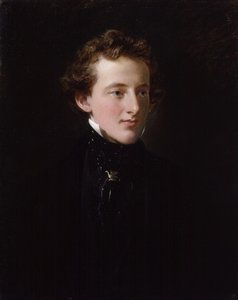
ジョン・エバレット・ミレーズ
1829 - 1896 , イギリス
プロフィール概要
- Artistic Movement Or Style: プレラファエライト, 写実主義
- Artists Or Movements Influenced By This Artist: プレラファエライト運動
- Date Of Birth: 1829年6月8日
- Date Of Death: 1896年8月13日
- Full Name: ジョン・エバレット・ミレーズ爵
- Nationality: イギリス人
- Notable Artworks (List Of Titles):
- クリスト・イン・ザ・ハウス…
- オフィーリア
- ユグノー
- マリアナ
- Place Of Birth (City And Country): イギリス、サウサンプトン

