

 プレビュー
プレビュー
 シェアする
シェアする シェアする
シェアする
 詳細を見る
詳細を見る

 ダウンロード
 似ている作品
 X線調査
X線調査 スライドショー
 Stats
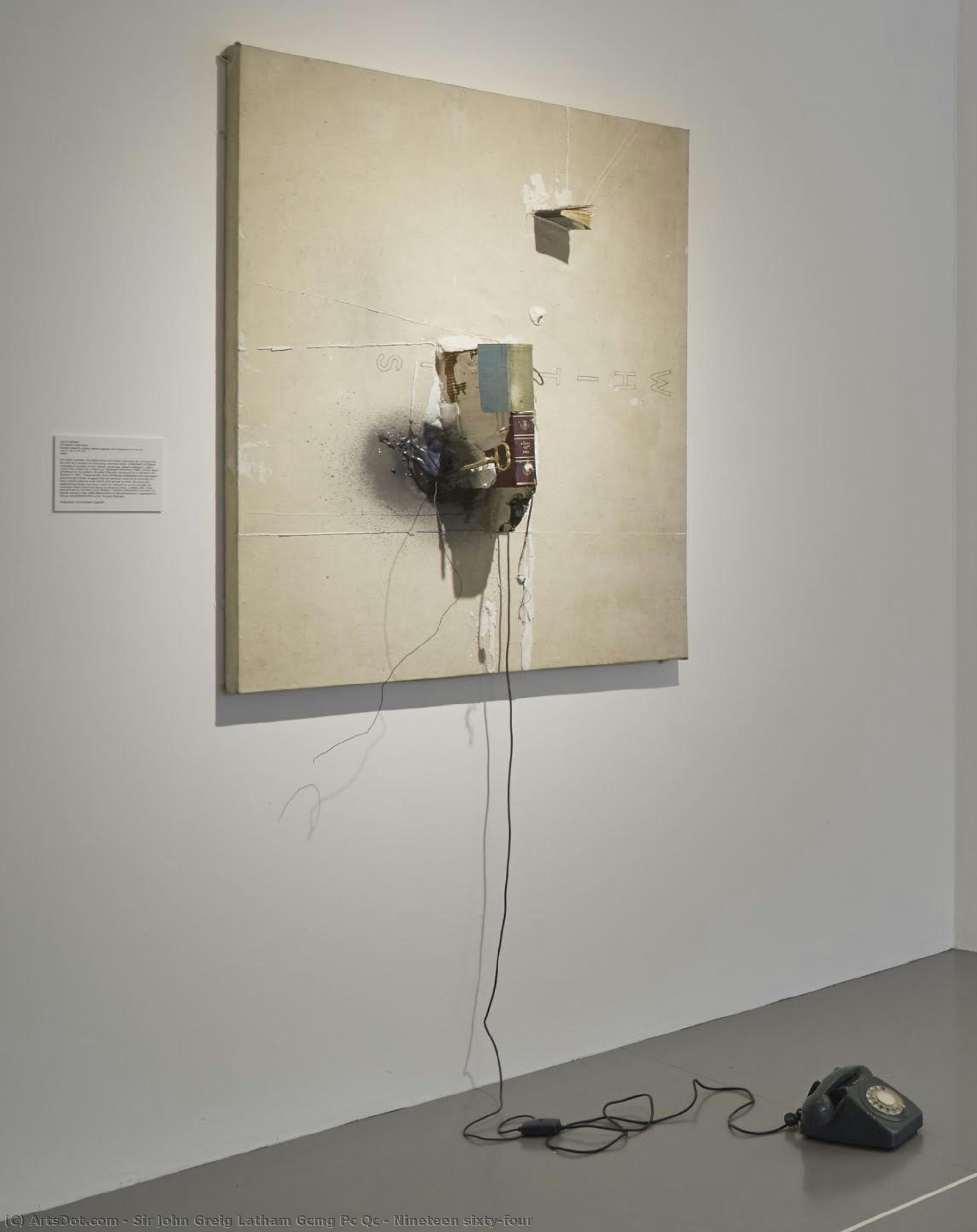
StatsNineteen sixty-four
 Oil On Canvas
- WallArt
- Other
 102.0 x 122.0 cm
 Modern Art Oxford
 詳細を見る
詳細を見る
オンラインプレビューをはるかに凌ぐ、高解像度で鮮明なデジタル画像をご購入いただけます。
各ファイルは、社内の専門家が高度なツールと熟練した手作業によるレタッチを用いて、細心の注意を払って準備されています。すべての画像において、卓越した鮮明度、正確な色彩再現性、そして繊細なディテールを保証いたします。
最終ファイルは、プロフェッショナルな編集・印刷環境ですぐにご利用いただけるよう最適化された状態で、72時間以内にメールにてお届けいたします。これは、一流のデザインスタジオ、出版社、ギャラリーから信頼されているものと同等の品質です。
デジタルアート
個人での鑑賞、印刷、クリエイティブなプロジェクト用に、高解像度ファイルをダウンロードできます。 ( Switch to Print 手描きの絵画を購入)
デジタル画像のご注文に付随する特典
高品質なデジタル画像配信を、確かな品質で。
ArtsDot.com を選ぶことは、単に画像を手に入れることではありません。それは、プロの手によって精密に仕上げられ、満足保証が付いた高品質なデジタルアートワークを受け取ることを意味します。ご注文いただいた際に自動的に付随する内容は、以下の通りです:

メールですぐにお届け
ご注文から72時間以内に、高解像度のデジタル画像ファイルがメールでお手元に届きます。すぐにそのままご利用いただけます。

AI技術で最適化されたデジタルファイル
お客様の作品は、高度なAIツールと専門家による手作業の編集を組み合わせてプロフェッショナルに最適化されており、細部のディテール、鮮明さ、そして正確な色再現性を最大限に引き出しています。

一生涯無料の再送サービス
ファイルを誤って削除したり、紛失してしまったりしましたか?ご安心ください。いつでも無料で再送いたします。

輸入手数料は一切かかりません
関税や手数料、配送料を気にすることなく、お気に入りのアートワークをすぐにお楽しみいただけます。デジタルダウンロードは常に免税です。

色彩再現の保証
プロ仕様のツールとカラーマネジメント技術を用いることで、デジタル画像が元の色を最大限に忠実に再現することを保証いたします。

100日間満足保証
ご購入いただいたデジタル画像にご満足いただけない場合は、100日以内であれば、理由を問わず修正または100%の返金対応をさせていただきます。

100% 返金保証
ご満足いただけない場合は、デジタルファイルを受け取ってから100日以内であれば、理由を問わず全額返金いたします。

まとめ買い割引
3枚購入で10%OFF - 5枚購入で15%OFF - 10枚以上購入で20%OFF。クリエイティブなプロジェクト、ギャラリー、エージェンシーに最適です。
The Silent Echo of a Broken Line
Sir John Greig Latham’s “Nineteen Sixty-Four” isn't merely a depiction of a shattered telephone receiver; it’s a poignant meditation on communication, isolation, and the shifting landscape of human connection in the mid-20th century. Painted with a deliberate restraint, the artwork possesses an almost unsettling stillness, drawing the viewer into a contemplative space where the absence of sound speaks volumes. The muted palette – dominated by shades of beige, grey, and brown – evokes a sense of melancholy and quietude, mirroring the emotional weight suggested by the central image.
Latham, a man whose life was intricately woven with law, politics, and an unexpected passion for art, imbues this piece with layers of meaning. Born in Melbourne in 1877, his career spanned decades, witnessing profound societal changes. His background as a judge and diplomat—positions demanding meticulous analysis and strategic thinking—likely informed the artwork’s careful composition and its subtle critique of modern disconnection. The painting feels less like a straightforward representation and more like a carefully constructed symbol, inviting interpretation rather than offering easy answers.
A Study in Texture and Disruption
Technically, “Nineteen Sixty-Four” is a masterful example of oil paint on canvas, executed with a remarkable attention to texture. Latham doesn’t strive for photographic realism; instead, he employs layering techniques – perhaps even incorporating mixed media elements – to create a surface that feels both rough and subtly complex. The tactile quality of the painting draws the eye, encouraging close examination of the fragmented receiver, the tangled cord, and the muted background. The deliberate unevenness of the paint application adds to the sense of disruption and decay, mirroring the broken communication represented by the telephone.
- Lines: The dominant diagonal line created by the telephone cord acts as a powerful visual anchor, slicing through the composition and suggesting a forceful interruption. Its delicate yet assertive presence draws the viewer’s eye downwards, reinforcing the theme of disconnection.
- Shapes: Geometric shapes – primarily rectangles representing the canvas and wall – are juxtaposed with the organic form of the telephone receiver, creating a tension between order and chaos.
- Color Palette: The restrained color scheme—a symphony of browns, beiges, and greys—contributes to the artwork’s somber mood, evoking feelings of loneliness and loss.
Symbolism and Historical Context
The broken telephone receiver is a potent symbol in “Nineteen Sixty-Four.” Painted in 1964, a period marked by rapid technological advancement and increasing social fragmentation, the image speaks to anxieties about the impact of technology on human relationships. It’s a visual representation of the growing sense of isolation that many felt despite – or perhaps because of – the proliferation of new communication methods. The two indistinct figures in the background, partially obscured, could represent individuals lost within this increasingly impersonal world.
Considering Latham's own life and career—a man who navigated the complexities of law, diplomacy, and art—the painting can be seen as a personal reflection on his own experiences with communication and connection. The artwork’s quiet intensity invites us to contemplate our own relationships in an age defined by instant access yet often characterized by profound loneliness.
A Timeless Reflection
“Nineteen Sixty-Four” transcends its historical context, offering a timeless meditation on the human condition. It's a work that resonates with contemporary audiences grappling with similar anxieties about technology and social isolation. Whether viewed as a critique of modern society or simply a poignant study of loss and disconnection, this painting remains a powerful and evocative testament to Sir John Latham’s artistic vision.
関連作品




作家の略歴
A Life Interwoven: Law, Politics, and the Unexpected Art of Sir John Latham
Sir John Greig Latham (1877-1964) occupies a unique space in Australian history – not merely as a pillar of its legal and political systems, but as an artist who quietly pursued creative expression alongside a demanding public life. While widely recognized as the fifth Chief Justice of Australia, a role he held with distinction for nearly two decades, Latham’s artistic endeavors reveal a contemplative mind grappling with complex societal issues and philosophical questions. Born in Melbourne, his early life demonstrated a remarkable aptitude for both arts and law at the University of Melbourne, laying the foundation for a multifaceted career that defied easy categorization. He wasn't simply a man *of* the law; he was a thinker who translated his intellectual rigor into diverse forms of expression. His journey from barrister to parliamentarian, diplomat, and finally, Chief Justice, was punctuated by an enduring passion for art – a pursuit often undertaken in the quiet moments stolen from the pressures of public service.Navigating the Currents of Public Life
Latham’s path into the heart of Australian governance began with service during World War I in the Royal Australian Navy, followed by his entry into Parliament in 1922 as an independent member for Kooyong. He quickly ascended through the political ranks, aligning himself with the Nationalist Party and serving as Attorney-General under both Stanley Bruce and Joseph Lyons. His leadership of the opposition from 1929 to 1931 marked a period of significant political transition, skillfully guiding the Nationalists into the newly formed United Australia Party. This demonstrated his pragmatic approach to politics – an ability to adapt and navigate shifting alliances while remaining committed to his principles. A particularly unusual chapter unfolded during World War II when, in 1940, he accepted a leave of absence from the High Court to become Australia’s inaugural ambassador to Japan—a delicate and challenging diplomatic posting at a time of escalating global conflict. This appointment underscored his willingness to serve his country in unconventional ways, demonstrating both courage and diplomatic finesse. His return to the bench as Chief Justice in 1935 cemented his legacy as one of Australia's most respected legal minds, a position he held until 1952.The Emergence of an Artistic Voice
Amidst these weighty responsibilities, Latham cultivated a compelling artistic practice. He was not a formally trained artist; rather, his work emerged from a deeply personal need to explore ideas and emotions through visual form. His output encompassed both painting and sculpture, characterized by abstract forms and thought-provoking themes. It’s tempting to speculate on direct influences – the modernist movements gaining traction during his lifetime likely resonated with his intellectual curiosity—but Latham's artistic development appears largely self-directed, shaped by his unique perspective as a legal scholar and public servant. His background in law undoubtedly informed his conceptual approach to art, prioritizing ideas and interpretations over purely representational depictions. He wasn’t interested in merely *showing* the world; he sought to provoke thought about its underlying structures and moral complexities.Themes and Reflections in Latham's Art
Latham’s artworks frequently delved into societal issues, ethical dilemmas, and the intricacies of human existence. Pieces like “Latter Day Observer” invite contemplation on contemporary society, prompting viewers to question their own roles within it. “Nineteen Sixty-Four,” a striking sculpture study, offers a unique perspective on form and space, while “Seein’” explores the subjective nature of perception and reality. Perhaps most poignant is “The Moral High Ground”, which directly confronts ethical considerations and societal values—themes that clearly resonated with his legal background and public service. These works aren’t simply aesthetic objects; they are visual essays, born from a lifetime of observing human behavior and grappling with complex moral questions. They reveal an artist deeply concerned with the state of the world and humanity's place within it.A Lasting Legacy: Beyond the Bench
Sir John Latham’s significance extends far beyond his contributions to law and politics. He represents a rare confluence of intellectual rigor, public service, and creative expression—a testament to the power of a curious mind refusing to be confined by conventional boundaries. His art provides a fascinating glimpse into the inner world of a man who shaped Australia's legal and political landscape while simultaneously engaging with profound philosophical and aesthetic questions. He challenges us to consider the interconnectedness of seemingly disparate fields, demonstrating that law, politics, and art can all serve as vehicles for understanding ourselves and the world around us. His legacy continues to inspire those interested in the intersection of these disciplines, reminding us that a truly well-lived life is one characterized by intellectual curiosity, unwavering integrity, and a willingness to explore the full spectrum of human experience. He was, ultimately, a man who lived many lives within one.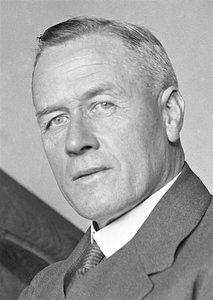
sir john greig latham gcmg pc qc
1877 - 1964 , Australia
プロフィール概要
- Artistic Movement Or Style: Abstract, Conceptual
- Date Of Birth: 1877
- Date Of Death: 1964
- Full Name: Sir John Greig Latham
- Nationality: Australian
- Notable Artworks:
- Nineteen Sixty-Four
- Seein’
- Moral High Ground
- Place Of Birth: Melbourne, Australia