 プレビュー
プレビュー
 プリントを購入
 シェアする
シェアする シェアする
シェアする
 詳細を見る
詳細を見る

 ダウンロード
 似ている作品
 X線調査
X線調査 スライドショー
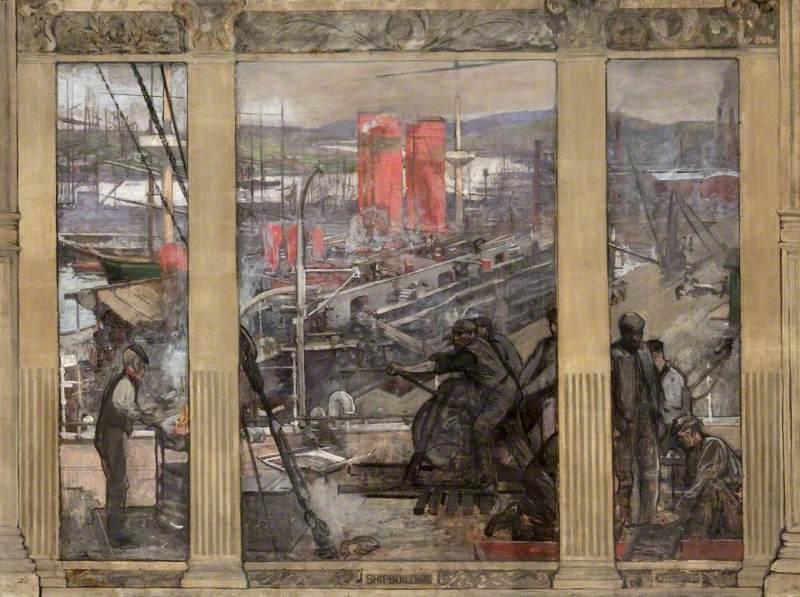
Shipbuilding on the Clyde


 詳細を見る
詳細を見る




P118B $10

P118H $10

P118W $10

P438Z $10

P508JH $12

P508YH $12

P805H $10

P805Z $10

P919BZ $10

P919G $10

P919XJ $10

P959ZH $10

P968JZ $12

W106C $8

W218G $10

W218JH $8

W218Y $10

W307PJ $10

W316G $10

W316PJ $8

W316Y $10

W398PJ $8

W4111J $10

W500HY $15

W500JH $15

W692G $12

W849H $8

W940BG $15

W953PJ $8




作品のオリジナル比率に合わせた、当店の規定サイズからお選びください。

特定のフレームやスペースに合わせて、ご希望のサイズをご入力いただけます。選択されたサイズが元の画像の比率と異なる場合、アートワークをトリミングするか、手描きで要素を追加して絵画を拡張いたします。デジタルモックアップ を制作し、制作開始前にご確認(承認)をいただきます。
画面上のプレビューは、実際のトリミングや拡張を正確に反映しているものではありません。最終的な構図は、モックアップによってのみ正確にご確認いただけます。
カスタムサイズもご利用いただけますが、元の比率を維持するためには、あらかじめ用意されたリストからサイズを選択することをお勧めいたします。
ご注文後、ArtsDot.com チームより詳細な指示をお送りするとともに、仕上がりイメージ(モックアップ)をご提供いたします。


 ガラスオプションは、110cm未満のサイズでのみご利用いただけます。

Shipbuilding on the Clyde
複製技法
複製画のサイズ
-


合計金額
$ 263
The Canvas Awakens: John Lavery’s “Shipbuilding on the Clyde”
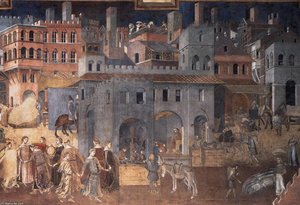
John Lavery's "Shipbuilding on the Clyde," painted in 1900, isn’t merely a depiction of a bustling shipyard; it’s a vibrant tableau of Scottish industry, social change, and the enduring spirit of Glasgow. This monumental mural, now housed within the Glasgow City Chambers, captures a pivotal moment – the burgeoning shipbuilding empire that defined the city's identity and fueled its economic rise. Lavery, a master of capturing the nuances of Edwardian society, eschews photographic realism in favor of an impressionistic approach, imbuing the scene with a palpable energy and a sense of collective purpose.

The painting immediately draws the eye to a colossal, partially constructed vessel dominating the center of the composition – a testament to the scale and ambition of Clyde shipbuilding. Around it swirl smaller boats, representing the intricate network of activity within the shipyard complex. Lavery skillfully employs loose brushstrokes and a rich palette of blues, greys, and ochres to convey the dampness and smoke-filled atmosphere characteristic of the riverbank. The figures – a diverse group of workers, foremen, and engineers – are rendered with a remarkable sensitivity, capturing their focused intensity and shared dedication.
A City Forged in Steel: Historical Context
To fully appreciate “Shipbuilding on the Clyde,” one must understand its historical context. The early 20th century witnessed an unprecedented boom in shipbuilding on the River Clyde. Glasgow, already a major port city, became the world’s leading center for constructing liners, cargo ships, and warships. This industrial expansion dramatically reshaped the social fabric of the city, attracting workers from across Scotland and beyond, and transforming the landscape with sprawling docks and factories. Lavery's painting serves as a visual record of this transformative period, capturing both the excitement of progress and the hard realities of labor.
The painting was commissioned for the Glasgow International Exhibition in 1900, an event celebrating the city’s industrial achievements. It reflects the civic pride and optimism prevalent at the time – a belief that Glasgow's shipbuilding prowess would secure its future as a global powerhouse. The choice of Lavery, already a respected portraitist, underscored the importance of capturing this moment in a visually compelling manner.
Symbolism and Artistic Technique
Lavery’s technique is characterized by a loose, expressive brushwork that prioritizes capturing atmosphere and movement over precise detail. He utilizes broken color to create a sense of depth and luminosity, particularly evident in the reflections on the water and the smoke rising from the shipyards. The composition itself is dynamic, with diagonal lines created by the boats and cranes drawing the eye across the canvas. The figures are not idealized; they are presented as working men, their faces etched with concentration and determination.
Beyond its depiction of industrial activity, “Shipbuilding on the Clyde” carries symbolic weight. The vastness of the ship represents Glasgow’s ambition and its role as a global maritime power. The collective effort of the workers embodies the spirit of community and shared purpose. The painting subtly acknowledges the human cost of progress – the long hours, the physical labor, and the potential dangers inherent in shipbuilding – while simultaneously celebrating the city's industrial might.
A Legacy Enduring: Lavery’s Vision
“Shipbuilding on the Clyde” remains a powerful testament to John Lavery’s artistic skill and his ability to capture the essence of a particular time and place. It is more than just a painting; it's a window into Glasgow’s industrial past, a celebration of its shipbuilding heritage, and a poignant reflection on the social and economic forces that shaped the city’s identity. Reproductions of this iconic mural continue to resonate with viewers today, reminding us of the enduring legacy of Scottish industry and the remarkable talent of Sir John Lavery.
関連作品
アーティストの略歴
ラベリー、ジョン・シリアー:時代を映す肖像画家
1856年にベルファストで生まれたジョン・ラベリーは、華やかなエドワード朝時代の社会と、戦時という重苦しい現実が交錯する時代を鮮やかに捉えた画家として知られています。貧しいワイン商の息子として生まれ、幼い頃に両親を亡くし、叔父のもとに引き取られるなど、波乱万丈な人生を送りました。しかし、彼はその逆境を乗り越え、卓越した才能と野心によって、イギリスで最も求められる肖像画家の一人へと成長しました。彼の作品は単なる外見の模倣ではなく、被写体の個性や内面世界までも鮮やかに描き出し、時代を象徴する芸術家として高く評価されています。
ラベリーの芸術的探求は、幼少期から始まりました。グラスゴーのハルドーン美術アカデミーで基礎を築き、その後パリのアカデミー・ジュリアンで研鑽を積むことで、ヨーロッパにおける芸術革新の中心に身を置きました。帰国後、彼は影響力のあるグラスゴー・スクールの画家たちと交流し、その美学を受け入れながら独自のスタイルを確立していきます。そして1888年、女王ヴィクトリアの国際博覧会視察を描くという名誉ある依頼を受けることで、彼のキャリアは飛躍的に向上しました。この依頼は単なる仕事の成功にとどまらず、高社会界への扉を開き、肖像画家としての地位を確立するきっかけとなりました。
ウィスラーの影響と芸術的進化
ラベリーの芸術的感性は、ジェームズ・マクニール・ホイッスラーをはじめとする様々な影響を受けて形成されました。特にホイスラーの重視する調和のとれた色彩、大気的な効果、そして洗練された美意識は、ラベリー自身の作品の特徴として深く根付いています。彼の作品群を鑑みると、繊細な筆致と微妙な色彩が用いられ、その影響が見て取れます。また、フランス印象派からも影響を受け、その破砕的な色彩や光の瞬間を捉えることに触発されながらも、伝統的な形式からの徹底的な脱却は避け、優雅さと現代性を融合させた独自のスタイルを確立しました。
初期には風景画や日常生活の場面を描いていましたが、肖像画における卓越した才能が彼の名声を不動のものとしました。ラベリーは被写体の外見だけでなく、その個性、社会的地位、そして内面世界までもキャンバスに鮮やかに描き出すという稀有な能力を持っていました。印象派の手法を巧みに取り入れながらも、細部への鋭い観察眼を持ち合わせることで、美観と心理的洞察力を兼ね備えた肖像画を生み出しました。彼は単なる外見を記録するのではなく、人物の内面を解き明かす芸術家だったのです。
戦争の描写と国家的な栄誉
第一次世界大戦の勃発は、ラベリーの芸術的活動に新たな展開をもたらしました。彼は公式な戦時画家として任命され、紛争の記録という使命を担いました。しかし、健康状態や Zeppelin による爆撃事故などにより、西部戦線での任務は果たせませんでした。それでも彼は、イギリス国内における戦争生活を描くことに専念し、船、飛行機、飛行船などを通して、その時代の雰囲気を鮮やかに表現しました。これらの作品は、塹壕戦の恐怖ではなく、ホームフロントにおける技術革新や物流上の課題に焦点を当てた、ユニークな視点を提供しています。
戦後、ラベリーの貢献は騎士称号と王立アカデミーへの選出によって正式に認められました。彼の人生はますます社交界のエリート層との関わりが深まり、特にアシス家との交流は密接になりました。彼らはテムズ川沿いの邸宅で肖像画を描いたり、理想的な風景を描いたりすることで、特権階級の世界を垣間見せています。また、彼はアイルランド独立運動を取り巻く激動の時代において、重要な条約交渉の中立地として自身のロンドンの家を提供しました。
遺産と芸術への永続的な影響
ジョン・ラベリー卿の遺産は、彼の素晴らしい作品群にとどまりません。彼はカリスマ的な人物であり、芸術界と社交界の間を行き来し、時代の文化的な活力の象徴となりました。彼の肖像画は今なお高く評価されており、その優雅さ、技術力、そして被写体の洞察力は、時代を超えて観る人々を魅了しています。特に、彼の寓意的なアイルランドの人物像は1928年から1975年までアイルランド銀行券に描かれ、彼の揺るぎない国民的意義を示しています。
ラベリーの芸術スタイルは、印象派の手法と緻密な描写を融合させたものであり、今日でも多くのアーティストにインスピレーションを与え続けています。彼の被写体の本質を捉える能力、そして光と色彩の巧みな扱い方は、今後も世代を超えて観る人々を魅了し続けるでしょう。彼は単に時代を記録しただけでなく、その時代を定義する上で重要な役割を果たし、イギリス美術史に消えない足跡を残しました。
ラベリー作品の特徴
- 印象派的手法: 作品において光と色彩の扱いを通して、印象派の影響を受けています。
- 肖像画の専門性: 肖像画において、外見だけでなく心理的な深みまでも捉える才能に長けていました。
- 主要なテーマ: 肖像画、社交界の場面、戦争の描写、風景画など多岐にわたります。
- 優雅なスタイル: 作品はしばしば優雅さ、鮮やかさ、そして洗練された美意識によって特徴づけられます。
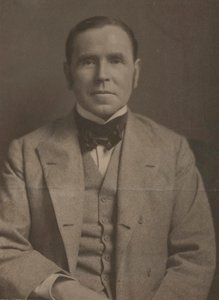
ジョン・ラベリー
1856 - 1941 , アイルランド
基本情報
- フルネーム: ジョン・ラベリー
- 主な作品:
- ミセス・ラベリー
- マイケル・コリンズ
- 夏の川
- 出身地: ベルファスト、アイルランド
- 国籍: アイルランド系イギリス人
- 影響を受けたアーティスト: ['ジェームズ・マクネール・ホイッスラー']
- 没年月日: 1941年1月10日
- 生年月日: 1856年3月20日
- 芸術運動またはスタイル: 印象派、肖像画
関連記事

Elevating Interiors: How Murals are Redefining Kitchens and Bathrooms
Transform your kitchen & bathroom with stunning murals! Explore design trends, durable materials & expert advice. Elevate your interiors with 's bespoke mural solutions.

現代ホテルの壁を彩るムラルの潮流:ジャングル風景から金箔幾何学模様まで、空間デザインの最新トレンド
現代ホテルの壁を彩るムラルの最新トレンドを徹底解説。ジャングル風景から金箔幾何学模様まで、空間デザインのプロが選ぶアートコンサルティング情報や事例をご紹介。ArtsDotで理想のホテル空間を実現。
ホテル空間の基盤:壁画デザインが演出するテーマ性と印象形成 – 内装における総合的研究
ホテル空間の基盤となる壁画デザインについて、歴史的背景から現代事例、顧客体験への影響までを網羅的に解説。テーマ設定や色彩計画など、成功のための戦略と技術革新をご紹介します。
ブランドアイデンティティを創造する:カスタム壁画が顧客体験を向上させる視覚的戦略
ホテルデザインの壁画活用戦略を徹底解説。ブランドアイデンティティ向上、顧客体験価値の最大化を実現します。プロのアートコンサルティングで最適な壁画制作をサポート。事例や価格もご紹介。
玄関空間の変容:アートミューラルが創造する印象とブランドアイデンティティ
ホテルデザインにおけるアートミューラルの活用事例と成功戦略を解説。ブランドアイデンティティの向上、記憶に残る空間演出を実現するためのノウハウを提供します。アーティスト選定から制作プロセスまで、専門家が徹底サポート。