 プレビュー
プレビュー
 プリントを購入
 シェアする
シェアする シェアする
シェアする
 詳細を見る
詳細を見る

 ダウンロード
 似ている作品
 X線調査
X線調査 スライドショー
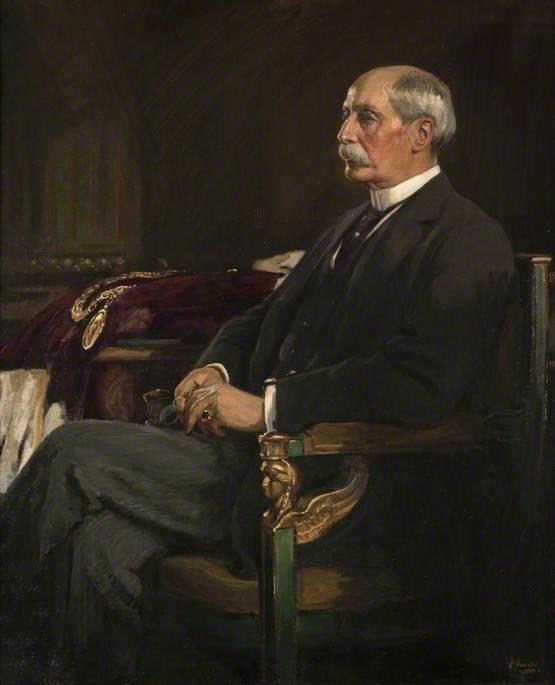
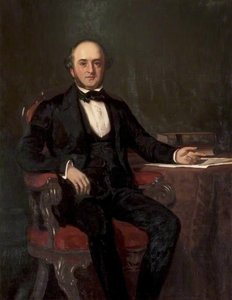
Sir James Watson Stewart, Lord Provost of Glasgow


 詳細を見る
詳細を見る




P118B $10

P118H $10

P118W $10

P438Z $10

P508JH $12

P508YH $12

P805H $10

P805Z $10

P919BZ $10

P919G $10

P919XJ $10

P959ZH $10

P968JZ $12

W106C $8

W218G $10

W218JH $8

W218Y $10

W307PJ $10

W316G $10

W316PJ $8

W316Y $10

W398PJ $8

W4111J $10

W500HY $15

W500JH $15

W692G $12

W849H $8

W940BG $15

W953PJ $8




作品のオリジナル比率に合わせた、当店の規定サイズからお選びください。

特定のフレームやスペースに合わせて、ご希望のサイズをご入力いただけます。選択されたサイズが元の画像の比率と異なる場合、アートワークをトリミングするか、手描きで要素を追加して絵画を拡張いたします。デジタルモックアップ を制作し、制作開始前にご確認(承認)をいただきます。
画面上のプレビューは、実際のトリミングや拡張を正確に反映しているものではありません。最終的な構図は、モックアップによってのみ正確にご確認いただけます。
カスタムサイズもご利用いただけますが、元の比率を維持するためには、あらかじめ用意されたリストからサイズを選択することをお勧めいたします。
ご注文後、ArtsDot.com チームより詳細な指示をお送りするとともに、仕上がりイメージ(モックアップ)をご提供いたします。


 ガラスオプションは、110cm未満のサイズでのみご利用いただけます。

Sir James Watson Stewart, Lord Provost of Glasgow
複製技法
複製画のサイズ
-


合計金額
$ 263
A Portrait of Victorian Dignity: Sir James Watson Stewart, Lord Provost of Glasgow
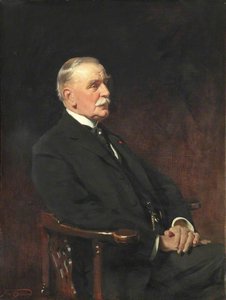
John Lavery’s “Sir James Watson Stewart, Lord Provost of Glasgow” is more than just a portrait; it's a meticulously crafted window into the heart of 1920s Scottish society. Painted in 1921, this oil-on-canvas masterpiece captures not merely the likeness of a prominent public figure but also his inherent gravitas and quiet authority. Lavery, a master of capturing the nuances of human character, skillfully employs a palette of rich browns, deep greens, and subtle blues to evoke a sense of both formality and warmth – a testament to the subject’s position and personality.
The composition itself is carefully considered. Watson sits in an armchair, his hands clasped together in a gesture of dignified repose. His gaze, direct yet not confrontational, suggests a man accustomed to leadership and responsible governance. The background, subtly rendered with a muted couch and another chair, provides context without distracting from the central figure. Notice the meticulous detail lavished upon Watson’s attire – the tailored suit, the crisp tie, the subtle sheen of his shoes – all indicative of his status and the era he represents. Lavery's brushwork is remarkably smooth, creating a sense of depth and texture that draws the viewer into the scene.
The Glasgow School and its Patronage
Lavery’s work is inextricably linked to the Glasgow School movement, an artistic collective that flourished in Scotland during the late 19th and early 20th centuries. This group, characterized by a focus on depicting local life and landscapes with a distinctive realism, drew inspiration from both Impressionism and Japanese art. Lavery, as a key figure within this school, often collaborated with wealthy patrons like William Burrell, who provided crucial financial support and commissioned numerous portraits. The portrait of Sir James Watson Stewart exemplifies this patronage – a collaboration between artist and subject, resulting in a work that reflects both their sensibilities.
The context of the time is vital to understanding the painting’s significance. Sir James Watson Stewart served as Lord Provost of Glasgow from 1917 to 1920, a period marked by significant social and political upheaval following World War I. His role as a leader during this transformative era underscores the importance of civic duty and stability – themes subtly conveyed through Lavery’s portrayal.
Symbolism and Emotional Resonance
Beyond its realistic depiction, the portrait is laden with symbolic meaning. Watson's posture, his hands clasped together, speaks to a sense of responsibility and contemplation. The lighting, carefully orchestrated by Lavery, casts a gentle glow upon the subject’s face, highlighting his features and conveying an air of quiet dignity. The muted color palette contributes to this atmosphere of restrained elegance, suggesting a man who values tradition and stability.
Furthermore, the portrait can be interpreted as a celebration of Victorian ideals – order, respectability, and civic virtue. However, Lavery’s skill lies in imbuing these qualities with a human warmth, preventing the image from becoming overly stylized or sentimental. The viewer is left not just with a likeness of a man but with a sense of his character, his position, and the era he represents.
Collecting and Reproducing a Masterpiece
“Sir James Watson Stewart, Lord Provost of Glasgow” remains a compelling example of John Lavery’s artistic prowess. Reproductions offer an accessible way to appreciate this significant work of art, bringing its beauty and historical context into any setting. When selecting a reproduction, consider the quality of materials and printing techniques – ensuring that the colors accurately reflect those in the original painting. The artwork is available for purchase through various reputable sources, including online galleries specializing in fine art reproductions.
Further research into Sir James Watson Stewart’s life and career provides valuable context for appreciating Lavery's portrait. Resources such as the Art UK database (link) and Wikipedia entries offer detailed biographical information, while online searches reveal additional insights into the Glasgow School movement and Lavery’s artistic legacy.
関連作品
アーティストの略歴
ラベリー、ジョン・シリアー:時代を映す肖像画家
1856年にベルファストで生まれたジョン・ラベリーは、華やかなエドワード朝時代の社会と、戦時という重苦しい現実が交錯する時代を鮮やかに捉えた画家として知られています。貧しいワイン商の息子として生まれ、幼い頃に両親を亡くし、叔父のもとに引き取られるなど、波乱万丈な人生を送りました。しかし、彼はその逆境を乗り越え、卓越した才能と野心によって、イギリスで最も求められる肖像画家の一人へと成長しました。彼の作品は単なる外見の模倣ではなく、被写体の個性や内面世界までも鮮やかに描き出し、時代を象徴する芸術家として高く評価されています。
ラベリーの芸術的探求は、幼少期から始まりました。グラスゴーのハルドーン美術アカデミーで基礎を築き、その後パリのアカデミー・ジュリアンで研鑽を積むことで、ヨーロッパにおける芸術革新の中心に身を置きました。帰国後、彼は影響力のあるグラスゴー・スクールの画家たちと交流し、その美学を受け入れながら独自のスタイルを確立していきます。そして1888年、女王ヴィクトリアの国際博覧会視察を描くという名誉ある依頼を受けることで、彼のキャリアは飛躍的に向上しました。この依頼は単なる仕事の成功にとどまらず、高社会界への扉を開き、肖像画家としての地位を確立するきっかけとなりました。
ウィスラーの影響と芸術的進化
ラベリーの芸術的感性は、ジェームズ・マクニール・ホイッスラーをはじめとする様々な影響を受けて形成されました。特にホイスラーの重視する調和のとれた色彩、大気的な効果、そして洗練された美意識は、ラベリー自身の作品の特徴として深く根付いています。彼の作品群を鑑みると、繊細な筆致と微妙な色彩が用いられ、その影響が見て取れます。また、フランス印象派からも影響を受け、その破砕的な色彩や光の瞬間を捉えることに触発されながらも、伝統的な形式からの徹底的な脱却は避け、優雅さと現代性を融合させた独自のスタイルを確立しました。
初期には風景画や日常生活の場面を描いていましたが、肖像画における卓越した才能が彼の名声を不動のものとしました。ラベリーは被写体の外見だけでなく、その個性、社会的地位、そして内面世界までもキャンバスに鮮やかに描き出すという稀有な能力を持っていました。印象派の手法を巧みに取り入れながらも、細部への鋭い観察眼を持ち合わせることで、美観と心理的洞察力を兼ね備えた肖像画を生み出しました。彼は単なる外見を記録するのではなく、人物の内面を解き明かす芸術家だったのです。
戦争の描写と国家的な栄誉
第一次世界大戦の勃発は、ラベリーの芸術的活動に新たな展開をもたらしました。彼は公式な戦時画家として任命され、紛争の記録という使命を担いました。しかし、健康状態や Zeppelin による爆撃事故などにより、西部戦線での任務は果たせませんでした。それでも彼は、イギリス国内における戦争生活を描くことに専念し、船、飛行機、飛行船などを通して、その時代の雰囲気を鮮やかに表現しました。これらの作品は、塹壕戦の恐怖ではなく、ホームフロントにおける技術革新や物流上の課題に焦点を当てた、ユニークな視点を提供しています。
戦後、ラベリーの貢献は騎士称号と王立アカデミーへの選出によって正式に認められました。彼の人生はますます社交界のエリート層との関わりが深まり、特にアシス家との交流は密接になりました。彼らはテムズ川沿いの邸宅で肖像画を描いたり、理想的な風景を描いたりすることで、特権階級の世界を垣間見せています。また、彼はアイルランド独立運動を取り巻く激動の時代において、重要な条約交渉の中立地として自身のロンドンの家を提供しました。
遺産と芸術への永続的な影響
ジョン・ラベリー卿の遺産は、彼の素晴らしい作品群にとどまりません。彼はカリスマ的な人物であり、芸術界と社交界の間を行き来し、時代の文化的な活力の象徴となりました。彼の肖像画は今なお高く評価されており、その優雅さ、技術力、そして被写体の洞察力は、時代を超えて観る人々を魅了しています。特に、彼の寓意的なアイルランドの人物像は1928年から1975年までアイルランド銀行券に描かれ、彼の揺るぎない国民的意義を示しています。
ラベリーの芸術スタイルは、印象派の手法と緻密な描写を融合させたものであり、今日でも多くのアーティストにインスピレーションを与え続けています。彼の被写体の本質を捉える能力、そして光と色彩の巧みな扱い方は、今後も世代を超えて観る人々を魅了し続けるでしょう。彼は単に時代を記録しただけでなく、その時代を定義する上で重要な役割を果たし、イギリス美術史に消えない足跡を残しました。
ラベリー作品の特徴
- 印象派的手法: 作品において光と色彩の扱いを通して、印象派の影響を受けています。
- 肖像画の専門性: 肖像画において、外見だけでなく心理的な深みまでも捉える才能に長けていました。
- 主要なテーマ: 肖像画、社交界の場面、戦争の描写、風景画など多岐にわたります。
- 優雅なスタイル: 作品はしばしば優雅さ、鮮やかさ、そして洗練された美意識によって特徴づけられます。
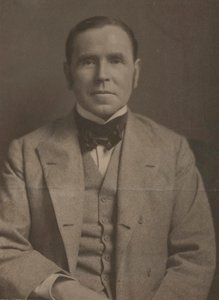
ジョン・ラベリー
1856 - 1941 , アイルランド
基本情報
- フルネーム: ジョン・ラベリー
- 主な作品:
- ミセス・ラベリー
- マイケル・コリンズ
- 夏の川
- 出身地: ベルファスト、アイルランド
- 国籍: アイルランド系イギリス人
- 影響を受けたアーティスト: ['ジェームズ・マクネール・ホイッスラー']
- 没年月日: 1941年1月10日
- 生年月日: 1856年3月20日
- 芸術運動またはスタイル: 印象派、肖像画
関連記事

The Enduring Legacy of Oil on Canvas: Technique, History & Aesthetic Impact
Explore the rich history & techniques of oil painting – from Renaissance masters to Impressionism. Discover pigments, layering methods, and why this timeless medium endures. Expert insights for artists & art enthusiasts.
Sir John Lavery: A Study in Scottish Impressionism & the Portraiture of a Generation
Explore the life & art of Sir John Lavery, a master of Scottish Impressionism and renowned portraitist. Discover his captivating works, Irish heritage, and lasting legacy with ArtsDot.

Oil on Canvas: A Historical & Technical Exploration of a Timeless Artistic Medium
Explore the rich history & enduring techniques of oil painting on canvas. Discover the science behind its longevity, conservation practices, and contemporary relevance. Expert insights for art enthusiasts.

The Enduring Power of Painting: A Historical & Contemporary Exploration of Form and Emotion
Explore the rich history & enduring techniques of oil painting with ArtsDot. Discover masterpieces, learn about art collecting, and find authentic handmade reproductions crafted by skilled artists.

油彩のキャンバス:技法、歴史、そして現代の実践 - 古典美術愛好家へ
油彩の技法、歴史、巨匠たちの秘密を徹底解説。古典美術愛好家向けに、初期フランドル絵画から現代の実践まで深く掘り下げます。ArtsDotで高品質な複製画やカスタムオーダーも承ります。