

 プレビュー
プレビュー
 シェアする
シェアする シェアする
シェアする
 詳細を見る
詳細を見る

 ダウンロード
 似ている作品
 X線調査
X線調査 スライドショー
 統計情報
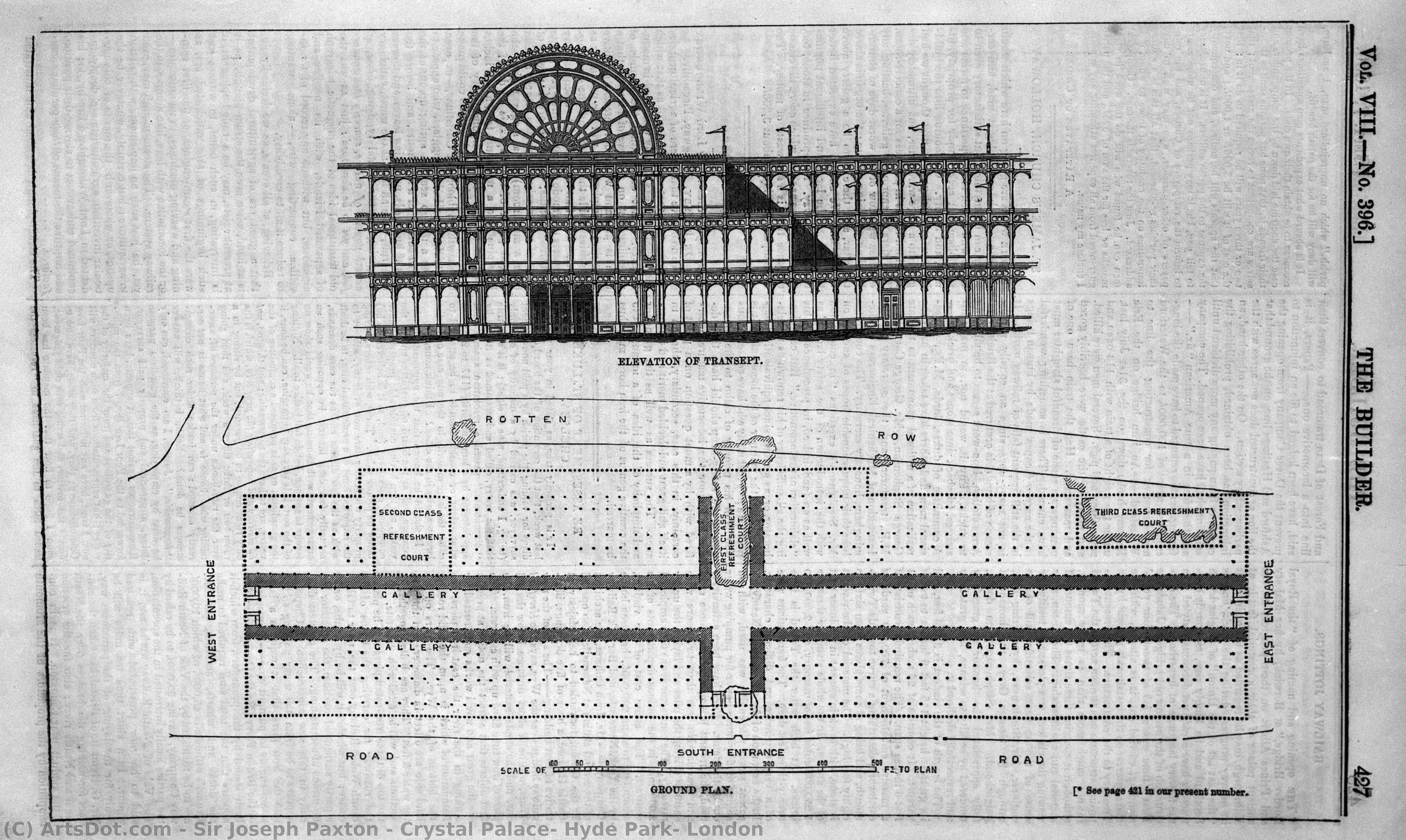
統計情報Crystal Palace, Hyde Park, London


 詳細を見る
詳細を見る
オンラインプレビューをはるかに凌ぐ、高解像度で鮮明なデジタル画像をご購入いただけます。
各ファイルは、社内の専門家が高度なツールと熟練した手作業によるレタッチを用いて、細心の注意を払って準備されています。すべての画像において、卓越した鮮明度、正確な色彩再現性、そして繊細なディテールを保証いたします。
最終ファイルは、プロフェッショナルな編集・印刷環境ですぐにご利用いただけるよう最適化された状態で、72時間以内にメールにてお届けいたします。これは、一流のデザインスタジオ、出版社、ギャラリーから信頼されているものと同等の品質です。
デジタルアート
個人での鑑賞、印刷、クリエイティブなプロジェクト用に、高解像度ファイルをダウンロードできます。 ( プリント版に切り替え 手描きの絵画を購入)
デジタル画像のご注文に付随する特典
高品質なデジタル画像配信を、確かな品質で。
ArtsDot.com を選ぶことは、単に画像を手に入れることではありません。それは、プロの手によって精密に仕上げられ、満足保証が付いた高品質なデジタルアートワークを受け取ることを意味します。ご注文いただいた際に自動的に付随する内容は、以下の通りです:

メールですぐにお届け
ご注文から72時間以内に、高解像度のデジタル画像ファイルがメールでお手元に届きます。すぐにそのままご利用いただけます。

AI技術で最適化されたデジタルファイル
お客様の作品は、高度なAIツールと専門家による手作業の編集を組み合わせてプロフェッショナルに最適化されており、細部のディテール、鮮明さ、そして正確な色再現性を最大限に引き出しています。

一生涯無料の再送サービス
ファイルを誤って削除したり、紛失してしまったりしましたか?ご安心ください。いつでも無料で再送いたします。

輸入手数料は一切かかりません
関税や手数料、配送料を気にすることなく、お気に入りのアートワークをすぐにお楽しみいただけます。デジタルダウンロードは常に免税です。

色彩再現の保証
プロ仕様のツールとカラーマネジメント技術を用いることで、デジタル画像が元の色を最大限に忠実に再現することを保証いたします。

100日間満足保証
ご購入いただいたデジタル画像にご満足いただけない場合は、100日以内であれば、理由を問わず修正または100%の返金対応をさせていただきます。

100% 返金保証
ご満足いただけない場合は、デジタルファイルを受け取ってから100日以内であれば、理由を問わず全額返金いたします。

まとめ買い割引
3枚購入で10%OFF - 5枚購入で15%OFF - 10枚以上購入で20%OFF。クリエイティブなプロジェクト、ギャラリー、エージェンシーに最適です。
関連作品






作家の略歴
The Visionary Architect of Light and Leaf
In the heart of the Victorian era, a period defined by rapid industrial expansion and scientific curiosity, there emerged a figure whose life work bridged the gap between the organic beauty of the natural world and the rigid precision of modern engineering. Sir Joseph Paxton was not merely an architect or a gardener; he was a polymath of the landscape, a man who could translate the delicate veins of a tropical leaf into the soaring iron ribs of a monumental glass palace. Born Milton Bryan in the quietude of Bedfordshire in 1803, his journey from a humble farming background to the heights of British political and architectural influence is a testament to an intellect that refused to be confined by traditional boundaries.
Paxton’s early fascination with botany, nurtured by his father’s horticultural passion, provided the essential foundation for his later structural triumphs. This deep-seated understanding of biological form became his greatest creative tool. He did not simply build structures; he cultivated them. His mastery of horticulture was famously demonstrated through his successful cultivation of the Cavendish banana, a feat that brought a taste of the tropics to Britain and established his reputation as a premier botanist. This intimate knowledge of how light, moisture, and structure interact within a living organism would later become the very soul of his architectural philosophy.
The Triumph of the Crystal Palace
The pinnacle of Paxton’s career arrived with the 1851 Great Exhibition, an event designed to showcase the industrial might of the British Empire. Tasked with designing a venue for this unprecedented global gathering, Paxton bypassed the heavy, stone-laden traditions of his contemporaries. Instead, he drew inspiration from the Victoria Amazonica, a colossal waterlily whose expansive leaves offered a blueprint for modularity and strength. This botanical metaphor led to the creation of the Crystal Palace, a breathtaking marvel of glass and iron that seemed to defy the weight of its own materials.
The construction of this edifice was nothing short of a revolution in engineering. By utilizing prefabricated components and an innovative "ridge-and-furrow" roof design, Paxton achieved a level of speed and efficiency previously thought impossible. The structure acted as a shimmering, translucent skin, allowing natural light to flood the interior and blurring the lines between the indoor exhibits and the surrounding greenery. It was a masterpiece of transparency, embodying the Victorian era's optimism and its belief in the infinite possibilities of progress. Through this work, Paxton proved that the industrial age could be just as elegant and organic as the gardens he so loved.
A Legacy Written in Glass and Greenery
Beyond the ephemeral glory of the Great Exhibition, Paxton’s influence permeated the very fabric of the English landscape. His architectural prowess extended to the design of magnificent public spaces, such as Birkenhead Park, which served as a vital precursor to the modern urban park system. His ability to integrate structural innovation with ecological sensitivity ensured that his legacy was not just found in museums or history books, but in the breathing, living spaces of the public. As the Director of Kew Gardens from 1845 until his death in 1865, he continued to shape the botanical landscape of the nation, ensuring that science and art remained inextricably linked.
The historical significance of Sir Joseph Paxton lies in his role as a pioneer of modernism. He anticipated the move toward lightweight, modular construction long before it became a global standard. His life remains a profound example of how scientific observation can drive artistic innovation. To look upon the legacy of the Crystal Palace is to see the moment when humanity learned to harness the strength of iron and the clarity of glass to celebrate the splendor of the natural world.
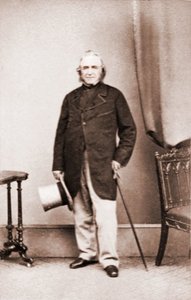
sir joseph paxton
1803 - 1865 , United Kingdom
プロフィール概要
- Artistic Movement Or Style: Victorian Architecture
- Artists Or Movements Influenced By This Artist: ['Neo-classical']
- Artists Who Influenced This Artist: ['Charles Barry']
- Date Of Birth: August 3, 1803
- Date Of Death: June 8, 1865
- Full Name: Joseph Paxton
- Nationality: British
- Notable Artworks:
- Crystal Palace
- Knole House
- Place Of Birth: Milton Bryan, United Kingdom