 プレビュー
プレビュー
 プリントを購入
 シェアする
シェアする シェアする
シェアする
 詳細を見る
詳細を見る

 ダウンロード
 似ている作品
 X線調査
X線調査 スライドショー
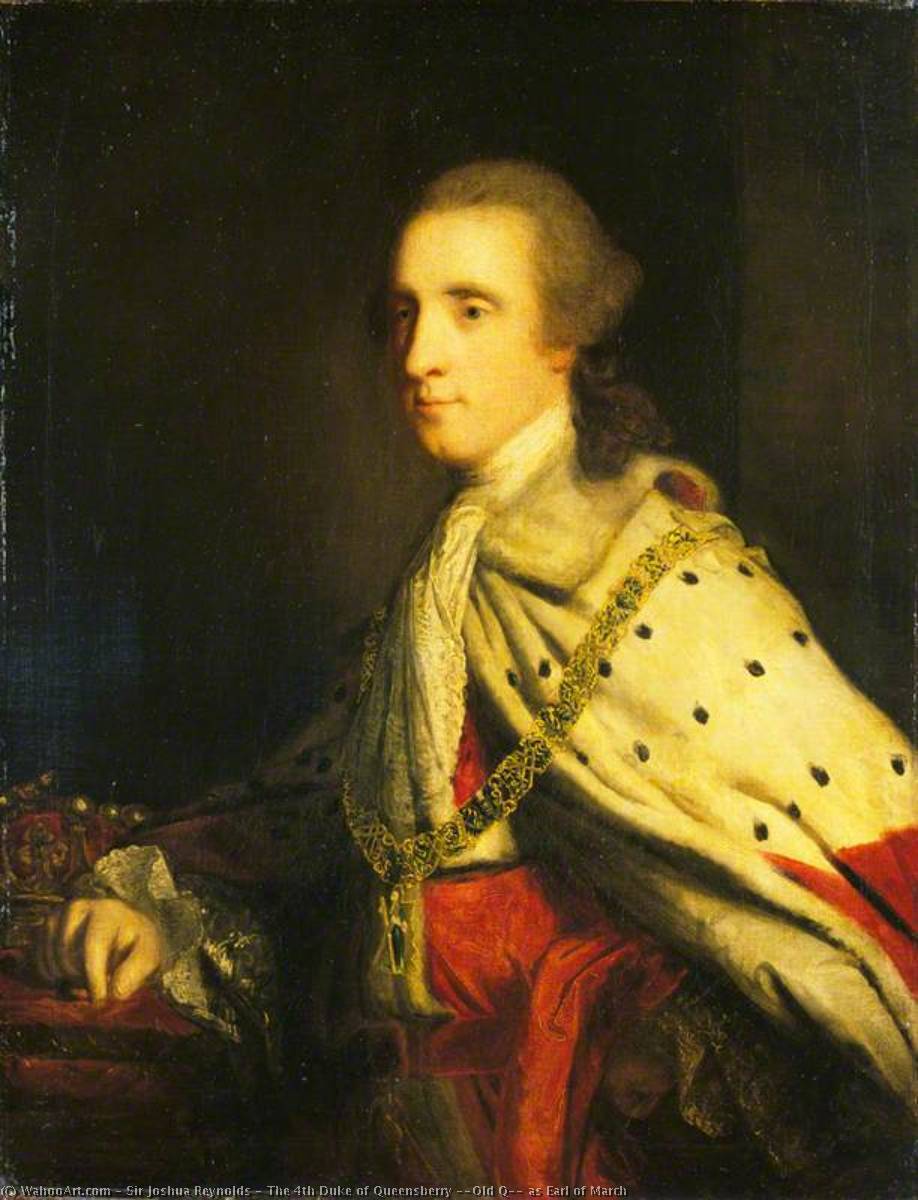
The 4th Duke of Queensberry ('Old Q') as Earl of March
 Oil On Canvas
- WallArt
- Baroque Portraiture
 1759
1759 91.0 x 68.0 cm
 ロンドンタワー
 詳細を見る
詳細を見る




P118B $10

P118H $10

P118W $10

P438Z $10

P508JH $12

P508YH $12

P805H $10

P805Z $10

P919BZ $10

P919G $10

P919XJ $10

P959ZH $10

P968JZ $12

W106C $8

W218G $10

W218JH $8

W218Y $10

W307PJ $10

W316G $10

W316PJ $8

W316Y $10

W398PJ $8

W4111J $10

W500HY $15

W500JH $15

W692G $12

W849H $8

W940BG $15

W953PJ $8




作品のオリジナル比率に合わせた、当店の規定サイズからお選びください。

特定のフレームやスペースに合わせて、ご希望のサイズをご入力いただけます。選択されたサイズが元の画像の比率と異なる場合、アートワークをトリミングするか、手描きで要素を追加して絵画を拡張いたします。デジタルモックアップ を制作し、制作開始前にご確認(承認)をいただきます。
画面上のプレビューは、実際のトリミングや拡張を正確に反映しているものではありません。最終的な構図は、モックアップによってのみ正確にご確認いただけます。
カスタムサイズもご利用いただけますが、元の比率を維持するためには、あらかじめ用意されたリストからサイズを選択することをお勧めいたします。
ご注文後、ArtsDot.com チームより詳細な指示をお送りするとともに、仕上がりイメージ(モックアップ)をご提供いたします。


 ガラスオプションは、110cm未満のサイズでのみご利用いただけます。

The 4th Duke of Queensberry ('Old Q') as Earl of March
複製技法
複製画のサイズ
-


合計金額
$ 263
The Legacy of Reynolds: Capturing Nobility in ‘Old Q’
Sir Joshua Reynolds (1723–1792) stands as one of the titans of British art, primarily recognized for his masterful portraits that defined the “Grand Style” during the Enlightenment. His ability to imbue his subjects with psychological depth and elegance cemented his reputation as the first President of the Royal Academy—a position he held until his death in 1792—and profoundly influenced generations of artists who followed. This stunning depiction of William Douglas, 4th Duke of Queensberry (“Old Q”), exemplifies Reynolds’s signature approach to portraiture, offering a glimpse into both the aristocratic world of the era and the artist's unparalleled skill.A Portrait Steeped in Context: The Duke and His Era
Painted in 1759–60, “The 4th Duke of Queensberry (‘Old Q’) as Earl of March” emerged from a period marked by considerable social upheaval and intellectual ferment. William Douglas, nicknamed ‘Old Q’ due to the flamboyant letter emblazoned on his carriage door—a testament to his extravagant lifestyle—was a figure of considerable notoriety. He was celebrated for his daring exploits and scandalous affairs, yet simultaneously revered as a shrewd financier and influential landowner. Reynolds skillfully captured this duality, reflecting the complexities of aristocratic society during George III's reign – an era obsessed with appearances and driven by ambition. The Duke’s patronage of artists like John Opie further underscores the interconnectedness of artistic circles and social prestige.Reynolds’ Technique: Mastering Light and Texture
Reynolds employed a technique characterized by meticulous observation and painstaking layering—a hallmark of his Grand Style. He began by establishing a dark background, strategically positioned to heighten the luminosity of the Duke's figure and drapery. This masterful use of chiaroscuro – dramatic contrasts between light and shadow – immediately draws the viewer’s eye towards the subject’s face and regal attire. Reynolds skillfully applied thin glazes of pigment—primarily red lake for the skin tone—allowing underlying layers to subtly influence the final hue, resulting in a rich, nuanced surface texture. The drapery was meticulously rendered with meticulous attention to detail, demonstrating Reynolds's mastery of color and form. Assistants expertly painted the fabric in pink-grey before Reynolds applied red lake and made final adjustments, ensuring that every fold and shimmer conveyed an impression of opulent grandeur.Symbolism Within Elegance: Crowns, Scepters, and Regal Attire
Beyond mere likeness, Reynolds imbued “Old Q” with symbolic significance. The Duke wears a crown—a potent emblem of sovereignty—and holds a scepter—representing authority and power—visually reinforcing his noble status. His scarlet coat and white cravat further emphasize his aristocratic identity, reflecting the prevailing fashions of the time and conveying an aura of confidence and refinement. The inclusion of the Order of the Thistle—a Scottish honor bestowed upon Douglas in 1763—adds another layer of symbolism, signifying loyalty to the Crown and highlighting the Duke’s connections to royal patronage. These elements collectively communicate a narrative of aristocratic privilege and accomplishment.A Timeless Masterpiece: Emotional Resonance and Artistic Legacy
“The 4th Duke of Queensberry (‘Old Q’) as Earl of March” transcends its historical context, continuing to captivate audiences with its exquisite beauty and psychological insight. Reynolds’s ability to convey the subject's inner character—his gaze conveying both dignity and contemplation—demonstrates his profound understanding of human emotion. The painting’s enduring appeal lies in its masterful execution and its reflection of a pivotal moment in British art history, securing Reynolds’s place as one of the most influential portrait painters of all time. Its current residence at the Wallace Collection ensures that this masterpiece remains accessible to admirers worldwide.関連作品
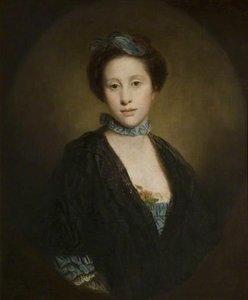
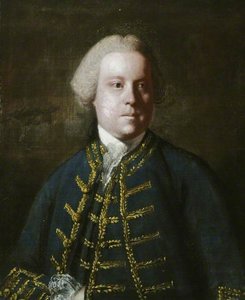
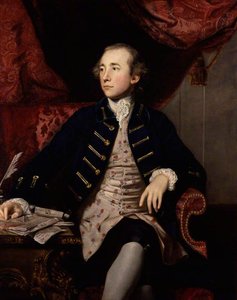
アーティストの略歴
啓蒙時代の輝ける巨星:サー・ジョシュア・レーンズの生涯と芸術
1723年、デヴォンシャー州の静かな町プリムプトンに生まれたサー・ジョシュア・レーンズは、英国が巨大な文化的変革期を迎えていた時代において、極めて重要な役割を果たす人物として登場しました。父親である牧師サミュエル・レーンズは、幼いジョシュアに学問への愛と知的な探求心を植え付け、当初は彼を学者としての道へと導こうとしていました。しかし、抗いがたい芸術への情熱がやがて表面化し、17歳でロンドンのトーマス・ハドソンのもとへ弟子入りすることになります。この形成期における経験は、後の輝かしいキャリアを決定づける肖像画というジャンルにおいて、レーンズに揺るぎない基礎を与えました。ハドソンのスタジオは当時の流行の最先端を行く社交界の拠点であり、レーンズはそこで貴族階級のパトロンたちが求める要求や期待に触れることになります。それは単に絵画技術を磨くだけでなく、彼が後に見事に描き出すことになる社会的な背景への理解を深める貴重な機会となりました。彼の仕事は、単に外見を写し取ることだけではありませんでした。それは、地位や趣味、そして人々の抱く志を反映した「イメージ」を構築することだったのです。英国肖像画における「グランドスタイル」の確立
レーンズは、ハドソンから学んだことを単に模倣したわけではありません。彼はラファエロ、ミケランジェロ、ティツィアーノといった巨匠たちへの深い敬愛を原動力として、芸術的な探求の旅へと踏み出しました。彼の発展における決定的な瞬間は、1750年のローマ滞在でした。そこで彼は古典美術に没頭し、「グランドスタイル」の原則を吸収しました。それは、理想化された美、劇的な構図、そして歴史的あるいは神話的な暗示を優先させる手法です。英国へ戻ったレーンズは、英国肖像画を単なる写実的な描写を超えたものへと高めようと試み、かつてないほどの威厳と知的な重みを作品に吹き込みました。彼は、肖像画とは単に身体的な特徴を記録するものではなく、描かれた人物の品格や社会的地位をも明らかにするものであると信じていました。この野心により、彼は自身の作品に歴史画の要素を取り入れるようになり、しばしば古典的な物語を彷彿とさせる豪華な衣装や演出された舞台設定の中に被写体を描き出しました。彼が描いていたのは、単なる「人々」ではありませんでした。権力、知性、そして洗練さを象徴する、永遠に色あせないイメージを創り上げていたのです。ロイヤル・アカデミーの初代学長であり、芸術の擁護者
レーンズの影響力は、自身のキャンバスを遥かに超えて広がっていました。1768年、彼はロイヤル・アカデミー(王立芸術院)の創設メンバーとなり、極めて重要なことに、その初代学長に就任しました。この地位を1792年の逝去まで務めました。これは英国美術にとって画期的な瞬間であり、芸術的才能を育成し、国家的なアイデンティズムを推進するための機関が確立されたことを意味します。レーンズは芸術教育の重要性を精力的に訴え、芸術家が尊敬とパトロンに値する専門職として認められるよう尽力しました。アカデミーの学生たちに向けて行われた年次講義「ディスコース」は、芸術の理論と実践に関する極めて重要なテキストとなり、独自の英国的な絵画派のビジョンを提示しました。彼は自然を研究すること、技術を習得すること、そして想像力を養うことの重要性を強調し、伝統に根ざしながらも独創性を追求するよう芸術家たちに促しました。レーンズの指導力は英国美術の風景を一変させ、その地位を高めるとともに、次世代の芸術的革新のための礎を築いたのです。時代を捉える:名作と不朽の遺産
レーンズの多作な作品群には、18世紀英国の最も著名な人物たちの肖像が含まれています。貴族階級から文学界の重鎮、そして軍の英雄たちまで多岐にわたります。例えば、デヴォンシャー公爵の肖像画は、貴族的な権威と洗練された空気感を漂わせています。また、Peter Darnell Muilman, Charles Crokott and William Keable in a Landscape(風景の中のピーター・ダーネル・ミュルマン、チャールズ・クロコット、ウィリアム・キーブル)では、人物を自然な風景の中にシームレスに融合させる彼の卓越した手腕が見て取れます。Mr and Mrs William Lindow(ウィリアム・リンドー夫妻)もまた、家族の親密さと社会的なダイナミズムを捉える彼の技術を示す魅力的な例です。個人の肖像画にとどまらず、レーンとした群像構成においても優れた才能を発揮し、単一のフレーム内に複数の人物を巧みに配置することで、躍動感のある物語を生み出しました。彼の作品は、単なる技術的な熟練度を示すものではありませんでした。それはストーリーテリングであり、緻密に構築されたイメージを通じて、ある時代の本質を伝える試みだったのです。 レーンズが英国美術に与えた影響は計り知れません。彼は肖像画を尊敬されるジャンルとして確立させただけでなく、急速な社会的・政治的変化の中にあった国家の文化的アイデンティティの形成にも寄与しました。「グランドスタイル」への彼のこだわりは、何世代もの芸術家たちにインスピレーションを与え、ロイヤル・アカデミーにおける彼の指導力は、繁栄する芸術コミュニティの発展の土台となりました。今日においても、彼の絵画はその優雅さ、心理的な深み、そして歴史的な重要性によって観る者を魅了し続けています。それは、彼のビジョンと芸術性の不朽の力を証明するものです。彼の作品は、ロンドンのテート・ブリテンやハンプトン・コート宮殿のロイヤル・コレクションをはじめ、世界中の権威あるコレクションに収蔵されており、その遺産が今後何世紀にもわたって人々を鼓舞し、導き続けることを確かなものにしています。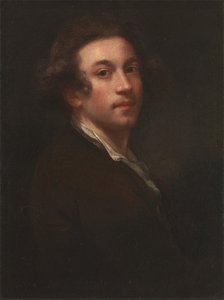
ジョシュア・レーンズ
1723 - 1792 , イギリス
基本情報
- Artistic Movement Or Style: グラン スタイル
- Artists Or Movements Influenced By This Artist: ['トーマス・ゲインズボロー']
- Artists Who Influenced This Artist: ['トーマス・ハドソン']
- Date Of Birth: 1723年7月16日
- Full Name: Sir Joshua Reynolds
- Nationality: イギリス人
- Notable Artworks:
- ピーター・ダニエル・ミルマン...
- ウィリアム・リンドウ夫妻
- ジョン・ヘイズ卿
- Place Of Birth: イギリス デボンshire プライムストン
関連記事
Sir Joshua Reynolds' Masterpieces: 25 Portraits of Power & Refinement | ArtsDot
Explore 25 captivating portraits by Sir Joshua Reynolds, a master of British art. Discover stories behind his iconic paintings, elegant style & historical influence. Find museum-quality reproductions and elevate your home decor on ArtsDot.com.
Sir Joshua Reynolds: Shaping British Art Through Grand Style & Societal Portraiture
Explore the life & work of Sir Joshua Reynolds, a master of British portraiture and founder of the Royal Academy. Discover his 'Grand Style,' techniques, and lasting influence on art history. Learn more at ArtsDot.
John Hoppner: Portraiture, Patronage & British Identity in the Late Georgian Era
Explore the life & work of John Hoppner, a leading Georgian portraitist. Discover his vibrant style, influential patrons, and lasting impact on British art history. Expert insights for collectors.
The Enduring Legacy of Family Portraiture: A Historical & Artistic Exploration
Explore the rich history of family portraiture with ArtsDot. Discover artistic styles, symbolism & collecting insights. Commission a custom oil painting or appraise your existing artwork today!
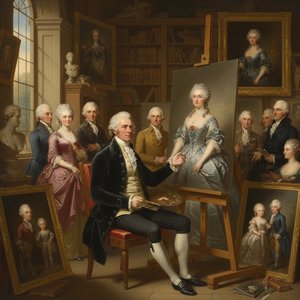
Sir William Beechey: Portraiture, Patronage & Shaping Georgian Society
Explore the life & art of Sir William Beechey, a leading British portraitist of the Georgian era. Discover his royal commissions, aristocratic subjects, and lasting influence on 18th-century painting. Learn more at ArtsDot.