

 プレビュー
プレビュー
 プリントを購入
 シェアする
シェアする シェアする
シェアする
 詳細を見る
詳細を見る

 ダウンロード
 似ている作品
 X線調査
X線調査 スライドショー
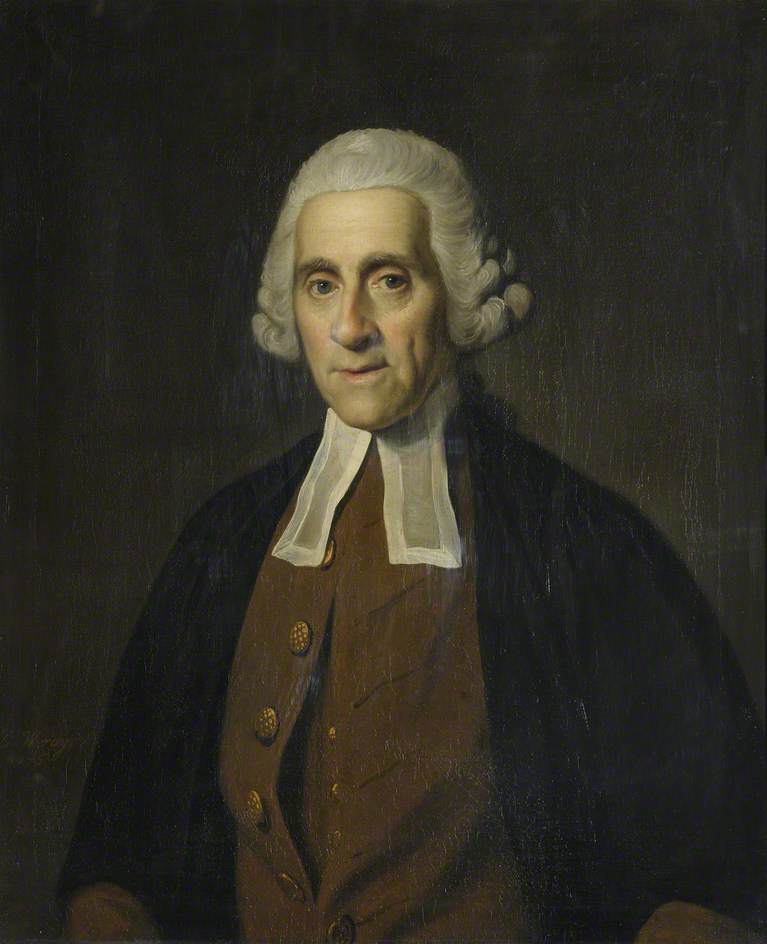
Daniel Wray (1701–1783), Antiquary, Fellow Commoner (1718 1719)
 Oil On Canvas
- WallArt
- Neoclassicism
 1769
1769 76.0 x 64.0 cm
 クイーンズ・カレッジ
 詳細を見る
詳細を見る




P118B $10

P118H $10

P118W $10

P438Z $10

P508JH $12

P508YH $12

P805H $10

P805Z $10

P919BZ $10

P919G $10

P919XJ $10

P959ZH $10

P968JZ $12

W106C $8

W218G $10

W218JH $8

W218Y $10

W307PJ $10

W316G $10

W316PJ $8

W316Y $10

W398PJ $8

W4111J $10

W500HY $15

W500JH $15

W692G $12

W849H $8

W940BG $15

W953PJ $8




作品のオリジナル比率に合わせた、当店の規定サイズからお選びください。

特定のフレームやスペースに合わせて、ご希望のサイズをご入力いただけます。選択されたサイズが元の画像の比率と異なる場合、アートワークをトリミングするか、手描きで要素を追加して絵画を拡張いたします。デジタルモックアップ を制作し、制作開始前にご確認(承認)をいただきます。
画面上のプレビューは、実際のトリミングや拡張を正確に反映しているものではありません。最終的な構図は、モックアップによってのみ正確にご確認いただけます。
カスタムサイズもご利用いただけますが、元の比率を維持するためには、あらかじめ用意されたリストからサイズを選択することをお勧めいたします。
ご注文後、ArtsDot.com チームより詳細な指示をお送りするとともに、仕上がりイメージ(モックアップ)をご提供いたします。


 ガラスオプションは、110cm未満のサイズでのみご利用いただけます。

Daniel Wray (1701–1783), Antiquary, Fellow Commoner (1718 1719)
複製技法
複製画のサイズ
-


合計金額
$ 263
作品解説
A Dignified Portrait of Antiquity: Nathaniel Dance-Holland’s Daniel Wray
The year is 1769, and within the hallowed halls of Queens' College, Cambridge, a scene unfolds captured with remarkable precision by Sir Nathaniel Dance Holland. Before us rests “Daniel Wray (1701–1783), Antiquary, Fellow Commoner,” an oil painting that transcends mere portraiture to become a poignant study in age, intellect, and the quiet dignity of scholarly pursuits. More than just a likeness, this work offers a glimpse into the intellectual climate of 18th-century England, revealing a man deeply immersed in the pursuit of knowledge and the preservation of history.
Dance Holland’s style is firmly rooted in the classical traditions that dominated British art at the time. The composition adheres to a carefully balanced symmetry, reminiscent of Renaissance portraiture yet imbued with a distinctly English sensibility. The subject, Daniel Wray himself – an antiquarian dedicated to the study of ancient texts and artifacts – is presented in a three-quarter pose, his head slightly turned towards the viewer, inviting engagement. His gaze holds a certain thoughtfulness, suggesting a mind constantly occupied with contemplation and research. The lighting, dramatic and directional, emphasizes the textures of Wray’s face and clothing, creating a sense of depth and volume that is characteristic of Holland's masterful technique.
Technical Mastery: The Language of Oil
Holland’s skill as an artist lies not only in his ability to capture likeness but also in his command of oil paint. The painting demonstrates a meticulous layering process, with thin glazes building up color and tone to achieve remarkable subtlety and realism. Note the delicate rendering of Wray's facial features – the furrowed brow hinting at years spent poring over ancient manuscripts, the precise lines defining his eyes, and the subtle shading that gives volume to his cheeks and nose. The artist’s use of brushstrokes is largely concealed beneath these layers, creating a remarkably smooth surface—a testament to Holland’s patience and expertise. The dark background, rendered with atmospheric perspective, further enhances the sense of depth and draws the viewer's attention directly to Wray himself.
Symbolism and Context: A Scholar’s Portrait
Beyond its technical brilliance, “Daniel Wray” is rich in symbolic meaning. The subject’s attire—a meticulously tailored coat, a lace cravat, and spectacles perched upon his nose—immediately establishes his status as an educated gentleman and a member of the intellectual elite. The inclusion of the clerical collar subtly alludes to Wray's scholarly pursuits, suggesting a connection to religious learning and tradition. The presence of ancient texts in the background (implied by the setting) reinforces the theme of antiquity and the importance of preserving historical knowledge. This portrait wasn’t simply a representation of an individual; it was a statement about the value placed on scholarship and intellectual curiosity during the Georgian era.
A Legacy of Portraiture: Dance Holland's Influence
Sir Nathaniel Dance-Holland stands as a pivotal figure in 18th-century British portraiture. His work, characterized by its elegance, realism, and attention to detail, profoundly influenced generations of artists. He was a member of the Royal Academy, one of the founding members, and his commissions included portraits of prominent figures such as King George III, Captain Cook, and David Garrick – individuals who shaped the course of British history. “Daniel Wray” exemplifies this legacy, offering a window into a specific moment in time and showcasing Holland’s remarkable ability to capture both the outward appearance and inner character of his subjects. Reproductions of this captivating portrait continue to resonate with art lovers today, serving as a reminder of the enduring power of skillful artistry and thoughtful representation.
関連作品
アーティストの略歴
キャンバスと統治を繋いだ生涯:ナサニエル・ダンス・ホランド卿
1735年5月8日にロンドンで生まれたナサニエル・ダンス・ホランド卿は、その生涯において十八世紀イギリスの多面的な精神を体現した人物でした。彼は芸術への探求と献身的な公務という道をシームレスに融合させ、最終的に尊敬される画家、国会議員、そしてバロネットとなりました。彼の物語は、受け継がれた才能、戦略的な野心、そして変化する時代に適応する驚くべき能力の物語です。ダンスの初期の生活は家族の事情によって大きく形作られました。父ジェームズ・ダンスが演劇や脚本家というキャリアを捨てたことで、彼は父方の祖父ジョージ・ダンス・ザ・エルダー――ロンドン市内の多くの市民設計を担った著名な建築家――の厳しい目を通して育つことになりました。この建築原理への基礎的な学びは、ダンスの芸術的感性に静かに影響を与え、彼の作品に秩序と構造的な完全性の感覚を吹き込んでいます。彼は当初、ロココ様式の指導者であったフランシス・ヘイマンのもとで芸術的な訓練を受けましたが、その後イタリアでの長期にわたる研究期間に入り、ポンペオ・バトーニのような巨匠たちの作品に出会い、アンジェリカ・カウフマンとの繋がりを築きました。この関係性は、個人的なインスピレーションと職業的なインスピレーションの両方を示唆していました。筆から議会へ:二つの天職
イングランドに帰国した後、ダンスはすぐに求められる肖像画家としての地位を確立しました。著名な人物の似姿を捉える彼の才能は、王族、貴族、そして名高い個人たちから依頼を引き寄せました。彼はジョージ3世国王とシャーロット王妃を描き、それらを王室の威厳をもってキャンバス上に永遠のものとしました。おそらく最も永続的な作品の一つがジェームズ・クック船長の肖像画であり、これは探検家の肉体的な存在だけでなく、揺るぎない決意と知的好奇心の感覚をも捉えています。ダンスの芸術的才能は、1768年に彼が王立アカデミーの創設メンバーとなったことで正式に認められ、確立された美術界における彼の地位を確固たるものにしました。しかし、画家として成功を収めたにもかかわらず、ダンスは絵画の領域を超えた野心を抱いていました。芸術家としてのキャリアの絶頂期であった1790年、彼は驚くべき転身を政治へと行い、サセックス州イースト・グリンステッドの議席選挙に立候補し、見事に勝利しました。この決断は彼の人生における転換点となり、美的なものから実用的なものへの移行を示唆し、それは最終的に彼の一生の下半期を決定づけることとなりました。海軍の響きと芸術的影響
ダンスの芸術様式が当初は主流のロココ様式に傾いていたものの、彼の作品からは他の源からの微妙な影響も見て取れます。彼の構図に見られる正確さと明快さは、オランダ黄金時代の絵画への意識を示唆しており、特に細部へのこだわりと光の巧みな扱いにそれが表れています。この影響は、当時イギリスがオランダと強固な交易関係を持っていたことや、オランダの芸術的功績に対する広範な賞賛を考えると、さほど驚くべきことではありません。さらに、ダンスの家系は海事活動と重要な繋がりを持っていました。彼の甥であるナサニエル・ダンス卿(1748-1827年)は、東インド会社の海軍奉仕において提督として名声を博し、特に1804年のプロア沖海戦でその功績を轟かせました。この海との家族的な関わりは、おそらくダンスの芸術的意識に浸透し、海軍将校や海洋の光景を描く際に微妙な影響を与えたのでしょう。彼の肖像画はしばしば静かな権威と控えめな英雄主義の感覚を伝えており、これらはイギリスの航海の伝統の精神と共鳴するものです。遺産と追悼
ダンスは1811年10月15日の死没まで、ウィルトシャー州グレート・ベッドウィンやイースト・グリンステッドなどいくつかの選挙区で国会議員を務め続けました。彼は芸術と公生活の両方への貢献が認められ、1800年にバロネットに昇格しました。議会に入った後、徐々に芸術活動から身を引きましたが、画家としてのダンスの遺産は、生き残った作品群を通して今も息づいています。彼の肖像画は、十八世紀イギリスの社会と政治的情景に関する貴重な洞察を提供し、ある世代の人々の個性や抱負を捉えています。今日、彼の絵画はロンドンの国立海事博物館やメルボルンのビクトリア国立美術館など、世界中の著名なコレクションで見ることができます。パイバス家(1769年作)は、個々の性格と家族の力学の両方を明らかにする説得力のある集団肖像画を制作する彼の能力を示す、特に称賛される例であり続けています。ナサニエル・ダンス・ホランド卿の生涯は、多面的な存在の可能性の証しとなっており、芸術的表現と献身的な公務がシームレスに統合され、イギリスの歴史と文化に消しがたい足跡を残した旅路でした。さらなる探求
- Art UK: ナサニエル・ダンス・ホランドの生涯と作品についてもっと知る:https://artuk.org/discover/artists/dance-holland-nathaniel-17351811
- Wikipedia: 詳細な伝記的概説:https://en.wikipedia.org/wiki/Nathaniel_Dance-Holland
- Royal Academy of Arts: ダンスの王立アカデミーとの関わりを発見する:https://www.royalacademy.org.uk/art-artists/name/nathaniel-dance-ra
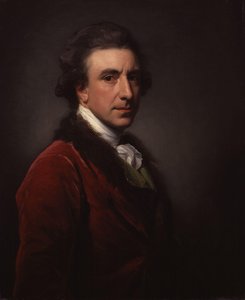
サー・ナサニエル・ダンス・ホランド
1735 - 1811 , イギリス
基本情報
- Artistic Movement Or Style: 肖像画
- Artists Who Influenced This Artist:
- フランシス・ヘイマン
- ポンペオ・バトニ
- Date Of Birth: 1735年5月8日
- Date Of Death: 1811年10月15日
- Full Name: サー・ナサニエル・ダンス・ホランド
- Nationality: イギリス人
- Notable Artworks:
- ジェームズ・クック船長
- ミス・ハグリーブス
- 犬を連れたトーマス・ナザル
- Place Of Birth: ロンドン, イギリス
関連記事
Sir Joshua Reynolds' Masterpieces: 25 Portraits of Power & Refinement | ArtsDot
Explore 25 captivating portraits by Sir Joshua Reynolds, a master of British art. Discover stories behind his iconic paintings, elegant style & historical influence. Find museum-quality reproductions and elevate your home decor on ArtsDot.com.

Sir Alfred Munnings' Masterpieces: 25 Paintings That Define Equine Art | ArtsDot
Explore 25 iconic Sir Alfred Munnings paintings! Discover the beauty of British Impressionism, equine art & rural England. Find museum-quality reproductions and elevate your home decor with ArtsDot. Explore the full collection online.
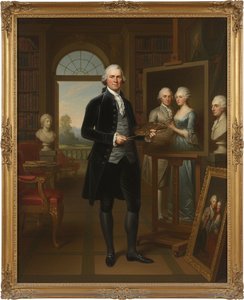
Sir Nathaniel Dance-Holland: Portraiture, Patronage & Georgian Identity
Explore the life & art of Sir Nathaniel Dance-Holland, a leading Georgian portraitist. Discover his masterful technique, influential patrons, and lasting impact on 18th-century British society. A guide for discerning collectors.
18th Century Masters: 10 Artworks That Define an Era | ArtsDot
Journey through 18th century art! Explore 10 iconic paintings – from Rococo elegance to Neoclassical grandeur. Discover Fragonard, David & more. Find museum-quality reproductions and elevate your home decor on ArtsDot.com.
Panoramic Visions of Empire: The Daniells’ Artistic Collaboration & Legacy
Explore the captivating 'Oriental Scenery' by Thomas & William Daniell. Discover their pioneering aquatint prints of India, imperial context, artistic collaboration, and lasting legacy. A deep dive for history lovers.

