 プレビュー
プレビュー
 シェアする
シェアする シェアする
シェアする
 詳細を見る
詳細を見る

 ダウンロード
 似ている作品
 X線調査
X線調査 スライドショー
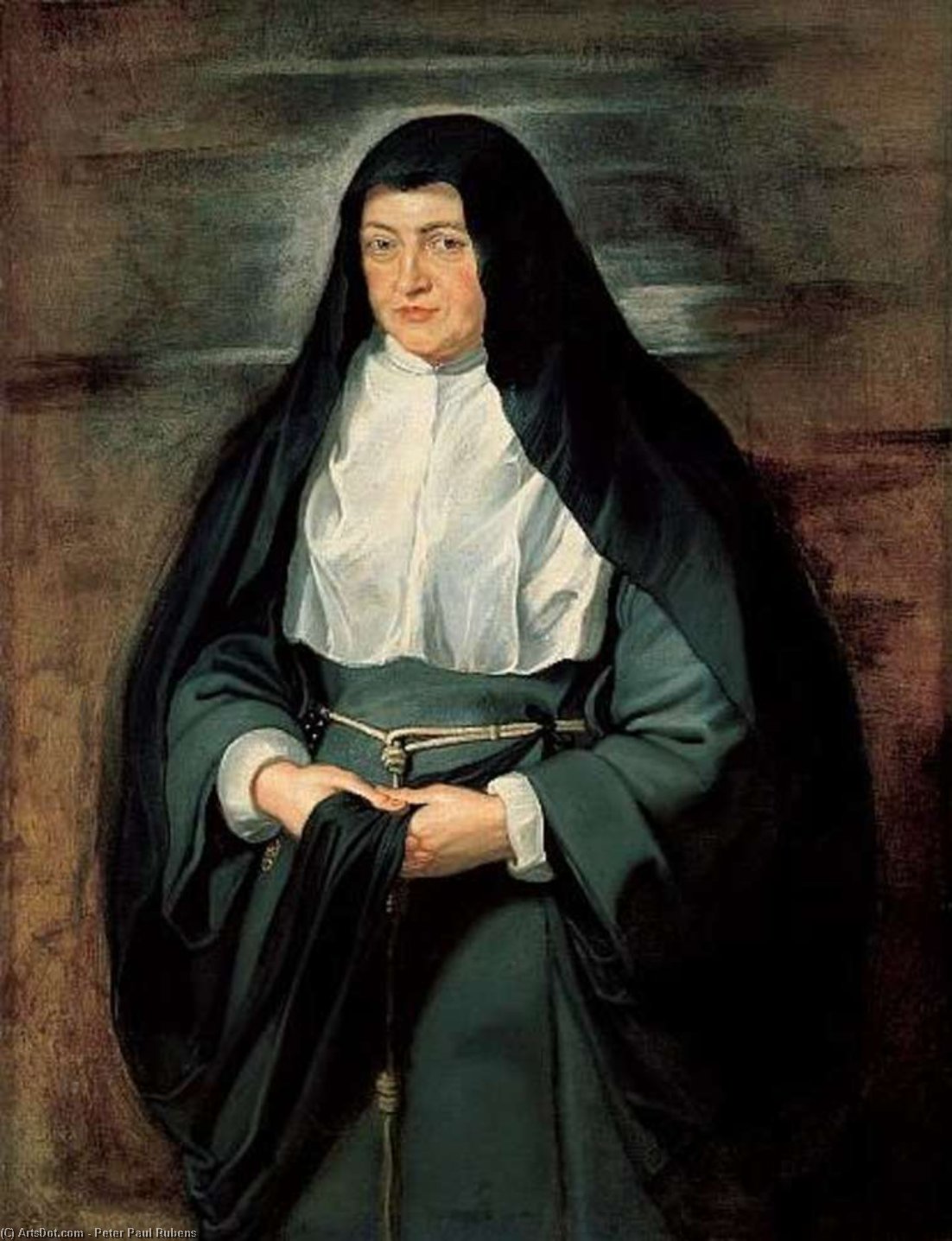
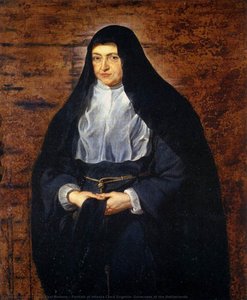
Portrait of Archduchess Isabella Clara Eugenia
 Acrylic On Canvas
- WallArt
- Contemporary Realism
 1625
1625- High Medieval
 116.0 x 89.0 cm
 詳細を見る
詳細を見る
ジークレー/アートプリント
迅速な制作と多彩な仕上げオプションを備えた、ミュージアムクオリティのジークレーまたはキャンバスプリント。 ( 手描きの絵画を購入 画像を購入)




P118B $10

P118H $10

P118W $10

P438Z $10

P508JH $12

P508YH $12

P805H $10

P805Z $10

P919BZ $10

P919G $10

P919XJ $10

P959ZH $10

P968JZ $12

W106C $8

W218G $10

W218JH $8

W218Y $10

W307PJ $10

W316G $10

W316PJ $8

W316Y $10

W398PJ $8

W4111J $10

W500HY $15

W500JH $15

W692G $12

W849H $8

W940BG $15

W953PJ $8




作品のオリジナル比率に合わせた、当店の規定サイズからお選びください。

特定のフレームやスペースに合わせて、ご自身でサイズを指定することも可能です。選択されたサイズが元の画像の比率と一致しない場合、作品をトリミングするか、鏡面反射または単色での塗りつぶしによって画像を拡張いたします。制作を開始する前に、ご確認用のデジタルモックアップをお送りいたします。
画面上のプレビューには、実際のトリミングや拡張は反映されませんのでご注意ください。最終的な構図を正確に確認できるのは、モックアップのみとなります。
カスタムサイズも承っておりますが、元の比率を維持するためには、あらかじめ用意されたリストからサイズを選択することをお勧めいたします。


 ガラスオプションは、110cm未満のサイズでのみご利用いただけます。

Portrait of Archduchess Isabella Clara Eugenia
ジークレー/アートプリント
複製画のサイズ
-


合計金額
$ 62
The Serene Bloom: A Study in Impressionistic Floral Still Life
- Subject and Style: This exquisite artwork presents a vibrant still life composition centered around an arrangement of freshly cut flowers. The style is firmly rooted in the principles of Impressionism, characterized by loose brushstrokes, a focus on capturing fleeting moments of light and color, and an overall sense of atmospheric serenity. The artist draws inspiration from masters like Claude Monet and Pierre-Auguste Renoir, employing similar techniques to evoke a feeling of natural beauty and tranquil contemplation.
- Technique and Materials: The piece is rendered in oil on canvas, utilizing traditional painting methods. The artist employs a layering technique, applying thin washes of color over an underpainting to create depth and luminosity. The brushstrokes are visible yet fluid, contributing to the overall impressionistic effect. A palette knife is occasionally used to add texture and highlight certain areas, such as the petals of the flowers or the reflective surface of a glass vase. The canvas itself is primed with a neutral tone, allowing the colors to appear more vibrant and luminous.
- Historical Context and Symbolism: Impressionistic floral still lifes gained popularity in the late 19th century, reflecting a broader cultural shift toward appreciating natural beauty and capturing fleeting moments of everyday life. The flowers themselves carry symbolic meaning; roses often represent love and passion, lilies symbolize purity and innocence, and sunflowers evoke feelings of joy and optimism. The presence of a glass vase suggests fragility and transience, reminding viewers of the ephemeral nature of beauty. The overall composition evokes a sense of nostalgia for a simpler time, when life moved at a slower pace and people took time to appreciate the small pleasures around them.
- Emotional Impact and Interior Design Applications: This artwork is designed to evoke feelings of peace, tranquility, and natural beauty. The vibrant colors and loose brushstrokes create an uplifting atmosphere, while the serene composition invites contemplation and relaxation. It would be a perfect addition to any interior design scheme seeking to create a warm, inviting, and aesthetically pleasing space. It complements a variety of styles, including traditional, transitional, and contemporary designs. Consider placing it in a living room, dining room, bedroom, or hallway to enhance the overall ambiance of your home. The artwork's size and scale make it suitable for both large and small spaces.
A Glimpse into Artistic Process: Sketches and Preliminary Studies
- Early Sketches: The creation of this final piece began with a series of preliminary sketches, exploring different compositions and arrangements of flowers. These early studies served as a foundation for the artist's vision, allowing them to experiment with various perspectives and color palettes before committing to the canvas.
- Color Palette Exploration: A significant portion of the artistic process was dedicated to exploring the nuances of color. The artist created numerous small-scale paintings, testing different combinations of hues and tones to achieve the desired effect of light and atmosphere.
- Compositional Refinements: The initial sketches were further refined through a series of compositional studies, focusing on balancing the elements within the frame and creating a sense of visual harmony. The artist carefully considered the placement of each flower, ensuring that they contributed to the overall composition.
Materials and Techniques in Detail: A Closer Look
- Oil Paint Selection: The artist utilized high-quality oil paints from reputable brands, selecting pigments known for their vibrancy and permanence. The palette included a range of colors, including cadmium yellows, alizarin crimsons, ultramarine blues, and titanium whites.
- Canvas Preparation: The canvas was carefully prepared with multiple layers of gesso, creating a smooth and receptive surface for the oil paints. The artist applied a thin wash of neutral tone over the final layer of gesso to enhance the luminosity of the colors.
- Brushwork Techniques: The artist employed a variety of brushstrokes to create texture and depth. Loose, sweeping strokes were used to capture the fleeting effects of light, while shorter, more controlled strokes were used to define details such as the petals of the flowers.
関連作品

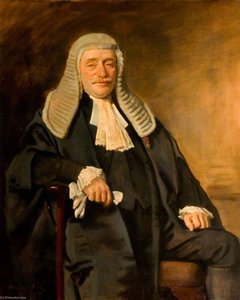
アーティストの略歴
Sir Peter Paul Rubens: バロックの巨匠、完璧な商人
Sir Peter Paul Rubensは、バロック美術における最も重要な芸術家の一人でありました。単なる画家ではありませんでした。彼は外交官、学者、そしてヨーロッパ文化を形作った建築家でもありました。ドイツのSiegenで生まれ、彼の幼少期は移動の中で特徴づけられ、これは彼の後の作品にドラマと感情的な深さを織り込む上で重要な役割を果たしました。彼の父Jan Rubensは、宗教的迫害から逃れるために信仰を持たないカルヴィニストの考えを持つ弁護士であり、彼はアンヴァールをスペイン統治下の都市から移動させました。この最初の疎散は彼に忍耐力と適応力を育み、彼の多様なキャリア全体を通して彼の特徴的な資質を反映しました。父の死後、彼はアンヴァールに戻り、そこで彼はトビアス・ヴェルハエヒットやアダム・ヴァン・ノオートの下で美術訓練を受け、基本的な技術を磨き上げました。しかし、オットー・ヴァン・フェーンとの時期はイタリアルネサンス美術への豊かな遺産に彼を暴露し、すぐにそれを熱烈に受け入れました。イタリアでの目覚めと芸術的合成
1600年にRubensはイタリアへ旅立ちました。これは彼の芸術的なビジョンを形作る上で変革的な旅でした。8年間彼はミケランジェロやラファエロやティチアンなどの偉大なルネサンスの傑作に没頭し、その形態、色彩、構成における卓越性を吸収しました。これらのルネサンス巨匠の影響は彼の初期イタリア作品に現れ、古典的なテーマと理想化された人物が特徴です。しかし、Rubensは単に模倣するのではなく、これらの影響を自身の才能で合成し、鮮やかな色調、ダイナミックな構成、そして人間の身体に対する官能的な描写という独自のスタイルを発展させました。彼は解剖学を詳細に研究し、人体を現実的に表現しながら感情的な力を帯びた人物を生み出しました。この時期は芸術的な発展だけでなく、古典文学への深い認識を育み、彼の作品のモチーフとして繰り返し現れることになります。彼はイタリアに戻った1608年に母親が亡くなり、すぐにアンヴァールに戻りました。彼女は彼の最初の妻であり、彼に愛し、大切にするべき人物でした。彼は結婚し、アンヴァールで豊かな暮らしを送りました。彼はスタジオを拡張し、彼の多くの生徒とアシスタントを受け入れました。彼は巨大なアルタピアを制作するために必要な技術的なスキルを習得しました。彼はまた、アンヴァールの裕福な都市に自宅を建てました。彼はイタリア風のスタイルで設計した壮大な家を建てました。彼はさらに、アンヴァールで彼を歓迎する王室入城を記念して、彼の生徒たちとアシスタントたちを雇いました。彼は健康状態を維持するために毎日午前4時に起床し、午後5時には乗馬をしていました。そして彼は完璧なプロフェッショナルとして振る舞い、寛大さ、丁寧さを誇り、特にビジネス取引において非常に優れた人物でした。彼の父親の死後、彼はアンヴァールで母親が亡くなり、彼は彼女を愛した女性と結婚しました。彼はイタリアで彼の最初の妻を失い、彼は彼女に愛し、大切にするべき人物でした。彼はイタリアで彼の最初の妻を失い、彼は彼女に愛し、大切にするべき人物でした。アンヴァールでの活躍と芸術的変革
Rubensはイタリアで美術訓練を受けました。彼はミケランジェロやラファエロやティチアンなどの偉大なルネサンスの傑作に没頭し、その形態、色彩、構成における卓越性を吸収しました。これらのルネサンス巨匠の影響は彼の初期イタリア作品に現れ、古典的なテーマと理想化された人物が特徴です。しかし、Rubensは単に模倣するのではなく、これらの影響を自身の才能で合成し、鮮やかな色調、ダイナミックな構成、そして人間の身体に対する官能的な描写という独自のスタイルを発展させました。彼は解剖学を詳細に研究し、人体を現実的に表現しながら感情的な力を帯びた人物を生み出しました。この時期は芸術的な発展だけでなく、古典文学への深い認識を育み、彼の作品のモチーフとして繰り返し現れることになります。彼はイタリアに戻った1608年に母親が亡くなり、すぐにアンヴァールに戻りました。彼女は彼の最初の妻であり、彼に愛し、大切にするべき人物でした。彼は結婚し、アンヴァールで豊かな暮らしを送りました。彼はスタジオを拡張し、彼の多くの生徒とアシスタントを受け入れました。彼は巨大なアルタピアを制作するために必要な技術的なスキルを習得しました。彼はまた、アンヴァールで彼を歓迎する王室入城を記念して、彼の生徒たちとアシスタントたちを雇いました。彼は健康状態を維持するために毎日午前4時に起床し、午後5時には乗馬をしていました。そして彼は完璧なプロフェッショナルとして振るい、寛大さ、丁寧さを誇り、特にビジネス取引において非常に優れた人物でした。彼はイタリアで彼の最初の妻を失い、彼は彼女に愛し、大切にするべき人物でした。彼はイタリアで彼の最初の妻を失い、彼は彼女に愛し、大切にするべき人物でした。彼はイタリアで彼の最初の妻を失い、彼は彼女に愛し、大切にするべき人物でした。彼はイタリアで彼の最初の妻を失い、彼は彼女に愛し、大切にするべき人物でした。彼はイタリアで彼の最初の妻を失い、彼は彼女に愛し、大切にするべき人物でした。彼はイタリアで彼の最初の妻を失い、彼は彼女に愛し、大切にするべき人物でした。彼はイタリアで彼の最初の妻を失い、彼は彼女に愛し、大切にするべき人物でした。彼はイタリアで彼の最初の妻を失い、彼は彼女に愛し、大切にするべき人物でした。彼はイタリアで彼の最初の妻を失い、彼は彼女に愛し、大切にするべき人物でした。彼はイタリアで彼の最初の妻を失い、彼は彼女に愛し、大切にするべき人物でした。彼はイタリアで彼の最初の妻を失い、彼は彼女に愛し、大切にするべき人物でした。彼はイタリアで彼の最初の妻を失い、彼は彼女に愛し、大切にするべき人物でした。彼はイタリアで彼の最初の妻を失い、彼は彼女に愛し、大切にするべき人物でした。彼はイタリアで彼の最初の妻を失い、彼は彼女に愛し、大切にするべき人物でした。彼はイタリアで彼の最初の妻を失い、彼は彼女に愛し、大切にするべき人物でした。彼はイタリアで彼の最初の妻を失い、彼は彼女に愛し、大切にするべき人物でした。彼はイタリアで彼の最初の妻を失い、彼は彼女に愛し、大切にするべき人物でした。彼はイタリアで彼の最初の妻を失い、彼は彼女に愛し、大切にするべき人物でした。彼はイタリアで彼の最初の妻を失い、彼は彼女に愛し、大切にするべき人物でした。彼はイタリアで彼の最初の妻を失い、彼は彼女に愛し、大切にするべき人物でした。彼はイタリアで彼の最初の妻を失い、彼は彼女に愛し、大切にするべき人物でした。彼はイタリアで彼の最初の妻を失い、彼は彼女に愛し、大切にするべき人物でした。彼はイタリアで彼の最初の妻を失い、彼は彼女に愛し、大切にするべき人物でした。彼はイタリアで彼の最初の妻を失い、彼は彼女に愛し、大切にするべき人物でした。彼はイタリアで彼の最初の妻を失い、彼は彼女に愛し、大切にするべき人物でした。彼はイタリアで彼の最初の妻を失い、彼は彼女に愛し、大切にするべき人物でした。彼はイタリアで彼の最初の妻を失い、彼は彼女に愛し、大切にするべき人物でした。彼はイタリアで彼の最初の妻を失い、彼は彼女に愛し、大切にするべき人物でした。彼はイタリアで彼の最初の妻を失い、彼は彼女に愛し、大切にするべき人物でした。彼はイタリアで彼の最初の妻を失い、彼は彼女に愛し、大切にするべき人物でした。彼はイタリアで彼の最初の妻を失い、彼は彼女に愛し、大切にするべき人物でした。彼はイタリアで彼の最初の妻を失い、彼は彼女に愛し、大切にするべき人物でした。彼はイタリアで彼の最初の妻を失い、彼は彼女に愛し、大切にするべき人物でした。彼はイタリアで彼の最初の妻を失い、彼は彼女に愛し、大切にするべき人物でした。彼はイタリアで彼の最初の妻を失い、彼は彼女に愛し、大切にするべき人物でした。彼はイタリアで彼の最初の妻を失い、彼は彼女に愛し、大切にするべき人物でした。彼はイタリアで彼の最初の妻を失い、彼は彼女に愛し、大切にするべき人物でした。彼はイタリアで彼の最初の妻を失い、彼は彼女に愛し、大切にするべき人物でした。彼はイタリアで彼の最初の妻を失い、彼は彼女に愛し、大切にするべき人物でした。彼はイタリアで彼の最初の妻を失い、彼は彼女に愛し、大切にするべき人物でした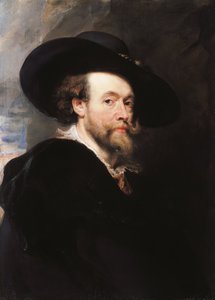
ルーベンス
1577 - 1640 , ドイツ
基本情報
- Artistic Movement Or Style: バロック美術
- Artists Or Movements Influenced By This Artist:
- アントニオ・ファン・ダイク
- ヤコブ・ヨルダンス
- Artists Who Influenced This Artist:
- ミケランジェロ
- ラファエロ
- ティツィアノ
- Date Of Birth: 1577年6月28日
- Date Of Death: 1640年5月30日
- Full Name: Sir Peter Paul Rubens
- Nationality: フランドル人
- Notable Artworks: ['十字架の降ろし']
- Place Of Birth: ドイツ・ジゲン
関連記事
Evolving Portraits: Personalized Art as a Chronicle of Family Life Across Generations
Create a timeless family legacy with custom portraits! ArtsDot connects you with skilled artists for heirloom-quality paintings & prints. Explore styles, commission your unique artwork today.
The Enduring Legacy of Family Portraiture: A Historical & Artistic Exploration
Explore the rich history of family portraiture with ArtsDot. Discover artistic styles, symbolism & collecting insights. Commission a custom oil painting or appraise your existing artwork today!
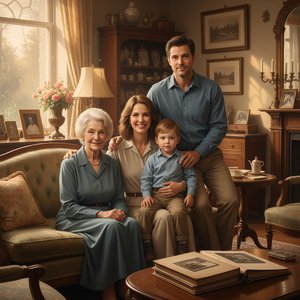
レガシーポートレートで家族の絆を永遠に:歴史と未来を結ぶアートの物語
レガシーポートレートで家族の絆を永遠に。ArtsDotは歴史と未来を結ぶ手描き油絵の専門家です。高品質・信頼性、30日返金保証付き。あなたの大切な瞬間を芸術へ変える価値ある選択です。
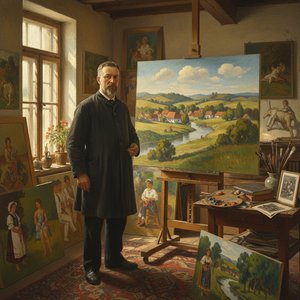
Károly Ferenczy: Pioneering Hungarian Modernism & the Soul of a Nation
Explore the life & art of Károly Ferenczy, a pivotal figure in Hungarian Modernism. Discover his landscapes, portraits, and role in founding the Nagybánya colony. Expert insights for collectors & enthusiasts.
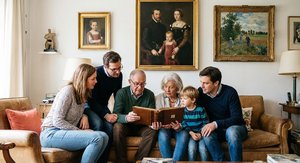
Depicting Kinship: Family Values Across Artistic Movements & Historical Contexts
Explore the rich history of depicting kinship in art! From Dutch Masters to contemporary artists, discover how family values have been represented across movements & time. Expert insights for collectors at ArtsDot.