 プレビュー
プレビュー
 プリントを購入
 シェアする
シェアする シェアする
シェアする
 詳細を見る
詳細を見る

 ダウンロード
 似ている作品
 X線調査
X線調査 スライドショー
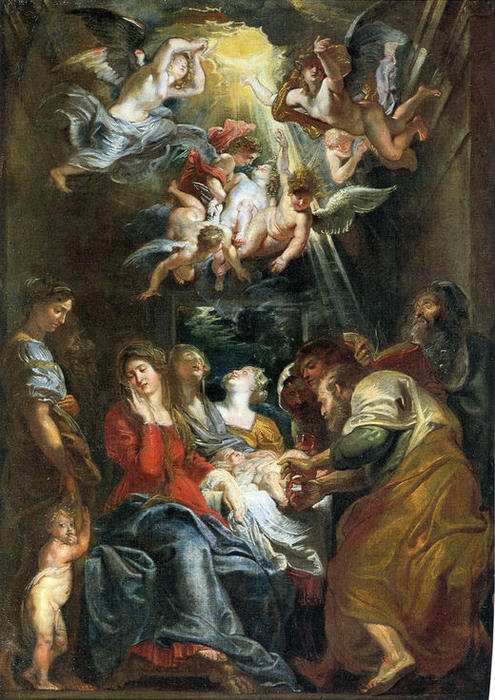
The Circumcision of Christ
 Oil On Panel
- Baroque
 1605
1605- Renaissance
 105.0 x 74.0 cm
 詳細を見る
詳細を見る




P118B $10

P118H $10

P118W $10

P438Z $10

P508JH $12

P508YH $12

P805H $10

P805Z $10

P919BZ $10

P919G $10

P919XJ $10

P959ZH $10

P968JZ $12

W106C $8

W218G $10

W218JH $8

W218Y $10

W307PJ $10

W316G $10

W316PJ $8

W316Y $10

W398PJ $8

W4111J $10

W500HY $15

W500JH $15

W692G $12

W849H $8

W940BG $15

W953PJ $8




作品のオリジナル比率に合わせた、当店の規定サイズからお選びください。

特定のフレームやスペースに合わせて、ご希望のサイズをご入力いただけます。選択されたサイズが元の画像の比率と異なる場合、アートワークをトリミングするか、手描きで要素を追加して絵画を拡張いたします。デジタルモックアップ を制作し、制作開始前にご確認(承認)をいただきます。
画面上のプレビューは、実際のトリミングや拡張を正確に反映しているものではありません。最終的な構図は、モックアップによってのみ正確にご確認いただけます。
カスタムサイズもご利用いただけますが、元の比率を維持するためには、あらかじめ用意されたリストからサイズを選択することをお勧めいたします。
ご注文後、ArtsDot.com チームより詳細な指示をお送りするとともに、仕上がりイメージ(モックアップ)をご提供いたします。


 ガラスオプションは、110cm未満のサイズでのみご利用いただけます。

The Circumcision of Christ
複製技法
複製画のサイズ
-


合計金額
$ 263
作品解説
The Sacred Ritual: Peter Paul Rubens’ “The Circumcision of Christ”
Peter Paul Rubens' "The Circumcision of Christ," painted in 1605, is more than just a depiction of a biblical event; it’s a vibrant testament to the artist’s mastery of Baroque drama and his profound understanding of religious iconography. This oil-on-panel masterpiece, measuring 105 x 74 cm, transports us to a moment of intimate reverence within the bustling heart of Jerusalem. Rubens doesn't simply record the event; he orchestrates it with an almost operatic intensity, capturing not just the physical act but also the palpable emotion surrounding it – the tenderness of Mary, the solemnity of Joseph, and the quiet anticipation of the attending figures.
The scene unfolds within a richly detailed interior space, likely inspired by depictions of the Temple in Jerusalem. The architecture is subtly rendered, serving primarily to frame the central action rather than dominate it. Rubens’ genius lies in his ability to infuse even a seemingly straightforward narrative with dynamism and movement. Note how Mary, bathed in a warm, golden light, cradles her infant Jesus – his tiny form already bearing the marks of the sacred rite. Joseph stands beside her, radiating quiet dignity and concern. The surrounding figures—angels, attendants, and perhaps members of the priestly class—are not mere background elements; each possesses distinct gestures and expressions, contributing to a sense of bustling activity and communal devotion.
A Baroque Symphony of Color and Light
Rubens was renowned for his masterful use of color, and “The Circumcision of Christ” is a prime example. He employs a rich palette—deep reds, vibrant blues, and earthy browns—to create a sense of opulent warmth and emotional intensity. The light source, seemingly originating from an unseen window above, dramatically illuminates the central figures, casting long shadows that heighten the drama. This use of *tenebrism*, borrowed from Caravaggio, is particularly effective in drawing our attention to the key elements of the scene – Mary’s face, Jesus’ tiny body, and Joseph's protective stance. The textures are also meticulously rendered—the folds of their garments, the smoothness of the baby’s skin—adding a remarkable level of realism and tactile quality.
Technically, Rubens utilized his signature *impasto* technique – applying thick layers of paint directly to the panel. This creates a palpable sense of surface texture, lending the painting an almost sculptural quality. The brushstrokes are visible, contributing to the overall dynamism and energy of the composition. Rubens’ meticulous attention to detail extends beyond mere representation; he sought to capture not just what was seen but also *how* it felt – the reverence, the tenderness, and the profound significance of this pivotal moment in Christian history.
Contextualizing a Marian Masterpiece
“The Circumcision of Christ” resides within a broader artistic tradition centered on Mary—Marian art has long been a cornerstone of Western religious iconography. The depiction of Mary as the Virgin Mother, holding her infant son, is deeply rooted in Mariology, the theological study of Mary’s role in salvation history. This painting reflects key Marian themes: Mary's perpetual virginity, her motherhood of God, and her central importance within the Christian narrative. The scene subtly echoes depictions of the *Madonna and Child* motif, a beloved subject throughout art history, but imbued with Rubens’ distinctive Baroque flair.
Furthermore, the painting speaks to the broader context of Baroque art—a period characterized by dramatic intensity, emotional expression, and a fascination with classical and Christian themes. Rubens' work exemplifies this trend, blending religious piety with theatrical grandeur. The composition itself mirrors the dynamism found in many Baroque paintings, creating a sense of movement and engagement that draws the viewer into the scene.
A Legacy Enduring Through Reproduction
Today, “The Circumcision of Christ” continues to captivate audiences with its beauty, drama, and profound spiritual resonance. It’s a powerful reminder of the enduring significance of religious narratives and the artistic genius of Peter Paul Rubens. ArtsDot offers meticulously crafted hand-painted reproductions that faithfully capture the essence of this masterpiece, allowing you to bring its timeless beauty into your home or office. Explore our collection today and experience the artistry of Rubens firsthand – a truly remarkable piece for art enthusiasts, collectors, and anyone seeking a touch of Baroque splendor.
Artist: Peter Paul Rubens
Painting Title: The Circumcision of Christ
Size: 105 x 74 cm
Medium: Oil On Panel
Style: Baroque
Date: 1605
For more information on Marian art and its significance, refer to the Wikipedia article on Marian Art in the Catholic Church.
関連作品

アーティストの略歴
Sir Peter Paul Rubens: バロックの巨匠、完璧な商人
Sir Peter Paul Rubensは、バロック美術における最も重要な芸術家の一人でありました。単なる画家ではありませんでした。彼は外交官、学者、そしてヨーロッパ文化を形作った建築家でもありました。ドイツのSiegenで生まれ、彼の幼少期は移動の中で特徴づけられ、これは彼の後の作品にドラマと感情的な深さを織り込む上で重要な役割を果たしました。彼の父Jan Rubensは、宗教的迫害から逃れるために信仰を持たないカルヴィニストの考えを持つ弁護士であり、彼はアンヴァールをスペイン統治下の都市から移動させました。この最初の疎散は彼に忍耐力と適応力を育み、彼の多様なキャリア全体を通して彼の特徴的な資質を反映しました。父の死後、彼はアンヴァールに戻り、そこで彼はトビアス・ヴェルハエヒットやアダム・ヴァン・ノオートの下で美術訓練を受け、基本的な技術を磨き上げました。しかし、オットー・ヴァン・フェーンとの時期はイタリアルネサンス美術への豊かな遺産に彼を暴露し、すぐにそれを熱烈に受け入れました。イタリアでの目覚めと芸術的合成
1600年にRubensはイタリアへ旅立ちました。これは彼の芸術的なビジョンを形作る上で変革的な旅でした。8年間彼はミケランジェロやラファエロやティチアンなどの偉大なルネサンスの傑作に没頭し、その形態、色彩、構成における卓越性を吸収しました。これらのルネサンス巨匠の影響は彼の初期イタリア作品に現れ、古典的なテーマと理想化された人物が特徴です。しかし、Rubensは単に模倣するのではなく、これらの影響を自身の才能で合成し、鮮やかな色調、ダイナミックな構成、そして人間の身体に対する官能的な描写という独自のスタイルを発展させました。彼は解剖学を詳細に研究し、人体を現実的に表現しながら感情的な力を帯びた人物を生み出しました。この時期は芸術的な発展だけでなく、古典文学への深い認識を育み、彼の作品のモチーフとして繰り返し現れることになります。彼はイタリアに戻った1608年に母親が亡くなり、すぐにアンヴァールに戻りました。彼女は彼の最初の妻であり、彼に愛し、大切にするべき人物でした。彼は結婚し、アンヴァールで豊かな暮らしを送りました。彼はスタジオを拡張し、彼の多くの生徒とアシスタントを受け入れました。彼は巨大なアルタピアを制作するために必要な技術的なスキルを習得しました。彼はまた、アンヴァールの裕福な都市に自宅を建てました。彼はイタリア風のスタイルで設計した壮大な家を建てました。彼はさらに、アンヴァールで彼を歓迎する王室入城を記念して、彼の生徒たちとアシスタントたちを雇いました。彼は健康状態を維持するために毎日午前4時に起床し、午後5時には乗馬をしていました。そして彼は完璧なプロフェッショナルとして振る舞い、寛大さ、丁寧さを誇り、特にビジネス取引において非常に優れた人物でした。彼の父親の死後、彼はアンヴァールで母親が亡くなり、彼は彼女を愛した女性と結婚しました。彼はイタリアで彼の最初の妻を失い、彼は彼女に愛し、大切にするべき人物でした。彼はイタリアで彼の最初の妻を失い、彼は彼女に愛し、大切にするべき人物でした。アンヴァールでの活躍と芸術的変革
Rubensはイタリアで美術訓練を受けました。彼はミケランジェロやラファエロやティチアンなどの偉大なルネサンスの傑作に没頭し、その形態、色彩、構成における卓越性を吸収しました。これらのルネサンス巨匠の影響は彼の初期イタリア作品に現れ、古典的なテーマと理想化された人物が特徴です。しかし、Rubensは単に模倣するのではなく、これらの影響を自身の才能で合成し、鮮やかな色調、ダイナミックな構成、そして人間の身体に対する官能的な描写という独自のスタイルを発展させました。彼は解剖学を詳細に研究し、人体を現実的に表現しながら感情的な力を帯びた人物を生み出しました。この時期は芸術的な発展だけでなく、古典文学への深い認識を育み、彼の作品のモチーフとして繰り返し現れることになります。彼はイタリアに戻った1608年に母親が亡くなり、すぐにアンヴァールに戻りました。彼女は彼の最初の妻であり、彼に愛し、大切にするべき人物でした。彼は結婚し、アンヴァールで豊かな暮らしを送りました。彼はスタジオを拡張し、彼の多くの生徒とアシスタントを受け入れました。彼は巨大なアルタピアを制作するために必要な技術的なスキルを習得しました。彼はまた、アンヴァールで彼を歓迎する王室入城を記念して、彼の生徒たちとアシスタントたちを雇いました。彼は健康状態を維持するために毎日午前4時に起床し、午後5時には乗馬をしていました。そして彼は完璧なプロフェッショナルとして振るい、寛大さ、丁寧さを誇り、特にビジネス取引において非常に優れた人物でした。彼はイタリアで彼の最初の妻を失い、彼は彼女に愛し、大切にするべき人物でした。彼はイタリアで彼の最初の妻を失い、彼は彼女に愛し、大切にするべき人物でした。彼はイタリアで彼の最初の妻を失い、彼は彼女に愛し、大切にするべき人物でした。彼はイタリアで彼の最初の妻を失い、彼は彼女に愛し、大切にするべき人物でした。彼はイタリアで彼の最初の妻を失い、彼は彼女に愛し、大切にするべき人物でした。彼はイタリアで彼の最初の妻を失い、彼は彼女に愛し、大切にするべき人物でした。彼はイタリアで彼の最初の妻を失い、彼は彼女に愛し、大切にするべき人物でした。彼はイタリアで彼の最初の妻を失い、彼は彼女に愛し、大切にするべき人物でした。彼はイタリアで彼の最初の妻を失い、彼は彼女に愛し、大切にするべき人物でした。彼はイタリアで彼の最初の妻を失い、彼は彼女に愛し、大切にするべき人物でした。彼はイタリアで彼の最初の妻を失い、彼は彼女に愛し、大切にするべき人物でした。彼はイタリアで彼の最初の妻を失い、彼は彼女に愛し、大切にするべき人物でした。彼はイタリアで彼の最初の妻を失い、彼は彼女に愛し、大切にするべき人物でした。彼はイタリアで彼の最初の妻を失い、彼は彼女に愛し、大切にするべき人物でした。彼はイタリアで彼の最初の妻を失い、彼は彼女に愛し、大切にするべき人物でした。彼はイタリアで彼の最初の妻を失い、彼は彼女に愛し、大切にするべき人物でした。彼はイタリアで彼の最初の妻を失い、彼は彼女に愛し、大切にするべき人物でした。彼はイタリアで彼の最初の妻を失い、彼は彼女に愛し、大切にするべき人物でした。彼はイタリアで彼の最初の妻を失い、彼は彼女に愛し、大切にするべき人物でした。彼はイタリアで彼の最初の妻を失い、彼は彼女に愛し、大切にするべき人物でした。彼はイタリアで彼の最初の妻を失い、彼は彼女に愛し、大切にするべき人物でした。彼はイタリアで彼の最初の妻を失い、彼は彼女に愛し、大切にするべき人物でした。彼はイタリアで彼の最初の妻を失い、彼は彼女に愛し、大切にするべき人物でした。彼はイタリアで彼の最初の妻を失い、彼は彼女に愛し、大切にするべき人物でした。彼はイタリアで彼の最初の妻を失い、彼は彼女に愛し、大切にするべき人物でした。彼はイタリアで彼の最初の妻を失い、彼は彼女に愛し、大切にするべき人物でした。彼はイタリアで彼の最初の妻を失い、彼は彼女に愛し、大切にするべき人物でした。彼はイタリアで彼の最初の妻を失い、彼は彼女に愛し、大切にするべき人物でした。彼はイタリアで彼の最初の妻を失い、彼は彼女に愛し、大切にするべき人物でした。彼はイタリアで彼の最初の妻を失い、彼は彼女に愛し、大切にするべき人物でした。彼はイタリアで彼の最初の妻を失い、彼は彼女に愛し、大切にするべき人物でした。彼はイタリアで彼の最初の妻を失い、彼は彼女に愛し、大切にするべき人物でした。彼はイタリアで彼の最初の妻を失い、彼は彼女に愛し、大切にするべき人物でした。彼はイタリアで彼の最初の妻を失い、彼は彼女に愛し、大切にするべき人物でした。彼はイタリアで彼の最初の妻を失い、彼は彼女に愛し、大切にするべき人物でした。彼はイタリアで彼の最初の妻を失い、彼は彼女に愛し、大切にするべき人物でした。彼はイタリアで彼の最初の妻を失い、彼は彼女に愛し、大切にするべき人物でした。彼はイタリアで彼の最初の妻を失い、彼は彼女に愛し、大切にするべき人物でした。彼はイタリアで彼の最初の妻を失い、彼は彼女に愛し、大切にするべき人物でした。彼はイタリアで彼の最初の妻を失い、彼は彼女に愛し、大切にするべき人物でした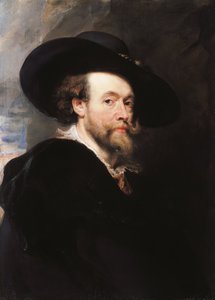
ルーベンス
1577 - 1640 , ドイツ
基本情報
- Artistic Movement Or Style: バロック美術
- Artists Or Movements Influenced By This Artist:
- アントニオ・ファン・ダイク
- ヤコブ・ヨルダンス
- Artists Who Influenced This Artist:
- ミケランジェロ
- ラファエロ
- ティツィアノ
- Date Of Birth: 1577年6月28日
- Date Of Death: 1640年5月30日
- Full Name: Sir Peter Paul Rubens
- Nationality: フランドル人
- Notable Artworks: ['十字架の降ろし']
- Place Of Birth: ドイツ・ジゲン
関連記事
Celestial Messengers: A Comprehensive Exploration of Angelic Representation in Art History
Explore the captivating history of angels in art! Discover symbolism, iconic Renaissance masterpieces & renowned artists. Expert insights for art lovers & collectors at ArtsDot.
Celestial Messengers: Angels in Painting – A Historical & Artistic Exploration
Explore the captivating history of angels in painting! Discover symbolism, iconic Renaissance & Byzantine masterpieces, and renowned artists. Expert insights for art lovers & collectors at ArtsDot.

The Dramatic Flourish: Exploring the Baroque Movement's Enduring Legacy in Art History
Explore the dramatic world of Baroque art! Discover iconic artists like Caravaggio & Rubens, defining techniques, and its lasting impact on art history. Expert insights for collectors & enthusiasts at ArtsDot.

バロック美術を極めた至宝:時代を彩る10大名作の世界
バロック美術の華!カラヴァッジョ、ベルニーニら巨匠が創り上げた10大名作を徹底解剖。ドラマチックな色彩と豪華絢爛の世界観に触れ、至宝のアートプリントで空間を彩ろう。ArtsDot.comで美術館品質の複製と洗練されたインテリアを見つけましょう!
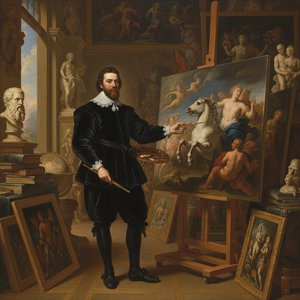
Peter Paul Rubens: A Baroque Master's Life, Legacy & Enduring Influence
Discover the life & art of Peter Paul Rubens, the most influential artist of the Flemish Baroque tradition. Explore his masterpieces, legacy, and impact on art history with ArtsDot.