 プレビュー
プレビュー
 プリントを購入
 シェアする
シェアする シェアする
シェアする
 詳細を見る
詳細を見る

 ダウンロード
 似ている作品
 X線調査
X線調査 スライドショー
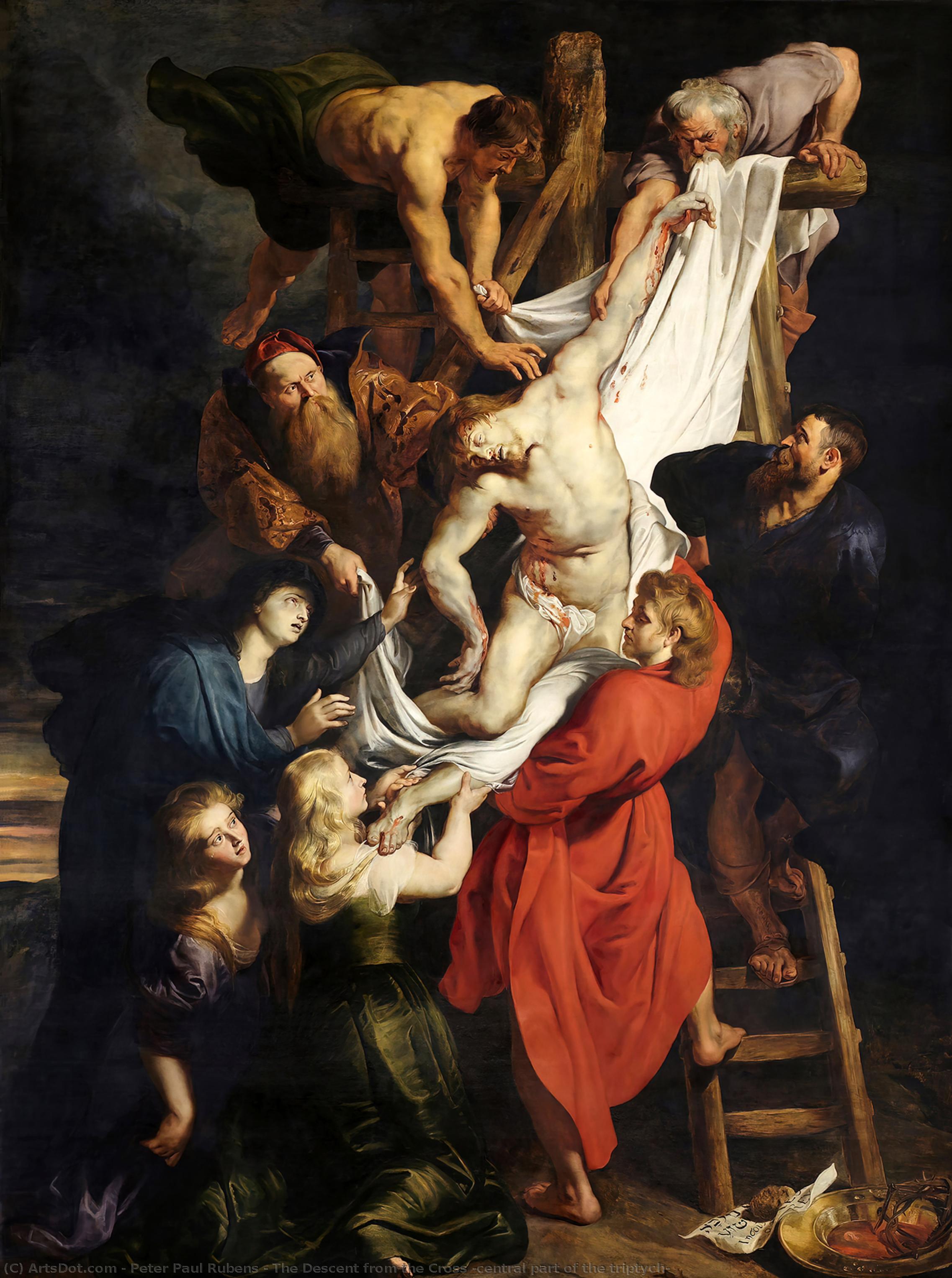
The Descent from the Cross (central part of the triptych)


 詳細を見る
詳細を見る




P118B $10

P118H $10

P118W $10

P438Z $10

P508JH $12

P508YH $12

P805H $10

P805Z $10

P919BZ $10

P919G $10

P919XJ $10

P959ZH $10

P968JZ $12

W106C $8

W218G $10

W218JH $8

W218Y $10

W307PJ $10

W316G $10

W316PJ $8

W316Y $10

W398PJ $8

W4111J $10

W500HY $15

W500JH $15

W692G $12

W849H $8

W940BG $15

W953PJ $8




作品のオリジナル比率に合わせた、当店の規定サイズからお選びください。

特定のフレームやスペースに合わせて、ご希望のサイズをご入力いただけます。選択されたサイズが元の画像の比率と異なる場合、アートワークをトリミングするか、手描きで要素を追加して絵画を拡張いたします。デジタルモックアップ を制作し、制作開始前にご確認(承認)をいただきます。
画面上のプレビューは、実際のトリミングや拡張を正確に反映しているものではありません。最終的な構図は、モックアップによってのみ正確にご確認いただけます。
カスタムサイズもご利用いただけますが、元の比率を維持するためには、あらかじめ用意されたリストからサイズを選択することをお勧めいたします。
ご注文後、ArtsDot.com チームより詳細な指示をお送りするとともに、仕上がりイメージ(モックアップ)をご提供いたします。


 ガラスオプションは、110cm未満のサイズでのみご利用いただけます。

The Descent from the Cross (central part of the triptych)
複製技法
複製画のサイズ
-


合計金額
$ 263
The Descent from the Cross (central part of the triptych)
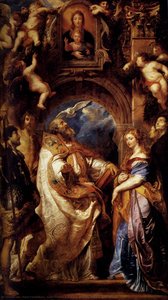
Peter Paul Rubens’ *Descent From The Cross* stands as an unparalleled testament to Baroque artistry, capturing not merely a biblical narrative but also the profound emotional core of Christian faith. Created between 1612 and 1614 for the Confraternity of the Arquebusiers in Antwerp Cathedral, Belgium—a commission reflecting the fervent piety of its patrons—this monumental triptych transcends mere visual representation; it’s an immersive experience designed to evoke contemplation and reverence. Rubens skillfully employed a technique known as *tenebrism*, dramatically juxtaposing pools of luminous light against deep shadows, mirroring the spiritual struggle between darkness and divine illumination that defines the scene.- Subject Matter: The painting depicts Jesus Christ’s descent from the cross after his crucifixion—a pivotal moment in Christian theology symbolizing redemption and sacrifice. Rubens meticulously rendered the figures involved: Jesus himself, Mary Magdalene, Saint John the Evangelist, Nicodemus, Joseph of Arimathea, and several other mourners who witness this solemn event.
- Style & Technique: Rubens’ Baroque style is characterized by dynamism, grandeur, and emotional intensity—traits perfectly embodied in *The Descent From The Cross*. He utilized a masterful blend of color palettes—rich reds, blues, and golds—to convey both sorrow and majesty. Rubens' meticulous attention to anatomical detail demonstrates his mastery of observation and scientific understanding, reflecting the humanist ideals prevalent during his time.
- Historical Context: Commissioned during the Counter-Reformation, *The Descent From The Cross* served as a powerful visual affirmation of Catholic faith amidst challenges from Protestantism. Rubens’ workshop in Antwerp was renowned for producing exceptional artworks that catered to aristocratic tastes and secured commissions across Europe—a reflection of the artistic flourishing of the era.
- Symbolism: Rubens infused the painting with symbolic elements reflecting Christian beliefs. The luminous light emanating from Christ's body symbolizes divine grace, while the dark shadows represent mortality and suffering. The careful positioning of figures underscores the importance of faith and compassion in confronting adversity.
- Emotional Impact: Viewing *The Descent From The Cross* is an emotionally resonant experience—one designed to stir feelings of grief, empathy, and spiritual contemplation. Rubens’ masterful use of chiaroscuro compels viewers to confront the gravity of Christ's sacrifice and invites reflection on themes of redemption and divine mercy.
Exploring Rubens’ Artistic Vision
Rubens’ approach to portraying religious subjects was revolutionary for its time, prioritizing emotional expression over idealized beauty—a departure from Mannerist conventions that preceded him. He sought to capture the visceral reality of human experience, conveying not just what happened but how it felt. This ambition is evident in his meticulous depiction of musculature and drapery, reflecting his profound understanding of anatomy and his fascination with classical sculpture. Rubens’ workshop produced numerous altarpieces, portraits, landscapes, and history paintings—establishing Antwerp as a center for artistic excellence during the Baroque period.ArtsDot: Bringing Rubens' Masterpiece Home
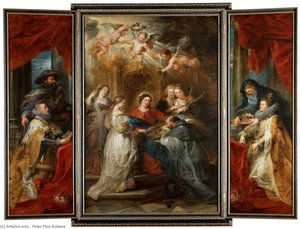
At ArtsDot, we recognize the enduring allure of Rubens’ *Descent From The Cross* and strive to capture its essence in exquisitely crafted oil painting reproductions. Our skilled artisans meticulously recreate the original artwork, ensuring that every nuance—from subtle color variations to textural subtleties—is faithfully preserved. For discerning collectors and interior designers seeking to infuse their spaces with artistic grandeur, ArtsDot offers a remarkable opportunity to own a tangible connection to one of Baroque art’s most iconic images. Explore The Descent from the Cross (central part of the triptych) and Altarpiece of St. Ildefonso (right panel)—and experience the transformative power of Rubens’ artistic legacy.関連作品

アーティストの略歴
Sir Peter Paul Rubens: バロックの巨匠、完璧な商人
Sir Peter Paul Rubensは、バロック美術における最も重要な芸術家の一人でありました。単なる画家ではありませんでした。彼は外交官、学者、そしてヨーロッパ文化を形作った建築家でもありました。ドイツのSiegenで生まれ、彼の幼少期は移動の中で特徴づけられ、これは彼の後の作品にドラマと感情的な深さを織り込む上で重要な役割を果たしました。彼の父Jan Rubensは、宗教的迫害から逃れるために信仰を持たないカルヴィニストの考えを持つ弁護士であり、彼はアンヴァールをスペイン統治下の都市から移動させました。この最初の疎散は彼に忍耐力と適応力を育み、彼の多様なキャリア全体を通して彼の特徴的な資質を反映しました。父の死後、彼はアンヴァールに戻り、そこで彼はトビアス・ヴェルハエヒットやアダム・ヴァン・ノオートの下で美術訓練を受け、基本的な技術を磨き上げました。しかし、オットー・ヴァン・フェーンとの時期はイタリアルネサンス美術への豊かな遺産に彼を暴露し、すぐにそれを熱烈に受け入れました。イタリアでの目覚めと芸術的合成
1600年にRubensはイタリアへ旅立ちました。これは彼の芸術的なビジョンを形作る上で変革的な旅でした。8年間彼はミケランジェロやラファエロやティチアンなどの偉大なルネサンスの傑作に没頭し、その形態、色彩、構成における卓越性を吸収しました。これらのルネサンス巨匠の影響は彼の初期イタリア作品に現れ、古典的なテーマと理想化された人物が特徴です。しかし、Rubensは単に模倣するのではなく、これらの影響を自身の才能で合成し、鮮やかな色調、ダイナミックな構成、そして人間の身体に対する官能的な描写という独自のスタイルを発展させました。彼は解剖学を詳細に研究し、人体を現実的に表現しながら感情的な力を帯びた人物を生み出しました。この時期は芸術的な発展だけでなく、古典文学への深い認識を育み、彼の作品のモチーフとして繰り返し現れることになります。彼はイタリアに戻った1608年に母親が亡くなり、すぐにアンヴァールに戻りました。彼女は彼の最初の妻であり、彼に愛し、大切にするべき人物でした。彼は結婚し、アンヴァールで豊かな暮らしを送りました。彼はスタジオを拡張し、彼の多くの生徒とアシスタントを受け入れました。彼は巨大なアルタピアを制作するために必要な技術的なスキルを習得しました。彼はまた、アンヴァールの裕福な都市に自宅を建てました。彼はイタリア風のスタイルで設計した壮大な家を建てました。彼はさらに、アンヴァールで彼を歓迎する王室入城を記念して、彼の生徒たちとアシスタントたちを雇いました。彼は健康状態を維持するために毎日午前4時に起床し、午後5時には乗馬をしていました。そして彼は完璧なプロフェッショナルとして振る舞い、寛大さ、丁寧さを誇り、特にビジネス取引において非常に優れた人物でした。彼の父親の死後、彼はアンヴァールで母親が亡くなり、彼は彼女を愛した女性と結婚しました。彼はイタリアで彼の最初の妻を失い、彼は彼女に愛し、大切にするべき人物でした。彼はイタリアで彼の最初の妻を失い、彼は彼女に愛し、大切にするべき人物でした。アンヴァールでの活躍と芸術的変革
Rubensはイタリアで美術訓練を受けました。彼はミケランジェロやラファエロやティチアンなどの偉大なルネサンスの傑作に没頭し、その形態、色彩、構成における卓越性を吸収しました。これらのルネサンス巨匠の影響は彼の初期イタリア作品に現れ、古典的なテーマと理想化された人物が特徴です。しかし、Rubensは単に模倣するのではなく、これらの影響を自身の才能で合成し、鮮やかな色調、ダイナミックな構成、そして人間の身体に対する官能的な描写という独自のスタイルを発展させました。彼は解剖学を詳細に研究し、人体を現実的に表現しながら感情的な力を帯びた人物を生み出しました。この時期は芸術的な発展だけでなく、古典文学への深い認識を育み、彼の作品のモチーフとして繰り返し現れることになります。彼はイタリアに戻った1608年に母親が亡くなり、すぐにアンヴァールに戻りました。彼女は彼の最初の妻であり、彼に愛し、大切にするべき人物でした。彼は結婚し、アンヴァールで豊かな暮らしを送りました。彼はスタジオを拡張し、彼の多くの生徒とアシスタントを受け入れました。彼は巨大なアルタピアを制作するために必要な技術的なスキルを習得しました。彼はまた、アンヴァールで彼を歓迎する王室入城を記念して、彼の生徒たちとアシスタントたちを雇いました。彼は健康状態を維持するために毎日午前4時に起床し、午後5時には乗馬をしていました。そして彼は完璧なプロフェッショナルとして振るい、寛大さ、丁寧さを誇り、特にビジネス取引において非常に優れた人物でした。彼はイタリアで彼の最初の妻を失い、彼は彼女に愛し、大切にするべき人物でした。彼はイタリアで彼の最初の妻を失い、彼は彼女に愛し、大切にするべき人物でした。彼はイタリアで彼の最初の妻を失い、彼は彼女に愛し、大切にするべき人物でした。彼はイタリアで彼の最初の妻を失い、彼は彼女に愛し、大切にするべき人物でした。彼はイタリアで彼の最初の妻を失い、彼は彼女に愛し、大切にするべき人物でした。彼はイタリアで彼の最初の妻を失い、彼は彼女に愛し、大切にするべき人物でした。彼はイタリアで彼の最初の妻を失い、彼は彼女に愛し、大切にするべき人物でした。彼はイタリアで彼の最初の妻を失い、彼は彼女に愛し、大切にするべき人物でした。彼はイタリアで彼の最初の妻を失い、彼は彼女に愛し、大切にするべき人物でした。彼はイタリアで彼の最初の妻を失い、彼は彼女に愛し、大切にするべき人物でした。彼はイタリアで彼の最初の妻を失い、彼は彼女に愛し、大切にするべき人物でした。彼はイタリアで彼の最初の妻を失い、彼は彼女に愛し、大切にするべき人物でした。彼はイタリアで彼の最初の妻を失い、彼は彼女に愛し、大切にするべき人物でした。彼はイタリアで彼の最初の妻を失い、彼は彼女に愛し、大切にするべき人物でした。彼はイタリアで彼の最初の妻を失い、彼は彼女に愛し、大切にするべき人物でした。彼はイタリアで彼の最初の妻を失い、彼は彼女に愛し、大切にするべき人物でした。彼はイタリアで彼の最初の妻を失い、彼は彼女に愛し、大切にするべき人物でした。彼はイタリアで彼の最初の妻を失い、彼は彼女に愛し、大切にするべき人物でした。彼はイタリアで彼の最初の妻を失い、彼は彼女に愛し、大切にするべき人物でした。彼はイタリアで彼の最初の妻を失い、彼は彼女に愛し、大切にするべき人物でした。彼はイタリアで彼の最初の妻を失い、彼は彼女に愛し、大切にするべき人物でした。彼はイタリアで彼の最初の妻を失い、彼は彼女に愛し、大切にするべき人物でした。彼はイタリアで彼の最初の妻を失い、彼は彼女に愛し、大切にするべき人物でした。彼はイタリアで彼の最初の妻を失い、彼は彼女に愛し、大切にするべき人物でした。彼はイタリアで彼の最初の妻を失い、彼は彼女に愛し、大切にするべき人物でした。彼はイタリアで彼の最初の妻を失い、彼は彼女に愛し、大切にするべき人物でした。彼はイタリアで彼の最初の妻を失い、彼は彼女に愛し、大切にするべき人物でした。彼はイタリアで彼の最初の妻を失い、彼は彼女に愛し、大切にするべき人物でした。彼はイタリアで彼の最初の妻を失い、彼は彼女に愛し、大切にするべき人物でした。彼はイタリアで彼の最初の妻を失い、彼は彼女に愛し、大切にするべき人物でした。彼はイタリアで彼の最初の妻を失い、彼は彼女に愛し、大切にするべき人物でした。彼はイタリアで彼の最初の妻を失い、彼は彼女に愛し、大切にするべき人物でした。彼はイタリアで彼の最初の妻を失い、彼は彼女に愛し、大切にするべき人物でした。彼はイタリアで彼の最初の妻を失い、彼は彼女に愛し、大切にするべき人物でした。彼はイタリアで彼の最初の妻を失い、彼は彼女に愛し、大切にするべき人物でした。彼はイタリアで彼の最初の妻を失い、彼は彼女に愛し、大切にするべき人物でした。彼はイタリアで彼の最初の妻を失い、彼は彼女に愛し、大切にするべき人物でした。彼はイタリアで彼の最初の妻を失い、彼は彼女に愛し、大切にするべき人物でした。彼はイタリアで彼の最初の妻を失い、彼は彼女に愛し、大切にするべき人物でした。彼はイタリアで彼の最初の妻を失い、彼は彼女に愛し、大切にするべき人物でした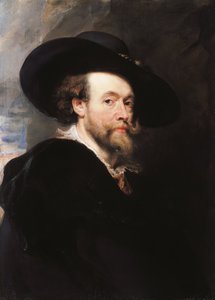
ルーベンス
1577 - 1640 , ドイツ
基本情報
- Artistic Movement Or Style: バロック美術
- Artists Or Movements Influenced By This Artist:
- アントニオ・ファン・ダイク
- ヤコブ・ヨルダンス
- Artists Who Influenced This Artist:
- ミケランジェロ
- ラファエロ
- ティツィアノ
- Date Of Birth: 1577年6月28日
- Date Of Death: 1640年5月30日
- Full Name: Sir Peter Paul Rubens
- Nationality: フランドル人
- Notable Artworks: ['十字架の降ろし']
- Place Of Birth: ドイツ・ジゲン
関連記事
Peter Paul Rubens: A Baroque Master's Life, Legacy & Enduring Influence
Discover the life & art of Peter Paul Rubens, the most influential artist of the Flemish Baroque tradition. Explore his masterpieces, legacy, and impact on art history with ArtsDot.

The Dramatic Flourish: Exploring the Baroque Movement's Enduring Legacy in Art History
Explore the dramatic world of Baroque art! Discover iconic artists like Caravaggio & Rubens, defining techniques, and its lasting impact on art history. Expert insights for collectors & enthusiasts at ArtsDot.

バロック美術を極めた至宝:時代を彩る10大名作の世界
バロック美術の華!カラヴァッジョ、ベルニーニら巨匠が創り上げた10大名作を徹底解剖。ドラマチックな色彩と豪華絢爛の世界観に触れ、至宝のアートプリントで空間を彩ろう。ArtsDot.comで美術館品質の複製と洗練されたインテリアを見つけましょう!
ミュンヘン・アルテ・ピナコテークの至宝25選:名画と芸術の物語 | ArtsDot
ミュンヘン・アルテ・ピナコテークの至宝25選。ドゥーラー、ラファエロ、レンブラントの名画を紐解き、ルネサンス美術とバロック美術の輝きをご堪能ください。ArtsDotで高品質なアートプリントや複製画を見つけ、お部屋に芸術の彩りを。今すぐコレクションをご覧ください。

The Visceral Stage: Exploring Dramatic Narratives & Emotional Intensity in Baroque Art
Explore the dramatic world of Baroque art! Discover iconic masters like Caravaggio & Rembrandt, their techniques, and the movement's lasting impact. Expert insights for collectors & enthusiasts at ArtsDot.