

 プレビュー
プレビュー
 プリントを購入
 シェアする
シェアする シェアする
シェアする
 詳細を見る
詳細を見る

 ダウンロード
 似ている作品
 X線調査
X線調査 スライドショー
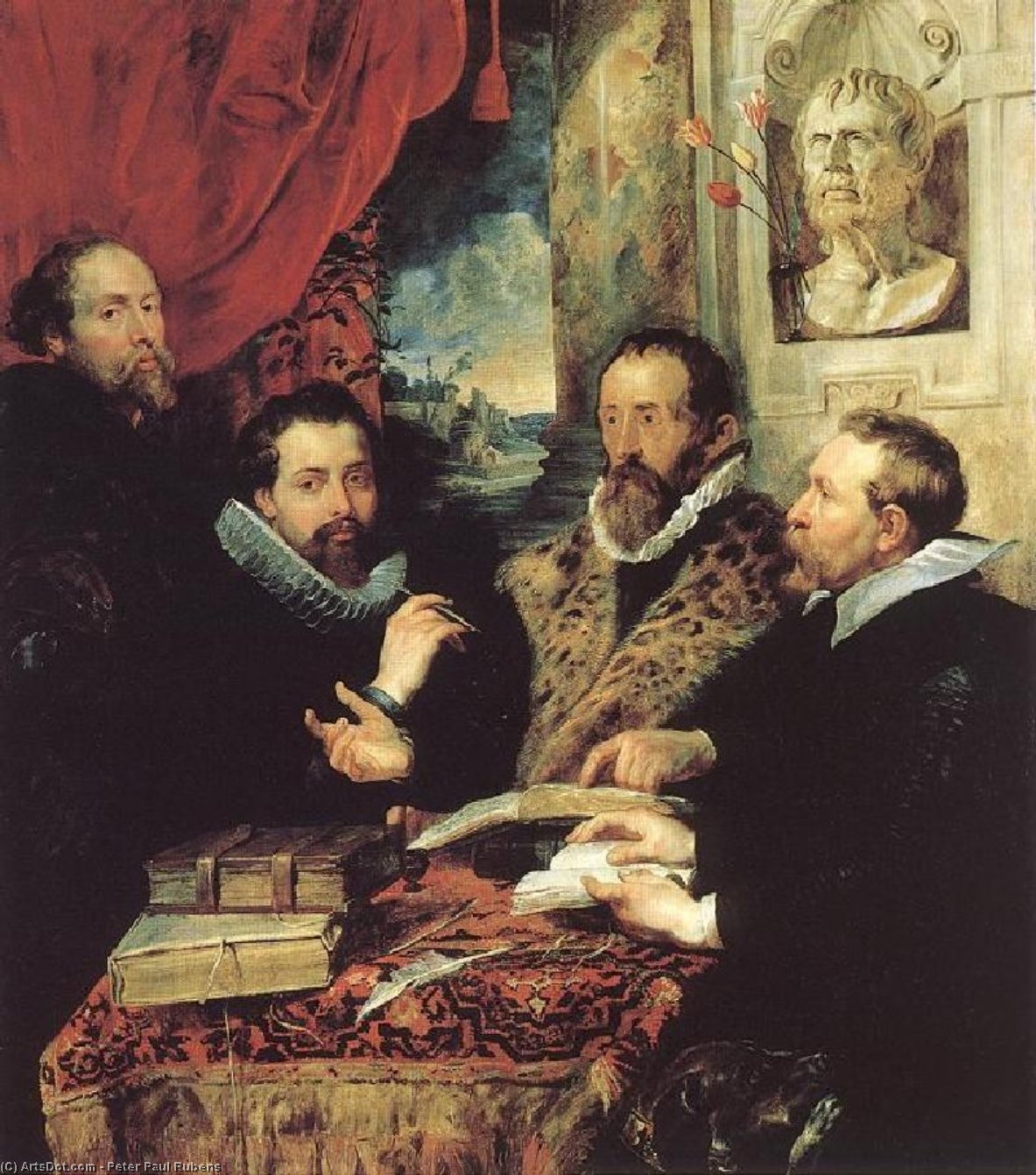
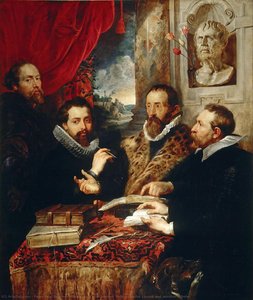
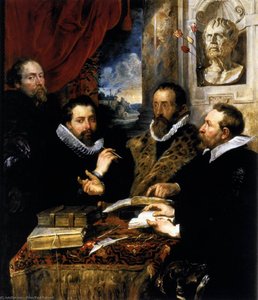
The Four Philosophers
 キャンバスに油彩
- ウォールアート
- Baroque
 1602
1602- Renaissance
 167.0 x 148.0 cm
 詳細を見る
詳細を見る
オンラインプレビューをはるかに凌ぐ、高解像度で鮮明なデジタル画像をご購入いただけます。
各ファイルは、社内の専門家が高度なツールと熟練した手作業によるレタッチを用いて、細心の注意を払って準備されています。すべての画像において、卓越した鮮明度、正確な色彩再現性、そして繊細なディテールを保証いたします。
最終ファイルは、プロフェッショナルな編集・印刷環境ですぐにご利用いただけるよう最適化された状態で、72時間以内にメールにてお届けいたします。これは、一流のデザインスタジオ、出版社、ギャラリーから信頼されているものと同等の品質です。
デジタル画像のご注文に付随する特典
高品質なデジタル画像配信を、確かな品質で。
ArtsDot.com を選ぶことは、単に画像を手に入れることではありません。それは、プロの手によって精密に仕上げられ、満足保証が付いた高品質なデジタルアートワークを受け取ることを意味します。ご注文いただいた際に自動的に付随する内容は、以下の通りです:

メールですぐにお届け
ご注文から72時間以内に、高解像度のデジタル画像ファイルがメールでお手元に届きます。すぐにそのままご利用いただけます。

AI技術で最適化されたデジタルファイル
お客様の作品は、高度なAIツールと専門家による手作業の編集を組み合わせてプロフェッショナルに最適化されており、細部のディテール、鮮明さ、そして正確な色再現性を最大限に引き出しています。

一生涯無料の再送サービス
ファイルを誤って削除したり、紛失してしまったりしましたか?ご安心ください。いつでも無料で再送いたします。

輸入手数料は一切かかりません
関税や手数料、配送料を気にすることなく、お気に入りのアートワークをすぐにお楽しみいただけます。デジタルダウンロードは常に免税です。

色彩再現の保証
プロ仕様のツールとカラーマネジメント技術を用いることで、デジタル画像が元の色を最大限に忠実に再現することを保証いたします。

60日間満足保証
ご購入いただいたデジタル画像にご満足いただけない場合は、60日以内であれば、修正または100%の返金(理由を問う必要はありません)をさせていただきます。

100% 返金保証
ご満足いただけない場合は、デジタルファイルを受け取ってから60日以内であれば、理由を問わず全額返金いたします。

まとめ買い割引
3枚購入で10%OFF - 5枚購入で15%OFF - 10枚以上購入で20%OFF。クリエイティブなプロジェクト、ギャラリー、エージェンシーに最適です。
作品の詳細
A Gathering of Minds: Peter Paul Rubens’ “The Four Philosophers”
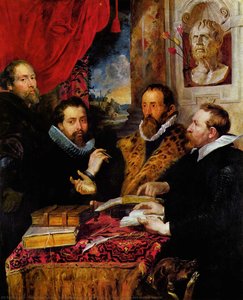
Peter Paul Rubens' "The Four Philosophers," painted in 1602, isn’t merely a portrait; it’s a vibrant tableau vivant – a snapshot of intellectual fervor captured with breathtaking dynamism. This oil-on-canvas masterpiece, measuring 167 x 148 cm, transports us to a richly appointed chamber where the weighty matters of philosophy and learning are passionately debated. Rubens, a master of Baroque intensity, doesn’t offer a static representation but instead conjures an atmosphere brimming with animated discussion, inviting the viewer into this intimate circle of thinkers. The painting immediately draws the eye with its rich palette – deep reds, blues, and golds dominate, creating a sense of opulent warmth that contrasts beautifully with the cool light illuminating the scene.
The composition itself is a marvel of controlled chaos. Four men, identified as Peter Paul Rubens himself, his brother Philip Rubens, Justus Lipsius, and Joannes Woverius, are clustered around a substantial dining table, its surface scattered with books and partially consumed food – a deliberate detail suggesting the pursuit of knowledge often intertwines with sustenance and convivial exchange. Each figure is rendered with meticulous attention to detail; their gestures, expressions, and clothing speak volumes about their personalities and intellectual pursuits. Notice, for instance, Lipsius’s commanding presence, his hand raised in gesture as if mid-sentence, or the contemplative gaze of Woverius. The background, featuring a bust of Seneca – a key figure in Stoic philosophy – subtly reinforces the painting's central theme.
The Seeds of Neostoicism and Renaissance Influence
“The Four Philosophers” emerged during a pivotal moment in European intellectual history: the rise of Neostoicism. Founded by Justus Lipsius, this philosophical movement sought to revive the principles of Stoicism – emphasizing reason, virtue, and acceptance of fate – amidst the turmoil of religious and political upheaval. Rubens, deeply immersed in classical learning, skillfully incorporates these ideas into his depiction. The painting isn’t simply a record of a specific gathering; it's an embodiment of the Neostoic ideal of intellectual discourse as a path to wisdom and self-improvement. Rubens himself was a fervent admirer of classical antiquity, and this influence is evident throughout his oeuvre – from the careful study of anatomy to the dramatic use of light and shadow reminiscent of Caravaggio’s *tenebrism*.
Furthermore, the setting itself offers clues to the painting's context. The room’s abundance of books and paintings echoes the intellectual atmosphere of the burgeoning libraries and academies that were becoming increasingly prevalent in Renaissance Europe. Interestingly, there’s a subtle parallel with the Duluth Public Library, a modern institution designed to seamlessly blend library services with an art museum – a space dedicated to both knowledge and aesthetic appreciation. This deliberate juxtaposition highlights the interconnectedness of learning and beauty, a central tenet of Rubens' artistic philosophy.
Technique and the Baroque Master
Rubens’ mastery of oil paint is immediately apparent in the painting’s rich textures and luminous colors. He employed a technique known as *alla prima*, working directly onto the canvas without extensive underpainting, resulting in a remarkably fluid and vibrant surface. The use of loose brushstrokes creates a sense of movement and energy, capturing the dynamism of the conversation unfolding before us. The artist's ability to render human form with such anatomical accuracy – a skill honed during his early training – is equally impressive. Consider, for example, the way Rubens captures the folds of fabric, the subtle nuances of facial expression, and the weight of each figure’s body.
Rubens’ approach also bears resemblance to Johannes Vermeer's work, particularly in his use of light to create a sense of depth and realism. However, while Vermeer often favored a more subdued palette and intimate settings, Rubens embraces a grander scale and a more theatrical presentation. “The Four Philosophers” is a testament to Rubens’ versatility as an artist – a masterful blend of classical learning, Renaissance influences, and Baroque dynamism.
A Timeless Dialogue: Acquiring a Reproduction
For those captivated by the intellectual intensity and artistic brilliance of “The Four Philosophers,” Peter Paul Rubens: The Four Philosophers is now available as a meticulously crafted, handmade oil painting reproduction on ArtsDot. This platform ensures that you receive a faithful representation of the original masterpiece, capturing its vibrant colors, dynamic composition, and profound sense of intellectual engagement. Whether displayed in your study, living room, or art gallery, this reproduction will serve as a constant reminder of the enduring power of human intellect and artistic expression.
関連作品

作家の略歴
Sir Peter Paul Rubens: バロックの巨匠、完璧な商人
Sir Peter Paul Rubensは、バロック美術における最も重要な芸術家の一人でありました。単なる画家ではありませんでした。彼は外交官、学者、そしてヨーロッパ文化を形作った建築家でもありました。ドイツのSiegenで生まれ、彼の幼少期は移動の中で特徴づけられ、これは彼の後の作品にドラマと感情的な深さを織り込む上で重要な役割を果たしました。彼の父Jan Rubensは、宗教的迫害から逃れるために信仰を持たないカルヴィニストの考えを持つ弁護士であり、彼はアンヴァールをスペイン統治下の都市から移動させました。この最初の疎散は彼に忍耐力と適応力を育み、彼の多様なキャリア全体を通して彼の特徴的な資質を反映しました。父の死後、彼はアンヴァールに戻り、そこで彼はトビアス・ヴェルハエヒットやアダム・ヴァン・ノオートの下で美術訓練を受け、基本的な技術を磨き上げました。しかし、オットー・ヴァン・フェーンとの時期はイタリアルネサンス美術への豊かな遺産に彼を暴露し、すぐにそれを熱烈に受け入れました。イタリアでの目覚めと芸術的合成
1600年にRubensはイタリアへ旅立ちました。これは彼の芸術的なビジョンを形作る上で変革的な旅でした。8年間彼はミケランジェロやラファエロやティチアンなどの偉大なルネサンスの傑作に没頭し、その形態、色彩、構成における卓越性を吸収しました。これらのルネサンス巨匠の影響は彼の初期イタリア作品に現れ、古典的なテーマと理想化された人物が特徴です。しかし、Rubensは単に模倣するのではなく、これらの影響を自身の才能で合成し、鮮やかな色調、ダイナミックな構成、そして人間の身体に対する官能的な描写という独自のスタイルを発展させました。彼は解剖学を詳細に研究し、人体を現実的に表現しながら感情的な力を帯びた人物を生み出しました。この時期は芸術的な発展だけでなく、古典文学への深い認識を育み、彼の作品のモチーフとして繰り返し現れることになります。彼はイタリアに戻った1608年に母親が亡くなり、すぐにアンヴァールに戻りました。彼女は彼の最初の妻であり、彼に愛し、大切にするべき人物でした。彼は結婚し、アンヴァールで豊かな暮らしを送りました。彼はスタジオを拡張し、彼の多くの生徒とアシスタントを受け入れました。彼は巨大なアルタピアを制作するために必要な技術的なスキルを習得しました。彼はまた、アンヴァールの裕福な都市に自宅を建てました。彼はイタリア風のスタイルで設計した壮大な家を建てました。彼はさらに、アンヴァールで彼を歓迎する王室入城を記念して、彼の生徒たちとアシスタントたちを雇いました。彼は健康状態を維持するために毎日午前4時に起床し、午後5時には乗馬をしていました。そして彼は完璧なプロフェッショナルとして振る舞い、寛大さ、丁寧さを誇り、特にビジネス取引において非常に優れた人物でした。彼の父親の死後、彼はアンヴァールで母親が亡くなり、彼は彼女を愛した女性と結婚しました。彼はイタリアで彼の最初の妻を失い、彼は彼女に愛し、大切にするべき人物でした。彼はイタリアで彼の最初の妻を失い、彼は彼女に愛し、大切にするべき人物でした。アンヴァールでの活躍と芸術的変革
Rubensはイタリアで美術訓練を受けました。彼はミケランジェロやラファエロやティチアンなどの偉大なルネサンスの傑作に没頭し、その形態、色彩、構成における卓越性を吸収しました。これらのルネサンス巨匠の影響は彼の初期イタリア作品に現れ、古典的なテーマと理想化された人物が特徴です。しかし、Rubensは単に模倣するのではなく、これらの影響を自身の才能で合成し、鮮やかな色調、ダイナミックな構成、そして人間の身体に対する官能的な描写という独自のスタイルを発展させました。彼は解剖学を詳細に研究し、人体を現実的に表現しながら感情的な力を帯びた人物を生み出しました。この時期は芸術的な発展だけでなく、古典文学への深い認識を育み、彼の作品のモチーフとして繰り返し現れることになります。彼はイタリアに戻った1608年に母親が亡くなり、すぐにアンヴァールに戻りました。彼女は彼の最初の妻であり、彼に愛し、大切にするべき人物でした。彼は結婚し、アンヴァールで豊かな暮らしを送りました。彼はスタジオを拡張し、彼の多くの生徒とアシスタントを受け入れました。彼は巨大なアルタピアを制作するために必要な技術的なスキルを習得しました。彼はまた、アンヴァールで彼を歓迎する王室入城を記念して、彼の生徒たちとアシスタントたちを雇いました。彼は健康状態を維持するために毎日午前4時に起床し、午後5時には乗馬をしていました。そして彼は完璧なプロフェッショナルとして振るい、寛大さ、丁寧さを誇り、特にビジネス取引において非常に優れた人物でした。彼はイタリアで彼の最初の妻を失い、彼は彼女に愛し、大切にするべき人物でした。彼はイタリアで彼の最初の妻を失い、彼は彼女に愛し、大切にするべき人物でした。彼はイタリアで彼の最初の妻を失い、彼は彼女に愛し、大切にするべき人物でした。彼はイタリアで彼の最初の妻を失い、彼は彼女に愛し、大切にするべき人物でした。彼はイタリアで彼の最初の妻を失い、彼は彼女に愛し、大切にするべき人物でした。彼はイタリアで彼の最初の妻を失い、彼は彼女に愛し、大切にするべき人物でした。彼はイタリアで彼の最初の妻を失い、彼は彼女に愛し、大切にするべき人物でした。彼はイタリアで彼の最初の妻を失い、彼は彼女に愛し、大切にするべき人物でした。彼はイタリアで彼の最初の妻を失い、彼は彼女に愛し、大切にするべき人物でした。彼はイタリアで彼の最初の妻を失い、彼は彼女に愛し、大切にするべき人物でした。彼はイタリアで彼の最初の妻を失い、彼は彼女に愛し、大切にするべき人物でした。彼はイタリアで彼の最初の妻を失い、彼は彼女に愛し、大切にするべき人物でした。彼はイタリアで彼の最初の妻を失い、彼は彼女に愛し、大切にするべき人物でした。彼はイタリアで彼の最初の妻を失い、彼は彼女に愛し、大切にするべき人物でした。彼はイタリアで彼の最初の妻を失い、彼は彼女に愛し、大切にするべき人物でした。彼はイタリアで彼の最初の妻を失い、彼は彼女に愛し、大切にするべき人物でした。彼はイタリアで彼の最初の妻を失い、彼は彼女に愛し、大切にするべき人物でした。彼はイタリアで彼の最初の妻を失い、彼は彼女に愛し、大切にするべき人物でした。彼はイタリアで彼の最初の妻を失い、彼は彼女に愛し、大切にするべき人物でした。彼はイタリアで彼の最初の妻を失い、彼は彼女に愛し、大切にするべき人物でした。彼はイタリアで彼の最初の妻を失い、彼は彼女に愛し、大切にするべき人物でした。彼はイタリアで彼の最初の妻を失い、彼は彼女に愛し、大切にするべき人物でした。彼はイタリアで彼の最初の妻を失い、彼は彼女に愛し、大切にするべき人物でした。彼はイタリアで彼の最初の妻を失い、彼は彼女に愛し、大切にするべき人物でした。彼はイタリアで彼の最初の妻を失い、彼は彼女に愛し、大切にするべき人物でした。彼はイタリアで彼の最初の妻を失い、彼は彼女に愛し、大切にするべき人物でした。彼はイタリアで彼の最初の妻を失い、彼は彼女に愛し、大切にするべき人物でした。彼はイタリアで彼の最初の妻を失い、彼は彼女に愛し、大切にするべき人物でした。彼はイタリアで彼の最初の妻を失い、彼は彼女に愛し、大切にするべき人物でした。彼はイタリアで彼の最初の妻を失い、彼は彼女に愛し、大切にするべき人物でした。彼はイタリアで彼の最初の妻を失い、彼は彼女に愛し、大切にするべき人物でした。彼はイタリアで彼の最初の妻を失い、彼は彼女に愛し、大切にするべき人物でした。彼はイタリアで彼の最初の妻を失い、彼は彼女に愛し、大切にするべき人物でした。彼はイタリアで彼の最初の妻を失い、彼は彼女に愛し、大切にするべき人物でした。彼はイタリアで彼の最初の妻を失い、彼は彼女に愛し、大切にするべき人物でした。彼はイタリアで彼の最初の妻を失い、彼は彼女に愛し、大切にするべき人物でした。彼はイタリアで彼の最初の妻を失い、彼は彼女に愛し、大切にするべき人物でした。彼はイタリアで彼の最初の妻を失い、彼は彼女に愛し、大切にするべき人物でした。彼はイタリアで彼の最初の妻を失い、彼は彼女に愛し、大切にするべき人物でした。彼はイタリアで彼の最初の妻を失い、彼は彼女に愛し、大切にするべき人物でした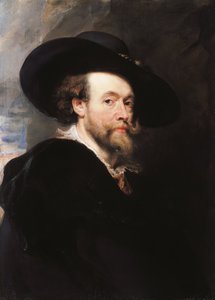
ルーベンス
1577 - 1640 , ドイツ
プロフィール概要
- Artistic Movement Or Style: バロック美術
- Artists Or Movements Influenced By This Artist:
- アントニオ・ファン・ダイク
- ヤコブ・ヨルダンス
- Artists Who Influenced This Artist:
- ミケランジェロ
- ラファエロ
- ティツィアノ
- Date Of Birth: 1577年6月28日
- Date Of Death: 1640年5月30日
- Full Name: Sir Peter Paul Rubens
- Nationality: フランドル人
- Notable Artworks: ['十字架の降ろし']
- Place Of Birth: ドイツ・ジゲン

