 プレビュー
プレビュー
 プリントを購入
 シェアする
シェアする シェアする
シェアする
 詳細を見る
詳細を見る

 ダウンロード
 似ている作品
 X線調査
X線調査 スライドショー
The Sacrifice of the Old Covenant


 詳細を見る
詳細を見る




P118B $10

P118H $10

P118W $10

P438Z $10

P508JH $12

P508YH $12

P805H $10

P805Z $10

P919BZ $10

P919G $10

P919XJ $10

P959ZH $10

P968JZ $12

W106C $8

W218G $10

W218JH $8

W218Y $10

W307PJ $10

W316G $10

W316PJ $8

W316Y $10

W398PJ $8

W4111J $10

W500HY $15

W500JH $15

W692G $12

W849H $8

W940BG $15

W953PJ $8




作品のオリジナル比率に合わせた、当店の規定サイズからお選びください。

特定のフレームやスペースに合わせて、ご希望のサイズをご入力いただけます。選択されたサイズが元の画像の比率と異なる場合、アートワークをトリミングするか、手描きで要素を追加して絵画を拡張いたします。デジタルモックアップ を制作し、制作開始前にご確認(承認)をいただきます。
画面上のプレビューは、実際のトリミングや拡張を正確に反映しているものではありません。最終的な構図は、モックアップによってのみ正確にご確認いただけます。
カスタムサイズもご利用いただけますが、元の比率を維持するためには、あらかじめ用意されたリストからサイズを選択することをお勧めいたします。
ご注文後、ArtsDot.com チームより詳細な指示をお送りするとともに、仕上がりイメージ(モックアップ)をご提供いたします。


 ガラスオプションは、110cm未満のサイズでのみご利用いただけます。

The Sacrifice of the Old Covenant
複製技法
複製画のサイズ
-


合計金額
$ 263
作品解説
A Dramatic Tableau of Faith: Unveiling “The Sacrifice of the Old Covenant” by Peter Paul Rubens
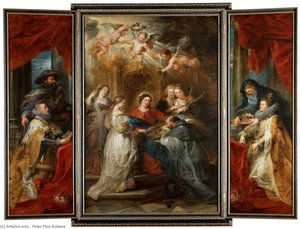
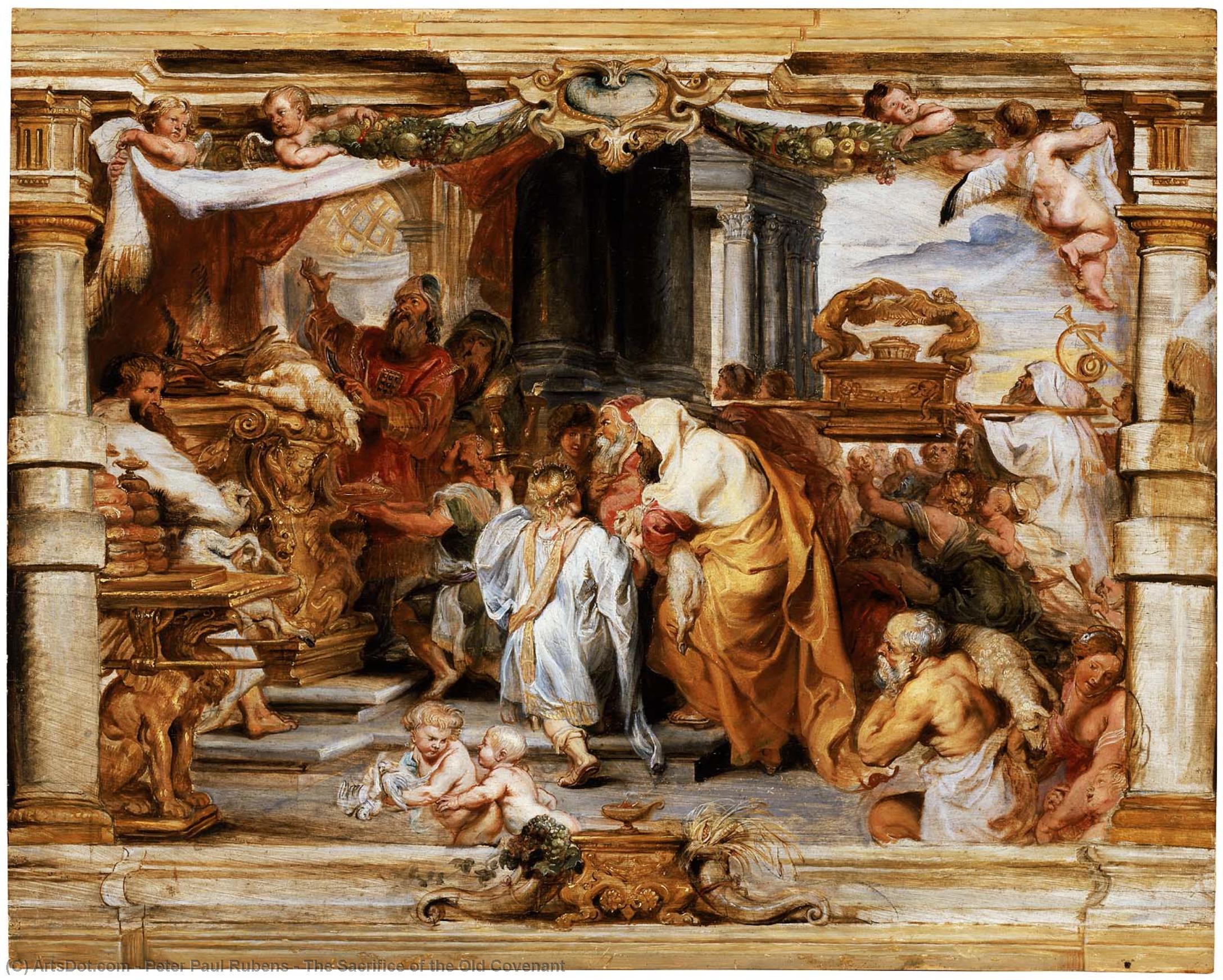
Peter Paul Rubens’ “The Sacrifice of the Old Covenant,” painted in 1626 and currently residing within the esteemed Museum of Fine Arts (Boston), is more than simply a religious scene; it's a vibrant, pulsating embodiment of the Baroque era. Measuring just over 71 by 77 centimeters on oil-on-panel, this work immediately commands attention with its dynamic composition, rich color palette, and masterful depiction of human emotion – hallmarks of Rubens’ signature style. The painting transports us to a moment of profound significance, a ritualistic gathering steeped in both solemnity and theatrical drama.
At first glance, the scene unfolds around a central table laden with symbols of abundance and sacrifice: overflowing wine glasses, gleaming cups, bowls brimming with fruit, and a stark knife – each element contributing to an atmosphere thick with anticipation. A man stands prominently before this tableau, seemingly poised for action, while a group of figures surrounds him, their expressions ranging from solemn contemplation to quiet observation. The inclusion of a clock on the wall subtly anchors the scene in time, reminding us of the passage of moments and the weight of tradition. Beyond the immediate participants, the background reveals a simple, yet effective, architectural setting – a testament to Rubens’ ability to create depth and perspective within a relatively small format.
The Baroque Masterstroke: Composition and Technique
Rubens was a pioneer in employing dramatic lighting and movement within his paintings, techniques that are powerfully evident in “The Sacrifice of the Old Covenant.” Notice how light dramatically illuminates the central figure, drawing our eye to him while casting shadows across the surrounding figures, creating a sense of depth and volume. The artist’s use of *sfumato*, a subtle blurring of lines and edges, further enhances this effect, lending an almost ethereal quality to the scene. Rubens' mastery of oil paint is equally impressive; he skillfully layered colors to achieve incredible realism and luminosity, particularly in the depiction of fabrics and textures – from the folds of clothing to the sheen of polished metal.
The composition itself is a carefully orchestrated dance of figures and objects. Rubens expertly utilizes diagonal lines to create a sense of dynamism and movement, drawing our eye across the canvas. The arrangement of the participants around the table suggests a narrative unfolding – a sacrifice being prepared, a covenant being upheld. This isn’t merely a static depiction; it's an active scene brimming with potential meaning.
Historical Context and Symbolic Resonance
“The Sacrifice of the Old Covenant” was painted during a period of significant religious and political upheaval in Europe. The Counter-Reformation, the Catholic Church’s response to the Protestant Reformation, demanded a renewed emphasis on visual art as a tool for conveying religious truths and inspiring faith. Rubens, serving as a diplomat and artist for both Spain and England, skillfully navigated this complex landscape, producing works that were both aesthetically stunning and religiously potent. The painting references biblical narratives – specifically, sacrifices within the Old Testament – but also speaks to broader themes of tradition, obedience, and divine justice.
The presence of the knife, a recurring motif in Rubens’ work, often symbolizes sacrifice and redemption. The gathering itself suggests a formal ceremony, possibly related to the observance of religious holidays or rituals. The figures' expressions invite interpretation – are they participants in a solemn act of devotion, or witnesses to an impending event? Rubens deliberately leaves these questions open, allowing viewers to engage with the painting on a deeply personal level.
A Legacy of Color and Emotion
“The Sacrifice of the Old Covenant” stands as a testament to Peter Paul Rubens’ extraordinary talent and his profound understanding of human emotion. It's a vibrant, dramatic work that continues to captivate viewers centuries after its creation. Rubens’ ability to infuse religious subject matter with such palpable energy and sensuality is truly remarkable. Today, thanks to ArtsDot’s meticulous hand-painted reproductions, art enthusiasts can experience the full splendor of this masterpiece in their own homes, bringing a touch of Baroque drama and timeless beauty into their spaces.
For those seeking further insight into Rubens' life and work, we encourage you to explore the resources available on ArtsDot and Wikipedia. And if you’re interested in delving deeper into the symbolism of crucifixion in art, a comprehensive overview can be found at Crucifixion in the arts.
関連作品


アーティストの略歴
Sir Peter Paul Rubens: バロックの巨匠、完璧な商人
Sir Peter Paul Rubensは、バロック美術における最も重要な芸術家の一人でありました。単なる画家ではありませんでした。彼は外交官、学者、そしてヨーロッパ文化を形作った建築家でもありました。ドイツのSiegenで生まれ、彼の幼少期は移動の中で特徴づけられ、これは彼の後の作品にドラマと感情的な深さを織り込む上で重要な役割を果たしました。彼の父Jan Rubensは、宗教的迫害から逃れるために信仰を持たないカルヴィニストの考えを持つ弁護士であり、彼はアンヴァールをスペイン統治下の都市から移動させました。この最初の疎散は彼に忍耐力と適応力を育み、彼の多様なキャリア全体を通して彼の特徴的な資質を反映しました。父の死後、彼はアンヴァールに戻り、そこで彼はトビアス・ヴェルハエヒットやアダム・ヴァン・ノオートの下で美術訓練を受け、基本的な技術を磨き上げました。しかし、オットー・ヴァン・フェーンとの時期はイタリアルネサンス美術への豊かな遺産に彼を暴露し、すぐにそれを熱烈に受け入れました。イタリアでの目覚めと芸術的合成
1600年にRubensはイタリアへ旅立ちました。これは彼の芸術的なビジョンを形作る上で変革的な旅でした。8年間彼はミケランジェロやラファエロやティチアンなどの偉大なルネサンスの傑作に没頭し、その形態、色彩、構成における卓越性を吸収しました。これらのルネサンス巨匠の影響は彼の初期イタリア作品に現れ、古典的なテーマと理想化された人物が特徴です。しかし、Rubensは単に模倣するのではなく、これらの影響を自身の才能で合成し、鮮やかな色調、ダイナミックな構成、そして人間の身体に対する官能的な描写という独自のスタイルを発展させました。彼は解剖学を詳細に研究し、人体を現実的に表現しながら感情的な力を帯びた人物を生み出しました。この時期は芸術的な発展だけでなく、古典文学への深い認識を育み、彼の作品のモチーフとして繰り返し現れることになります。彼はイタリアに戻った1608年に母親が亡くなり、すぐにアンヴァールに戻りました。彼女は彼の最初の妻であり、彼に愛し、大切にするべき人物でした。彼は結婚し、アンヴァールで豊かな暮らしを送りました。彼はスタジオを拡張し、彼の多くの生徒とアシスタントを受け入れました。彼は巨大なアルタピアを制作するために必要な技術的なスキルを習得しました。彼はまた、アンヴァールの裕福な都市に自宅を建てました。彼はイタリア風のスタイルで設計した壮大な家を建てました。彼はさらに、アンヴァールで彼を歓迎する王室入城を記念して、彼の生徒たちとアシスタントたちを雇いました。彼は健康状態を維持するために毎日午前4時に起床し、午後5時には乗馬をしていました。そして彼は完璧なプロフェッショナルとして振る舞い、寛大さ、丁寧さを誇り、特にビジネス取引において非常に優れた人物でした。彼の父親の死後、彼はアンヴァールで母親が亡くなり、彼は彼女を愛した女性と結婚しました。彼はイタリアで彼の最初の妻を失い、彼は彼女に愛し、大切にするべき人物でした。彼はイタリアで彼の最初の妻を失い、彼は彼女に愛し、大切にするべき人物でした。アンヴァールでの活躍と芸術的変革
Rubensはイタリアで美術訓練を受けました。彼はミケランジェロやラファエロやティチアンなどの偉大なルネサンスの傑作に没頭し、その形態、色彩、構成における卓越性を吸収しました。これらのルネサンス巨匠の影響は彼の初期イタリア作品に現れ、古典的なテーマと理想化された人物が特徴です。しかし、Rubensは単に模倣するのではなく、これらの影響を自身の才能で合成し、鮮やかな色調、ダイナミックな構成、そして人間の身体に対する官能的な描写という独自のスタイルを発展させました。彼は解剖学を詳細に研究し、人体を現実的に表現しながら感情的な力を帯びた人物を生み出しました。この時期は芸術的な発展だけでなく、古典文学への深い認識を育み、彼の作品のモチーフとして繰り返し現れることになります。彼はイタリアに戻った1608年に母親が亡くなり、すぐにアンヴァールに戻りました。彼女は彼の最初の妻であり、彼に愛し、大切にするべき人物でした。彼は結婚し、アンヴァールで豊かな暮らしを送りました。彼はスタジオを拡張し、彼の多くの生徒とアシスタントを受け入れました。彼は巨大なアルタピアを制作するために必要な技術的なスキルを習得しました。彼はまた、アンヴァールで彼を歓迎する王室入城を記念して、彼の生徒たちとアシスタントたちを雇いました。彼は健康状態を維持するために毎日午前4時に起床し、午後5時には乗馬をしていました。そして彼は完璧なプロフェッショナルとして振るい、寛大さ、丁寧さを誇り、特にビジネス取引において非常に優れた人物でした。彼はイタリアで彼の最初の妻を失い、彼は彼女に愛し、大切にするべき人物でした。彼はイタリアで彼の最初の妻を失い、彼は彼女に愛し、大切にするべき人物でした。彼はイタリアで彼の最初の妻を失い、彼は彼女に愛し、大切にするべき人物でした。彼はイタリアで彼の最初の妻を失い、彼は彼女に愛し、大切にするべき人物でした。彼はイタリアで彼の最初の妻を失い、彼は彼女に愛し、大切にするべき人物でした。彼はイタリアで彼の最初の妻を失い、彼は彼女に愛し、大切にするべき人物でした。彼はイタリアで彼の最初の妻を失い、彼は彼女に愛し、大切にするべき人物でした。彼はイタリアで彼の最初の妻を失い、彼は彼女に愛し、大切にするべき人物でした。彼はイタリアで彼の最初の妻を失い、彼は彼女に愛し、大切にするべき人物でした。彼はイタリアで彼の最初の妻を失い、彼は彼女に愛し、大切にするべき人物でした。彼はイタリアで彼の最初の妻を失い、彼は彼女に愛し、大切にするべき人物でした。彼はイタリアで彼の最初の妻を失い、彼は彼女に愛し、大切にするべき人物でした。彼はイタリアで彼の最初の妻を失い、彼は彼女に愛し、大切にするべき人物でした。彼はイタリアで彼の最初の妻を失い、彼は彼女に愛し、大切にするべき人物でした。彼はイタリアで彼の最初の妻を失い、彼は彼女に愛し、大切にするべき人物でした。彼はイタリアで彼の最初の妻を失い、彼は彼女に愛し、大切にするべき人物でした。彼はイタリアで彼の最初の妻を失い、彼は彼女に愛し、大切にするべき人物でした。彼はイタリアで彼の最初の妻を失い、彼は彼女に愛し、大切にするべき人物でした。彼はイタリアで彼の最初の妻を失い、彼は彼女に愛し、大切にするべき人物でした。彼はイタリアで彼の最初の妻を失い、彼は彼女に愛し、大切にするべき人物でした。彼はイタリアで彼の最初の妻を失い、彼は彼女に愛し、大切にするべき人物でした。彼はイタリアで彼の最初の妻を失い、彼は彼女に愛し、大切にするべき人物でした。彼はイタリアで彼の最初の妻を失い、彼は彼女に愛し、大切にするべき人物でした。彼はイタリアで彼の最初の妻を失い、彼は彼女に愛し、大切にするべき人物でした。彼はイタリアで彼の最初の妻を失い、彼は彼女に愛し、大切にするべき人物でした。彼はイタリアで彼の最初の妻を失い、彼は彼女に愛し、大切にするべき人物でした。彼はイタリアで彼の最初の妻を失い、彼は彼女に愛し、大切にするべき人物でした。彼はイタリアで彼の最初の妻を失い、彼は彼女に愛し、大切にするべき人物でした。彼はイタリアで彼の最初の妻を失い、彼は彼女に愛し、大切にするべき人物でした。彼はイタリアで彼の最初の妻を失い、彼は彼女に愛し、大切にするべき人物でした。彼はイタリアで彼の最初の妻を失い、彼は彼女に愛し、大切にするべき人物でした。彼はイタリアで彼の最初の妻を失い、彼は彼女に愛し、大切にするべき人物でした。彼はイタリアで彼の最初の妻を失い、彼は彼女に愛し、大切にするべき人物でした。彼はイタリアで彼の最初の妻を失い、彼は彼女に愛し、大切にするべき人物でした。彼はイタリアで彼の最初の妻を失い、彼は彼女に愛し、大切にするべき人物でした。彼はイタリアで彼の最初の妻を失い、彼は彼女に愛し、大切にするべき人物でした。彼はイタリアで彼の最初の妻を失い、彼は彼女に愛し、大切にするべき人物でした。彼はイタリアで彼の最初の妻を失い、彼は彼女に愛し、大切にするべき人物でした。彼はイタリアで彼の最初の妻を失い、彼は彼女に愛し、大切にするべき人物でした。彼はイタリアで彼の最初の妻を失い、彼は彼女に愛し、大切にするべき人物でした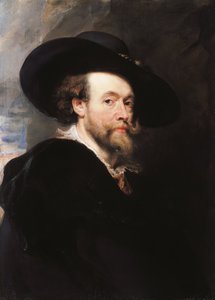
ルーベンス
1577 - 1640 , ドイツ
基本情報
- Artistic Movement Or Style: バロック美術
- Artists Or Movements Influenced By This Artist:
- アントニオ・ファン・ダイク
- ヤコブ・ヨルダンス
- Artists Who Influenced This Artist:
- ミケランジェロ
- ラファエロ
- ティツィアノ
- Date Of Birth: 1577年6月28日
- Date Of Death: 1640年5月30日
- Full Name: Sir Peter Paul Rubens
- Nationality: フランドル人
- Notable Artworks: ['十字架の降ろし']
- Place Of Birth: ドイツ・ジゲン
関連記事
Oil on Panel Masters: 10 Paintings That Revolutionized Art |
Journey through 10 legendary 'Oil on Panel' masterpieces by Van Eyck, Bosch & Bruegel. Explore the stories behind these iconic Renaissance & Baroque paintings and find museum-quality art reproductions to elevate your home decor. Discover all masterpieces on !

バロック美術を極めた至宝:時代を彩る10大名作の世界
バロック美術の華!カラヴァッジョ、ベルニーニら巨匠が創り上げた10大名作を徹底解剖。ドラマチックな色彩と豪華絢爛の世界観に触れ、至宝のアートプリントで空間を彩ろう。ArtsDot.comで美術館品質の複製と洗練されたインテリアを見つけましょう!

The Dramatic Flourish: Exploring the Baroque Movement's Enduring Legacy in Art History
Explore the dramatic world of Baroque art! Discover iconic artists like Caravaggio & Rubens, defining techniques, and its lasting impact on art history. Expert insights for collectors & enthusiasts at ArtsDot.

The Enduring Power of Painting: A Historical & Contemporary Exploration of Form and Emotion
Explore the rich history & enduring techniques of oil painting with ArtsDot. Discover masterpieces, learn about art collecting, and find authentic handmade reproductions crafted by skilled artists.
Peter Paul Rubens: A Baroque Master's Life, Legacy & Enduring Influence
Discover the life & art of Peter Paul Rubens, the most influential artist of the Flemish Baroque tradition. Explore his masterpieces, legacy, and impact on art history with ArtsDot.