 プレビュー
プレビュー
 シェアする
シェアする シェアする
シェアする
 詳細を見る
詳細を見る

 ダウンロード
 似ている作品
 X線調査
X線調査 スライドショー
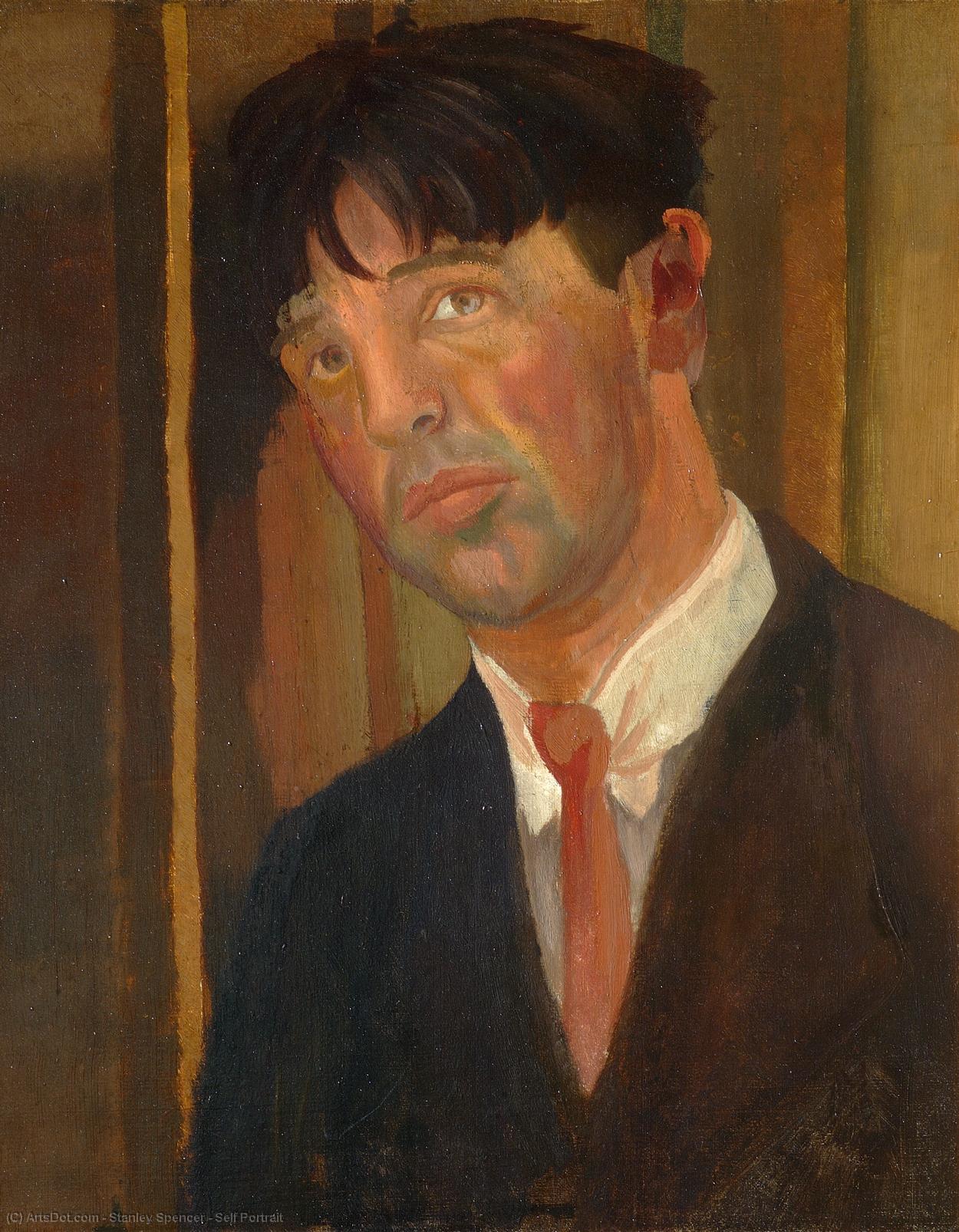
Self Portrait
 Oil On Canvas
- WallArt
- Contemporary Realism
 1939
1939- Early Modern
 40.0 x 55.0 cm
 Fitzwilliam College
 詳細を見る
詳細を見る
ジークレー/アートプリント
迅速な制作と多彩な仕上げオプションを備えた、ミュージアムクオリティのジークレーまたはキャンバスプリント。 ( 手描きの絵画を購入 画像を購入)




P118B $10

P118H $10

P118W $10

P438Z $10

P508JH $12

P508YH $12

P805H $10

P805Z $10

P919BZ $10

P919G $10

P919XJ $10

P959ZH $10

P968JZ $12

W106C $8

W218G $10

W218JH $8

W218Y $10

W307PJ $10

W316G $10

W316PJ $8

W316Y $10

W398PJ $8

W4111J $10

W500HY $15

W500JH $15

W692G $12

W849H $8

W940BG $15

W953PJ $8




作品のオリジナル比率に合わせた、当店の規定サイズからお選びください。

特定のフレームやスペースに合わせて、ご自身でサイズを指定することも可能です。選択されたサイズが元の画像の比率と一致しない場合、作品をトリミングするか、鏡面反射または単色での塗りつぶしによって画像を拡張いたします。制作を開始する前に、ご確認用のデジタルモックアップをお送りいたします。
画面上のプレビューには、実際のトリミングや拡張は反映されませんのでご注意ください。最終的な構図を正確に確認できるのは、モックアップのみとなります。
カスタムサイズも承っておりますが、元の比率を維持するためには、あらかじめ用意されたリストからサイズを選択することをお勧めいたします。


 ガラスオプションは、110cm未満のサイズでのみご利用いただけます。

Self Portrait
ジークレー/アートプリント
複製画のサイズ
-


合計金額
$ 62
作品詳細説明
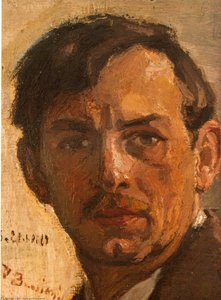
A Portrait of Introspection: Sir Stanley Spencer’s “Self Portrait” (1939)
Sir Stanley Spencer's "Self Portrait," painted in 1939, is more than just a likeness; it’s a profound meditation on identity, faith, and the quiet contemplation of a life lived deeply within the familiar landscape of Cookham. This oil-on-canvas masterpiece, now residing in the Fitzwilliam Museum in Cambridge, offers a rare glimpse into the artist's inner world – a world where the sacred and the mundane intertwine with remarkable intimacy.
The painting immediately draws the eye to Spencer’s own figure, rendered with an almost unsettling directness. He is depicted in a dark suit, his face framed by round spectacles, a thoughtful expression etched upon his brow. The brushstrokes are deliberately loose and expressive, characteristic of the early 20th-century style he embraced – a departure from the rigid formality of academic portraiture. Spencer wasn’t striving for photographic accuracy; instead, he sought to capture the *feeling* of being, the weight of experience, and the subtle nuances of emotion.
Neo-Romanticism and the Cookham Vision
“Self Portrait” firmly places Spencer within the Neo-Romantic movement. This style, prevalent in Britain during the interwar period, rejected the detached objectivity of earlier artistic approaches, prioritizing emotional intensity and subjective experience. Spencer’s connection to Cookham – his childhood home and lifelong muse – is utterly central to understanding this work. He didn't simply paint a village; he imbued it with spiritual significance, transforming it into a microcosm of heaven on earth. This deeply personal vision permeates every aspect of his art.
The muted palette—dominated by browns, blues, and subtle reds—creates an atmosphere of quiet contemplation. The dark background, suggestive of draped fabric or perhaps the interior walls of his studio, serves to isolate Spencer’s figure, intensifying the sense of introspection. Notice how he uses light – a soft, diffused glow from the upper left – to sculpt the planes of his face and clothing, adding depth and volume while simultaneously casting subtle shadows that hint at hidden emotions.
Symbolism in Detail
The inclusion of the paintbrush and palette is particularly significant. It’s not merely an indication of Spencer's profession; it represents his creative process – a constant engagement with the world, seeking to capture its essence on canvas. The artist’s gaze, directed slightly off-center, invites us into this internal dialogue. Some art historians interpret the suit as a symbol of formality and social standing, while others see it as representing Spencer's desire for order and control in a world increasingly marked by uncertainty.
The overall composition is remarkably balanced, despite the subject’s slight off-center placement. This suggests a sense of equilibrium within Spencer himself – a quiet confidence amidst moments of profound reflection. The painting isn’t overtly dramatic; rather, it conveys a subtle but powerful sense of inner strength and resilience.
A Window into a Singular Mind
“Self Portrait” is more than just a beautiful artwork; it's a poignant document of a singular mind grappling with the complexities of faith, identity, and the beauty of everyday life. It’s a testament to Spencer’s ability to find the divine in the ordinary, and to capture that profound connection on canvas. Reproductions of this work offer a remarkable opportunity to bring this intimate portrait into your home, inviting you to contemplate alongside Sir Stanley Spencer as he paused to consider his own place within the world.
関連作品

アーティストの略歴
クックハムの幻影:スタンリー・スペンサーの生涯と芸術
1891年6月30日、バークシャー州の牧歌的な村クックハムに生まれたスタンリー・スペンサーは、その故郷と不可分な関係にあるアーティストでした。彼の人生と作品は、この愛された風景を通してフィルターされた信仰、人間性、そして日常の中の神聖なるものの探求となりました。ウィリアムとアンナ・キャロライン・スペンサーの8番目の子供として生まれたスタンリーは、姉のアニーとフローレンスによって家庭で型破りな教育を受け、1908年から1912年までヘンリー・トンクスに師事するロンドンのスレード美術学校に進学しました。この正式な訓練が基礎を提供しましたが、スペンサーが「天の村」と表現したクックハムこそが、彼の芸術的ビジョンを真に形作ったのです。彼は単にクックハムを描いたのではなく、それを精神的な領域に変え、現代的な親密さで聖書の物語が展開されるキャンバスへと昇華させました。神聖と世俗の融合
スペンサー独自のスタイルは、影響の魅力的な合成として現れました。彼の作品には、精緻なディテールとプレ・ラファエライトによる自然への敬意が深く共鳴しましたが、彼は単に過去の巨匠を模倣しているわけではありませんでした。彼はフランスの後期印象派、特にポール・ゴーギャンの表現力豊かな色彩を取り入れ、初期イタリア絵画、とりわけジョットの巧みな構図からインスピレーションを得ました。しかし、スペンサーは独自の道を切り開きました。彼の絵画は単なる宗教的物語の挿絵ではなく、彼が親密に知っていた村人たちが聖書の登場人物として描かれた、深く個人的な解釈でした。この神聖と世俗の意図的な境界線の曖昧さは革命的なものでした。1924年から1926年に制作された彼の最も有名な作品である『復活、クックハム』は、このアプローチを体現しています。これは壮大で超越的な復活の描写ではなく、クックハム周辺のなじみのある畑で展開される活気に満ちた土着的なシーンであり、地元の住民が墓から立ち上がっています。この地に根ざした精神性、日常の中に神を見出すという彼の主張は、スペンサーの特徴となりました。戦時下の考察と追悼の壁画
スペンサーの芸術的旅程は、牧歌的な風景や聖書のシーンに限定されませんでした。第一次世界大戦での経験は、彼の作品に大きな影響を与えました。ブリストルのボーフォート戦争病院で働き始め、後にマケドニアに進んだ彼は、紛争の恐怖を直接目撃しました。この経験が、ハンプシャー州バーグクレーレのサンドハム記念礼拝堂(1927-1932年)の壁画制作という依頼につながりました。これらの壮大な絵画は戦争の美化ではなく、平凡な兵士たちの生活、彼らの日常、不安、そして静かな熟考の瞬間を率直に描いたものでした。配置は意識的にジョットのアレナ礼拝堂を反映していましたが、スペンサーはそれを独特の英国的な感性と深く人間主義的な視点で注入しました。その後、第二次世界大戦中にも再び公式戦争画家として勤務し、クライド川沿いの造船所で活発に行われていた重要な作業を記録しました。これらの絵画も、彼の初期の戦争関連作品と同様に、英雄的な戦闘ではなく、戦争努力に貢献している人々の集団的努力と回復力に焦点を当てました。論争、私生活、そして永続する遺産
スペンサーのキャリアは困難を伴うものではありませんでした。彼の強烈な個人的ビジョンと宗教的なテーマの型破りな描写は、しばしば論争を引き起こしました。1935年の『諸国民の間での愛』のような作品における性表現の率直さや、彼の2番目の妻パトリシア・プリースを裸で描いた肖像画は、一部の批評家をスキャンダルに巻き込み、一時的に王立アカデミーからの拒絶につながりました。彼の私生活もまた複雑であり、情熱的な関係と感情的な混乱が特徴でした。彼は1918年にヒルダ・カーラインと結婚しましたが、彼らの関係は困難に満ちており、最終的には1937年の離婚に至りました。その後のパトリシア・プリースとの結婚も同様に波乱万丈でしたが、それは彼の最も大胆で革新的な作品のいくつかにインスピレーションを与えました。論争にもかかわらず、スペンサーが後世のアーティストに与えた影響は否定できません。彼はルシアン・フロイドの容赦ない写実主義を予見し、宗教芸術に対するより正直で感情的に充電されたアプローチへの道を開きました。スタンリー・スペンサーは1959年にナイト爵位を受け、12月14日に亡くなる直前まで、精神性、人間性、そして芸術的革新のユニークなブレンドを捉えた作品を残しました。彼の絵画は、人生の平凡な瞬間の意味を探求し続ける強力な証であり、彼が深く愛した風景、クックハムに永遠に固定されています—彼の天の村です。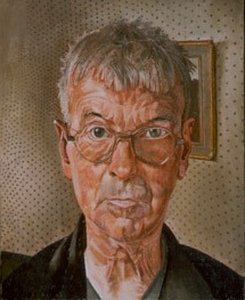
スタンリー・スペンサー
1891 - 1959 , イギリス
基本情報
- Artistic Movement Or Style: 前ラファエル派、ポスト印象派
- Artists Or Movements Influenced By This Artist: ['ルシアン・フロイド']
- Artists Who Influenced This Artist:
- ポール・ゴーギャン
- ジョット
- Date Of Birth: 1891年6月30日
- Date Of Death: 1959年12月14日
- Full Name: スタンリー・スペンサー卿
- Nationality: イギリス人
- Notable Artworks (List Of Titles):
- 受胎告知
- リンゴ摘み
- 自画像(1914)
- クックハムの復活
- Place Of Birth (City And Country): イギリス、クックハム
関連記事
Sir Stanley Spencer: Reassessing Spiritual Vision & Autobiographical Narrative
Explore the captivating world of Sir Stanley Spencer – a British painter renowned for his unique blend of religious narrative & personal experience. Discover his legacy, key works like 'Christ's Entry into Jerusalem', and lasting influence on modern art.

The Enduring Legacy of Oil on Canvas: Technique, History & Aesthetic Impact
Explore the rich history & techniques of oil painting – from Renaissance masters to Impressionism. Discover pigments, layering methods, and why this timeless medium endures. Expert insights for artists & art enthusiasts.

Oil on Canvas: A Historical & Technical Exploration of a Timeless Artistic Medium
Explore the rich history & enduring techniques of oil painting on canvas. Discover the science behind its longevity, conservation practices, and contemporary relevance. Expert insights for art enthusiasts.

The Enduring Power of Painting: A Historical & Contemporary Exploration of Form and Emotion
Explore the rich history & enduring techniques of oil painting with ArtsDot. Discover masterpieces, learn about art collecting, and find authentic handmade reproductions crafted by skilled artists.
The Enduring Legacy of Likeness: Commissioning Oil Portraits as Vessels of Memory and Emotional Connection
Commission a timeless oil portrait with ArtsDot.com! Expert artists capture your legacy & emotions in museum-quality paintings. Preserve family history – explore our bespoke services today.