

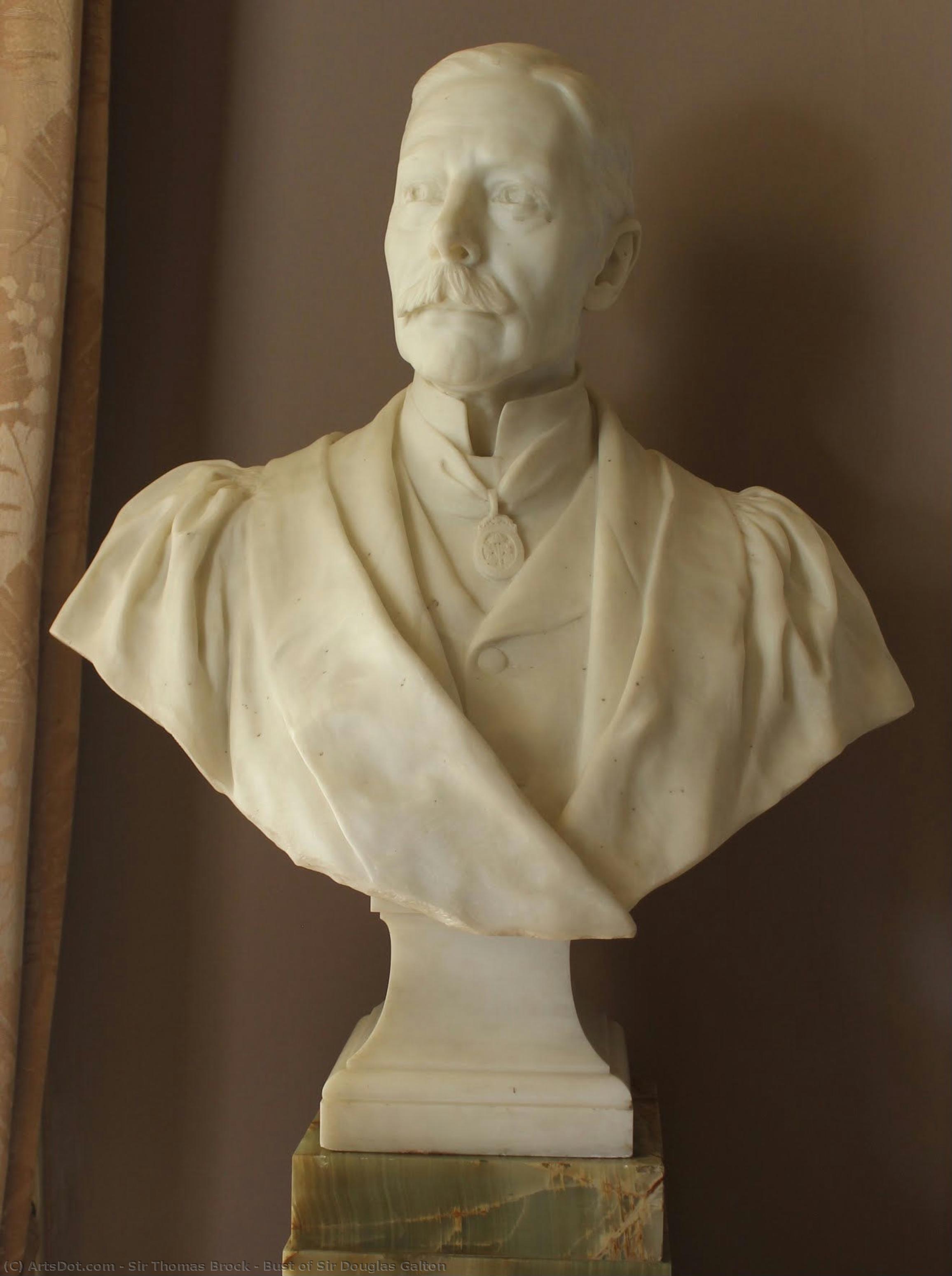
 プレビュー
プレビュー
 シェアする
シェアする シェアする
シェアする
 詳細を見る
詳細を見る

 ダウンロード
 似ている作品
 X線調査
X線調査 スライドショー
 Stats
StatsBust of Sir Douglas Galton


 詳細を見る
詳細を見る
オンラインプレビューをはるかに凌ぐ、高解像度で鮮明なデジタル画像をご購入いただけます。
各ファイルは、社内の専門家が高度なツールと熟練した手作業によるレタッチを用いて、細心の注意を払って準備されています。すべての画像において、卓越した鮮明度、正確な色彩再現性、そして繊細なディテールを保証いたします。
最終ファイルは、プロフェッショナルな編集・印刷環境ですぐにご利用いただけるよう最適化された状態で、72時間以内にメールにてお届けいたします。これは、一流のデザインスタジオ、出版社、ギャラリーから信頼されているものと同等の品質です。
デジタルアート
個人での鑑賞、印刷、クリエイティブなプロジェクト用に、高解像度ファイルをダウンロードできます。 ( Switch to Print 手描きの絵画を購入)
デジタル画像のご注文に付随する特典
高品質なデジタル画像配信を、確かな品質で。
ArtsDot.com を選ぶことは、単に画像を手に入れることではありません。それは、プロの手によって精密に仕上げられ、満足保証が付いた高品質なデジタルアートワークを受け取ることを意味します。ご注文いただいた際に自動的に付随する内容は、以下の通りです:

メールですぐにお届け
ご注文から72時間以内に、高解像度のデジタル画像ファイルがメールでお手元に届きます。すぐにそのままご利用いただけます。

AI技術で最適化されたデジタルファイル
お客様の作品は、高度なAIツールと専門家による手作業の編集を組み合わせてプロフェッショナルに最適化されており、細部のディテール、鮮明さ、そして正確な色再現性を最大限に引き出しています。

一生涯無料の再送サービス
ファイルを誤って削除したり、紛失してしまったりしましたか?ご安心ください。いつでも無料で再送いたします。

輸入手数料は一切かかりません
関税や手数料、配送料を気にすることなく、お気に入りのアートワークをすぐにお楽しみいただけます。デジタルダウンロードは常に免税です。

色彩再現の保証
プロ仕様のツールとカラーマネジメント技術を用いることで、デジタル画像が元の色を最大限に忠実に再現することを保証いたします。

100日間満足保証
ご購入いただいたデジタル画像にご満足いただけない場合は、100日以内であれば、理由を問わず修正または100%の返金対応をさせていただきます。

100% 返金保証
ご満足いただけない場合は、デジタルファイルを受け取ってから100日以内であれば、理由を問わず全額返金いたします。

まとめ買い割引
3枚購入で10%OFF - 5枚購入で15%OFF - 10枚以上購入で20%OFF。クリエイティブなプロジェクト、ギャラリー、エージェンシーに最適です。
関連作品










作家の略歴
Sir Thomas Brock: Sculptor of Majesty and Movement
Sir Thomas Brock (1847-1922) stands as a towering figure in late Victorian and early 20th-century British sculpture, renowned not merely for his technical skill but for the monumental scale and deeply human qualities he imbued into his public works. Born in Worcester, England, to a painter and decorator, Brock’s artistic journey began with a foundational apprenticeship at the Worcester Royal Porcelain Works, a training that instilled within him an appreciation for form, texture, and meticulous craftsmanship. This early experience proved crucial as he later enrolled in the prestigious Government School of Design and subsequently the Royal Academy Schools, where his talent was recognized with a gold medal in 1869 – a testament to his burgeoning ability to capture both realism and emotional resonance.
Brock’s artistic development was profoundly shaped by his association with John Henry Foley, a leading sculptor of the time. Foley's emphasis on naturalism and a sympathetic portrayal of subjects—a philosophy deeply rooted in classical ideals—proved instrumental in guiding Brock’s own approach to sculpture. Following Foley’s untimely death in 1874, Brock skillfully completed several significant commissions, including monuments to Daniel O’Connell in Dublin and the imposing bronze equestrian statue of Lord Canning for Kolkata – achievements that firmly established his reputation as a master sculptor capable of tackling ambitious projects on an international stage.
The Albert Memorial and Beyond
Perhaps Brock's most enduring legacy is undoubtedly the Victoria Memorial, a breathtaking monument erected in front of Buckingham Palace to honor Queen Victoria. This colossal undertaking, completed in 1911, showcased Brock’s extraordinary ability to synthesize classical forms with Victorian grandeur. The sheer scale of the memorial—a complex arrangement of columns, statues, and allegorical figures—demanded not only technical mastery but also a profound understanding of monumental design. Legend has it that King George V was so moved by the quality of the work that he knighted Brock on the spot, solidifying his place among the highest ranks of British artists.
However, Brock’s contributions extended far beyond this single masterpiece. He also redesigned Queen Victoria's effigy for British coinage, a task demanding both artistic sensitivity and an understanding of public image. His work on the massive bronze equestrian statue of Edward, the Black Prince, in City Square, Leeds, further demonstrated his ability to capture historical figures with compelling immediacy. The completion of Prince Albert’s statue on the Albert Memorial, initially undertaken by Foley, marked a pivotal moment in Brock's career, catapulting him into the ranks of established sculptors and securing his position as a leading figure in the New Sculpture movement.
New Sculpture and Artistic Influences
Brock’s artistic trajectory is inextricably linked to the “New Sculpture” movement that flourished during the late Victorian era. This movement, spearheaded by figures like Frederic Leighton, sought to revitalize British sculpture by drawing inspiration from Renaissance and Baroque models—a deliberate departure from the more rigid academic traditions of the past. Brock embraced this shift, incorporating a greater sense of dynamism, emotional depth, and naturalism into his work. His sculptures are characterized by their graceful poses, expressive faces, and meticulous attention to detail – qualities that reflect both his classical training and his engagement with contemporary artistic trends.
Leighton’s influence is particularly evident in Brock's portraiture, which demonstrates a remarkable ability to capture the personality and character of his subjects. Brock’s portraits—busts, statues, and sepulchral monuments—are not merely representations of likeness but rather nuanced explorations of human emotion and experience. His work on figures such as Sir Richard Owen and Henry Philpott, bishop of Worcester, exemplifies this commitment to psychological realism.
A Legacy in Stone and Bronze
Sir Thomas Brock’s impact on the landscape of British sculpture is undeniable. From the grand scale of the Victoria Memorial to the intimate detail of his portrait busts, his work continues to captivate audiences with its beauty, power, and enduring relevance. His contributions extended beyond monumental commissions; he designed medals and coinage, reflecting a versatility that cemented his position as one of the most prolific and respected sculptors of his time. Brock’s legacy is preserved not only in the monuments he created but also in the influence he exerted on subsequent generations of artists, ensuring that his vision continues to inspire and enrich the world of sculpture today.
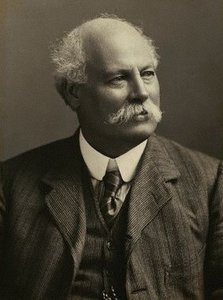
Sir Thomas Brock
1847 - 1922 , United Kingdom
プロフィール概要
- Artistic Movement Or Style: New Sculpture
- Artists Or Movements Influenced By This Artist: ['New Sculpture movement']
- Artists Who Influenced This Artist:
- John Henry Foley
- Frederic Leighton
- Date Of Birth: March 1847
- Date Of Death: August 1922
- Full Name: Sir Thomas Brock
- Nationality: English
- Notable Artworks:
- Victoria Memorial
- Edward Black Prince
- Prince Albert
- Place Of Birth: Worcester, UK