 プレビュー
プレビュー
 プリントを購入
 シェアする
シェアする シェアする
シェアする
 詳細を見る
詳細を見る

 ダウンロード
 似ている作品
 X線調査
X線調査 スライドショー
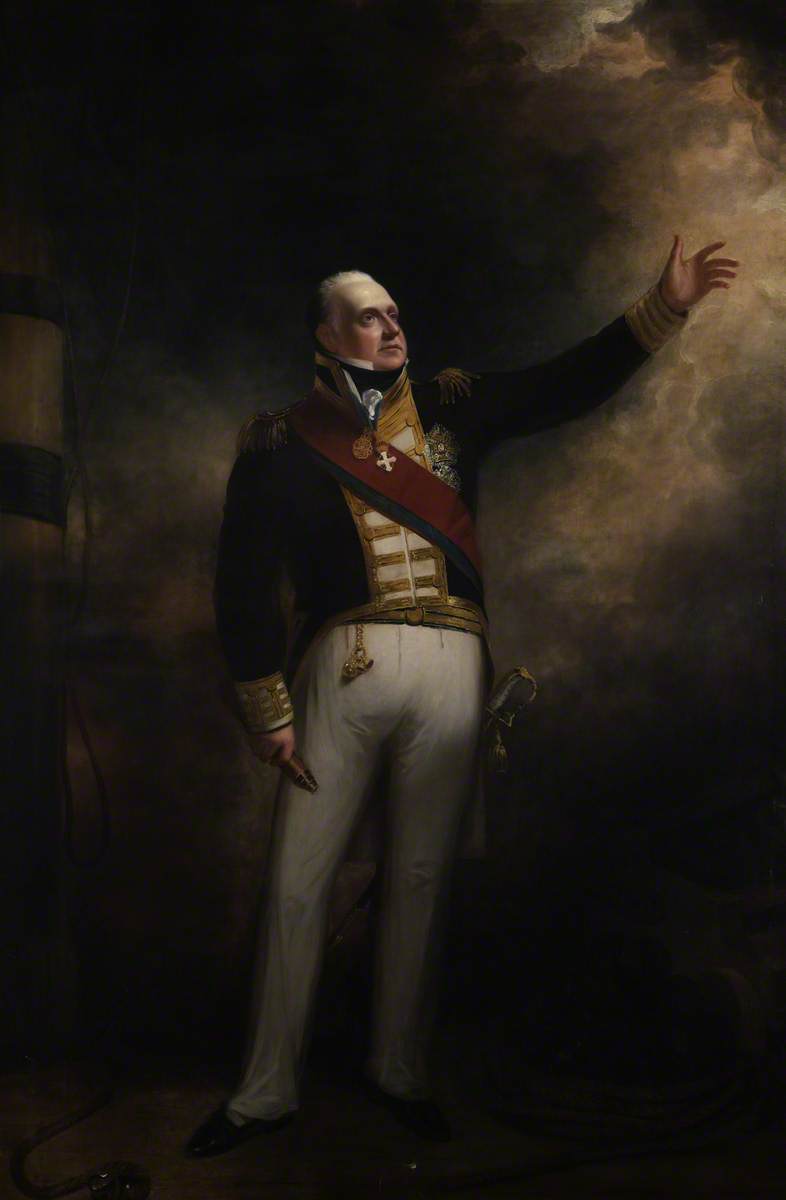
Admiral Edward Pellew (1757–1833), 1st Viscount Exmouth
 Acrylic On Canvas
- WallArt
- Neoclassical Portraiture
 1817
1817 272.0 x 180.0 cm
 大英図書館
大英図書館
 詳細を見る
詳細を見る




P118B $10

P118H $10

P118W $10

P438Z $10

P508JH $12

P508YH $12

P805H $10

P805Z $10

P919BZ $10

P919G $10

P919XJ $10

P959ZH $10

P968JZ $12

W106C $8

W218G $10

W218JH $8

W218Y $10

W307PJ $10

W316G $10

W316PJ $8

W316Y $10

W398PJ $8

W4111J $10

W500HY $15

W500JH $15

W692G $12

W849H $8

W940BG $15

W953PJ $8




作品のオリジナル比率に合わせた、当店の規定サイズからお選びください。

特定のフレームやスペースに合わせて、ご希望のサイズをご入力いただけます。選択されたサイズが元の画像の比率と異なる場合、アートワークをトリミングするか、手描きで要素を追加して絵画を拡張いたします。デジタルモックアップ を制作し、制作開始前にご確認(承認)をいただきます。
画面上のプレビューは、実際のトリミングや拡張を正確に反映しているものではありません。最終的な構図は、モックアップによってのみ正確にご確認いただけます。
カスタムサイズもご利用いただけますが、元の比率を維持するためには、あらかじめ用意されたリストからサイズを選択することをお勧めいたします。
ご注文後、ArtsDot.com チームより詳細な指示をお送りするとともに、仕上がりイメージ(モックアップ)をご提供いたします。


 ガラスオプションは、110cm未満のサイズでのみご利用いただけます。

Admiral Edward Pellew (1757–1833), 1st Viscount Exmouth
複製技法
複製画のサイズ
-


合計金額
$ 263
A Portrait of Command: William Beechey’s Vision of a Sea Hero
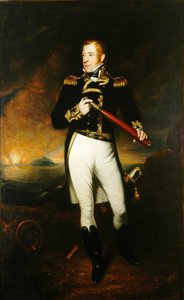
William Beechey's captivating portrait of Admiral Edward Pellew, painted in 1817, transcends the simple depiction of a naval officer. It is a meticulously crafted tableau vivant—a moment frozen in time that speaks volumes about the man, his achievements, and the era’s fascination with military prowess and aristocratic grandeur. The painting isn't merely a likeness; it’s an embodiment of Pellew’s character: resolute, commanding, yet subtly hinting at the complexities beneath the surface of a celebrated figure.
Beechey, a prominent portraitist of his time, expertly employed the conventions of the British Royal Academy style. The composition is classically balanced, with Pellew positioned centrally against a dark, almost theatrical backdrop—a deliberate choice that draws all attention to the subject and emphasizes his importance. His posture exudes authority; he stands tall, hand raised as if issuing orders or gesturing towards an unseen horizon. The meticulous rendering of his uniform – the rich fabrics, the gleaming buttons, the intricate sash – speaks to both his rank and the wealth associated with naval command. The inclusion of two figures in the background—a man on the left and a figure further back on the right—adds a layer of narrative intrigue, suggesting a scene unfolding beyond the immediate portrait, perhaps a moment of strategic planning or a celebratory gathering following a successful campaign.
The Admiral’s Legacy: A Figure Forged in Battle
Edward Pellew was no ordinary admiral; he was a legend. Born into Cornish gentry, his early life was marked by tragedy and a restless spirit. He entered the Royal Navy at just fourteen, quickly demonstrating a remarkable aptitude for leadership and bravery. His most famous exploit occurred during the Second Barbary War in 1815 when, leading a small British force, he decisively defeated Algiers, liberating over three thousand Christian slaves held captive by the Dey of Algiers. This daring action cemented his reputation as a formidable commander and earned him the title “The Lion of Algiers.”
The painting itself reflects this heroic narrative. The dark background subtly alludes to the tumultuous events surrounding Pellew’s campaign in North Africa – the smoke, the flames—a visual echo of the battles fought and won. The inclusion of a ship's rigging and cannon further reinforces his maritime identity and underscores his role as a protector of British interests and freedom.
A Masterful Execution: Beechey’s Technique
Beechey was renowned for his ability to capture the likenesses of his subjects with remarkable accuracy and detail. This portrait is a testament to his skill, showcasing his mastery of light and shadow, as well as his meticulous attention to texture and fabric. The use of mezzotint—a printmaking technique that produces rich tonal variations—allows Beechey to create a remarkably nuanced image, capturing the subtle nuances of Pellew’s expression and the sheen of his uniform. The painting's overall effect is one of quiet dignity and understated power.
Symbolism and Emotional Resonance
Beyond its technical brilliance, the portrait holds deeper symbolic meaning. Pellew’s raised hand, a gesture both commanding and slightly vulnerable, suggests a man burdened by responsibility yet unwavering in his resolve. The overall composition evokes a sense of timelessness—a portrait not just of a specific individual but of an era defined by naval power, imperial ambition, and the romantic ideal of the heroic explorer. Reproductions of this iconic image offer a window into the past, inviting viewers to contemplate the life and legacy of a remarkable man who left an indelible mark on British history.
関連作品

アーティストの略歴
初期の生活と芸術的始まり
サー・ウィリアム・ビーシー(Sir William Beechey)は、1753年12月12日、趣のあるオックスフォードシャーの町バーフォードに生まれ、イギリスの肖像画界における著名な人物となる人生を歩みました。彼の幼少期は悲劇に彩られており、両親が若くして亡くなり、その養育は弁護士である叔父サミュエル・ビーシー(Samuel Beechey)に委ねられました。当初は法的なキャリアを運命づけられているようでしたが、若いウィリアムの心は別の場所――魅惑的な芸術の世界に向けられていました。叔父の期待にもかかわらず、ビーシーは絵画へと惹かれ、その関心が最終的に彼をロンドンへ導き、1772年に王立アカデミー・スクールに入学するきっかけとなりました。これは決定的な瞬間であり、彼を確立された芸術家たちの周りに位置づけ、彼の芸術的発展の舞台を設定しました。初期の訓練はヨハン・ゾファニー(Johan Zoffany)の指導から恩恵を受けた可能性が高いものの、具体的な証拠は掴みきれず、その初期の様式は、ゾファニー自身の作品を彷彿とさせる小規模な全身肖像画や親密な会話のための作品へと形作られていきました。台頭する星:ノリッジからロンドンへ
ビーシーの芸術的な旅路は1782年にノリッジへと彼を導き、そこで彼は地域のジェントリーの間で肖像画家としての足場を築きました。ジョン・ウードハウスのような著名な人物たちの肖像画の依頼を獲得し、特にセント・アンドリュー・ホール(St Andrew’s Hall)の市民肖像画コレクションに4点の作品を寄贈したことは、彼の高まる名声の証となりました。しかし、ロンドンが彼を呼び寄せ、1787年に彼は首都に戻り、より大きな舞台で名を残すことを決意します。1780年代後半には、ビーシーは着実に評価を高め、自身の発展する技術と洗練された技法を示す作品を展示しました。転機となったのは、1789年に展示されたカーライル司教ジョン・ダグラスの肖像画でした。この作品はかなりの注目を集め、ロンドンの芸術界における彼の地位を確固たるものにしました。彼は当時の慣習を見事に乗りこなし、ジョシュア・レイノルズのような巨匠たちからインスピレーションを得つつも、自分自身の独自の様式を築き上げました。王室の庇護と国家的な認知
1793年はビーシーにとって変革の年となりました。偶然の出来事――不満を抱えた依頼人が彼の肖像画をジョージ3世国王とシャーロット王妃の目に留めたことで――ビーシーはシャーロット王妃の公式肖像画家として任命されることになりました。この王室からの承認は彼を芸術社会の上層へと押し上げ、名誉ある依頼が絶え間なく舞い込む扉を開きました。彼はその年に王立アカデミーの準会員に選出され、さらなる地位を固めました。翌年にはさらに大きな称賛が訪れました。1798年、彼は『ジョージ3世とウェールズ王子の閲兵』という大規模な作品を描き上げ、それによって騎士号と王立アカデミーの正会員資格を得ました。この作品は悲劇的な1992年のウィンザー城火災で失われましたが、ビーシーがより親密な肖像画と並行して壮大な歴史的場面を扱う能力を示すものでした。この時期の彼の成功は単なる芸術的なものではなく、イギリスの社会政治的な景観と深く結びついており、高まる国民の誇りと栄える貴族文化を反映していました。様式、遺産、そして永続する影響
ビーシーの様式は、洗練された優雅さ、繊細な色彩感覚、そして細部への緻密な配慮によって特徴づけられています。彼は新古典主義的な構図を好み、しばしば古典彫刻を思わせる優美なポーズでモデルを描きました。同時代のトーマス・ローレンスのような急進的な革新者ではありませんでしたが、彼の変わらない質の高さと被写体の容貌や個性を捉える能力が広範な称賛を集めました。彼の肖像画は威厳のある抑制を帯びており、過度なドラマや派手な装飾を避けています。このアプローチは、品格と控えめな優雅さを重んじる王室や上流階級に特に支持されました。1890年にサミュエル・レッドグレイブが「ビーシーの作品には優美さが欠け、ドレーパリーがやや不器用だ」と批判したにもかかわらず、ビーシーはイギリスの肖像画家たちの間で尊敬される地位を保ち続けました。彼の作品は今なお、18世紀後半から19世紀初頭にかけてのネルソン卿やジョン・ケンブル、サラ・シドンズといった著名な人物たちを描いた技術的な熟練度と洞察力に富んだ描写が高く評価されています。彼の遺産は、単に絵画を通してだけでなく、ある時代の精神を捉える肖像画という芸術の永続的な力に対する証としても生き続けています。家族とさらなる貢献
ビーシーの私生活は喜びと悲しみが混在していました。彼は1778年にメアリー・アン・ジョーンズと結婚し、彼女の死後、1793年には成功したミニチュア画家であったアン・フィリス・ジェスポップと再婚しました。これらの結婚を通じて、彼には芸術的なキャリアを追求する数人の子供が生まれました。彼の息子たちであるヘンリー・ウィリアム・ビーシー(画家であり探検家)とフレデリック・ウィリアム・ビーシー(海軍士官、地理学者、作家)は、創造的な営みの家族の伝統を引き継ぎました。ビーシーの影響力は自身の絵画を超えて広がり、特にジョン・コンスタブルのような意欲ある芸術家たちに対して寛大であり、彼らを指導したことで知られていました。 彼は1836年にハンプステッドに引退し、1839年に亡くなりましたが、今なお魅了し、インスピレーションを与える豊かな芸術的遺産を残しました。イギリス美術への彼の貢献は依然として重要であり、国家の歴史を形作った人々の生きた時代についての貴重な洞察を提供し続けています。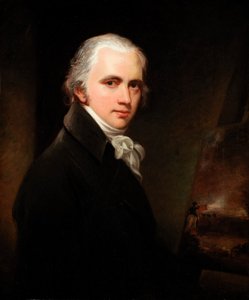
ウィリアム・ビーシー様
1753 - 1839
基本情報
- Artistic Movement Or Style: 肖像画、新古典主義
- Artists Who Influenced This Artist:
- ヨハン・ツォファニー
- ジョシュア・ロレンス
- Date Of Birth: 1753年12月12日
- Date Of Death: 1839年1月28日
- Full Name: ウィリアム・ビーシー卿
- Nationality: イギリス人
- Notable Artworks:
- ヨーク公爵夫人肖像画
- 兵を閲兵するジョージ3世
- Place Of Birth: バーフォード、英国
関連記事
エドワード・ホッパー傑作25選:アメリカの孤独と光影の世界 | ArtsDot
エドワード・ホッパーの傑作25選。アメリカ絵画を代表するモダンアート、孤独と光影の世界を紐解きます。名画「Nighthawks」や「ハウス・バイ・ザ・レールロード」など、美術史に残る作品群をArtsDotで高品質複製画としてお楽しみください。インテリアに深みを与えるアートプリントも多数。今すぐコレクションをご覧ください。
Sir William Beechey: Portraiture, Patronage & Shaping Georgian Society
Explore the life & art of Sir William Beechey, a leading British portraitist of the Georgian era. Discover his royal commissions, aristocratic subjects, and lasting influence on 18th-century painting. Learn more at ArtsDot.
Arthur William Devis: A Provincial Eye on Georgian Life & Naval History
Explore the life & work of Arthur William Devis (1762-1822), a key figure in Georgian portraiture and naval history painting. Discover his intimate 'conversation pieces' and captivating depictions of colonial India. Learn more at ArtsDot.

Penry Williams: Evoking Welsh Nostalgia Through Impressionistic Landscapes
Explore the captivating world of Penry Williams (1802-1885), a Welsh artist renowned for his evocative Impressionistic landscapes and scenes of Italy. Discover his life, style & legacy with ArtsDot.
Christopher Williams: Deconstructing Representation & Materiality in Contemporary Art
Explore the groundbreaking work of Christopher Williams, a pivotal figure in contemporary art. This analysis delves into his deconstruction of representation, materiality, and institutional critique – essential reading for serious collectors.