

 プレビュー
プレビュー
 プリントを購入
 シェアする
シェアする シェアする
シェアする
 詳細を見る
詳細を見る

 ダウンロード
 似ている作品
 X線調査
X線調査 スライドショー
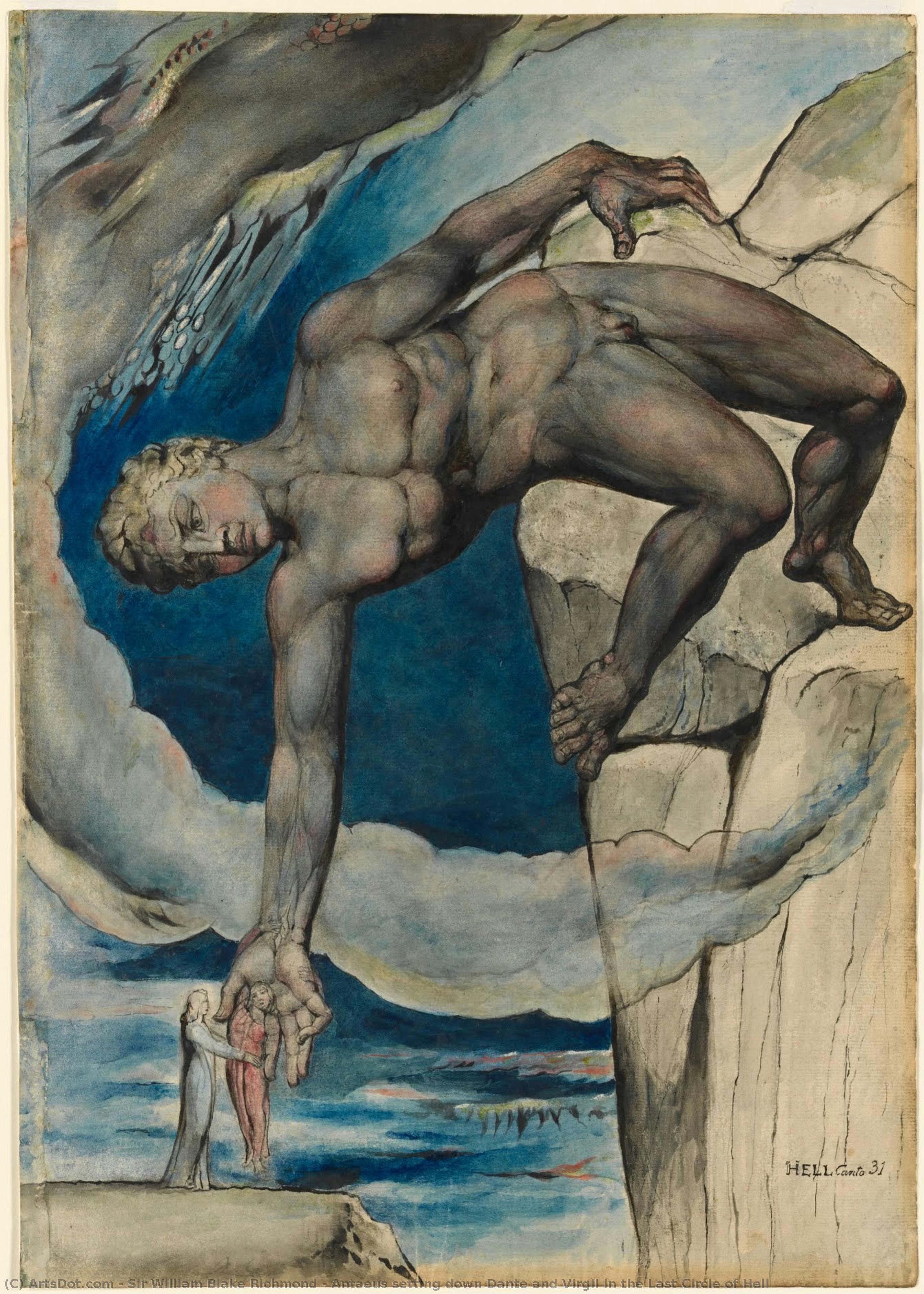
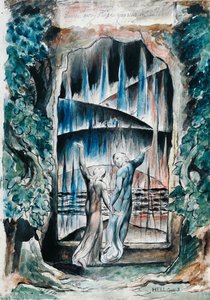
Antaeus setting down Dante and Virgil in the Last Circle of Hell
 Watercolor
- WallArt
- Romanticism
 1827
1827- Modern
 52.0 x 37.0 cm
 国立ギャラリー・オブ・ビクトリア
 詳細を見る
詳細を見る




P118B $10

P118H $10

P118W $10

P438Z $10

P508JH $12

P508YH $12

P805H $10

P805Z $10

P919BZ $10

P919G $10

P919XJ $10

P959ZH $10

P968JZ $12

W106C $8

W218G $10

W218JH $8

W218Y $10

W307PJ $10

W316G $10

W316PJ $8

W316Y $10

W398PJ $8

W4111J $10

W500HY $15

W500JH $15

W692G $12

W849H $8

W940BG $15

W953PJ $8




作品のオリジナル比率に合わせた、当店の規定サイズからお選びください。

特定のフレームやスペースに合わせて、ご希望のサイズをご入力いただけます。選択されたサイズが元の画像の比率と異なる場合、アートワークをトリミングするか、手描きで要素を追加して絵画を拡張いたします。デジタルモックアップ を制作し、制作開始前にご確認(承認)をいただきます。
画面上のプレビューは、実際のトリミングや拡張を正確に反映しているものではありません。最終的な構図は、モックアップによってのみ正確にご確認いただけます。
カスタムサイズもご利用いただけますが、元の比率を維持するためには、あらかじめ用意されたリストからサイズを選択することをお勧めいたします。
ご注文後、ArtsDot.com チームより詳細な指示をお送りするとともに、仕上がりイメージ(モックアップ)をご提供いたします。


 ガラスオプションは、110cm未満のサイズでのみご利用いただけます。

Antaeus setting down Dante and Virgil in the Last Circle of Hell
複製技法
複製画のサイズ
-


合計金額
$ 263
作品解説
The Weight of the Divine Comedy
William Blake Richmond’s “Antaeus Setting Down Dante and Virgil in the Last Circle of Hell” isn't merely a depiction of Dante’s descent into the infernal depths; it’s an intensely personal and profoundly unsettling meditation on faith, interpretation, and the nature of good and evil. Painted in 1827, during a period of intense creative exploration for Blake, this work embodies his unique vision of Dante's epic poem, transforming its narrative into a complex allegory reflecting his own theological concerns. The painting pulsates with a dark energy, dominated by a brooding palette of deep browns, blacks, and ochres—colors that evoke the oppressive atmosphere of Hell itself. Yet, amidst this gloom, flashes of crimson and gold hint at a struggle between opposing forces, mirroring the central conflict within Dante’s journey.
A Collision of Visions
The composition itself is a masterful blend of classical and Romantic influences. At its heart stands Antaeus, the Titan who could only maintain his strength while grounded in the earth—a potent symbol of earthly connection and vulnerability. He’s depicted as a colossal figure, almost dwarfing Dante and Virgil, representing the primal forces that bind humanity to the material world. Dante and Virgil, rendered with a sense of weary determination, are actively attempting to lift Antaeus from the ground, symbolizing their struggle to drag humanity towards spiritual enlightenment. The scene is set within a cavernous space reminiscent of Blake’s own interpretations of Hell—a chaotic landscape littered with tormented souls and grotesque figures. Noticeably, Richmond incorporates elements from Blake's own illustrations for *Paradise Lost*, particularly the leaning tower of Bologna, which he uses as a visual metaphor for the corruption and decay that permeate Hell.
Symbolism and Theological Debate
Richmond’s painting is deeply rooted in Dante’s *Inferno* but also reflects Blake's own critical engagement with the poem. Blake famously questioned Dante’s portrayal of devils as inherently evil, arguing instead for a more nuanced understanding—seeing them as manifestations of human passions and desires. This interpretation is powerfully conveyed through the figures surrounding Antaeus: they are not simply demons, but rather embodiments of lust, greed, and violence. The bird perched above, a subtle detail often overlooked, may represent divine guidance or perhaps even the artist’s own critical eye observing this descent into darkness. The painting becomes a visual argument—a challenge to Dante's traditional interpretation and a testament to Blake’s belief in a more compassionate vision of salvation.
A Masterpiece of Romantic Intensity
Richmond’s technical skill is evident in the dramatic use of light and shadow, creating a palpable sense of depth and atmosphere. The brushstrokes are loose and expressive, conveying both the physical weight of Antaeus and the psychological turmoil of the scene. The painting's emotional impact is profound—it evokes feelings of dread, despair, but also a glimmer of hope amidst the darkness. “Antaeus Setting Down Dante and Virgil in the Last Circle of Hell” remains a powerful testament to William Blake Richmond’s artistic vision and his ability to transform a classic literary work into a deeply personal and enduring masterpiece. It's a piece that invites contemplation on themes of morality, faith, and the eternal struggle between good and evil—a truly remarkable achievement of Romantic art.
関連作品
アーティストの略歴
幼少期と芸術的影響
サー・ウィリアム・ブレイク・リッチモンドは、イギリスを代表する画家であり肖像画家として、1809年3月28日に英国でその生涯をスタートさせました。彼の芸術的感性の形成において欠かせない要素となったのは、幻視的な詩人であり芸術家でもあったウィリアム・ブレイクの精神を継承するグループ、「ジ・エンシェンツ(古の者たち)」との深い関わりでした。この神秘的な影響は、1825年にロイヤル・アカデミーで展示された『羊飼いアベル』や『キリストとサマリアの女』といった初期作品の中に、鮮やかに息づいています。輝かしい画業の軌跡
芸術家として成熟していくにつれ、リッチモンドは肖像画家として揺るぎない地位を確立していきました。彼はイギリスのジェントリ、貴族、そして王族たちの本質を見事に捉え、その精神をキャンバスに定着させたのです。細部への徹底したこだわりと、描かれた人物の個性を雄弁に物語る表現力こそが、彼の作品の真骨頂といえるでしょう。『ボッカ・ダルノの樹々』や『平和の冠』といった名作には、ロマン主義の巨匠としての卓越した技量が凝縮されています。旅路と芸術的交流
彼の探求心は国境を越え、1828年には芸術と解剖学を学ぶためにパリへと渡りました。冬の間、彼は現地の学校や病院に身を置き、研鑽を積みました。また、カレではボー・ブラメルと出会い、嗅ぎタバコを分かち合うという象徴的な交流を果たしたことも、彼の人生における重要な一幕です。さらに、シドマス卿との縁は、彼に貴重な助言をもたらしただけでなく、現在はナショナル・ポートレート・ギャラリーに収蔵されている卿の肖像画を生み出すこととなりました。遺されたレガシーと晩年
晩年のリッチモンドは、より伝統的な様式の肖像画へとその筆致を移していきましたが、卓越した肖像画家としての彼の功績が色褪せることはありません。1896年3月19日、彼はこの世を去りましたが、彼が遺した膨大な作品群は、今なお多くの芸術家や美術愛好家たちの心を捉えて離さないのです。- ArtsDotにてサー・ウィリアム・ブレイク・リッチモンドの作品を鑑賞する:https://ArtsDot.com/@/sir-william-blake-richmond
- モリス・ルイ、ウィリアム・ラーキン、アリソン・ワットといった著名な芸術家の作品を擁するブリティッシュ・カウンシル・コレクションを探索する:/ja/art/show/art-d3ckkb-ja/
- 「ジ・エンシェンツ」とそのリッチモンドへの影響について詳しく知る:https://en.wikipedia.org/wiki/the_ancients
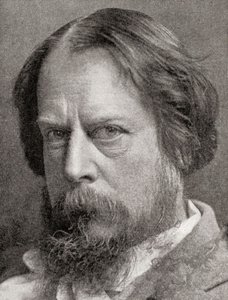
サー・ウィリアム・ブレイク・リッチモンド
1809 - 1896 , イギリス
基本情報
- Artistic Movement Or Style: ロマン主義
- Artists Or Movements Influenced By This Artist: ['ラファエル前派']
- Artists Who Influenced This Artist: ['ウィリアム・ブレイク']
- Date Of Birth: 1809年3月28日
- Date Of Death: 1896年3月19日
- Full Name: サー・ウィリアム・ブレイク・リッチモンド
- Nationality: イギリス
- Notable Artworks:
- ボッカ・ダルノの樹木
- 平和の冠
- Place Of Birth: イギリス、ブロンプトン
関連記事
ダンテ・ガブリエル・ロセッティ傑作25選:美と象徴が織りなす芸術の世界 | ArtsDot
ダンテ・ガブリエル・ロセッティの傑作25選。プレラファエライトの象徴主義、美しい女性画の世界へ。油絵やアートプリントで、リビングや寝室を彩るインテリアアートを見つけましょう。ArtsDot.comで名画コレクションを探索。
Sir William Blake Richmond: A Visionary of Aestheticism & Symbolism
Explore the life & art of Sir William Blake Richmond, a pivotal figure bridging Pre-Raphaelitism and Aestheticism. Discover his stunning portraits, mosaics at St Paul's Cathedral, and lasting influence on Victorian art.

William Blake: Romantic Visionary & Mystical Genius of the Imagination
Explore the mystical art & poetic genius of William Blake (1757-1827). Discover his revolutionary illuminated printing, rich symbolism, and lasting influence on Romanticism. Find handmade reproductions at ArtsDot.
Penry Williams: Evoking Welsh Nostalgia Through Impressionistic Landscapes
Explore the captivating world of Penry Williams (1802-1885), a Welsh artist renowned for his evocative Impressionistic landscapes and scenes of Italy. Discover his life, style & legacy with ArtsDot.
Christopher Williams: Deconstructing Representation & Materiality in Contemporary Art
Explore the groundbreaking work of Christopher Williams, a pivotal figure in contemporary art. This analysis delves into his deconstruction of representation, materiality, and institutional critique – essential reading for serious collectors.

