 プレビュー
プレビュー
 プリントを購入
 シェアする
シェアする シェアする
シェアする
 詳細を見る
詳細を見る

 ダウンロード
 似ている作品
 X線調査
X線調査 スライドショー
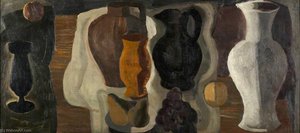
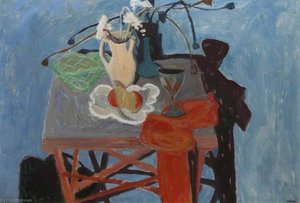
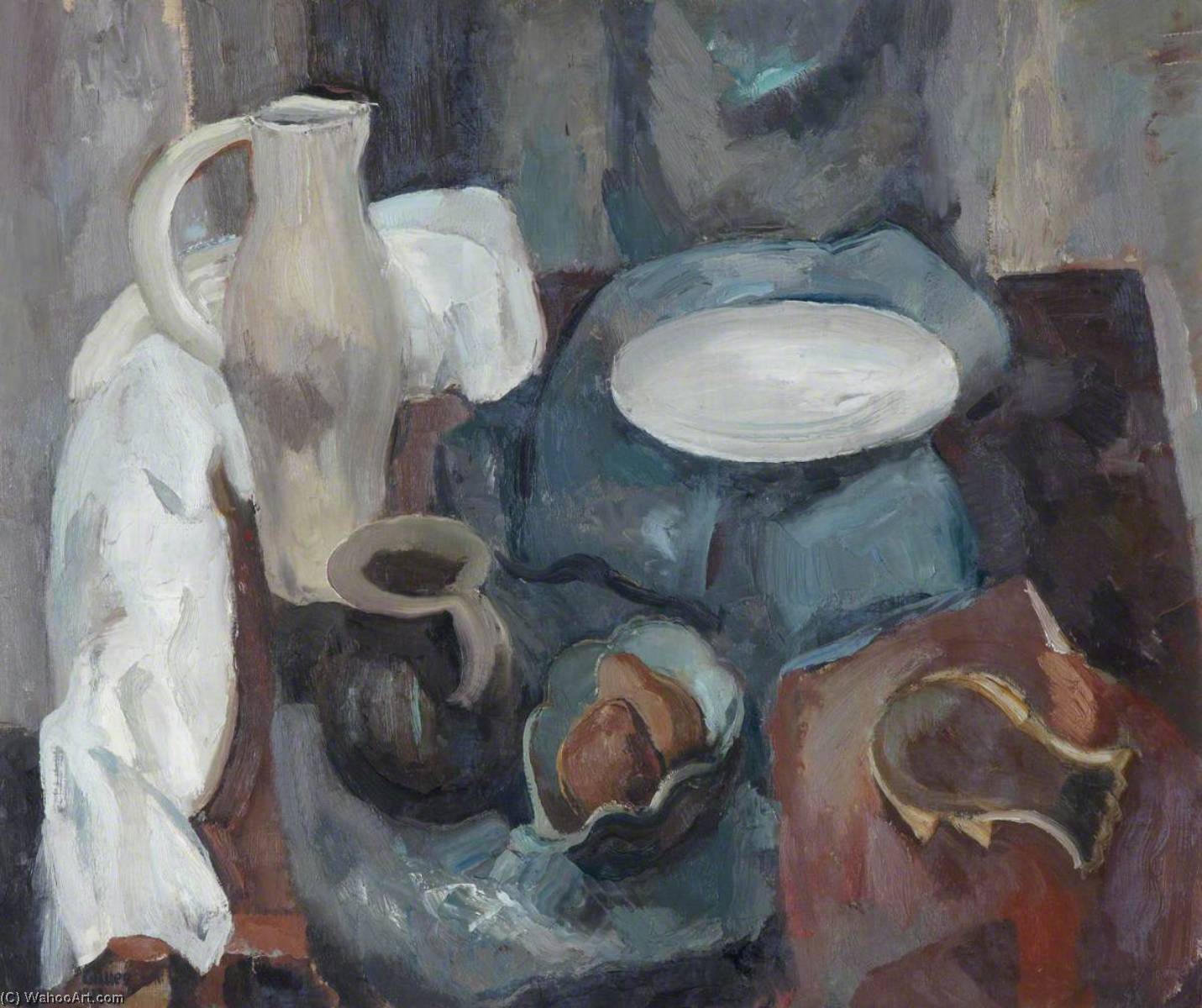
Still Life in Grey and Brown
 Oil On Canvas
- WallArt
- Cubism
 1932
1932 76.0 x 91.0 cm
 Royal Scottish Academy of Art - Architecture
 詳細を見る
詳細を見る




P118B $10

P118H $10

P118W $10

P438Z $10

P508JH $12

P508YH $12

P805H $10

P805Z $10

P919BZ $10

P919G $10

P919XJ $10

P959ZH $10

P968JZ $12

W106C $8

W218G $10

W218JH $8

W218Y $10

W307PJ $10

W316G $10

W316PJ $8

W316Y $10

W398PJ $8

W4111J $10

W500HY $15

W500JH $15

W692G $12

W849H $8

W940BG $15

W953PJ $8




作品のオリジナル比率に合わせた、当店の規定サイズからお選びください。

特定のフレームやスペースに合わせて、ご希望のサイズをご入力いただけます。選択されたサイズが元の画像の比率と異なる場合、アートワークをトリミングするか、手描きで要素を追加して絵画を拡張いたします。デジタルモックアップ を制作し、制作開始前にご確認(承認)をいただきます。
画面上のプレビューは、実際のトリミングや拡張を正確に反映しているものではありません。最終的な構図は、モックアップによってのみ正確にご確認いただけます。
カスタムサイズもご利用いただけますが、元の比率を維持するためには、あらかじめ用意されたリストからサイズを選択することをお勧めいたします。
ご注文後、ArtsDot.com チームより詳細な指示をお送りするとともに、仕上がりイメージ(モックアップ)をご提供いたします。


 ガラスオプションは、110cm未満のサイズでのみご利用いただけます。

Still Life in Grey and Brown
複製技法
複製画のサイズ
-


合計金額
$ 263
作品解説
Still Life in Grey and Brown: A Quiet Reflection on Form and Colour
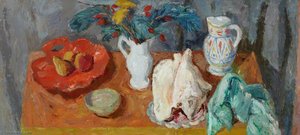
The artwork “Still Life in Grey and Brown,” executed by Sir William George Gillies in 1932, stands as a testament to the enduring fascination with domestic objects rendered through an impressionistic lens. Presented by the Royal Scottish Academy of Art & Architecture, this piece transcends mere representation; it invites contemplation on themes of simplicity, stillness, and subtle emotional resonance—qualities that continue to captivate audiences today.Early Influences: Cubism and Cézanne’s Legacy
Gillies' artistic trajectory began with a formative encounter with Cubism following his studies under André Lhote in Paris during 1923. The influence of Picasso and Braque is palpable, particularly in the understated colour palettes employed—a deliberate departure from the bold hues favoured by earlier movements. However, Gillies’ vision wasn't solely rooted in geometric abstraction. He possessed a deep appreciation for Cézanne’s exploration of form and spatial relationships, evident in the careful arrangement of objects that echoes Cézanne’s iconic landscapes. This dual inspiration informs the composition itself: the flattened planes characteristic of Cubism coexist with a palpable sense of volume achieved through subtle shading and modelling.The Embrace of Colourful Imagination
A transformative experience occurred in 1934 when Gillies encountered the pioneering work of Paul Klee. Klee’s playful use of colour—characterized by vibrant hues juxtaposed against muted tones—awakened Gillies to a new expressive potential. He responded by incorporating childlike qualities into his paintings, prioritizing mood and feeling over precise visual accuracy. This shift is beautifully realized in “Still Life,” where shades of blue-grey permeate the background, creating an atmosphere of serene melancholy. The colour choices aren’t merely decorative; they contribute significantly to conveying a sense of quiet introspection—a hallmark of Gillies' artistic sensibility.Technique and Texture: Impasto and Visible Brushstrokes
Gillies’ masterful technique relies heavily on impasto – the application of paint in thick layers – resulting in a textured surface that captures the light and enhances visual interest. The visible brushstrokes are not haphazard; they are deliberately controlled, guiding the viewer's eye across the canvas and reinforcing the impressionistic style. Each mark contributes to the overall feeling of spontaneity and immediacy, mirroring the artist’s desire to capture fleeting moments of perception. This technique lends a palpable physicality to the artwork, inviting viewers to engage with its surface as much as its imagery.Symbolic Resonance: Domestic Tranquility and Human Connection
Beyond its formal qualities, “Still Life” possesses symbolic depth. The arrangement of everyday objects—a pitcher, bowl, cup, and bottle—represents not just tangible items but also concepts of domestic tranquility and sustenance. The subtle inclusion of two figures adds an element of narrative complexity, hinting at human connection within the otherwise inanimate scene. They are positioned peripherally, blending into the background yet subtly anchoring the composition—suggesting that beauty resides in both form and contemplation.Conclusion: An Enduring Legacy
“Still Life in Grey and Brown” remains a compelling example of Gillies’ artistic vision – a harmonious blend of Cézanne's influence, Cubist principles, and Klee’s colourful imagination. Its quiet elegance, coupled with its textured surface and evocative colour palette, continues to inspire admiration and serves as a poignant reminder of the power of art to convey profound emotional truths. It exemplifies Gillies’ dedication to capturing the essence of experience rather than merely replicating it visually—a legacy that resonates powerfully within the context of modern Scottish Art History.関連作品
アーティストの略歴
ウィリアム・ジョージ・ギリーズ:スコットランド美術における生涯
1898年、東ロシアン地方のハaddingtonで生まれたウィリアム・ジョージ・ギリーズは、20世紀スコットランド美術を代表する画家の一人として知られています。彼の作品は、初期モダニズムと独特なスコットランドの芸術的アイデンティティとの架け橋となり、その繊細な色彩感覚と風景描写は、多くの人々を魅了し続けています。
ギリーズの芸術への道は、エディンバラ美術大学への入学から始まりました。しかし、第一次世界大戦が勃発すると、彼は王立工兵隊に入隊し、学業は中断せざるを得ませんでした。戦後、彼は再びエディンバラ美術大学に戻り、卒業後は40年以上にわたり同大学で献身的に教鞭を執ることになります。彼の教育者としての側面も、スコットランドの美術界に大きな影響を与えた重要な要素です。
芸術的発展と影響
1923年、ギリーズはパリでアンドレ・ロートのもとでキュビズムを学び、さらにイタリアへの旅行を通して芸術的な視野を広げました。初期の作品、「Two Pots, Saucer and Fruit」(1933)などは、セザンヌに影響を受けた構成と、ブラックやピカソのような控えめな色彩パレットが特徴的です。しかし、彼の芸術における転換点は、1934年にポール・クレーの作品に出会ったことでした。クレーの作品は、ギリーズに色彩のより想像力豊かな使い方と、子供のような素朴さを取り入れることを促し、彼の作風に大きな変化をもたらしました。
厳格なキュビズムから徐々に離れるにつれて、ギリーズはスコットランドの風景や静物画の伝統を根底とした独自のスタイルを確立していきました。彼は、ロシアン地方、ファイフ地方、ボーダー地方などのスコットランドの風景を繊細な眼差しで捉え、その本質を描き出しました。
1922グループと協調性
ギリーズは、1922年にウィリアム・クロジエ、ウィリアム・ガイッスラー、ウィリアム・マクタガートらと共に“1922グループ”を設立しました。この展覧会協会は、新進気鋭のスコットランド人アーティストが作品を発表するためのプラットフォームとして、10年間エディンバラのニューギャラリーで活動しました。グループは、スコットランド美術界におけるコミュニティ意識と革新性を育み、新たな才能の発掘に貢献しました。
テーマと主題
風景画: ギリーズは、ロシアン地方、ファイフ地方、ボーダー地方のスコットランドの風景を描いた作品で広く知られています。彼は、これらの風景の本質を繊細な眼差しで捉え、その美しさを表現しました。
静物画: 静物画もまた、彼の重要なテーマの一つであり、妹のエマ・スミス・ギリーズが制作した陶器が頻繁に登場します。妹の若すぎる死は、彼に深い影響を与え、その作品にも反映されています。
肖像画: 彼は初期には肖像画も試みましたが、風景画と静物画が彼の主要な主題となりました。特に、妹のエマ・スミス・ギリーズの陶器をモチーフにした静物画は、彼自身の感情や記憶を表現する手段として重要な役割を果たしました。
主な功績と評価
ギリーズは1959年から1966年までエディンバラ美術大学の校長を務めました。彼の多大な業績と教育への献身は、スコットランドの画家たちに深い影響を与えました。彼は王立アカデミー会員(RA)に選出され、芸術界における重要な地位を確立しました。
歴史的意義と遺産
ウィリアム・ジョージ・ギリーズは、スコットランドで最も重要な20世紀の画家の一人とされています。彼の作品は、初期モダニズムと独特なスコットランドの芸術的アイデンティティとの架け橋となり、その美しさ、繊細さ、そして永続的な関連性は、今日でも多くの人々を魅了し続けています。
遺産: 彼の影響は、絵画にとどまらず、教育と指導を通してスコットランド美術の方向性を形作りました。1973年に彼は亡くなりましたが、その豊かな作品群は、今もなお称賛され、愛されています。
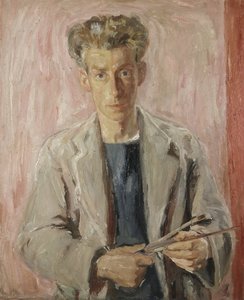
ウィリアム・ジョージ・ギリーズ
1898 - 1973 , イギリス
基本情報
- Artistic Movement Or Style: キュビズム、スコットランド派
- Artists Who Influenced This Artist:
- アンドレ・ロート
- セザンヌ
- ブラック
- ピカソ
- ポール・クレー
- Date Of Birth: 1898年
- Date Of Death: 1973年
- Full Name: ウィリアム・ジョージ・ギリーズ卿
- Nationality: スコットランド人
- Notable Artworks (List Of Titles): ['Two Pots, Saucer and Fruit']
- Place Of Birth (City And Country): ハディントン、イギリス
関連記事
Earthy Hues & Masterpieces: Top 10 Paintings with 'Mushroom' Tones |
Explore 10 iconic paintings with captivating 'mushroom' tones! Discover Van Gogh, Monet & Rembrandt’s masterpieces—earthy palettes, rich history & artistic techniques. Find museum-quality art reproductions and curated decor ideas at
Sandstone & Sunlight: 10 Masterpieces of Earth-Toned Art |
Journey through 10 iconic paintings bathed in 'sand' tones – from Van Gogh to Monet. Explore the stories, techniques & warm palettes of these timeless masterpieces. Find museum-quality art reproductions at and bring classic beauty home.
Rosy Brown Hues: 10 Master Paintings & Timeless Decor Ideas |
Explore 10 iconic paintings bathed in captivating rosy brown tones! From Rembrandt to Titian, discover the stories behind these masterpieces & their warm color palettes. Find museum-quality art reproductions and decor inspiration at .
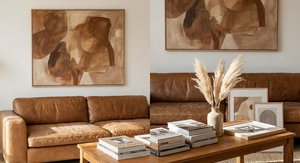
Sandy Brown Masterpieces: 10 Iconic Paintings & Timeless Decor Ideas
Explore 10 iconic paintings bathed in captivating sandy brown tones! From Rembrandt to Monet, discover the stories behind these timeless masterpieces & find museum-quality art reproductions for your home. Explore the full collection on ArtsDot.com.

ポール・セザンヌ:至高の25選 - 傑作と革新の軌跡 | ArtsDot
ポール・セザンヌの至高の25選。ポスト印象派を代表する画家、セザンヌの傑作と革新的な技法を紐解きます。ArtsDotで高品質な複製画やインテリアアートを見つけ、芸術の世界をご自宅に。今すぐコレクションをご覧ください。