 プレビュー
プレビュー
 シェアする
シェアする シェアする
シェアする
 詳細を見る
詳細を見る

 ダウンロード
 似ている作品
 X線調査
X線調査 スライドショー
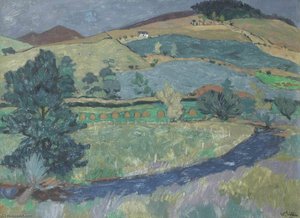
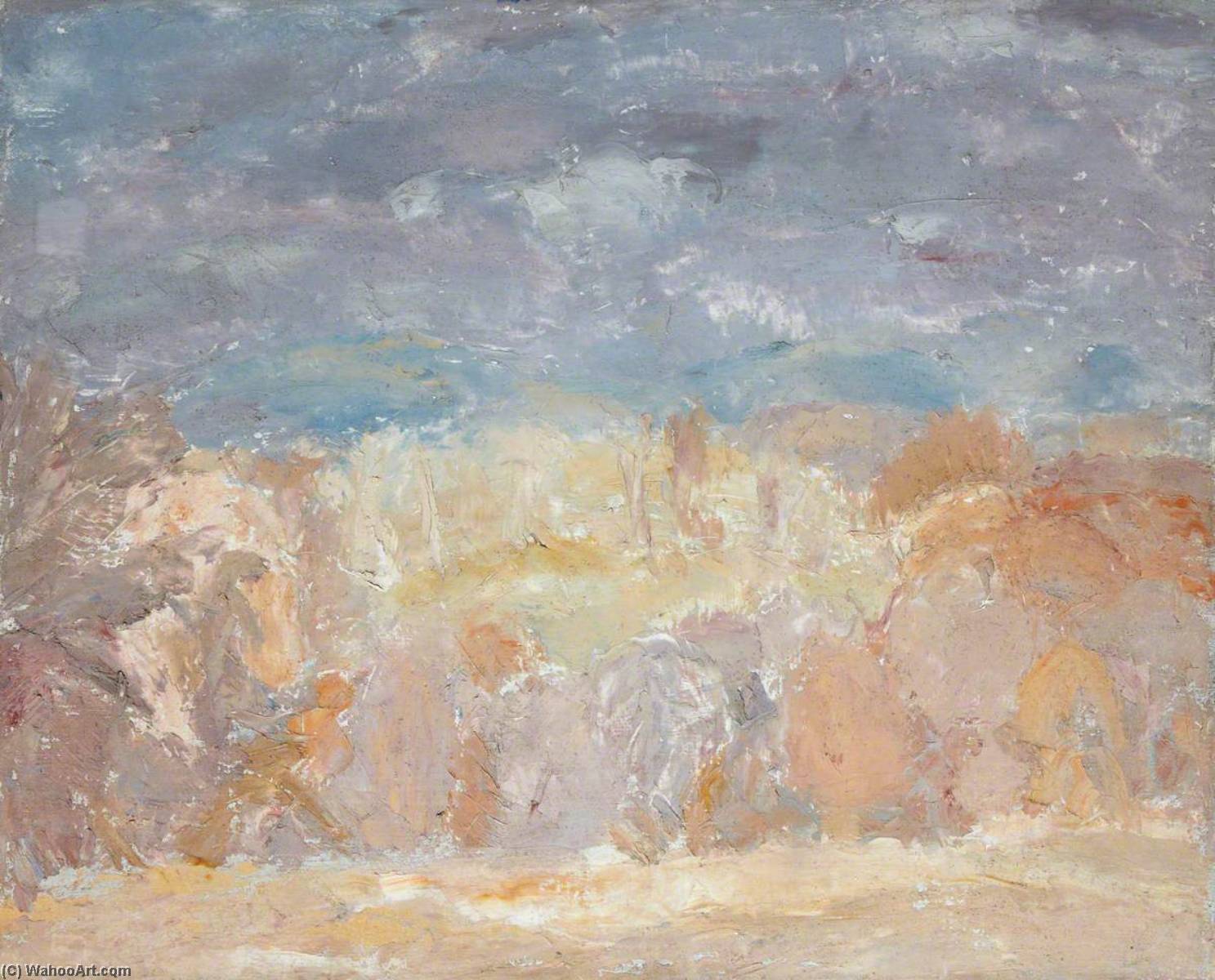
View to the Pentlands from near Temple


 詳細を見る
詳細を見る
ジークレー/アートプリント
迅速な制作と多彩な仕上げオプションを備えた、ミュージアムクオリティのジークレーまたはキャンバスプリント。 ( 手描きの絵画を購入 画像を購入)




P118B $10

P118H $10

P118W $10

P438Z $10

P508JH $12

P508YH $12

P805H $10

P805Z $10

P919BZ $10

P919G $10

P919XJ $10

P959ZH $10

P968JZ $12

W106C $8

W218G $10

W218JH $8

W218Y $10

W307PJ $10

W316G $10

W316PJ $8

W316Y $10

W398PJ $8

W4111J $10

W500HY $15

W500JH $15

W692G $12

W849H $8

W940BG $15

W953PJ $8




作品のオリジナル比率に合わせた、当店の規定サイズからお選びください。

特定のフレームやスペースに合わせて、ご自身でサイズを指定することも可能です。選択されたサイズが元の画像の比率と一致しない場合、作品をトリミングするか、鏡面反射または単色での塗りつぶしによって画像を拡張いたします。制作を開始する前に、ご確認用のデジタルモックアップをお送りいたします。
画面上のプレビューには、実際のトリミングや拡張は反映されませんのでご注意ください。最終的な構図を正確に確認できるのは、モックアップのみとなります。
カスタムサイズも承っておりますが、元の比率を維持するためには、あらかじめ用意されたリストからサイズを選択することをお勧めいたします。


 ガラスオプションは、110cm未満のサイズでのみご利用いただけます。

View to the Pentlands from near Temple
ジークレー/アートプリント
複製画のサイズ
-


合計金額
$ 62
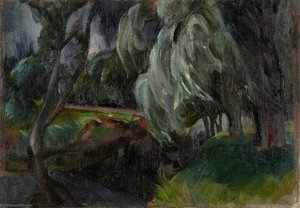
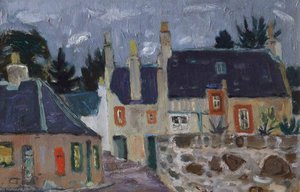
A Vision of Tranquility: Exploring Gillies’ “View to the Pentlands from near Temple”
William George Gillies (1898–1973), a pivotal figure in Scottish Colourist painting, bequeathed to us not merely landscapes but profound meditations on beauty and perception. His masterpiece, “View to the Pentlands from near Temple,” transcends mere representation; it’s an immersive experience of light, colour, and atmosphere—a testament to Gillies' unwavering dedication to capturing the essence of his surroundings.
Painted in 1934, this oil on canvas exemplifies Gillies’ distinctive approach. Influenced by Paul Cézanne’s geometric simplification and subtly echoed in Braque’s muted palette, “View to the Pentlands” eschews photographic accuracy for an impressionistic vision. The artist deliberately avoids meticulous detail, prioritizing instead the conveyance of mood—a serene stillness punctuated by the gentle interplay of sunlight filtering through the foliage.
- Composition: Gillies employs a carefully considered pyramidal structure, guiding the viewer’s eye upwards towards the distant Pentlands hills. The foreground trees and shrubs are rendered with loose brushstrokes that suggest texture and depth, creating an illusion of tangible presence.
- Colour Palette: Dominated by soft blues and greens—particularly shades of teal and olive—the painting radiates tranquility. Yellow highlights illuminate patches of foliage and contribute to a sense of warmth against the cool backdrop of the sky. Gillies’ masterful use of colour is not merely decorative; it serves as an emotional conduit, mirroring the contemplative spirit of the scene.
- Technique: Gillies' brushwork is characterized by visible marks—a deliberate rejection of academic conventions—that imbue the canvas with vitality and immediacy. The artist achieves remarkable luminosity through layering thin glazes of pigment, capturing the subtle nuances of light and shadow.
Beyond its aesthetic merits, “View to the Pentlands” speaks to a broader cultural context. Gillies’ work emerged during a period of artistic experimentation in Britain—a reaction against the dominance of Cubism and Futurism—and aligns with the burgeoning interest in landscape painting as a means of conveying spiritual contemplation. The Pentlands hills themselves hold symbolic significance, representing Scotland's rugged beauty and enduring connection to nature.
Considered by many critics as Gillies’ most emotionally resonant work, “View to the Pentlands from near Temple” continues to inspire admiration for its understated elegance and profound ability to evoke feelings of peace and wonder. It stands as a cornerstone of Scottish Colourist art—a timeless reminder that true beauty resides not in precise imitation but in capturing the intangible spirit of a moment.
Historical Context & Influences
Gillies’ artistic journey began with an exploration of Cubism after studying under André Lhote in Paris (1923) and traveling to Italy (1924). This initial foray into abstraction instilled a fascination with geometric forms and fragmented perspectives—influences that subtly permeate his later landscapes. However, Gillies quickly recognized the limitations of purely intellectual pursuits and sought inspiration in the expressive traditions of Cézanne and Klee.
Symbolism & Emotional Impact
The painting’s muted colour palette and loose brushstrokes are deliberately designed to foster contemplation. The upward gaze towards the Pentlands hills symbolizes aspiration and connection with the sublime—a yearning for transcendence amidst the everyday realities of life. “View to the Pentlands” invites viewers to pause, breathe deeply, and appreciate the quiet grandeur of the natural world.
Gillies’ Legacy & Artistic Significance
Sir William George Gillies remains a celebrated figure in Scottish art history—a pioneer of Colourist painting who championed a humanist aesthetic rooted in observation and emotion. His unwavering commitment to capturing the beauty of Scotland's landscapes cemented his place among the most influential artists of his generation, ensuring that “View to the Pentlands from near Temple” continues to resonate with audiences today.
関連作品
アーティストの略歴
ウィリアム・ジョージ・ギリーズ:スコットランド美術における生涯
1898年、東ロシアン地方のハaddingtonで生まれたウィリアム・ジョージ・ギリーズは、20世紀スコットランド美術を代表する画家の一人として知られています。彼の作品は、初期モダニズムと独特なスコットランドの芸術的アイデンティティとの架け橋となり、その繊細な色彩感覚と風景描写は、多くの人々を魅了し続けています。
ギリーズの芸術への道は、エディンバラ美術大学への入学から始まりました。しかし、第一次世界大戦が勃発すると、彼は王立工兵隊に入隊し、学業は中断せざるを得ませんでした。戦後、彼は再びエディンバラ美術大学に戻り、卒業後は40年以上にわたり同大学で献身的に教鞭を執ることになります。彼の教育者としての側面も、スコットランドの美術界に大きな影響を与えた重要な要素です。
芸術的発展と影響
1923年、ギリーズはパリでアンドレ・ロートのもとでキュビズムを学び、さらにイタリアへの旅行を通して芸術的な視野を広げました。初期の作品、「Two Pots, Saucer and Fruit」(1933)などは、セザンヌに影響を受けた構成と、ブラックやピカソのような控えめな色彩パレットが特徴的です。しかし、彼の芸術における転換点は、1934年にポール・クレーの作品に出会ったことでした。クレーの作品は、ギリーズに色彩のより想像力豊かな使い方と、子供のような素朴さを取り入れることを促し、彼の作風に大きな変化をもたらしました。
厳格なキュビズムから徐々に離れるにつれて、ギリーズはスコットランドの風景や静物画の伝統を根底とした独自のスタイルを確立していきました。彼は、ロシアン地方、ファイフ地方、ボーダー地方などのスコットランドの風景を繊細な眼差しで捉え、その本質を描き出しました。
1922グループと協調性
ギリーズは、1922年にウィリアム・クロジエ、ウィリアム・ガイッスラー、ウィリアム・マクタガートらと共に“1922グループ”を設立しました。この展覧会協会は、新進気鋭のスコットランド人アーティストが作品を発表するためのプラットフォームとして、10年間エディンバラのニューギャラリーで活動しました。グループは、スコットランド美術界におけるコミュニティ意識と革新性を育み、新たな才能の発掘に貢献しました。
テーマと主題
風景画: ギリーズは、ロシアン地方、ファイフ地方、ボーダー地方のスコットランドの風景を描いた作品で広く知られています。彼は、これらの風景の本質を繊細な眼差しで捉え、その美しさを表現しました。
静物画: 静物画もまた、彼の重要なテーマの一つであり、妹のエマ・スミス・ギリーズが制作した陶器が頻繁に登場します。妹の若すぎる死は、彼に深い影響を与え、その作品にも反映されています。
肖像画: 彼は初期には肖像画も試みましたが、風景画と静物画が彼の主要な主題となりました。特に、妹のエマ・スミス・ギリーズの陶器をモチーフにした静物画は、彼自身の感情や記憶を表現する手段として重要な役割を果たしました。
主な功績と評価
ギリーズは1959年から1966年までエディンバラ美術大学の校長を務めました。彼の多大な業績と教育への献身は、スコットランドの画家たちに深い影響を与えました。彼は王立アカデミー会員(RA)に選出され、芸術界における重要な地位を確立しました。
歴史的意義と遺産
ウィリアム・ジョージ・ギリーズは、スコットランドで最も重要な20世紀の画家の一人とされています。彼の作品は、初期モダニズムと独特なスコットランドの芸術的アイデンティティとの架け橋となり、その美しさ、繊細さ、そして永続的な関連性は、今日でも多くの人々を魅了し続けています。
遺産: 彼の影響は、絵画にとどまらず、教育と指導を通してスコットランド美術の方向性を形作りました。1973年に彼は亡くなりましたが、その豊かな作品群は、今もなお称賛され、愛されています。
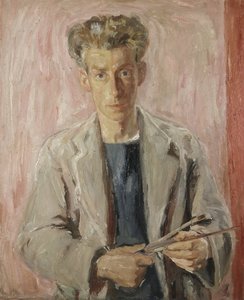
ウィリアム・ジョージ・ギリーズ
1898 - 1973 , イギリス
基本情報
- Artistic Movement Or Style: キュビズム、スコットランド派
- Artists Who Influenced This Artist:
- アンドレ・ロート
- セザンヌ
- ブラック
- ピカソ
- ポール・クレー
- Date Of Birth: 1898年
- Date Of Death: 1973年
- Full Name: ウィリアム・ジョージ・ギリーズ卿
- Nationality: スコットランド人
- Notable Artworks (List Of Titles): ['Two Pots, Saucer and Fruit']
- Place Of Birth (City And Country): ハディントン、イギリス
関連記事
Sir William George Gillies: A Scottish Colourist's Journey Through Landscape & Abstraction
Explore the captivating world of Sir William George Gillies, a leading Scottish Colourist. Discover his journey from Cubism to iconic landscapes & still lifes. Expert insights for collectors and art enthusiasts.

ポール・セザンヌ:至高の25選 - 傑作と革新の軌跡 | ArtsDot
ポール・セザンヌの至高の25選。ポスト印象派を代表する画家、セザンヌの傑作と革新的な技法を紐解きます。ArtsDotで高品質な複製画やインテリアアートを見つけ、芸術の世界をご自宅に。今すぐコレクションをご覧ください。

Evocations of Place: A Historical Journey Through Landscape Art
Explore the rich history of landscape art with ArtsDot. Discover renowned artists, movements like Impressionism & Romanticism, and expert guidance for collecting timeless pieces. Find your perfect serene escape today!

Evocations of Place: A Historical Journey Through Landscape Art
Explore the rich history of landscape art with ArtsDot. Discover renowned artists, movements like Impressionism & tonalism, and expert guidance for collecting timeless pieces. Find your perfect serene escape today!
Thomas Hill: Luminosity, Landscape & the American Pastoral Ideal
Explore the luminous landscapes of Thomas Hill, a pivotal figure in the Hudson River School & Luminism movements. Discover his artistic journey, philosophical depth, and enduring legacy with ArtsDot.