

 プレビュー
プレビュー
 シェアする
シェアする シェアする
シェアする
 詳細を見る
詳細を見る

 ダウンロード
 似ている作品
 X線調査
X線調査 スライドショー
 統計情報
統計情報The Holy Family
 Oil
Oil- WallArt
- Baroque
 1610
1610- Early Modern
 81.0 x 57.0 cm
 Wadsworth Atheneum
 詳細を見る
詳細を見る
オンラインプレビューをはるかに凌ぐ、高解像度で鮮明なデジタル画像をご購入いただけます。
各ファイルは、社内の専門家が高度なツールと熟練した手作業によるレタッチを用いて、細心の注意を払って準備されています。すべての画像において、卓越した鮮明度、正確な色彩再現性、そして繊細なディテールを保証いたします。
最終ファイルは、プロフェッショナルな編集・印刷環境ですぐにご利用いただけるよう最適化された状態で、72時間以内にメールにてお届けいたします。これは、一流のデザインスタジオ、出版社、ギャラリーから信頼されているものと同等の品質です。
デジタルアート
個人での鑑賞、印刷、クリエイティブなプロジェクト用に、高解像度ファイルをダウンロードできます。 ( プリント版に切り替え 手描きの絵画を購入)
デジタル画像のご注文に付随する特典
高品質なデジタル画像配信を、確かな品質で。
ArtsDot.com を選ぶことは、単に画像を手に入れることではありません。それは、プロの手によって精密に仕上げられ、満足保証が付いた高品質なデジタルアートワークを受け取ることを意味します。ご注文いただいた際に自動的に付随する内容は、以下の通りです:

メールですぐにお届け
ご注文から72時間以内に、高解像度のデジタル画像ファイルがメールでお手元に届きます。すぐにそのままご利用いただけます。

AI技術で最適化されたデジタルファイル
お客様の作品は、高度なAIツールと専門家による手作業の編集を組み合わせてプロフェッショナルに最適化されており、細部のディテール、鮮明さ、そして正確な色再現性を最大限に引き出しています。

一生涯無料の再送サービス
ファイルを誤って削除したり、紛失してしまったりしましたか?ご安心ください。いつでも無料で再送いたします。

輸入手数料は一切かかりません
関税や手数料、配送料を気にすることなく、お気に入りのアートワークをすぐにお楽しみいただけます。デジタルダウンロードは常に免税です。

色彩再現の保証
プロ仕様のツールとカラーマネジメント技術を用いることで、デジタル画像が元の色を最大限に忠実に再現することを保証いたします。

100日間満足保証
ご購入いただいたデジタル画像にご満足いただけない場合は、100日以内であれば、理由を問わず修正または100%の返金対応をさせていただきます。

100% 返金保証
ご満足いただけない場合は、デジタルファイルを受け取ってから100日以内であれば、理由を問わず全額返金いたします。

まとめ買い割引
3枚購入で10%OFF - 5枚購入で15%OFF - 10枚以上購入で20%OFF。クリエイティブなプロジェクト、ギャラリー、エージェンシーに最適です。
A Divine Gathering: The Warmth of Sisto Badalocchio’s Holy Family
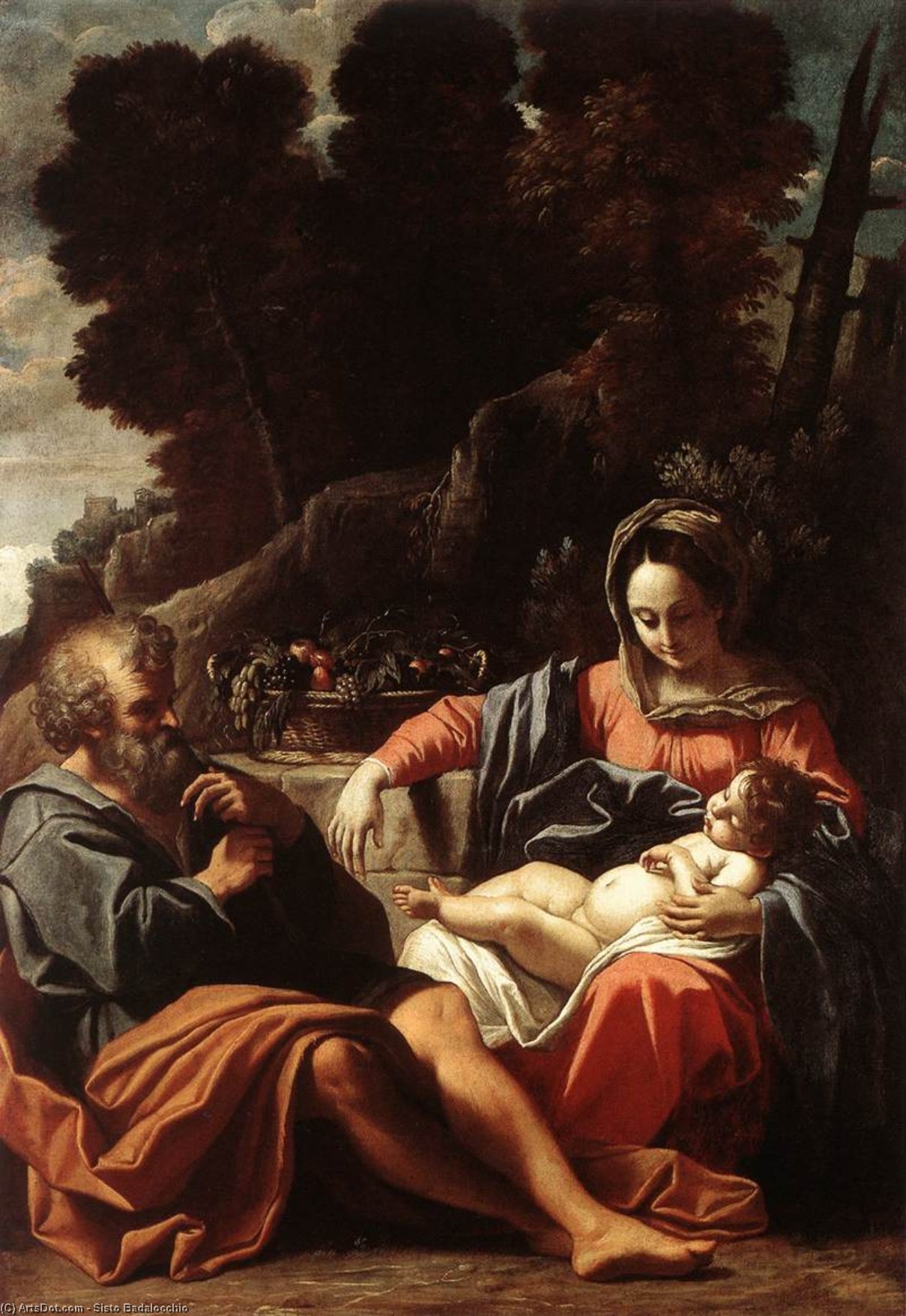
In the quiet intimacy of Sisto Badalocchio’s The Holy Family, dated to 1610, we are invited into a moment of profound tenderness and communal grace. This masterpiece serves as a window into the heart of the Italian Baroque, capturing not just a religious icon, but a deeply human connection. The scene unfolds around a central table, where the Virgin Mary cradles the infant Jesus with a maternal devotion that transcends time. Nearby, Joseph sits in contemplative presence, anchoring the domestic sanctity of the group. As the eye wanders through the composition, it discovers a gathering of figures—some standing, some seated—suggesting an extended circle of family and friends united in celebration. The soft interplay of light and shadow, characteristic of the Bolognese School, breathes life into each face, turning a sacred event into a palpable, breathing reality.
The setting is masterfully balanced by a lush, verdant backdrop of trees that frames the assembly, grounding the divine figures within the natural world. This integration of the celestial and the terrestrial creates an atmosphere of peace and eternal continuity. For the discerning collector or interior designer, this painting offers more than mere decoration; it provides a focal point of serenity. The way the light filters through the foliage to illuminate the central figures evokes a sense of divine presence, making it an ideal centerpiece for spaces designed for reflection, such as a formal dining room, a library, or a quiet study where one seeks inspiration from the classics.
The Legacy of the Carracci Tradition
To understand the technical brilliance of this work, one must look to the lineage of its creator. Sisto Badalocchio was a vital bridge between the classical ideals of the Carracci workshop and the burgeoning energy of the Roman Baroque. Having studied under the luminaries Agostino and Annibale Carracci, Badalocchio inherited a sophisticated command of anatomy, composition, and emotional depth. In The Holy Family, we see this training manifest in the fluid brushwork and the harmonious arrangement of figures that guide the viewer’s gaze in a rhythmic dance across the canvas. His ability to blend the structured elegance of his Bolognese roots with the dramatic chiaroscuro of the Roman style allows the painting to possess both a monumental dignity and an approachable warmth.
The technique employed here is a testament to the era's mastery of oil on canvas, where subtle gradations of tone create a sense of three-dimensional volume. The textures of fabric, the softness of skin, and the organic complexity of the background foliage are rendered with a precision that invites close inspection. For those seeking a high-quality reproduction, these nuances are essential; a faithful recreation must capture the delicate balance of light that Badalocchio used to evoke such profound emotional resonance. Owning a piece that echoes this historical grandeur allows one to bring the sophisticated aesthetic of 17th-century Italy into a modern architectural context, bridging the gap between the storied past and the contemporary home.
関連作品
作家の略歴
Sisto Badalocchio: Bridging Bolognese Baroque and Northern Italian Vision
Sisto Badalocchio (1585-1647) stands as a pivotal figure in the artistic landscape of 16th and early 17th century Italy, specifically within the vibrant Bolognese School. Born in Parma, he embarked on his artistic journey under the tutelage of Agostino Carracci and Annibale Carracci—luminaries whose influence would shape his stylistic sensibilities and propel him to prominence in Rome. His collaboration with Annibale Carracci extended until 1609, fostering a dynamic exchange of ideas that cemented his position within the burgeoning Roman Baroque movement. Recognizing the potential for artistic innovation beyond the capital city, Badalocchio subsequently relocated to Parma, where he continued to hone his craft and establish himself as a respected artist in his own right.- Early Influences & Training: Badalocchio’s formative years were deeply rooted in the Carracci workshop tradition—a bastion of classical idealism infused with Baroque dynamism. The brothers Carracci championed disegno, or drawing, emphasizing meticulous observation and anatomical accuracy as foundational to artistic excellence. This rigorous training instilled in Badalocchio a profound understanding of perspective and composition, elements that would permeate his subsequent works.
- Rome & Collaboration with Raphael: His time in Rome proved instrumental in broadening Badalocchio’s horizons. He joined forces with Giovanni Lanfranco, a fellow student under Raphael, undertaking the monumental task of recreating Raphael's frescoes for the Vatican Loggia—a project that demanded unparalleled technical skill and artistic vision. The resulting images captured the grandeur and spiritual fervor characteristic of Raphael’s workshop, demonstrating Badalocchio’s ability to execute complex commissions with remarkable precision.
The Frescoes of San Giovanni Evangelista: Echoes of Correggio
Badalocchio's most enduring legacy resides in his contribution to the decoration of San Giovanni Evangelista, Reggio Emilia—a church commissioned by Cardinal Federico Borromeo and conceived as a deliberate homage to Correggio’s pioneering frescoes. Badalocchio skillfully interpreted Correggio’s innovative use of illusionistic perspective and atmospheric haze, elevating the church's interior space into an ethereal realm of divine beauty. His meticulous attention to detail and masterful execution ensured that the church’s decoration faithfully conveyed Correggio’s groundbreaking aesthetic principles—a testament to Badalocchio’s artistic erudition and his commitment to upholding the highest standards of Baroque art.- Notable Works: Beyond San Giovanni Evangelista, Badalocchio produced several significant paintings, including ‘The Holy Family,’ ‘The Virgin,’ and ‘The Entombment of Christ.’ These works exemplify his characteristic style—characterized by luminous color palettes, dramatic chiaroscuro effects, and a profound sense of emotional depth.
- Recognition & Legacy: While Badalocchio’s collaborations with Lanfranco often garnered considerable acclaim, he remained somewhat overshadowed by his peers. Nevertheless, he is recognized today as an indispensable figure in disseminating the stylistic innovations of the Bolognese Baroque throughout Northern Italy—a testament to his enduring artistic contribution.
Stylistic Characteristics & Artistic Significance
Badalocchio’s oeuvre embodies the core tenets of Bolognese Baroque, blending classical ideals with dramatic theatricality. His masterful handling of disegno ensured that his paintings possessed both anatomical accuracy and compositional elegance—qualities that distinguished him from many of his contemporaries. Furthermore, Badalocchio's embrace of Correggio’s techniques—particularly illusionistic perspective—demonstrated a willingness to push artistic boundaries and elevate the visual experience for viewers. He stands as an exemplar of Baroque artistry, securing his place in art history as a conduit between Bolognese artistic tradition and the broader European Baroque movement.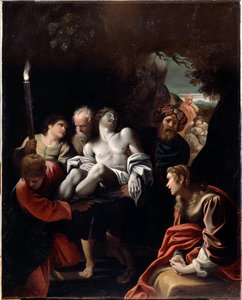
Sisto Badalocchio
1585 - 1647 , Italy
プロフィール概要
- Artistic Movement Or Style: Italian Baroque
- Artists Or Movements Influenced By This Artist: ['Correggio']
- Artists Who Influenced This Artist:
- Agostino Carracci
- Annibale Carracci
- Date Of Birth: Parma, Italy (1585)
- Date Of Death: 1647
- Full Name: Sisto Badalocchio Rosa
- Nationality: Italian
- Notable Artworks:
- Susanna and the Elders
- The Virgin
- The Entombment of Christ
- Place Of Birth: Parma