 プレビュー
プレビュー
 プリントを購入
 シェアする
シェアする シェアする
シェアする
 詳細を見る
詳細を見る

 ダウンロード
 似ている作品
 X線調査
X線調査 スライドショー
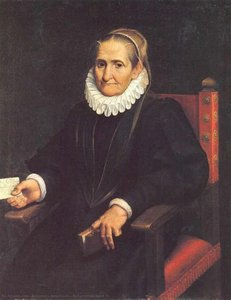
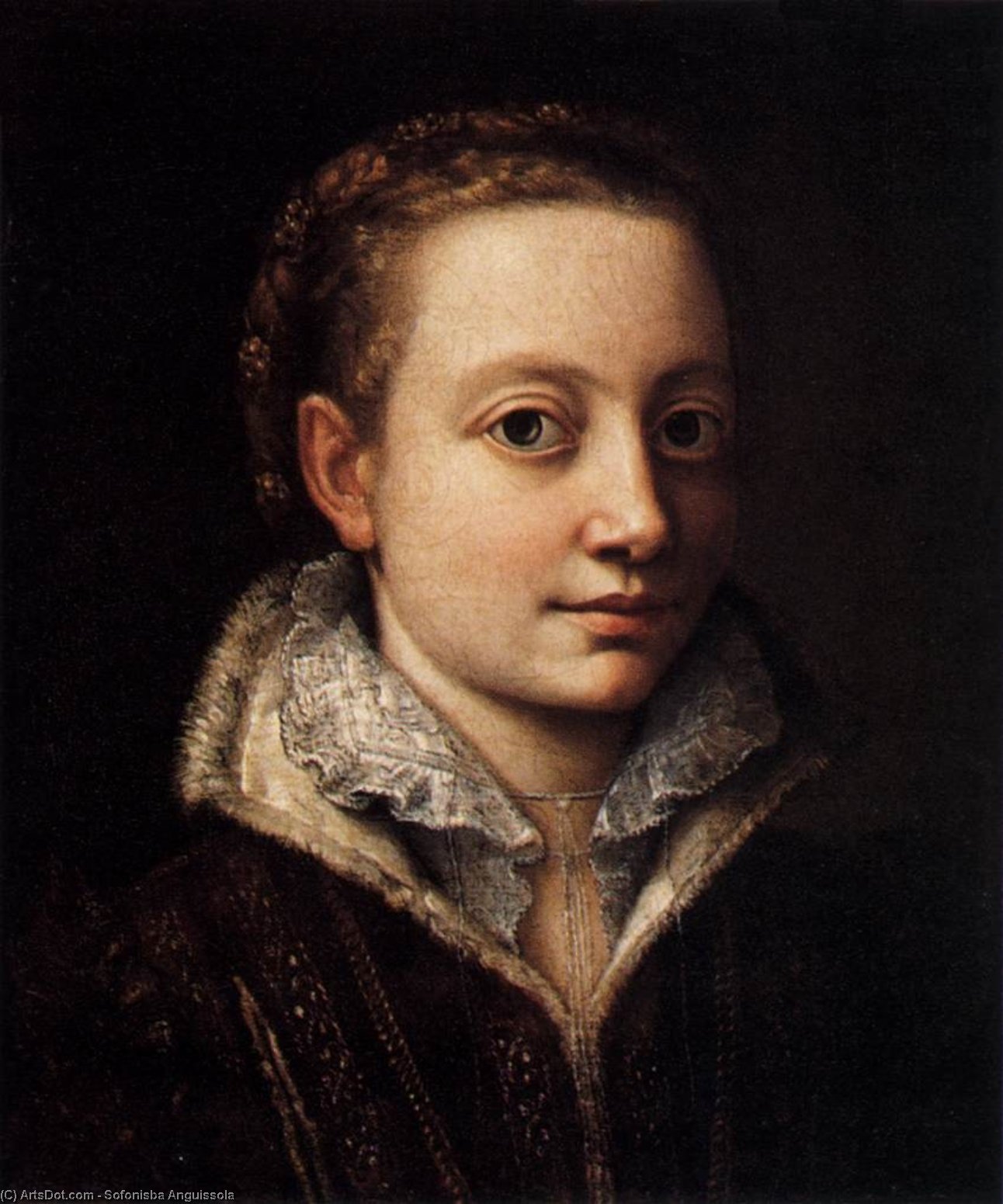
Portrait of Minerva Anguissola
 Oil On Canvas
- WallArt
- Mannerism
 36.0 x 29.0 cm
 ピナコテカ・ディ・ブレラ
 詳細を見る
詳細を見る




P118B $10

P118H $10

P118W $10

P438Z $10

P508JH $12

P508YH $12

P805H $10

P805Z $10

P919BZ $10

P919G $10

P919XJ $10

P959ZH $10

P968JZ $12

W106C $8

W218G $10

W218JH $8

W218Y $10

W307PJ $10

W316G $10

W316PJ $8

W316Y $10

W398PJ $8

W4111J $10

W500HY $15

W500JH $15

W692G $12

W849H $8

W940BG $15

W953PJ $8




作品のオリジナル比率に合わせた、当店の規定サイズからお選びください。

特定のフレームやスペースに合わせて、ご希望のサイズをご入力いただけます。選択されたサイズが元の画像の比率と異なる場合、アートワークをトリミングするか、手描きで要素を追加して絵画を拡張いたします。デジタルモックアップ を制作し、制作開始前にご確認(承認)をいただきます。
画面上のプレビューは、実際のトリミングや拡張を正確に反映しているものではありません。最終的な構図は、モックアップによってのみ正確にご確認いただけます。
カスタムサイズもご利用いただけますが、元の比率を維持するためには、あらかじめ用意されたリストからサイズを選択することをお勧めいたします。
ご注文後、ArtsDot.com チームより詳細な指示をお送りするとともに、仕上がりイメージ(モックアップ)をご提供いたします。


 ガラスオプションは、110cm未満のサイズでのみご利用いただけます。

Portrait of Minerva Anguissola
複製技法
複製画のサイズ
-


合計金額
$ 263
作品解説
The Enigmatic Gaze: Unveiling Sofonisba Anguissola’s Portrait of Minerva Anguissola
Sofonisba Anguissola's “Portrait of Minerva Anguissola,” painted around 1564, is more than a simple likeness; it’s a carefully constructed tableau of identity, ambition, and the burgeoning role of women in Renaissance art. The painting immediately draws the viewer into a direct engagement with its subject – a woman radiating intelligence and quiet strength. Minerva, depicted against a subtly textured dark background, holds her gaze with an unwavering intensity, challenging the traditional passive portrayal often assigned to female subjects. Her posture is remarkably self-assured, a deliberate assertion of presence within a world largely dominated by male artistic conventions. The subtle turn of her head, the delicate placement of her hands – every detail speaks to a conscious effort on Anguissola’s part to elevate her sister beyond mere portraiture and into the realm of dignified representation.
- Style & Technique: The painting exemplifies the late mannerism style prevalent in 16th-century Italy, characterized by an emphasis on elegance, psychological depth, and a refined use of light and shadow. Anguissola’s masterful handling of oil paint creates a remarkable sense of texture – from the soft folds of Minerva's clothing to the delicate sheen of her hair. The muted color palette—primarily browns, creams, and subtle blues—contributes to an atmosphere of contemplative serenity.
- Composition: The composition is remarkably balanced, with Minerva occupying the central space and drawing the eye directly to her face. The use of a half-length pose was innovative at the time, allowing for greater detail in the subject’s expression and attire.
A Pioneer's Legacy: Sofonisba Anguissola and the Breaking of Artistic Barriers
Sofonisba Anguissola’s story is inextricably linked to the broader context of Renaissance art, where women were largely excluded from formal artistic training. Her father, Amilcare Anguissola, a shrewd instrument maker and musician, recognized her exceptional talent early on and defied societal expectations by providing her with an unusually comprehensive education that included drawing, painting, music, and Latin. This radical decision paved the way for her to become one of the few female artists to achieve significant recognition during this period. Her success wasn’t merely a matter of skill; it was a testament to her determination to challenge established norms and assert her artistic agency in a male-dominated world.
Historical Context:During the 16th century, women artists faced considerable obstacles. They were often excluded from formal training, denied access to prestigious art academies, and frequently relegated to producing works for private commissions or devotional subjects. Anguissola’s rise to prominence was therefore all the more remarkable, representing a significant step forward for female artists in Italy.
Symbolism & Intimacy: Decoding the Portrait's Layers
Beyond its formal qualities, “Portrait of Minerva Anguissola” is rich in symbolic meaning. The dark background serves to isolate and emphasize the subject’s presence, suggesting a sense of introspection and inner strength. The simple yet elegant attire—a white collar and a dark gown—reflects her status as a noblewoman while simultaneously conveying an air of quiet dignity. Notably, Minerva's gaze is direct and unwavering, projecting confidence and intelligence. Some art historians suggest that the painting may also represent Anguissola herself, subtly asserting her own artistic identity within the portrait.
Further Research:The painting’s provenance has been meticulously documented, tracing its journey through various collections over centuries. It is currently housed in the Pinacoteca di Brera in Milan, where it continues to captivate viewers with its timeless beauty and profound psychological depth. Examining related works by Anguissola, such as her self-portraits and family portraits, provides further insight into her artistic style and personal life.
A Timeless Masterpiece: Reproduction & Artistic Inspiration
Reproductions of “Portrait of Minerva Anguissola” offer a remarkable opportunity to experience the artistry of this Renaissance icon. The meticulous detail and nuanced expression captured by Anguissola are faithfully reproduced in high-quality prints, allowing art lovers to bring this captivating portrait into their homes or offices. Whether used as a statement piece in a sophisticated interior design scheme or simply admired for its historical significance, this painting remains a powerful symbol of female artistic achievement and the enduring allure of Renaissance beauty.
関連作品

アーティストの略歴
ルネサンスの光彩:ソフォニスバ・アンギスオラの生涯と芸術
16世紀イタリアの活気あふれる芸術界から、真の先駆者として現れたソフォニスバ・アンギスオラは、当時の社会規範に挑み、ルネサンス期で最も名高い女性画家の一人としての地位を確立しました。1532年頃、クレモナにてアミルカレ・アンギスオラとビアンカ・ポンゾーニの間に生まれた彼女は、当時の女性としては極めて進歩的な教育環境に恵まれました。父アミルカレは、ソフォニスバ、エレナ、ルチア、エウロパという娘たちの類まれな芸術的才能を見抜き、ラテン語、音楽、そして何より重要な「デッサン」を含む人文主義的な教育を施すことで、従来の慣習を打ち破ったのです。娘たちの知的・創造的発展に対するこの献身的な姿勢は革命的なものであり、ソフォエニバの輝かしいキャリアの礎となりました。アンギスオラ家は貴族の家系ではありましたが、決して裕福ではありませんでした。しかし、アミルカレは娘たちの才能を育むことが社会的な立身出世と個人の充足につながると信じていました。この急進的な思想は、後の世代の女性芸術家たちに道を開くことになります。1546年、ソフォニスバとエレナは地元の尊敬を集める画家ベルナルディーノ・カンピのもとで正式な修行を開始し、1550年頃にはベルナルディーノ・ガッティ(イル・サジャローロ)に師事しました。こうした徒弟制度による学びは、それ自体が画期的な出来事であり、芸術の極致を求める女性たちの前に閉ざされていた扉を押し開いたのです。親密さと革新:芸術的声の形成
アンギスオラの初期作品は、驚くべき親密さと心理的な深みを特徴としており、それは特に家族を描いた肖像画に顕著に表れています。彼女の作品は単なる外見の模写にとどまらず、個人の性格や家族の絆を深く洞察した探求の記録でした。例えば、「チェスをする画家の姉妹」(1555年頃)といった作品は、その能力を見事に証明しており、繊細な表情や仕草を通じて、ふとした瞬間の交流を鮮やかに捉えています。その構図は極めて自然であり、当時の肖像画にありがちな硬直した形式主義を排しています。彼女のスタイルは当初、ロンバルディア・マニエリスムの影響を受けていましたが、スペインでの滞在を経て、宮廷肖像画に求められる洗練されたアプローチへと進化を遂げました。繊細な色彩で写実的な特徴を描き出し、柔らかな筆致を通じて感情を伝える彼女の才能は、比類のないものでした。自画像は彼女のキャリアを通じて繰り返されるテーマとなり、単なる技術の誇示としてだけでなく、男性優位の世界における女性芸術家としてのアイデンティティを力強く主張する手段となりました。「イーゼルの前の自画像」(1556年)は特に象徴的な作品であり、自信に満ちて創作に打ち込むソフォニスバの姿を通じて、鑑賞者に対して彼女の芸術的権威を認めさせるような力強さを放っています。宮廷への招聘:スペインでの生活と研鑽
1559年、アンギスオラの運命を大きく変える瞬間が訪れます。フェリペ2世の王妃、エリザベス・デ・ヴァロワによってスペインへと招かれたのです。この招待は単なる雇用の申し出ではなく、彼女の卓越した才能に対する正当な評価であり、王妃自身の芸術への傾倒を物語るものでした。ソフォニスバは女官として、また絵画の家庭教師として仕え、当時の女性としては前例のない「宮廷画家」という公的な地位を手にしました。彼女は王族やスペイン貴族の肖像画を手掛け、人物の本質を見抜く繊察さを保ちながら、宮廷肖像画に求められる格調高い様式へと自らのスタイルを適応させていきました。宮廷における彼女の存在は極めて重要でした。彼女は単に女性画家として受け入れられていただけでなく、その技術と知性において、一人の人間として高く評価されていたのです。1568年にエリザベス王妃が早すぎる死を遂げた後、フェリペ2世はソフォニスバとシチリアの貴族ファブリツィオ・モンカダとの結婚を後押ししました。これにより、彼女は貴族としての地位を維持しながら、描き続けることを可能にしたのです。この配慮には、国王による彼女の芸術への敬意と、彼女の幸福を願う慈愛が込められていました。その後、モンカダの死を経て彼女は再婚しましたが、生涯を通じて筆を置くことはありませんでした。先駆者の遺産:影響と歴史的意義
ソフォニスバ・アンギスオラの功績は、スペイン宮廷という枠組みを遥かに超えて広がっています。彼女の作品は従来の芸術的規範に挑戦し、後世の女性芸術家たちの道を切り拓きました。女性が芸術において卓越できるだけでなく、国際的な評価とパトロンを得られることを彼女は身をもって証明したのです。彼女の精神は、障壁を打ち破り、社会的な期待に抗い続けた後継の女性画家たちの作品の中にも息づいています。主な影響源としては、ベルナルディーノ・カンピやベルナルシーノ・ガッティといったロンバルディア派の画家たちが挙げられますが、彼女は最終的に、写実性、親密さ、そして心理的洞察を特徴とする独自のスタイルを確立しました。彼女の自画像は、今なお女性の芸術的な主体性を象徴する力強いシンボルとして、アーティストや研究者たちにインスピレーションを与え続けています。永遠に続く称賛
今日、ソフォニスバ・アンギスオラはルネサンスにおける最も重要な人物の一人として、正当な評価を受けています。彼女の作品は、マドリードのプラド美術館、フィレンツェのウフィツィ美術館、ボストンのイザベラ・スチュアート・ガードナー美術館など、世界中の権威あるコレクションに収蔵されています。彼女の物語は、社会的な境界を超越する芸術の力、そして期待を裏切り情熱を追い求めた一人の女性の不朽の遺産として、今もなお人々の心に響き続けています。対象の外見だけでなく、その内面までも捉える彼女の卓越した手腕により、その作品は制作から数世紀を経た今もなお、私たちを魅了し続けて止まないのです。- 彼女の作品は、ボストン(イザベラ・スチュアート・ガードナー美術館)、ミルウォーキー(ミルウォーキー美術館)、ベルガモ、ブレシア、ブダペスト、マドリード(プラド美術館)、ナポリ、シエナなどで鑑賞することができます。
- ジョルジョ・ヴァザーリは、彼女のデッサン力、色彩感覚、自然を写し取る力、優れた模写能力、そして美しい絵画を生み出す才能を称賛しました。
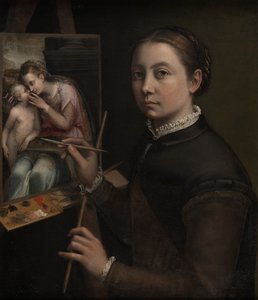
ソフォニスバ・アングイソラ
1532 - 1625 , イタリア
基本情報
- Artistic Movement Or Style: ルネサンス、マニエリスム
- Artists Or Movements Influenced By This Artist: ['ルネサンス期の女性画家']
- Artists Who Influenced This Artist:
- ベルナルディーノ・カンピ
- ベルナルディーノ・ガッティ
- Date Of Birth: 1532年頃
- Date Of Death: 1625年
- Full Name: ソフォニスバ・アンギスオラ
- Nationality: イタリア
- Notable Artworks:
- イーゼルに向かう自画像
- アンギスオラ家の肖像画
- ミネルヴァ・アンギスオラの肖像
- Place Of Birth: イタリア、クレモナ
関連記事

The Enduring Legacy of Oil on Canvas: Technique, History & Aesthetic Impact
Explore the rich history & techniques of oil painting – from Renaissance masters to Impressionism. Discover pigments, layering methods, and why this timeless medium endures. Expert insights for artists & art enthusiasts.

Oil on Canvas: A Historical & Technical Exploration of a Timeless Artistic Medium
Explore the rich history & enduring techniques of oil painting on canvas. Discover the science behind its longevity, conservation practices, and contemporary relevance. Expert insights for art enthusiasts.

The Enduring Power of Painting: A Historical & Contemporary Exploration of Form and Emotion
Explore the rich history & enduring techniques of oil painting with ArtsDot. Discover masterpieces, learn about art collecting, and find authentic handmade reproductions crafted by skilled artists.

油彩のキャンバス:技法、歴史、そして現代の実践 - 古典美術愛好家へ
油彩の技法、歴史、巨匠たちの秘密を徹底解説。古典美術愛好家向けに、初期フランドル絵画から現代の実践まで深く掘り下げます。ArtsDotで高品質な複製画やカスタムオーダーも承ります。

The Enduring Legacy of Likeness: Commissioning Oil Portraits as Vessels of Memory and Emotional Connection
Commission a timeless oil portrait with ArtsDot.com! Expert artists capture your legacy & emotions in museum-quality paintings. Preserve family history – explore our bespoke services today.