

 プレビュー
プレビュー
 プリントを購入
 シェアする
シェアする シェアする
シェアする
 詳細を見る
詳細を見る

 ダウンロード
 似ている作品
 X線調査
X線調査 スライドショー
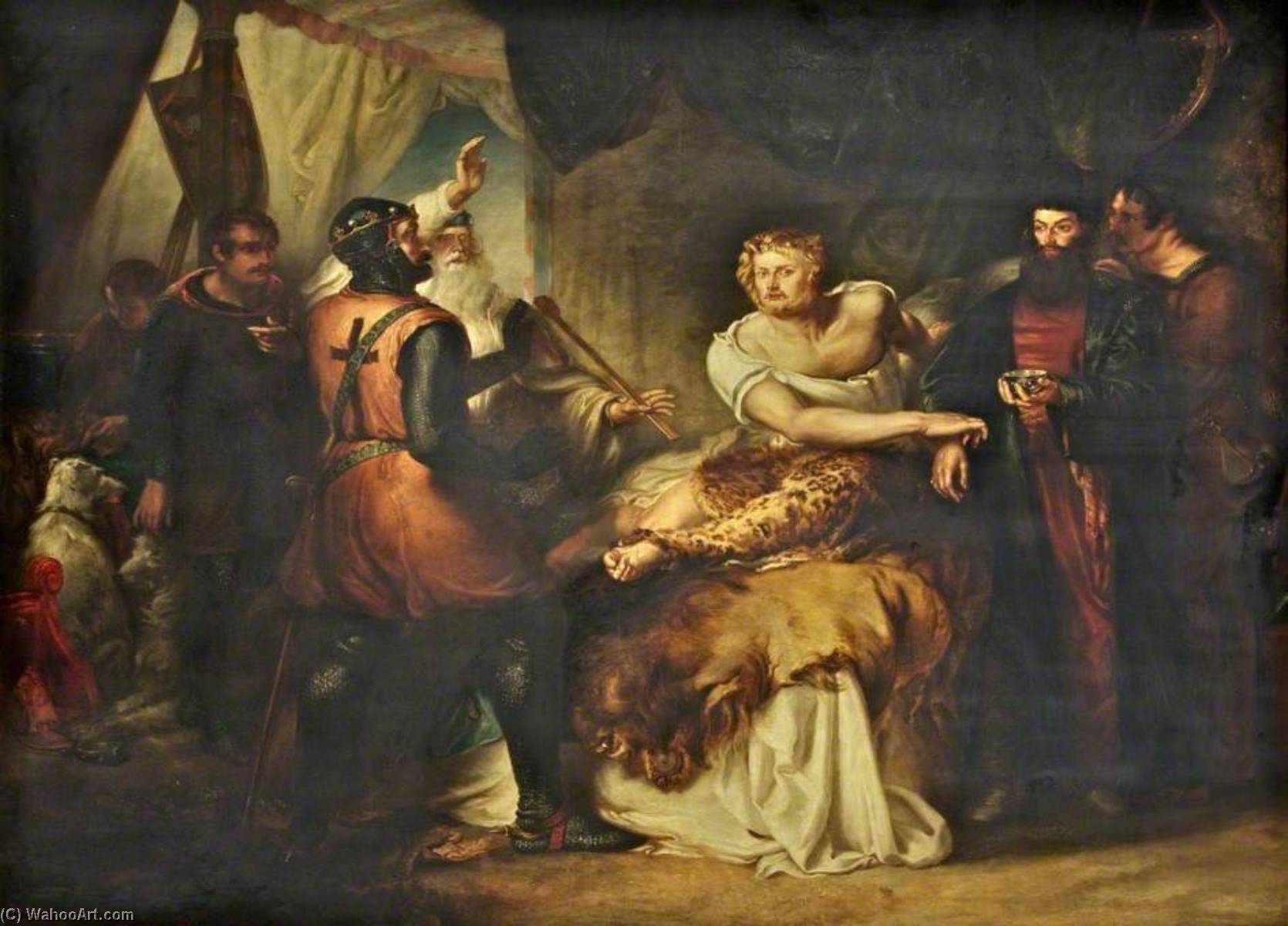
King Richard I of England and Soldan Saladin
 Oil On Canvas
- WallArt
- Historical Painting
 1835
1835- 19th Century
 173.0 x 206.0 cm
 ウォーカー・アート・ギャラリー
 詳細を見る
詳細を見る




P118B $10

P118H $10

P118W $10

P438Z $10

P508JH $12

P508YH $12

P805H $10

P805Z $10

P919BZ $10

P919G $10

P919XJ $10

P959ZH $10

P968JZ $12

W106C $8

W218G $10

W218JH $8

W218Y $10

W307PJ $10

W316G $10

W316PJ $8

W316Y $10

W398PJ $8

W4111J $10

W500HY $15

W500JH $15

W692G $12

W849H $8

W940BG $15

W953PJ $8




作品のオリジナル比率に合わせた、当店の規定サイズからお選びください。

特定のフレームやスペースに合わせて、ご希望のサイズをご入力いただけます。選択されたサイズが元の画像の比率と異なる場合、アートワークをトリミングするか、手描きで要素を追加して絵画を拡張いたします。デジタルモックアップ を制作し、制作開始前にご確認(承認)をいただきます。
画面上のプレビューは、実際のトリミングや拡張を正確に反映しているものではありません。最終的な構図は、モックアップによってのみ正確にご確認いただけます。
カスタムサイズもご利用いただけますが、元の比率を維持するためには、あらかじめ用意されたリストからサイズを選択することをお勧めいたします。
ご注文後、ArtsDot.com チームより詳細な指示をお送りするとともに、仕上がりイメージ(モックアップ)をご提供いたします。


 ガラスオプションは、110cm未満のサイズでのみご利用いただけます。

King Richard I of England and Soldan Saladin
複製技法
複製画のサイズ
-


合計金額
$ 263
King Richard I of England and Soldan Saladin – A Dialogue Across Cultures
Solomon Alexander Hart’s “King Richard I of England and Soldan Saladin” stands as a testament to Victorian fascination with historical grandeur and the burgeoning interest in portraying complex human relationships amidst momentous events. Painted in 1835, this oil on canvas masterpiece captures a pivotal moment from the Third Crusade – the negotiation between King Richard I Lionheart and Sultan Saladin over Jerusalem’s fate. Hart's meticulous attention to detail elevates it beyond mere illustration; he strives for an emotional resonance that speaks to the anxieties and aspirations of his era.Composition and Technique: Capturing Tension Through Light
The painting’s composition immediately establishes a palpable tension. Richard I, depicted with regal bearing – long hair flowing down his shoulders, clad in chainmail – dominates the left side of the canvas. He holds aloft a sword, symbolizing power and martial prowess, alongside a scroll bearing diplomatic terms. Opposite him sits Saladin, seated on a richly ornamented carpet, his gaze lowered as if contemplating profound thought. Hart skillfully employs chiaroscuro—the dramatic interplay of light and shadow—to heighten this visual drama. Light illuminates Richard’s face and armor, emphasizing his determination, while Saladin is enveloped in darkness, conveying humility and introspection. The artist's brushstrokes are deliberate and controlled, capturing the textures of fabric and metal with remarkable accuracy – a hallmark of Victorian academic painting.Historical Context: Crusade Ideals and Political Pragmatism
The Third Crusade (1187-1192) represented more than just a military expedition; it embodied Christendom’s fervent desire to reclaim Jerusalem from Muslim control after Saladin’s triumph over Crusader forces. Hart skillfully portrays this ideological clash, reflecting the anxieties of Victorian Britain grappling with questions of faith and empire. The depiction isn't simply a chronicle of events but an attempt to distill their essence—the confrontation between righteous indignation and calculated diplomacy. The inclusion of additional figures in the background underscores the multifaceted nature of the negotiations, representing advisors and diplomats from both sides striving for advantageous outcomes.Symbolism: Beyond Warfare – A Reflection of Human Dignity
Beyond the battlefield imagery, Hart imbues the painting with subtle symbolic gestures. Richard’s sword symbolizes not only military might but also righteousness—a conviction that he is fighting for a noble cause. Saladin's posture conveys humility and wisdom, suggesting that true leadership resides in recognizing one's limitations alongside embracing moral responsibility. The ornate carpet beneath Saladin serves as a visual anchor, grounding him in tradition and emphasizing the importance of deliberation and contemplation. These elements contribute to Hart’s overarching aim: to portray figures not merely as warriors or rulers but as individuals grappling with weighty decisions and striving for ethical conduct.Emotional Impact: A Moment Frozen in Time
“King Richard I of England and Soldan Saladin” succeeds in conveying a profound emotional impact. The artist captures the gravity of the situation—the stakes involved in securing Jerusalem’s future—with sensitivity and nuance. The painting invites viewers to contemplate the complexities of human interaction under pressure, prompting reflection on themes of courage, honor, and diplomacy. Hart's masterful technique and astute observation of historical context solidify this artwork's place as a significant contribution to Victorian art history – an enduring reminder that even amidst conflict, dialogue and understanding can prevail.関連作品



アーティストの略歴
A Pioneer Forging New Paths: The Life and Art of Solomon Alexander Hart
Solomon Alexander Hart, born in Plymouth, England, in 1806, occupies a unique and pivotal position within the landscape of 19th-century British art. He wasn’t merely a painter of historical scenes and compelling portraits; he was a trailblazer, becoming the first Jewish member of the prestigious Royal Academy – a breakthrough that resonated far beyond the artistic community. His journey, beginning with early training from his father, Samuel Hart, a respected engraver and teacher of Hebrew, was one of persistent dedication and remarkable talent. While initially apprenticed to a local engraver after completing his basic education, young Solomon’s ambition led him to seek entry into the Royal Academy itself, an institution previously closed off to artists of Jewish faith. This acceptance marked not only a personal triumph but also signaled a gradual shift in societal barriers within the British art world.From Genre Scenes to Renaissance Echoes: Artistic Development and Style
Hart’s artistic explorations at the Royal Academy were characterized by a willingness to experiment, ranging from intimate genre scenes depicting everyday life to grand historical compositions demanding meticulous research and skillful execution. He quickly distinguished himself as a master of miniature painting, demonstrating an extraordinary capacity for detail and precision – qualities highly valued during that era. However, it was his early works imbued with Jewish themes that first revealed his cultural heritage and personal connection to his roots. A turning point in Hart’s artistic trajectory arrived with a formative study trip to Italy in 1841. Immersing himself in the art of the Italian Renaissance, particularly captivated by the frescoes of Domenico Ghirlandaio, he began incorporating motifs and compositional elements from church and monastery paintings into his own work. This fusion of styles – blending British academic tradition with Italian Renaissance influences and Jewish iconography – became a hallmark of his unique artistic voice. He wasn’t simply imitating; he was synthesizing diverse traditions to create something distinctly his own.Achievements and Recognition: A Rising Star in the Royal Academy
Hart's debut at the Royal Academy exhibitions in 1826, with a portrait of his father, immediately established him as an artist to watch. His talent was undeniable, and his dedication unwavering. By 1840, he had achieved full membership within the Academy, solidifying his reputation and securing his place among Britain’s leading artists. Notable works from this period include “The Submission of the Emperor Barbarossa to Pope Alexander III,” a dramatic historical narrative showcasing his skill in large-scale composition, and "The Writing on the Wall," a powerful depiction of biblical prophecy. Beyond his easel paintings, Hart broadened his reach by creating illustrations for prominent periodicals such as the Athenaeum and the Jewish Chronicle, demonstrating his versatility and engaging with a wider audience. The pinnacle of his academic career arrived in 1854 when he was appointed a professor at the Royal Academy, further cementing his position as a leading figure in British art education and mentorship.Legacy and Historical Significance: Breaking Barriers and Bridging Cultures
Solomon Alexander Hart’s influence extends far beyond his impressive body of work. He remains a significant figure for several reasons. Firstly, he was a key influencer who blended genre painting with historical narratives and religious themes, creating a unique visual language that resonated with Victorian audiences. Secondly, as the first Jewish member of the Royal Academy, he shattered long-standing barriers and paved the way for future generations of Jewish artists in Britain. His life story serves as an inspiring example of perseverance and artistic achievement in the face of societal prejudice. Even as his eyesight gradually diminished in later years, Hart continued to paint with unwavering passion until his death in 1881. He left behind a legacy not only of artistic innovation but also of cultural representation – a testament to his enduring impact on British art history. His work continues to be studied and admired for its technical brilliance, historical insight, and the powerful message of inclusivity it embodies. He stands as a reminder that art has the power to transcend boundaries and connect us across cultures and time.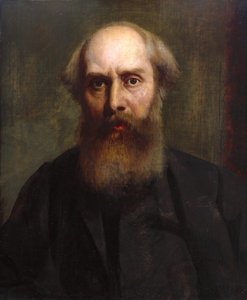
Solomon Alexander Hart
1806 - 1881 , United Kingdom
基本情報
- Artistic Movement Or Style: Historical, portraiture
- Artists Or Movements Influenced By This Artist: Future Jewish artists
- Artists Who Influenced This Artist: ['Domenico Ghirlandaio']
- Date Of Birth: 1806
- Date Of Death: 1881
- Full Name: Solomon Alexander Hart
- Nationality: British
- Notable Artworks:
- Milton Visiting Galileo
- Procession of the Law
- Self Portrait
- The Writing on the Wall
- Place Of Birth: Plymouth, UK
関連記事

The Enduring Legacy of Oil on Canvas: Technique, History & Aesthetic Impact
Explore the rich history & techniques of oil painting – from Renaissance masters to Impressionism. Discover pigments, layering methods, and why this timeless medium endures. Expert insights for artists & art enthusiasts.

Oil on Canvas: A Historical & Technical Exploration of a Timeless Artistic Medium
Explore the rich history & enduring techniques of oil painting on canvas. Discover the science behind its longevity, conservation practices, and contemporary relevance. Expert insights for art enthusiasts.

The Enduring Power of Painting: A Historical & Contemporary Exploration of Form and Emotion
Explore the rich history & enduring techniques of oil painting with ArtsDot. Discover masterpieces, learn about art collecting, and find authentic handmade reproductions crafted by skilled artists.

油彩のキャンバス:技法、歴史、そして現代の実践 - 古典美術愛好家へ
油彩の技法、歴史、巨匠たちの秘密を徹底解説。古典美術愛好家向けに、初期フランドル絵画から現代の実践まで深く掘り下げます。ArtsDotで高品質な複製画やカスタムオーダーも承ります。
NFTコレクター向け:デジタル画像を手描きオイルレプリカに変換し、ミュージアム品質で収益と価値を最大化
ArtsDotは、デジタル画像をミュージアム品質の手描きオイルレプリカへ変換する専門家です。高い技術と厳格な品質管理で、NFTコレクターに信頼できる投資価値を提供します。

