

 プレビュー
プレビュー
 プリントを購入
 シェアする
シェアする シェアする
シェアする
 詳細を見る
詳細を見る

 ダウンロード
 似ている作品
 X線調査
X線調査 スライドショー
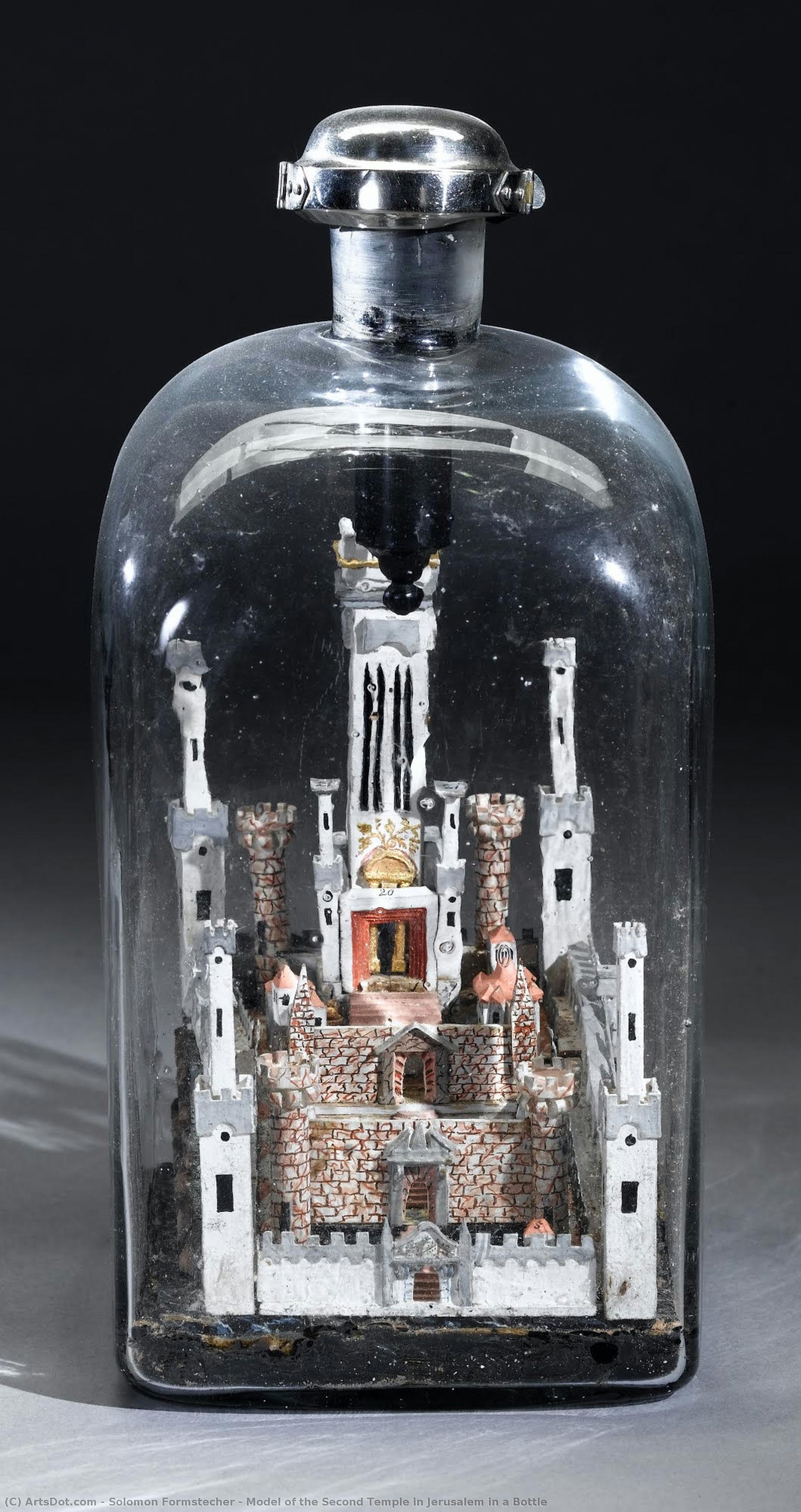
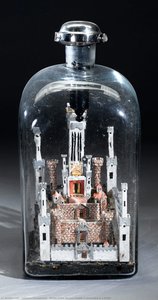
Model of the Second Temple in Jerusalem in a Bottle
 Oil On Paper
- Realism
 1813
1813- 19th Century
 28.0 x 12.0 cm
 The Jewish Museum
 詳細を見る
詳細を見る
オンラインプレビューをはるかに凌ぐ、高解像度で鮮明なデジタル画像をご購入いただけます。
各ファイルは、社内の専門家が高度なツールと熟練した手作業によるレタッチを用いて、細心の注意を払って準備されています。すべての画像において、卓越した鮮明度、正確な色彩再現性、そして繊細なディテールを保証いたします。
最終ファイルは、プロフェッショナルな編集・印刷環境ですぐにご利用いただけるよう最適化された状態で、72時間以内にメールにてお届けいたします。これは、一流のデザインスタジオ、出版社、ギャラリーから信頼されているものと同等の品質です。
デジタル画像のご注文に付随する特典
高品質なデジタル画像配信を、確かな品質で。
ArtsDot.com を選ぶことは、単に画像を手に入れることではありません。それは、プロの手によって精密に仕上げられ、満足保証が付いた高品質なデジタルアートワークを受け取ることを意味します。ご注文いただいた際に自動的に付随する内容は、以下の通りです:

メールですぐにお届け
ご注文から72時間以内に、高解像度のデジタル画像ファイルがメールでお手元に届きます。すぐにそのままご利用いただけます。

AI技術で最適化されたデジタルファイル
お客様の作品は、高度なAIツールと専門家による手作業の編集を組み合わせてプロフェッショナルに最適化されており、細部のディテール、鮮明さ、そして正確な色再現性を最大限に引き出しています。

一生涯無料の再送サービス
ファイルを誤って削除したり、紛失してしまったりしましたか?ご安心ください。いつでも無料で再送いたします。

輸入手数料は一切かかりません
関税や手数料、配送料を気にすることなく、お気に入りのアートワークをすぐにお楽しみいただけます。デジタルダウンロードは常に免税です。

色彩再現の保証
プロ仕様のツールとカラーマネジメント技術を用いることで、デジタル画像が元の色を最大限に忠実に再現することを保証いたします。

60日間満足保証
ご購入いただいたデジタル画像にご満足いただけない場合は、60日以内であれば、修正または100%の返金(理由を問う必要はありません)をさせていただきます。

100% 返金保証
ご満足いただけない場合は、デジタルファイルを受け取ってから60日以内であれば、理由を問わず全額返金いたします。

まとめ買い割引
3枚購入で10%OFF - 5枚購入で15%OFF - 10枚以上購入で20%OFF。クリエイティブなプロジェクト、ギャラリー、エージェンシーに最適です。
A Miniature Miracle: Solomon Formstecher's "Model of the Second Temple"
- The Enigma Within
- Formstecher’s Vision
- Craftsmanship and Symbolism
- Historical Resonance
Solomon Formstecher's "Model of the Second Temple in Jerusalem in a Bottle," created in 1813, is far more than a meticulously crafted miniature; it’s an arresting meditation on faith, history, and the very act of preservation. The artwork presents a breathtaking scene – a painstakingly detailed representation of the Second Temple, housed entirely within a silver-stoppered glass bottle. This seemingly simple presentation immediately evokes a sense of wonder, prompting questions about the artist's intent and the profound symbolism embedded within this unique creation.
Formstecher’s Vision
Born in Frankfurt am Main in 1808, Francisco Solomon Formstecher was a German miniature painter known for his intricate and often religiously themed works. His background reflects the artistic currents of early 19th-century Europe, blending influences from Neoclassicism with a burgeoning interest in realism. Formstecher’s dedication to detail is immediately apparent in this piece; the temple model itself showcases an astonishing level of architectural accuracy, capturing the grandeur and complexity of the Second Temple with remarkable precision. The artist's skill isn't merely technical; it’s infused with a deep respect for the subject matter – a structure of immense religious significance to Judaism.
Craftsmanship and Symbolism
- Technique: The model is constructed using miniature painting on various materials, likely paper or thin wood, demonstrating an extraordinary level of patience and skill. The use of straight lines to define the temple’s architecture contrasts beautifully with the curved form of the bottle, creating a dynamic visual tension.
- Materials: Small pieces of painted paper, wood, glue, and other fine craft materials were meticulously assembled to create this intricate scene. The smooth glass surface of the bottle juxtaposes sharply with the textured brickwork and figures within, highlighting Formstecher’s understanding of material contrast.
- Symbolism: The act of encapsulating the temple within a bottle carries significant symbolic weight. It speaks to themes of preservation, containment, and perhaps even a desire to hold onto faith in the face of uncertainty. The silver stopper, gleaming against the glass, adds another layer of meaning – representing protection, sanctity, or even divine intervention.
Historical Resonance
Created in 1813, this artwork reflects a period of significant religious and political upheaval. The Second Temple had been destroyed by the Romans in 70 CE, making its reconstruction a deeply emotional and spiritual endeavor for Jewish communities worldwide. Formstecher’s creation can be seen as a poignant reminder of lost grandeur and a testament to enduring faith. The piece resonates with broader artistic trends of the time – a fascination with historical subjects and an exploration of religious themes through meticulous detail. It's a tangible link to a pivotal moment in Jewish history, rendered with breathtaking artistry.
This 28 x 12 cm artwork offers a captivating glimpse into the mind of a skilled craftsman and his profound engagement with history and faith. A hand-painted reproduction captures the essence of Formstecher’s vision, offering a unique piece for collectors and interior designers seeking to infuse their spaces with beauty, contemplation, and a touch of historical wonder.
関連作品
作家の略歴
Francisco Goya: A Revolutionary Voice of His Time
Francisco José de Goya y Lucientes, born in 1746 in Fuendetodos, Spain, was more than just a painter; he was a chronicler of his era, a visionary who captured the tumultuous shifts of Spanish society and the darkest recesses of the human psyche. His life spanned nearly six decades, witnessing revolutions, wars, and profound personal tragedies – experiences that indelibly shaped his artistic vision and cemented his place as one of history’s most influential artists. Goya's journey from court painter to independent voice is a testament to his relentless pursuit of truth and innovation, leaving behind an extraordinary body of work encompassing portraits, landscapes, etchings, and the deeply unsettling “Black Paintings.”Early Years and Court Service
Goya’s early artistic training began in Zaragoza under José Luzán y Martínez, a local artist influenced by Neoclassical styles. He later moved to Madrid, where he studied with Francisco Bayeu, a prominent court painter whose sister he married. This connection opened doors to service within the Spanish royal court, initially as an assistant and then as a principal portraitist for Charles III and Ferdinand VI. During this period, Goya produced numerous formal portraits of the royal family and nobility – works characterized by their meticulous detail, elegant compositions, and adherence to prevailing artistic conventions. However, even in these seemingly conventional pieces, subtle hints of Goya’s emerging individuality began to surface, particularly in his depictions of the subjects' personalities and the underlying social dynamics at play. He was a master of capturing the superficial glamour of court life while subtly hinting at its corruption and emptiness.The Disasters of War and Shifting Perspectives
A pivotal moment in Goya’s career arrived with the Napoleonic invasion of Spain in 1808. Witnessing firsthand the brutality of war and the suffering inflicted upon his countrymen, Goya abandoned his previous court sympathies and embarked on a series of powerful prints known as *Los Desastres de la Guerra* (The Disasters of War). These etchings and aquatints are not romanticized depictions of battle; instead, they offer unflinching portrayals of violence, death, and despair. From the chaotic street fighting in Madrid to the execution of Spanish rebels, Goya’s images expose the horrors of war with a stark realism that was revolutionary for its time. The series marked a dramatic shift in his artistic approach, moving away from idealized representations towards a more direct engagement with contemporary events and human suffering. This period also saw the creation of *The Third of May 1808*, arguably Goya’s most famous work, which depicts the execution of Spanish rebels by French soldiers. The painting's dramatic composition, emotional intensity, and focus on the victims rather than the perpetrators established a new standard for depicting war and its consequences.Beyond the Battlefield: Portraits, Caprichos, and the Later Years
Following the restoration of the monarchy, Goya returned to court service but increasingly felt constrained by the demands of his patrons. He began to pursue more independent projects, producing a series of portraits that reflected his evolving artistic style and personal experiences. The *Los Majas* (The Maja Series) are particularly noteworthy for their bold depictions of Spanish women – figures of pleasure, power, and sometimes unsettling sensuality. Simultaneously, Goya explored a range of other subjects in his *Caprichos* (Follies), satirical prints that critiqued the follies and vices of Spanish society. As he aged, Goya’s artistic vision became increasingly introspective and melancholic. He retreated to his estate near Bordeaux, where he created a series of haunting paintings known as the “Black Paintings.” These works, executed directly on the walls of his home, are characterized by their dark colors, grotesque imagery, and profound sense of despair – reflections of Goya’s own declining health and disillusionment with humanity.Legacy and Influence
Francisco Goya's legacy is immense and multifaceted. He is considered a pivotal figure in the transition from Neoclassicism to Romanticism and a precursor to modern art. His unflinching realism, his exploration of psychological themes, and his willingness to confront difficult subjects profoundly influenced generations of artists, including Eugène Delacroix, Édouard Manet, Pablo Picasso, and many others. Goya’s work continues to resonate with audiences today, reminding us of the enduring power of art to expose injustice, challenge conventions, and capture the complexities of the human condition. His ability to blend technical mastery with emotional depth ensures that his paintings and prints will remain vital works of art for centuries to come.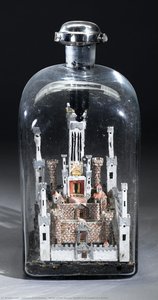
solomon formstecher
1808 - 1889 , Germany
プロフィール概要
- Artistic Movement Or Style: Romanticism, Neoclassicism
- Artists Or Movements Influenced By This Artist:
- Picasso
- Dalí
- Expressionists
- Artists Who Influenced This Artist:
- Tiepolo
- Mengs
- Velázquez
- Date Of Birth: March 30, 1746
- Date Of Death: April 16, 1828
- Full Name: Francisco Goya y Lucientes
- Nationality: Spanish
- Notable Artworks:
- The Third of May, 1808
- Saturn Devouring His Son
- The Naked Maja
- Place Of Birth: Fuendetodos, Spain

