

 プレビュー
プレビュー
 シェアする
シェアする シェアする
シェアする
 詳細を見る
詳細を見る

 ダウンロード
 似ている作品
 X線調査
X線調査 スライドショー
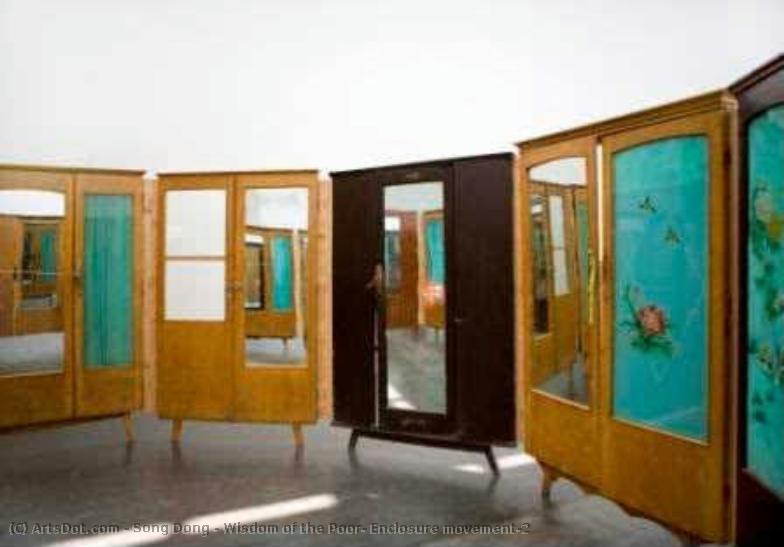
Wisdom of the Poor: Enclosure movement-2


 詳細を見る
詳細を見る
ジークレー/アートプリント
迅速な制作と多彩な仕上げオプションを備えた、ミュージアムクオリティのジークレーまたはキャンバスプリント。 ( 手描きの絵画を購入 画像を購入)




































作品のオリジナル比率に合わせた、当店の規定サイズからお選びください。

特定のフレームやスペースに合わせて、ご自身でサイズを指定することも可能です。選択されたサイズが元の画像の比率と一致しない場合、作品をトリミングするか、鏡面反射または単色での塗りつぶしによって画像を拡張いたします。制作を開始する前に、ご確認用のデジタルモックアップをお送りいたします。
画面上のプレビューには、実際のトリミングや拡張は反映されませんのでご注意ください。最終的な構図を正確に確認できるのは、モックアップのみとなります。
カスタムサイズも承っておりますが、元の比率を維持するためには、あらかじめ用意されたリストからサイズを選択することをお勧めいたします。


 ガラスオプションは、110cm未満のサイズでのみご利用いただけます。

Wisdom of the Poor: Enclosure movement-2
ジークレー/アートプリント
複製画のサイズ
-


合計金額
$ 62
関連作品









アーティストの略歴
A Life Shaped by Transformation: The Art of Song Dong
Song Dong, born in Beijing in 1966, is an artist whose work resonates deeply with the tumultuous currents of modern China and the universal human experience of change. His life story is inextricably linked to the nation’s dramatic shifts – from the lingering shadows of the Cultural Revolution to its rapid economic ascent. Growing up in a family that had once known prosperity but was subsequently diminished by political upheaval, Song experienced firsthand the fragility of stability and the impermanence of material possessions. This early exposure profoundly shaped his artistic vision, leading him to explore themes of memory, loss, consumption, and the complex relationship between personal history and collective identity. His father’s experience as a victim of the Cultural Revolution instilled in him a quiet skepticism towards grand narratives and an appreciation for the everyday realities of life. Raised primarily by his mother, Zhao Xiangyuan, Song was encouraged to paint from a young age, though this initial path would eventually give way to more experimental forms of expression.From Painting to Performance: A Rejection of Convention
Initially trained as an oil painter at Capital Normal University in Beijing, graduating in 1989, Song Dong soon found himself disillusioned with the limitations of traditional artistic mediums. The Tiananmen Square protests of that same year served as a catalyst for change, prompting him and his wife, fellow artist Yin Xiuzhen, to abandon conventional painting in favor of avant-garde performance and conceptual art. This shift wasn’t merely stylistic; it was a fundamental rejection of established norms and a search for new ways to engage with the rapidly evolving social and political landscape. Influenced by artists like Robert Rauschenberg, Song began to embrace ephemerality and everyday objects as artistic materials. Early performances, such as *Another Lesson: Do You Want to Play With Me?* (1994), were provocative interventions that questioned the authority of institutions and challenged viewers to confront their own assumptions about art and education. These early works, though often short-lived due to censorship or logistical challenges, established Song’s reputation as a daring and innovative artist willing to push boundaries.Waste Not, Want Not: The Power of Collective Memory
Song Dong's most internationally recognized work, *Waste Not* (2005), is a monumental installation that encapsulates his artistic concerns with poignant clarity. Comprising over 10,000 salvaged objects from his mother’s Beijing home – everything from plastic flowers and bottle caps to worn-out clothing and broken appliances – the installation served as both a memorial to his late mother and a powerful commentary on China's consumer culture and the rapid pace of urbanization. The sheer volume of accumulated possessions spoke volumes about a life lived through decades of scarcity and thrift, while also hinting at the broader societal shifts occurring in China. *Waste Not* wasn’t simply a display of objects; it was an immersive environment that evoked a sense of nostalgia, loss, and the fleeting nature of time. The act of meticulously arranging these discarded items transformed them into symbols of personal history and collective memory, inviting viewers to reflect on their own relationships with material possessions and the stories they hold.Urban Transformation and Eastern Philosophies
Beyond *Waste Not*, Song Dong’s work consistently engages with the theme of urban transformation in China. His *Eating the City* series (2003-ongoing), for example, involved creating miniature edible cities constructed from sweets and candies, only to be consumed by participants – a symbolic representation of the relentless demolition and reconstruction that characterizes many Chinese metropolises. This work highlights both the allure and destructive nature of progress, prompting viewers to consider the cost of modernization. Throughout his career, Song has also drawn inspiration from Eastern philosophies, particularly Taoism and Zen Buddhism, which emphasize impermanence, simplicity, and the interconnectedness of all things. His *Water Diary* (1995–), in which he writes daily on stone with water that quickly evaporates, embodies this philosophy – a poignant reminder of the transient nature of existence.A Legacy of Reflection: Song Dong’s Historical Significance
Song Dong stands as a pivotal figure in contemporary Chinese art, bridging the gap between personal experience and broader societal concerns. His willingness to experiment with diverse mediums—performance, installation, sculpture, photography, and video—has broadened the definition of artistic practice within China and beyond. He has exhibited extensively internationally, including major shows at Documenta 13 (2012) and the Venice Biennale (2011), solidifying his position as a leading voice in global contemporary art. His work is collected by prominent museums worldwide, including the Museum of Modern Art in New York and the Tate Modern in London, ensuring its continued relevance for future generations. Song Dong’s legacy lies not only in his innovative artistic techniques but also in his ability to evoke profound emotional responses through seemingly mundane objects and everyday experiences. He compels us to confront our own relationships with memory, loss, consumption, and the ever-changing world around us, making him a truly significant artist of our time.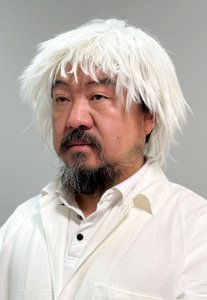
song dong
1966 - , China
基本情報
- Artistic Movement Or Style: Conceptual art
- Artists Who Influenced This Artist: ['Robert Rauschenberg']
- Date Of Birth: 1966
- Full Name: Song Dong
- Nationality: Chinese
- Notable Artworks:
- Waste Not
- The Peddler
- Breathing
- Eating the City
- Place Of Birth: Beijing, China

