

 プレビュー
プレビュー
 シェアする
シェアする シェアする
シェアする
 詳細を見る
詳細を見る

 ダウンロード
 似ている作品
 X線調査
X線調査 スライドショー
 Stats
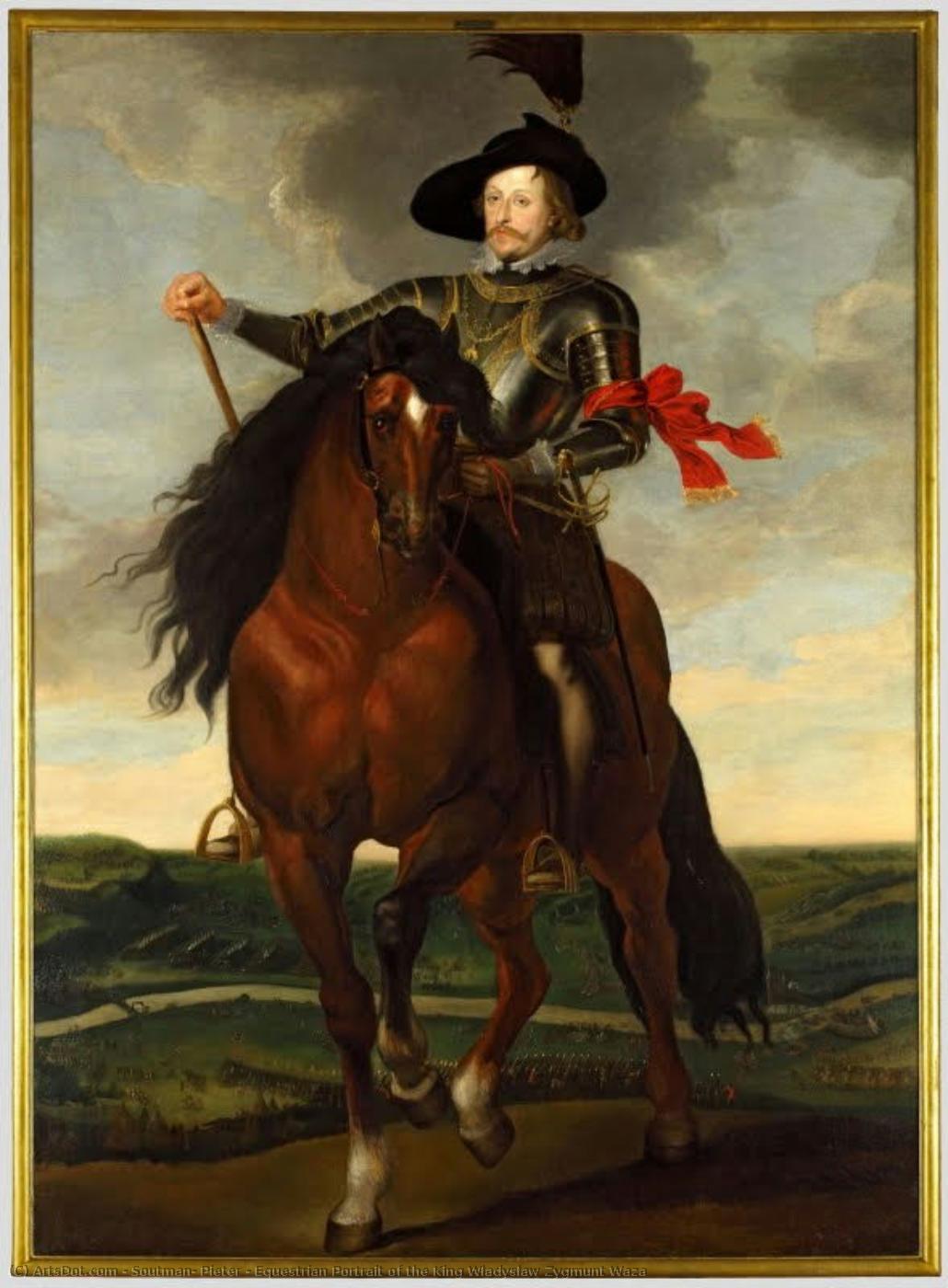
StatsEquestrian Portrait of the King Władysław Zygmunt Waza


 詳細を見る
詳細を見る
オンラインプレビューをはるかに凌ぐ、高解像度で鮮明なデジタル画像をご購入いただけます。
各ファイルは、社内の専門家が高度なツールと熟練した手作業によるレタッチを用いて、細心の注意を払って準備されています。すべての画像において、卓越した鮮明度、正確な色彩再現性、そして繊細なディテールを保証いたします。
最終ファイルは、プロフェッショナルな編集・印刷環境ですぐにご利用いただけるよう最適化された状態で、72時間以内にメールにてお届けいたします。これは、一流のデザインスタジオ、出版社、ギャラリーから信頼されているものと同等の品質です。
デジタルアート
個人での鑑賞、印刷、クリエイティブなプロジェクト用に、高解像度ファイルをダウンロードできます。 ( Switch to Print 手描きの絵画を購入)
デジタル画像のご注文に付随する特典
高品質なデジタル画像配信を、確かな品質で。
ArtsDot.com を選ぶことは、単に画像を手に入れることではありません。それは、プロの手によって精密に仕上げられ、満足保証が付いた高品質なデジタルアートワークを受け取ることを意味します。ご注文いただいた際に自動的に付随する内容は、以下の通りです:

メールですぐにお届け
ご注文から72時間以内に、高解像度のデジタル画像ファイルがメールでお手元に届きます。すぐにそのままご利用いただけます。

AI技術で最適化されたデジタルファイル
お客様の作品は、高度なAIツールと専門家による手作業の編集を組み合わせてプロフェッショナルに最適化されており、細部のディテール、鮮明さ、そして正確な色再現性を最大限に引き出しています。

一生涯無料の再送サービス
ファイルを誤って削除したり、紛失してしまったりしましたか?ご安心ください。いつでも無料で再送いたします。

輸入手数料は一切かかりません
関税や手数料、配送料を気にすることなく、お気に入りのアートワークをすぐにお楽しみいただけます。デジタルダウンロードは常に免税です。

色彩再現の保証
プロ仕様のツールとカラーマネジメント技術を用いることで、デジタル画像が元の色を最大限に忠実に再現することを保証いたします。

100日間満足保証
ご購入いただいたデジタル画像にご満足いただけない場合は、100日以内であれば、理由を問わず修正または100%の返金対応をさせていただきます。

100% 返金保証
ご満足いただけない場合は、デジタルファイルを受け取ってから100日以内であれば、理由を問わず全額返金いたします。

まとめ買い割引
3枚購入で10%OFF - 5枚購入で15%OFF - 10枚以上購入で20%OFF。クリエイティブなプロジェクト、ギャラリー、エージェンシーに最適です。
The Majesty of Power: Pieter Soutman’s Equestrian Portrait
Pieter Soutman's “Equestrian Portrait of the King Władysław Zygmunt Waza” is more than just a painting; it’s a meticulously crafted tableau vivant, a frozen moment of regal authority and martial prowess. Completed in 1624-1628 during Władysław IV Vasa’s time as King of Poland, this remarkable work offers a rare glimpse into the life and ambitions of a powerful European monarch. The painting immediately commands attention with its imposing scale – measuring nearly two and a half feet by almost two feet – reflecting the importance placed upon the subject and conveying an undeniable sense of grandeur.
The central figure, King Władysław Zygmunt Waza, dominates the composition, seated confidently atop his magnificent steed. Dressed in full plate armor, meticulously rendered with intricate detailing, he embodies both military strength and aristocratic refinement. The armor itself is a testament to the era’s craftsmanship, showcasing the skill of armourers and reflecting the wealth and status of the king. His posture exudes self-assurance; his hand firmly gripping the reins speaks volumes about control and command, while his gaze, directed forward with unwavering resolve, projects an image of leadership.
A Masterclass in Dutch Baroque Technique
Soutman’s mastery lies not only in capturing the likeness of his subject but also in his skillful deployment of the techniques characteristic of the Dutch Golden Age. The painting is executed in oil on canvas, utilizing a layering technique known as *sfumato*, which creates subtle gradations of light and shadow, lending depth and realism to the figures and their surroundings. Notice particularly how Soutman uses atmospheric perspective – distant elements are rendered paler and less distinct, creating an illusion of space and reinforcing the sense of vastness behind the king.
- Color Palette: The rich, deep blues and reds of the armor contrast sharply with the earthy tones of the horse’s coat and the muted background landscape.
- Light & Shadow: Soutman expertly manipulates light to highlight key features – Władysław's face, the details of his armor, and the powerful musculature of the horse – drawing the viewer’s eye to these focal points.
- Texture: The artist skillfully renders the textures of metal, fabric, and flesh, creating a convincing sense of tactile reality.
Symbolism and Historical Context
Beyond its technical brilliance, the portrait is laden with symbolic meaning. The horse itself represents power, nobility, and military might – essential qualities for a king presiding over a vast kingdom. The flag held aloft by Władysław symbolizes his authority and dominion. The inclusion of two horses—one prominently featured in the foreground, the other slightly further back—creates a dynamic sense of movement and reinforces the idea of leadership and control extending outwards to encompass his realm. Painted during a period of significant political upheaval in Poland, this portrait served as a potent visual statement of Władysław’s legitimacy and ambition.
Furthermore, the painting reflects Soutman's service to King Sigismund III Vasa, highlighting the close relationship between art and royalty in 17th-century Europe. The commission itself underscored the importance of portraiture as a means of asserting power, reinforcing dynastic legitimacy, and projecting an image of strength and stability.
A Timeless Legacy: Reproduction and Appreciation
Today, “Equestrian Portrait of the King Władysław Zygmunt Waza” stands as a testament to Pieter Soutman’s exceptional talent and a captivating window into the world of 17th-century Polish royalty. High-quality reproductions capture the painting's rich detail and dramatic atmosphere, making it an ideal addition to any discerning collection or interior space. Its commanding presence and evocative symbolism continue to resonate with viewers centuries later, reminding us of the enduring power of portraiture to immortalize both individuals and eras.
関連作品
作家の略歴
Pieter Soutman: Life and Legacy
Early Life and Training
Pieter Soutman, a prominent Dutch Golden Age painter and printmaker, was born in Haarlem, Netherlands in 1593. He was the youngest of six children to a wealthy Catholic family; his father owned the Haarlem beer brewery *de werelt*. Soutman’s artistic journey began with formal training under the renowned Peter Paul Rubens in Antwerp. This period profoundly influenced his style and ultimately contributed significantly to his success as a painter.
Career Highlights and Royal Appointments
Soutman's career was marked by several notable appointments and achievements. He was appointed royal court painter in Poland, reflecting his esteemed position within the art world. From approximately 1618 until 1628, he served as a servitor of King Sigismund III Vasa, further solidifying his reputation and providing him with valuable patronage.
Return to Haarlem and Artistic Focus
Upon returning to Haarlem, Soutman established himself as a respected portrait painter. He secured numerous commissions for group portraits and the popular *schutterstukken* – depictions of civic militia groups. These large-scale works showcased his ability to capture both individual likenesses and dynamic compositions.
Artistic Style and Influences
Soutman’s style demonstrates a clear influence from Rubens, particularly in the use of rich colors, dramatic lighting, and energetic brushwork. However, he developed his own distinct approach to portraiture, characterized by a sense of realism and attention to detail. He skillfully blended Flemish Baroque influences with Dutch artistic traditions.
Notable Works
- Portrait of a Family: A prime example of Soutman’s mastery of group portraits, showcasing his ability to capture the personalities and relationships within a family unit.
- Still Life with Fruit: Demonstrates his skill in capturing everyday life scenes with meticulous detail and vibrant colors.
- Equestrian Portrait of King Władysław Zygmunt Waza: A significant work reflecting his time as royal court painter, displaying both artistic skill and political patronage.
Legacy and Pupils
Today, Soutman’s work can be found in various museums, including Huis Ten Bosch in The Hague. His influence extended to a number of pupils, among whom were Cornelis Visscher, Jacob Louys (1595-after 1635), and Pieter van Sompel. These artists continued to develop the traditions of Dutch portraiture and genre painting.
Historical Significance
Pieter Soutman remains a significant figure in art history as a representative of the Dutch Golden Age. His contributions to the world of portraiture, particularly his ability to capture both individual character and collective identity within group portraits, continue to inspire artists and art enthusiasts alike. He successfully navigated the artistic currents of his time, blending Flemish Baroque influences with distinctly Dutch sensibilities.
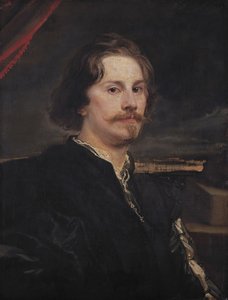
soutman, pieter
1593 - 1657 , Netherlands
プロフィール概要
- Birth Date: 1593
- Birth Place: Haarlem, Netherlands
- Death Date: 1657
- Influenced:
- Cornelis Visscher
- Jacob Louys
- Pieter van Sompel
- Influenced By: Peter Paul Rubens
- Movement: Dutch Golden Age painting
- Name: Pieter Soutman
- Nationality: Dutch
- Notable Works:
- Portrait of a family
- Still life with fruit
- Equestrian Portrait of the King Władysław Zygmunt Waza