

 プレビュー
プレビュー
 プリントを購入
 シェアする
シェアする シェアする
シェアする
 詳細を見る
詳細を見る

 ダウンロード
 似ている作品
 X線調査
X線調査 スライドショー
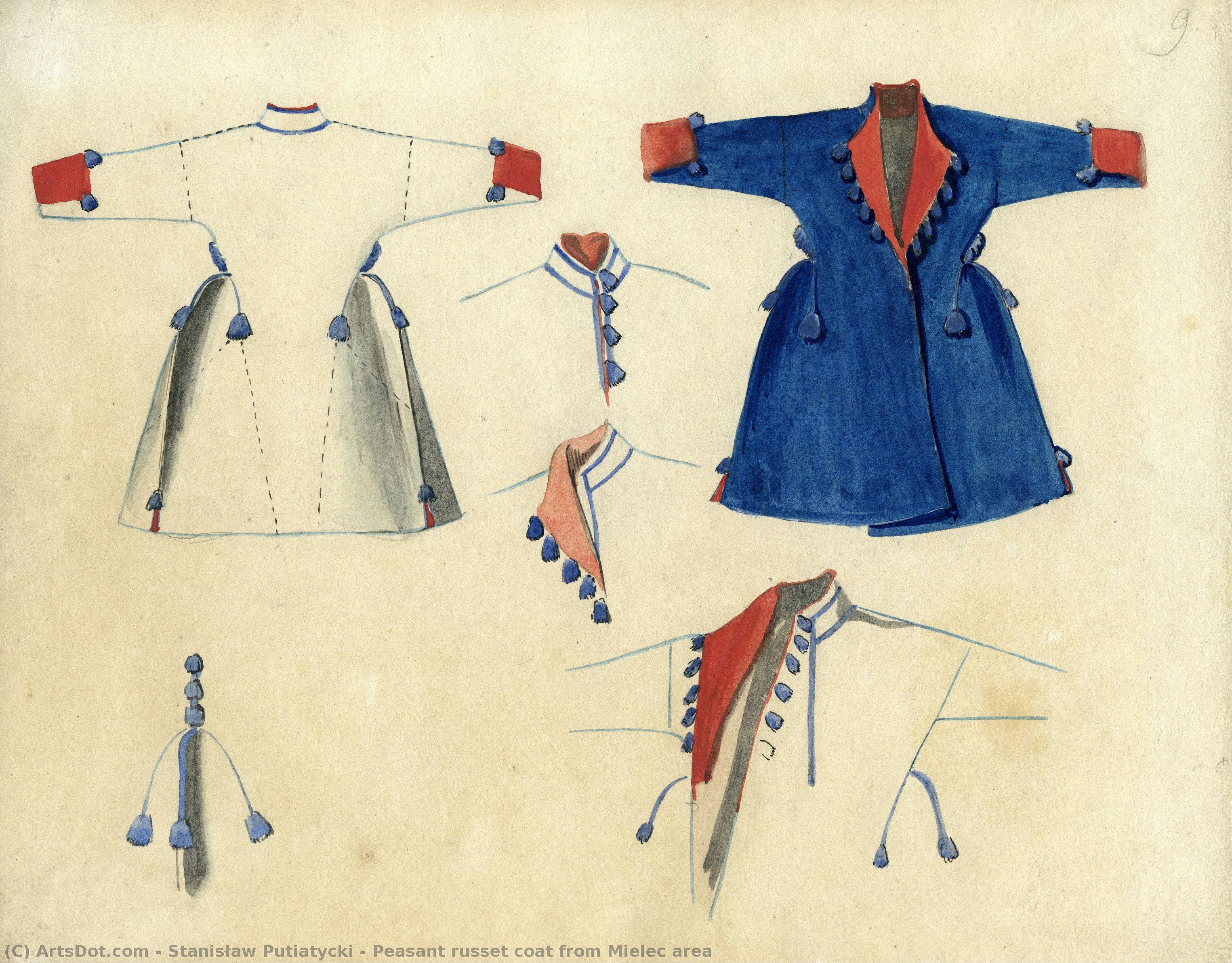
Peasant russet coat from Mielec area


 詳細を見る
詳細を見る




P118B $10

P118H $10

P118W $10

P438Z $10

P508JH $12

P508YH $12

P805H $10

P805Z $10

P919BZ $10

P919G $10

P919XJ $10

P959ZH $10

P968JZ $12

W106C $8

W218G $10

W218JH $8

W218Y $10

W307PJ $10

W316G $10

W316PJ $8

W316Y $10

W398PJ $8

W4111J $10

W500HY $15

W500JH $15

W692G $12

W849H $8

W940BG $15

W953PJ $8




作品のオリジナル比率に合わせた、当店の規定サイズからお選びください。

特定のフレームやスペースに合わせて、ご希望のサイズをご入力いただけます。選択されたサイズが元の画像の比率と異なる場合、アートワークをトリミングするか、手描きで要素を追加して絵画を拡張いたします。デジタルモックアップ を制作し、制作開始前にご確認(承認)をいただきます。
画面上のプレビューは、実際のトリミングや拡張を正確に反映しているものではありません。最終的な構図は、モックアップによってのみ正確にご確認いただけます。
カスタムサイズもご利用いただけますが、元の比率を維持するためには、あらかじめ用意されたリストからサイズを選択することをお勧めいたします。
ご注文後、ArtsDot.com チームより詳細な指示をお送りするとともに、仕上がりイメージ(モックアップ)をご提供いたします。


 ガラスオプションは、110cm未満のサイズでのみご利用いただけます。

Peasant russet coat from Mielec area
複製技法
複製画のサイズ
-


合計金額
$ 263
A Tapestry of Tradition: The Soul of Mielec
In the delicate, translucent layers of Stanisław Putiatycki’s 1850 masterpiece, Peasant Russet Coat from Mielec Area, we find more than a mere study of clothing; we encounter a profound love letter to the cultural heartbeat of 19th-century Poland. This evocative watercolor serves as a window into a vanished era, capturing the vibrant textures and rhythmic patterns of traditional folk attire with an ethnographic precision that is both scientific and deeply poetic. The composition invites the viewer to wander through a collection of garments—blue, white, red, and gray coats—each piece acting as a silent narrator of the Mielec region's heritage. Through Putiatycki’s masterful hand, the heavy weight of russet fabric and the intricate folds of scarves become tactile, allowing us to feel the warmth and the rugged resilience of the Polish peasantry.
The technique employed by Putiatycki is a testament to his training at the Kraków Academy of Fine Arts, where the influences of Romanticism and Symbolism converge. He utilizes the fluid, unpredictable nature of watercolor to breathe life into the subject matter, using soft washes to suggest depth and sharp, deliberate strokes to define the intricate embroidery and accessories. The presence of a pair of scissors on the periphery of the frame adds a poignant layer of storytelling, hinting at the meticulous labor, the domestic artistry, and the tactile process of creation that defined rural life. This subtle detail transforms the painting from a static display of objects into a living scene of craftsmanship and continuity.
A Legacy for the Modern Collector
For the discerning collector or interior designer, this reproduction offers a unique opportunity to infuse a contemporary space with historical gravity and warmth. The palette—a sophisticated blend of earthy russet tones punctuated by striking primary colors—provides a versatile anchor for various decor styles, from rustic farmhouse elegance to refined classical interiors. Owning a piece that celebrates such profound ethnographic significance allows one to host a conversation about identity, heritage, and the enduring beauty of folk art.
Beyond its aesthetic appeal, the emotional impact of Putiatycki’s work lies in its ability to evoke nostalgia for a simpler, more connected way of life. It is an invitation to slow down and appreciate the intricate details that constitute our shared human history. As a high-quality hand-painted reproduction, this artwork brings the meticulous spirit of 19th-century Polish watercolorism into the modern home, serving as a timeless tribute to the dignity of the everyday and the enduring strength of tradition.
関連作品
アーティストの略歴
The Silent Chronicler of Polish Heritage
Stanisław Putiatycki remains a hauntingly beautiful, if somewhat enigmatic, presence within the tapestry of Polish art history. Emerging from the shadows of the 19th century, his life remains partially obscured by the mists of time, with precise biographical dates remaining elusive to historians. Yet, what lacks in documented chronology, his brushwork more than compensates for. As a pioneer of Polish ethnographic watercolor, Putiatycki dedicated his creative spirit to the preservation of a vanishing world. He did not merely paint subjects; he captured the very soul of rural Poland, documenting the rhythms, textures, and traditions of the peasantry during a period of profound cultural revival.
His artistic foundation was laid at the prestigious Kraków Academy of Fine Arts, an institution where he absorbed the complex currents of Romanticism and Symbolism. These movements, which prioritized emotional depth and the imaginative power of the natural world, became the bedrock of his technique. From these influences, Putiatycki learned to look beyond the surface of a subject, seeking instead the symbolic resonance within the everyday. His work serves as a bridge between meticulous scientific observation and a deeply poetic interpretation of life, transforming ethnographic studies into evocative works of fine art.
A Master of Light, Texture, and Tradition
The true brilliance of Putiatycki lies in his masterful command of the watercolor medium. He possessed a rare ability to utilize the fluid, often unpredictable nature of the pigment to breathe life into his subjects. Through delicate, translucent washes, he could suggest the soft depth of a summer sky or the heavy, tactile weight of a russet peasant coat. His technique was a sophisticated dance between soft, atmospheric gradients and sharp, deliberate strokes used to define the intricate embroidery of folk costumes or the weathered textures of rural tools.
His subject matter serves as a vibrant archive of Polish regional identity, particularly focusing on the Mielec and Podkarpacie regions. To view his work is to wander through a collection of living history:
- Peasant Women’s Headdress; Podkarpacie Region: A 1850 masterpiece that showcases his ability to render richly textured fabrics and complex adornments with ethnographic precision.
- Peasant with Fiddle from the Area of Mielec: An evocative piece from approximately 1840 that captures the musical traditions and the spirited atmosphere of rural gatherings.
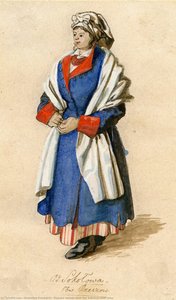
- Peasant Woman from the Sokołów Town Area: A vibrant watercolor that utilizes a striking blue palette to capture the soulful, penetrating gaze of a woman steeped in her cultural heritage.
In works such as his study of the Peasant Russet Coat, Putiatycki goes beyond mere clothing; he presents a tapestry of tradition where every fold of fabric and every rhythmic pattern acts as a silent narrator of the Mielec region's enduring legacy.
Legacy of an Ethnographic Visionary
The historical significance of Stanisław Putiatycki extends far beyond the aesthetic pleasure of his paintings. He was, in essence, a visual historian. At a time when the traditional way of life in rural Poland was undergoing rapid transformation, his watercolors provided a permanent record of the customs, attire, and dignity of the Polish peasantry. His style, which leaned toward Symbolist aesthetics, allowed him to imbue these portraits with a sense of timelessness, elevating the common laborer to a subject of profound artistic importance.
Today, his work continues to resonate with collectors and historians alike. For the modern viewer, Putiatycki’s art offers more than just a glimpse into the past; it provides an emotional connection to a lost era of craftsmanship and communal identity. His ability to blend the scientific accuracy required for ethnographic documentation with the expressive power of Romanticism ensures that his legacy remains as luminous and enduring as the watercolors he so lovingly created.
stanisław putiatycki
Poland
基本情報
- Artistic Movement Or Style: Watercolor
- Date Of Death: Living
- Full Name: Stanisław Putiatycki
- Nationality: Polish
- Notable Artworks:
- Peasant Russet Coat from Mielec Area
- Peasant woman from the Sokołów town area
- A peasant woman
- Place Of Birth: Poland
関連記事
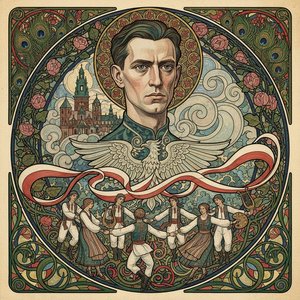
Stanisław Wyspiański: Symbolism, National Identity & the Polish Secession
Explore the life & work of Stanisław Wyspiański, a pivotal figure in Polish Symbolism and the Young Poland movement. Discover his iconic paintings, dramas, and stained glass designs reflecting national identity & artistic innovation.
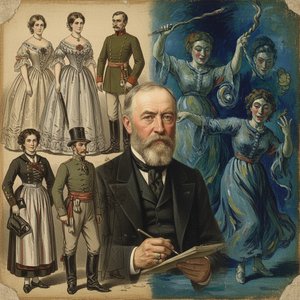
Albert Kretschmer: Capturing 19th-Century Costume & the Seeds of Expressionism
Explore the exquisite costume studies of Albert Kretschmer (1825-1891). Discover his detailed illustrations, influence on art history & connection to early Expressionism. Learn about collecting this remarkable artist's work.
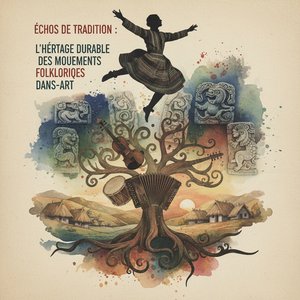
Echoes of Tradition: Exploring the Enduring Legacy of Folk Art Movements
Explore the rich history of folk art movements worldwide! Discover definitions, notable artists, and the enduring legacy of this captivating tradition. Expert insights & high-quality reproductions at ArtsDot.
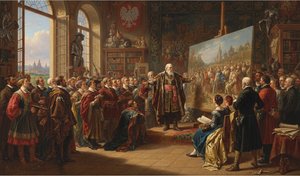
Jan Matejko: Historical Narrative & National Identity in 19th-Century Polish Painting
Explore the powerful historical paintings of Jan Matejko, Poland's national artist. Discover his iconic works & learn how he shaped Polish identity in the 19th century. High-quality reproductions available.
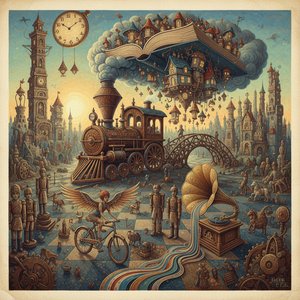
Jacek Yerka: Surreal Visions & Nostalgia in Contemporary Polish Painting
Explore the captivating surreal worlds of Jacek Yerka, a leading Polish painter renowned for his meticulous Flemish technique & dreamlike landscapes. Discover his unique style and learn about collecting this exceptional artist's work.

