

 プレビュー
プレビュー
 プリントを購入
 シェアする
シェアする シェアする
シェアする
 詳細を見る
詳細を見る

 ダウンロード
 似ている作品
 X線調査
X線調査 スライドショー
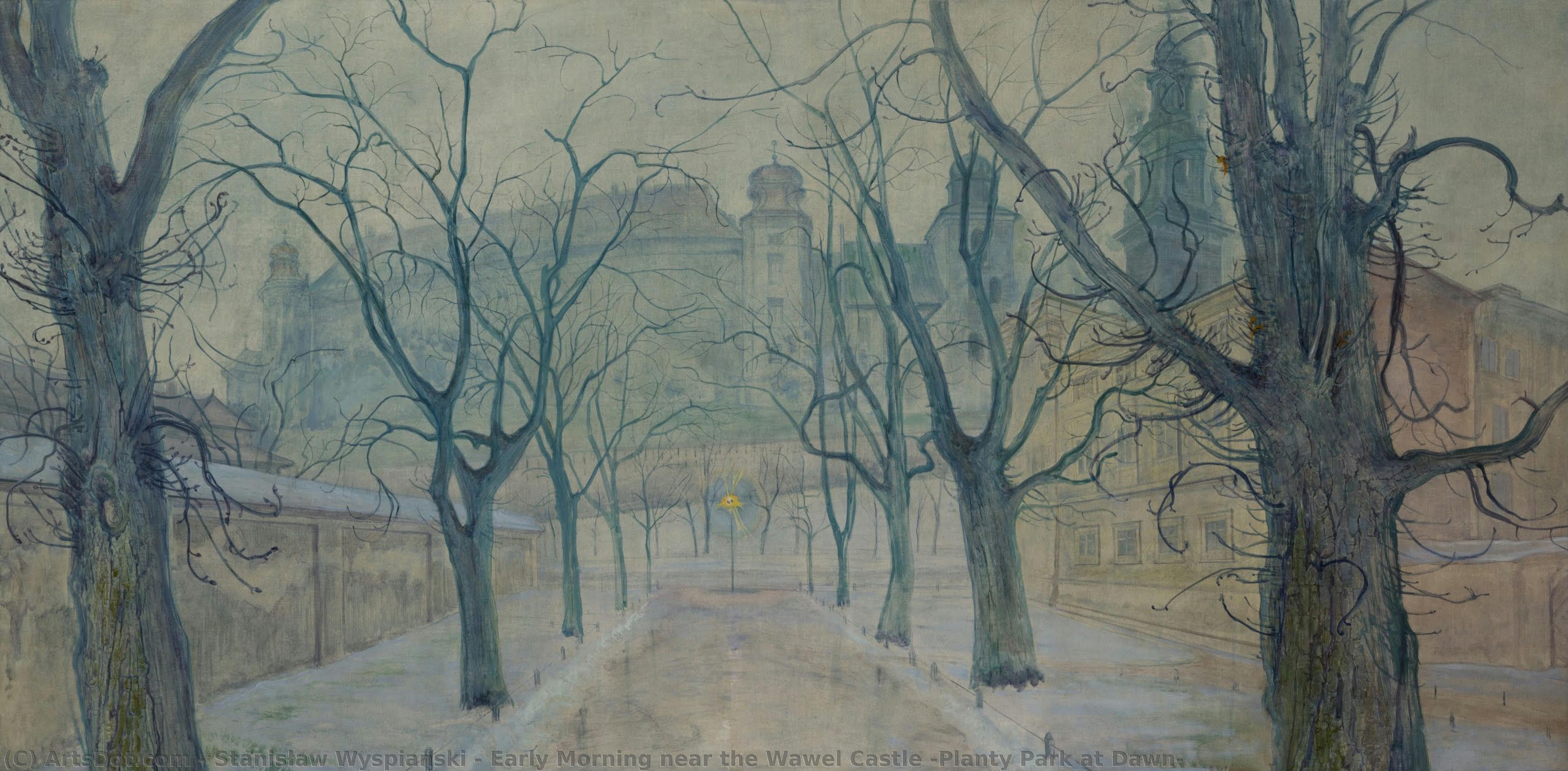
Early Morning near the Wawel Castle (Planty Park at Dawn)


 詳細を見る
詳細を見る




P118B $10

P118H $10

P118W $10

P438Z $10

P508JH $12

P508YH $12

P805H $10

P805Z $10

P919BZ $10

P919G $10

P919XJ $10

P959ZH $10

P968JZ $12

W106C $8

W218G $10

W218JH $8

W218Y $10

W307PJ $10

W316G $10

W316PJ $8

W316Y $10

W398PJ $8

W4111J $10

W500HY $15

W500JH $15

W692G $12

W849H $8

W940BG $15

W953PJ $8




作品のオリジナル比率に合わせた、当店の規定サイズからお選びください。

特定のフレームやスペースに合わせて、ご希望のサイズをご入力いただけます。選択されたサイズが元の画像の比率と異なる場合、アートワークをトリミングするか、手描きで要素を追加して絵画を拡張いたします。デジタルモックアップ を制作し、制作開始前にご確認(承認)をいただきます。
画面上のプレビューは、実際のトリミングや拡張を正確に反映しているものではありません。最終的な構図は、モックアップによってのみ正確にご確認いただけます。
カスタムサイズもご利用いただけますが、元の比率を維持するためには、あらかじめ用意されたリストからサイズを選択することをお勧めいたします。
ご注文後、ArtsDot.com チームより詳細な指示をお送りするとともに、仕上がりイメージ(モックアップ)をご提供いたします。


 ガラスオプションは、110cm未満のサイズでのみご利用いただけます。

Early Morning near the Wawel Castle (Planty Park at Dawn)
複製技法
複製画のサイズ
-


合計金額
$ 263
A Dawn of Serenity: The Whispering Shadows of Wawel
In the quiet, liminal space between night and day, Stanisław Wyspiański captures a moment of profound stillness in his 1894 masterpiece, Early Morning near the Wavel Castle. Known variously in literature as Morning at the Foot of the Wawel Hill or Planty Park at Dawn, this evocative work transcends mere landscape painting to become a poetic meditation on time and light. As the sun begins its ascent over Kraków, the canvas breathes with the cool, dewy atmosphere of the Polish morning. The composition directs the viewer's gaze not merely toward the empty, tree-lined avenues of the Planty Park, but upward toward the majestic, silhouetted majesty of the Wawel Castle, which stands as a silent sentinel enveloped in the soft, burgeoning light of a new day.
The scene is a delicate tapestry of urban life caught in a moment of transition. Along the sidewalks, the artist has placed subtle traces of human and animal presence—pedestrians drifting through the morning mist, a dog wandering near its companion, and even the unexpected, nostalgic presence of a horse and a parked car. These elements do not disrupt the peace; rather, they ground the ethereal light in a tangible reality, suggesting the slow awakening of a city. For the collector or interior designer, this painting offers a rare balance of movement and stasis, making it an ideal centerpiece for spaces that require a sense of calm, sophistication, and historical depth.
Symbolism and the Spirit of Young Poland
To understand this work, one must look through the lens of the Young Poland movement, of which Wyspiański was a central, visionary figure. As a master of Polish Symbolism, his brushwork often seeks to capture the "soul" of a place rather than just its physical form. In this painting, the interplay of light and shadow serves as a metaphor for national identity and the cyclical nature of rebirth. The way the morning light clings to the edges of the castle walls suggests a sense of endurance and spiritual awakening. The trees of the Planty Park, rendered with a delicate touch, act as organic frames that guide the eye toward the historical heart of Kraków, blending the natural world with the architectural heritage of Poland.
The emotional impact of the piece lies in its ability to evoke nostalgia and tranquility simultaneously. There is a certain melancholy in the empty streets, yet it is overwritten by the hopeful promise of the rising sun. This duality makes the artwork incredibly versatile for high-end decor; it can anchor a room with its somber, historical weight or brighten a contemporary setting with its luminous, airy atmosphere. Owning a reproduction of such a significant work allows one to bring a piece of Kraków's living history into the modern home, inviting a daily moment of reflection and peace.
A Masterclass in Light and Atmosphere
Technically, Wyspiański demonstrates an extraordinary command over atmospheric perspective. The way the distant castle appears softened by the morning haze creates a profound sense of depth, pulling the viewer into the painting's misty corridors. His ability to manipulate color—using subtle shifts in cool blues, soft greys, and the first warm hints of gold—creates a sensory experience that feels almost tactile. One can almost feel the crisp, morning air and hear the muffled footsteps on the damp pavement.
For those seeking to curate an art collection that speaks to elegance and intellectual depth, this painting stands as a testament to the power of Impressionistic influence merged with Symbolist intent. It is more than a depiction of a park; it is a captured breath, a moment of grace preserved in oil, offering timeless beauty to any curated environment.
関連作品
アーティストの略歴
ムニェ・ポルスカの魂:スタニスワフ・ヴィスピアンスキの生涯とヴィジョン
霧に包まれた歴史ある街、クラクフの中心部において、自らのアイデンティティを渇望する国家の文化的景観を再定義すべく、類まれなる天才が現れました。
芸術家としての彼の発展は、学問的な修練による豊かな伝統に深く根ざしていましたが、同時にリアリズムの硬直した制約に対する本能的な反逆心も併せ持っていました。彼の作品は、ポーランドの田舎に息づく鮮やかな民俗的モチーフと、分離派様式の特徴である複雑で有機的な曲線から多大な影響を受け、新たなエネルギーを放ち始めました。この融合は、彼独自の視覚言語を生み出しました。それは、植物学的な精密さと、心に焼き付くような比喩的な重みが繊細な均衡を保ったものでした。彼は世界を単に見えるままの姿としてではなく、感じられるものとして捉え、あらゆる花びらや肖像画に宇宙的な意義を吹き込んだのです。
光と象徴主義の巨匠
ヴィスピアンスキの卓越した技量はキャンバスを遥かに超え、聖なる空間の建築そのものへと及んでいました。彼が最も称賛されているのは、おそらく息を呑むようなステンドグラスの作品でしょう。それらは光を精神的な物語を伝える媒体へと変容させました。これらの作品において、色彩はそれ自体がひとつの登場人物となります。深い青や燃えるような琥珀色がガラスの中で舞い、殉教、再生、そして国家の忍耐というテーマを呼び起こします。光を操る彼の能力は、物理的な世界と象徴的な領域との境界が溶け合い始めるような、没入感のある空間を作り出すことを可能にしました。
視覚芸術にとどまらず、彼の文学的貢献も同様に記念碑的なものでした。劇作家として、また詩人として、彼は舞台を利用してポーランドの歴史と神話が織りなす複雑なタペストリーを紡ぎ出しました。彼の最も有名な戯曲『婚礼』は、ポーランド文学の金字塔として君臨しています。この傑作は、分割統治下にあった国家の社会的・政治的な不安を解剖するために、たった一晩の祝宴を描き出しました。その執筆活動を通じて、彼は伝統と近代性の間の緊張を探求し、象徴主義を用いることで知識層の停滞を批判すると同時に、農民たちの生々しく屈することのない精神を讃えたのです。
先見者の遺産
スタニスワフ・ヴィスピアンスキの歴史的な重要性は、文化的な設計者としての役割にあります。彼は単に芸術を創造しただけではありません。主権を求める人々のために、視覚的かつ文学的なアイデンティティを構築する手助けをしたのです。彼の多大な影響は、以下の主要な功績の中に見て取ることができます。
- 芸術形式の統合:彼は純粋芸術、装飾芸術、文学、そして演劇の間の障壁を取り払い、統一された美学的体験を創り出しました。
- 国家的象徴主義:彼はポーランドの民俗的モチーフを高尚な芸術の域へと引き上げ、それらを近代的な国家意識の中心へと据えました。
- アール・ヌーヴォーの革新:流れるような有機的なラインと表現力豊かな色彩パレットの使用は、ポーランドにおけるアール・ヌーヴォー運動の定義を決定づける一助となりました。
- 永続的な演劇的インパクト:彼の戯曲は現在も世界中で上演され続け、人間の心理と政治的闘争に対する深い探求として機能しています。
38歳という若さでその生涯は悲劇的に断たれましたが、彼が残した作品の輝きは今なお衰えることがありません。ヴィスピアンスキは、社会を映し出す鏡であり、未来への指針でもある芸術の力を証明する、人々の心に残り続ける遺産を残しました。美、悲劇、そして国家のアイデンティティが交差する深遠な領域を理解しようとする者にとって、彼の作品は今もなお欠かすことのできない巡礼の地なのです。
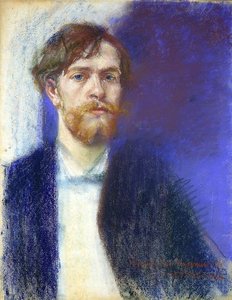
スタニスワフ・ヴィスピアンスキ
1869 - 1907 , ポーランド
基本情報
- Artistic Movement Or Style: ポーランド象徴主義、ムニェ・ポルスカ(若きポーランド)
- Date Of Birth: 1869年
- Date Of Death: 1907年
- Full Name: スタニスワフ・ヴィスピアンスキ
- Nationality: ポーランド
- Notable Artworks:
- ステンドグラス作品
- 婚礼
- Place Of Birth: ポーランド、クラクフ
関連記事
Stanisław Wyspiański: Symbolism, National Identity & the Polish Secession
Explore the life & work of Stanisław Wyspiański, a pivotal figure in Polish Symbolism and the Young Poland movement. Discover his iconic paintings, dramas, and stained glass designs reflecting national identity & artistic innovation.
Jan Matejko: Historical Narrative & National Identity in 19th-Century Polish Painting
Explore the powerful historical paintings of Jan Matejko, Poland's national artist. Discover his iconic works & learn how he shaped Polish identity in the 19th century. High-quality reproductions available.

Gordon Parks: A Poetic Lens on American Life – Photography, Social Justice & Storytelling
Explore the profound work of Gordon Parks, a groundbreaking photographer who documented American life with unparalleled empathy and artistry. Discover his iconic images & lasting impact on social justice through Life magazine & beyond.
Richard Parkes Bonington: A Brief but Brilliant Career – Romantic Landscapes & the Dawn of Plein Air Painting
Explore the short but impactful career of Richard Parkes Bonington, a pivotal figure bridging British Romanticism & French plein air painting. Discover his luminous landscapes and lasting influence on Delacroix & beyond.
Jacek Yerka: Surreal Visions & Nostalgia in Contemporary Polish Painting
Explore the captivating surreal worlds of Jacek Yerka, a leading Polish painter renowned for his meticulous Flemish technique & dreamlike landscapes. Discover his unique style and learn about collecting this exceptional artist's work.

