


 プレビュー
プレビュー
 プリントを購入
 シェアする
シェアする シェアする
シェアする
 詳細を見る
詳細を見る

 ダウンロード
 似ている作品
 X線調査
X線調査 スライドショー
La Chasse Au Sanglier
 詳細を見る
詳細を見る
オンラインプレビューをはるかに凌ぐ、高解像度で鮮明なデジタル画像をご購入いただけます。
各ファイルは、社内の専門家が高度なツールと熟練した手作業によるレタッチを用いて、細心の注意を払って準備されています。すべての画像において、卓越した鮮明度、正確な色彩再現性、そして繊細なディテールを保証いたします。
最終ファイルは、プロフェッショナルな編集・印刷環境ですぐにご利用いただけるよう最適化された状態で、72時間以内にメールにてお届けいたします。これは、一流のデザインスタジオ、出版社、ギャラリーから信頼されているものと同等の品質です。
デジタル画像のご注文に付随する特典
高品質なデジタル画像配信を、確かな品質で。
ArtsDot.com を選ぶことは、単に画像を手に入れることではありません。それは、プロの手によって精密に仕上げられ、満足保証が付いた高品質なデジタルアートワークを受け取ることを意味します。ご注文いただいた際に自動的に付随する内容は、以下の通りです:

メールですぐにお届け
ご注文から72時間以内に、高解像度のデジタル画像ファイルがメールでお手元に届きます。すぐにそのままご利用いただけます。

AI技術で最適化されたデジタルファイル
お客様の作品は、高度なAIツールと専門家による手作業の編集を組み合わせてプロフェッショナルに最適化されており、細部のディテール、鮮明さ、そして正確な色再現性を最大限に引き出しています。

一生涯無料の再送サービス
ファイルを誤って削除したり、紛失してしまったりしましたか?ご安心ください。いつでも無料で再送いたします。

輸入手数料は一切かかりません
関税や手数料、配送料を気にすることなく、お気に入りのアートワークをすぐにお楽しみいただけます。デジタルダウンロードは常に免税です。

色彩再現の保証
プロ仕様のツールとカラーマネジメント技術を用いることで、デジタル画像が元の色を最大限に忠実に再現することを保証いたします。

60日間満足保証
ご購入いただいたデジタル画像にご満足いただけない場合は、60日以内であれば、修正または100%の返金(理由を問う必要はありません)をさせていただきます。

100% 返金保証
ご満足いただけない場合は、デジタルファイルを受け取ってから60日以内であれば、理由を問わず全額返金いたします。

まとめ買い割引
3枚購入で10%OFF - 5枚購入で15%OFF - 10枚以上購入で20%OFF。クリエイティブなプロジェクト、ギャラリー、エージェンシーに最適です。
関連作品


作家の略歴
A Florentine Master of Line and Light
Stefano della Bella, born in Florence in 1610, was a pivotal figure in the Baroque era, though his legacy rests primarily on the intricate world he created through printmaking. While only one painting is definitively attributed to him, his prolific output of over 1050 prints and several thousand drawings established him as a master draughtsman and etcher, capturing the spirit of his time with remarkable detail and sensitivity. His life was one of constant movement and observation, shaped by patronage and a keen eye for the world around him – from the bustling courts of Florence to the military campaigns unfolding across Europe. Della Bella’s early training began in the workshop of a goldsmith, instilling in him a precision and attention to detail that would characterize his later work. He soon transitioned to engraving under Orazio Vanni and Cesare Dandini, but it was his tutelage with Remigio Cantagallina that truly set him on his path. Cantagallina had himself been instructed by Jacques Callot, whose influence is readily apparent in Della Bella’s earliest prints – a shared fascination with dramatic narratives and meticulous rendering of form.From Florentine Courts to Roman Grandeur
The patronage of the Medici family proved instrumental in shaping Della Bella's career. Their support enabled him to spend six formative years in Rome, residing within the Medici palace and immersing himself in the study of classical antiquities and contemporary life. This period marked a significant shift in his artistic development. He moved beyond the mannerist tendencies of his early work, embracing the dynamism and theatricality of the Baroque style. Rome provided an inexhaustible source of inspiration – bustling public squares, grand architectural monuments, and the spectacle of ceremonial processions. Della Bella meticulously documented these scenes in sketchbooks, which later served as the basis for a series of highly detailed prints. His *Entry of the Polish Ambassador to Rome* (1633), a monumental print stretching over two meters in length, exemplifies his ability to capture the energy and grandeur of public events. It’s a panoramic vision teeming with figures, horses, and architectural details, showcasing his mastery of etching techniques. He didn't merely record what he saw; he interpreted it, imbuing his images with a sense of drama and narrative tension. During this time, he also began to experiment with tonal effects, foreshadowing later innovations in printmaking.Parisian Sojourns and Artistic Innovation
In 1639, Della Bella journeyed to Paris, introduced by the Tuscan ambassador Alessandro del Nero. This marked another crucial chapter in his artistic evolution. He quickly integrated himself into Parisian society, securing commissions from prominent figures like Cardinal Richelieu and Cardinal Mazarin. His work adapted to French tastes, evidenced in his series updating northern themes of mortality – a reflection of the anxieties prevalent during that era. He also found himself influenced by Dutch printmakers such as Rembrandt, incorporating their atmospheric effects and subtle tonal gradations into his own style. His time in Paris was remarkably productive; he created drawings for prints depicting the siege of Arras and designed four sets of educational playing cards for the young Louis XIV. Notably, his ornament prints during this period were strikingly innovative, anticipating the Rococo aesthetic that would emerge later in the 18th century. One of his most celebrated works from this time is *View of the Pont Neuf* (1646), a vast and incredibly detailed depiction of Parisian life centered around the iconic bridge. The print is a microcosm of 17th-century Paris, populated by over 450 figures engaged in various activities – beggars, merchants, performers, and everyday citizens.Return to Florence and Lasting Legacy
Political upheaval in France, specifically the *Fronde* and the death of Mazarin, prompted Della Bella’s return to Florence around 1650. He secured a pension from the Grand Duke of Tuscany and dedicated himself to instructing Cosimo III de Medici in drawing. Despite his return to Italy, he continued to send plates to Parisian publishers, maintaining connections with the art world he had come to know so well. In his final years, Della Bella increasingly focused on experimenting with tonal effects in etching, pushing the boundaries of the medium and achieving remarkable subtlety and nuance. Though these experiments were not widely recognized during his lifetime, they demonstrate his relentless pursuit of artistic innovation. He suffered a stroke in 1661, which curtailed his productivity, and passed away in Florence in 1664. Stefano della Bella’s significance lies not only in the sheer volume and quality of his work but also in his ability to capture the complexities of his time – the grandeur of courts, the horrors of war, and the vibrancy of everyday life. He was a master observer, a skilled technician, and an artist who left an indelible mark on the history of printmaking.Influences and Artistic Style
- Jacques Callot: A foundational influence, particularly in Della Bella’s early work, evident in his meticulous detail and narrative approach to etching.
- Rembrandt van Rijn: Della Bella's exposure to Rembrandt during his travels influenced his use of light and shadow, adding depth and atmosphere to his prints.
- The Medici Family: Their patronage provided Della Bella with opportunities for travel, study, and commissions, shaping the course of his career.
- Baroque Aesthetics: Della Bella embraced the dynamism, theatricality, and emotional intensity characteristic of the Baroque style, moving away from earlier mannerist tendencies.
- Italian Landscape Tradition: His Roman period saw him absorbing the classical landscape tradition, influencing his depictions of topography and architectural settings.
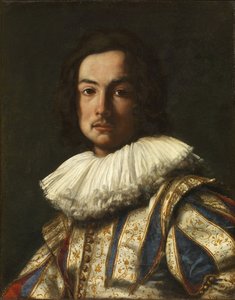
Stefano della Bella
1610 - 1664

