

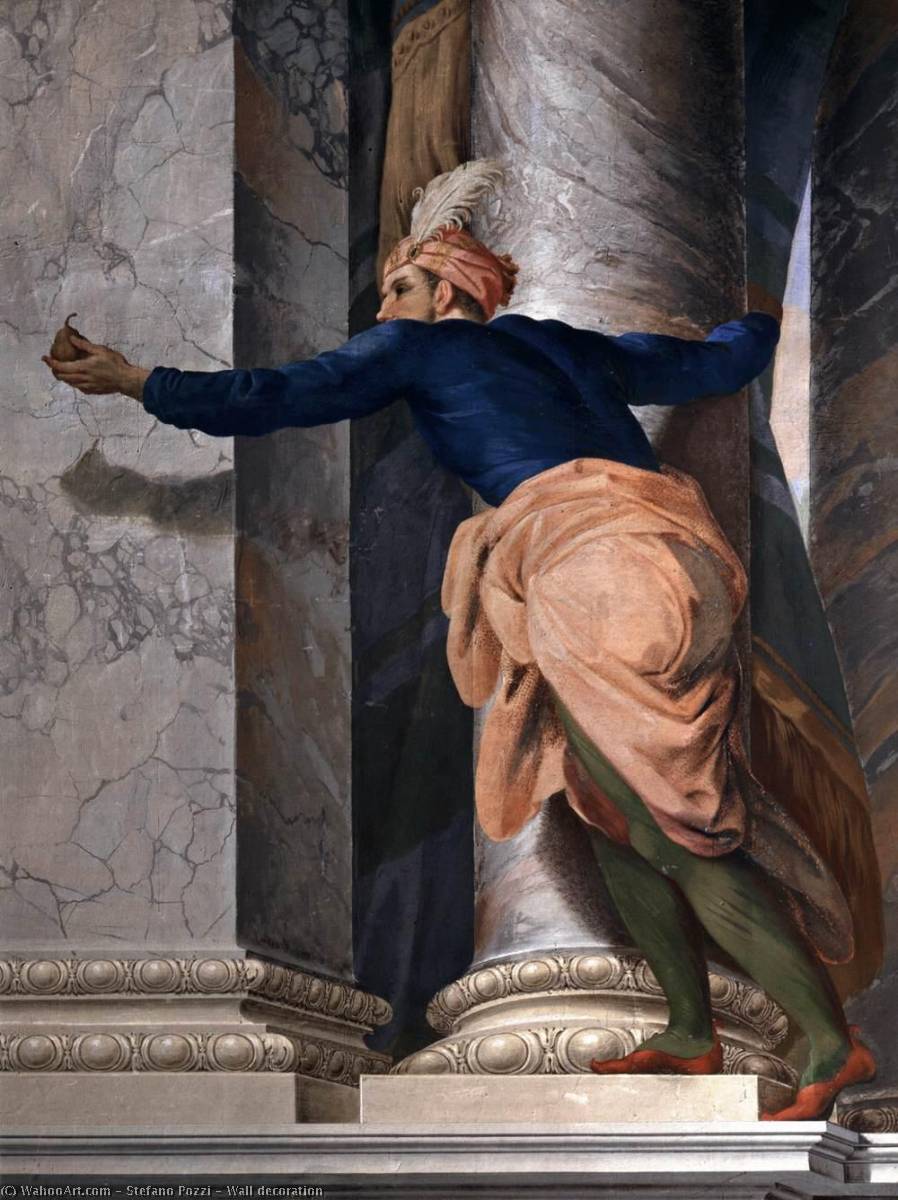
 プレビュー
プレビュー
 シェアする
シェアする シェアする
シェアする
 詳細を見る
詳細を見る

 ダウンロード
 似ている作品
 X線調査
X線調査 スライドショー
 統計情報
統計情報Wall decoration


 詳細を見る
詳細を見る
ジークレー/アートプリント
迅速な制作と多彩な仕上げオプションを備えた、ミュージアムクオリティのジークレーまたはキャンバスプリント。 ( 手描きの絵画を購入 デジタル画像販売へ切り替え)




































作品のオリジナル比率に合わせた、当店の規定サイズからお選びください。

特定のフレームやスペースに合わせて、ご自身でサイズを指定することも可能です。選択されたサイズが元の画像の比率と一致しない場合、作品をトリミングするか、鏡面反射または単色での塗りつぶしによって画像を拡張いたします。制作を開始する前に、ご確認用のデジタルモックアップをお送りいたします。
画面上のプレビューには、実際のトリミングや拡張は反映されませんのでご注意ください。最終的な構図を正確に確認できるのは、モックアップのみとなります。
カスタムサイズも承っておりますが、元の比率を維持するためには、あらかじめ用意されたリストからサイズを選択することをお勧めいたします。


 ガラスオプションは、110cm未満のサイズでのみご利用いただけます。

Wall decoration
ジークレー/アートプリント
複製画のサイズ
-


合計金額
$ 62
関連作品
![Stanze Vaticane - The Liberation Of St Peter (detail) [01] — ラファエロ, High Renaissance](/media/artworks/images-thumb/56/b1/56b164228e527303d62222f1b9e9aa13.jpg)

![Stanze Vaticane - The Parnassus (detail) [04] — ラファエロ, High Renaissance](/media/artworks/images-thumb/a0/00/a000f9f03076a9992b960a7db3b9bf34.jpg)

アーティストの略歴
The Roman Baroque Master: The Life and Legacy of Stefano Pozzi
In the vibrant, sun-drenched streets of 18th-century Rome, a period defined by the theatrical grandeur of the Baroque and the emerging elegance of the Rococo, the name Stefano Pozzi resonated with the prestige of a true master. Born in 1699 into a family where creativity was as much a way of life as breathing, Pozzi was part of a remarkable lineage of talent. His father, Giovanni, an innkeeper by trade, presided over a household that nurtured three artist sons: Rocco, Andrea, and Giuseppe. This domestic atmosphere, steeped in the visual language of art, provided Stefano with an early and profound immersion into the aesthetics of his era, setting the stage for a career that would eventually decorate the most sacred spaces in Italy.
The artistic soul of Pozzi was forged in the prestigious ateliers of Rome’s most esteemed masters. He sought refinement under the guidance of Andrea Procaccini and Agostino Masucci, both of whom were distinguished disciples of the legendary Carlo Maratta. Through this lineage, Pozzi inherited a sophisticated command of classical principles, blended seamlessly with the dramatic, emotive techniques essential to the Baroque style. His formal education was further solidified through his admission to the Pontifical Academy of Fine Arts and Letters of the Virtuosi al Pantheon in 1732, where he eventually rose to the position of Regent, and his subsequent enrollment in the prestigious Accademia di San Luca. These institutions were not merely schools but gateways to the highest echelons of Roman society, granting him access to the powerful patrons who would fund his monumental visions.
A Vision in Fresco and Canvas
Pozzi’s body of work is a testament to his versatility as a painter, designer, draughtsman, and decorator. While he was equally adept at oil on canvas, it was in the sweeping, ethereal medium of fresco that he truly left his indelible mark upon the Roman landscape. His ability to manipulate light and color allowed him to transform architectural surfaces into celestial windows. One can almost feel the spiritual weight of his contributions to the Basilica of Santa Maria Maggiore, specifically within the Chapel of Blessed Niccolò Albergati, or the rhythmic beauty of the eight ovals he executed for San Silvestro al Quirinale.
His talent was not confined to the borders of Rome; his reputation traveled with him. In 1744, summoned to Naples by Cardinal Giuseppe Spinelli, Pozzi undertook a magnificent task: decorating the apse of the Cathedral of San Gennaro. Here, his mastery of large-scale composition was on full display, particularly in his large oil painting of SS Januarius and Agrippative Driving out the Saracens and his breathtaking fresco of a choir of angels upon the vault. This period of his life highlights his ability to harmonize with the architectural rhythms of great builders like Luigi Vanvitelli, as he contributed significant works for the Montemorcino Monastery, proving that his art was never an isolated element but a vital component of the very architecture it inhabited.
Historical Significance and Artistic Heritage
The significance of Stefano Pozzi lies in his role as a bridge between eras. He maintained the structural integrity and emotional depth of the Roman Baroque while embracing the lighter, more decorative sensibilities that would characterize the Rococo. His work served as a visual liturgy for the Catholic Church, translating complex theological narratives into accessible, breathtaking imagery that moved the faithful. Beyond his individual canvases, his influence extended through his collaborations with architects and his role within the academic institutions of Rome, helping to sustain the city's status as the epicenter of European art.
Though time has passed, the echoes of Pozzi’s brushstrokes remain visible in the silent majesty of the churches and monasteries he adorned. His legacy is not merely found in museums but in the very fabric of Roman history—a legacy of light, movement, and a profound devotion to the beauty of the divine. To study Stefano Pozzi is to witness the twilight of the Baroque era, captured through the eyes of an artist who understood that painting was not just about depicting reality, but about elevating the human spirit toward the heavens.
stefano pozzi
1699 - 1768
基本情報
- Artistic Movement Or Style: Roman Baroque & Rococo
- Artists Or Movements Influenced By This Artist: ['Francesco Pozzi']
- Artists Who Influenced This Artist:
- Carlo Maratta
- Andrea Procaccini
- Date Of Birth: November 9, 1699
- Date Of Death: June 11, 1768
- Full Name: Stefano Pozzi
- Nationality: Italian
- Notable Artworks:
- Blessed Niccolò Albergati
- Eight Ovals
- Death of St Joseph
- Sant'Apollinare in Gloria
- Place Of Birth: Rome, Italy