

 プレビュー
プレビュー
 プリントを購入
 シェアする
シェアする シェアする
シェアする
 詳細を見る
詳細を見る

 ダウンロード
 似ている作品
 X線調査
X線調査 スライドショー
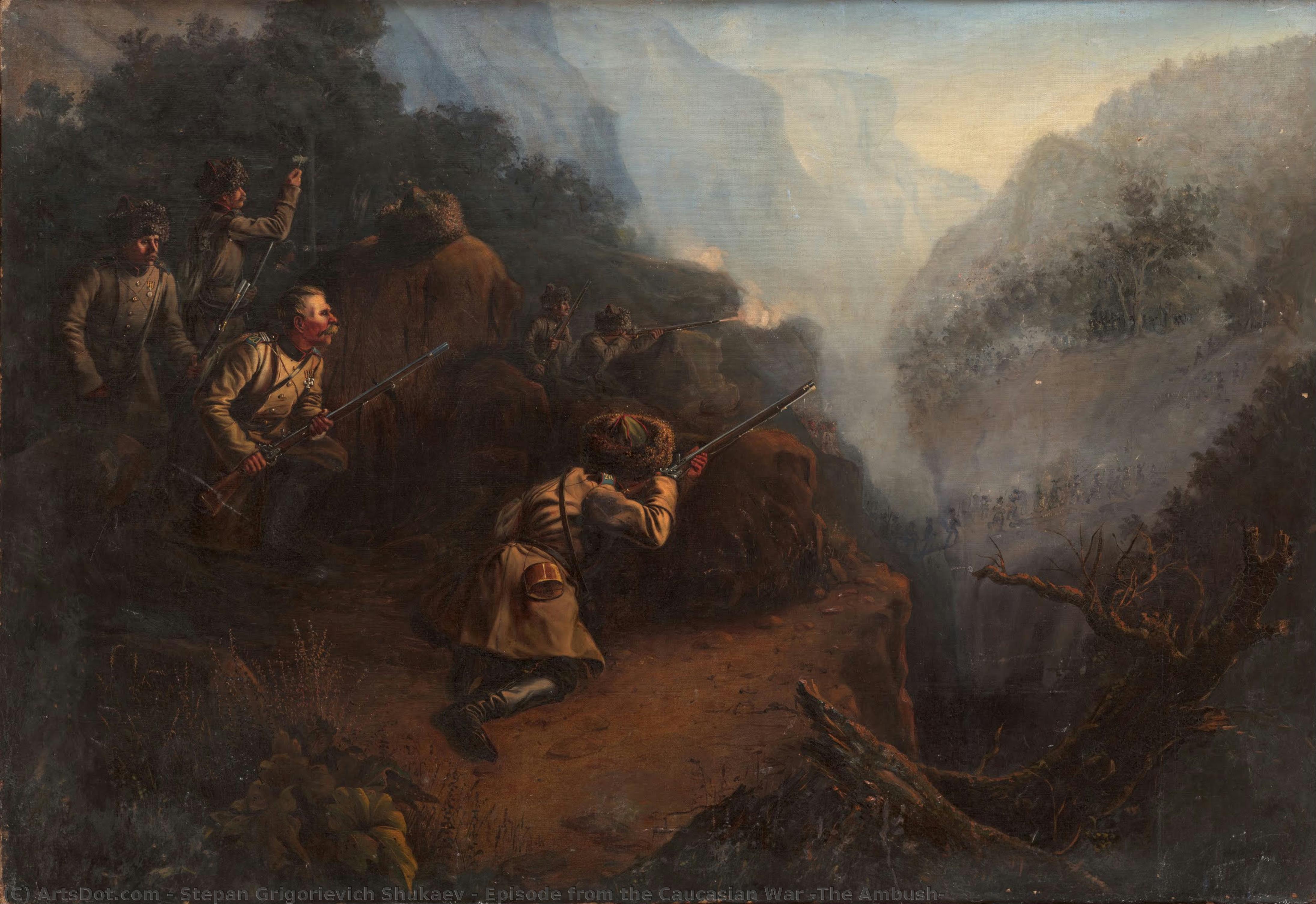
Episode from the Caucasian War (The Ambush)
 1859
1859 106.0 x 73.0 cm
 Dagestan Museum of Fine Arts named after P. S. Gamzatova
 詳細を見る
詳細を見る
オンラインプレビューをはるかに凌ぐ、高解像度で鮮明なデジタル画像をご購入いただけます。
各ファイルは、社内の専門家が高度なツールと熟練した手作業によるレタッチを用いて、細心の注意を払って準備されています。すべての画像において、卓越した鮮明度、正確な色彩再現性、そして繊細なディテールを保証いたします。
最終ファイルは、プロフェッショナルな編集・印刷環境ですぐにご利用いただけるよう最適化された状態で、72時間以内にメールにてお届けいたします。これは、一流のデザインスタジオ、出版社、ギャラリーから信頼されているものと同等の品質です。
デジタル画像のご注文に付随する特典
高品質なデジタル画像配信を、確かな品質で。
ArtsDot.com を選ぶことは、単に画像を手に入れることではありません。それは、プロの手によって精密に仕上げられ、満足保証が付いた高品質なデジタルアートワークを受け取ることを意味します。ご注文いただいた際に自動的に付随する内容は、以下の通りです:

メールですぐにお届け
ご注文から72時間以内に、高解像度のデジタル画像ファイルがメールでお手元に届きます。すぐにそのままご利用いただけます。

AI技術で最適化されたデジタルファイル
お客様の作品は、高度なAIツールと専門家による手作業の編集を組み合わせてプロフェッショナルに最適化されており、細部のディテール、鮮明さ、そして正確な色再現性を最大限に引き出しています。

一生涯無料の再送サービス
ファイルを誤って削除したり、紛失してしまったりしましたか?ご安心ください。いつでも無料で再送いたします。

輸入手数料は一切かかりません
関税や手数料、配送料を気にすることなく、お気に入りのアートワークをすぐにお楽しみいただけます。デジタルダウンロードは常に免税です。

色彩再現の保証
プロ仕様のツールとカラーマネジメント技術を用いることで、デジタル画像が元の色を最大限に忠実に再現することを保証いたします。

100日間満足保証
ご購入いただいたデジタル画像にご満足いただけない場合は、100日以内であれば、修正または100%の返金(理由を問う必要はありません)をさせていただきます。

100% 返金保証
ご満足いただけない場合は、デジタルファイルを受け取ってから100日以内であれば、理由を問わず全額返金いたします。

まとめ買い割引
3枚購入で10%OFF - 5枚購入で15%OFF - 10枚以上購入で20%OFF。クリエイティブなプロジェクト、ギャラリー、エージェンシーに最適です。
関連作品








作家の略歴
Camille Pissarro: A Pioneer of Light and Life
Born Jacob Abraham Camille Pissarro on July 10, 1830, in Saint-Thomas, a Danish colony in the Caribbean, Pissarro’s artistic journey was one shaped by constant movement and an evolving relationship with both his homeland and France. His early life amidst the vibrant colors and rhythms of the island instilled in him a deep appreciation for nature, a foundation that would profoundly influence his later work. His family's business background—a general merchandise store—provided a grounding in commerce and observation, skills he unknowingly honed as he began to sketch and draw, initially driven by a youthful fascination with art rather than a formally planned career path.
Pissarro’s formal artistic training began in 1842 at Passy, near Paris, where he studied under various instructors. However, it was his encounter with Fritz Melbye, a Danish artist, in 1850 that truly ignited his passion and provided him with the crucial guidance needed to transition from amateur sketching to a serious pursuit of painting. Melbye’s influence steered Pissarro towards capturing the nuances of light and color, particularly through his studies of tropical landscapes – an experience that would remain a cornerstone of Pissarro's artistic vision for much of his career.
The Parisian Years: Formation and Early Influences
Returning to Paris in 1855, Pissarro immersed himself in the burgeoning art scene. He enrolled at the École des Beaux-Arts, a traditional institution, but quickly found its rigid academic approach stifling. He sought out independent study and mentorship, eventually connecting with Paul Cézanne and Claude Monet – figures who would become lifelong friends and collaborators. These relationships proved pivotal, exposing Pissarro to new approaches to color theory and composition, moving him away from the highly polished surfaces of earlier French painting.
During this period, Pissarro’s work began to reflect a growing interest in capturing fleeting moments and atmospheric effects. He experimented with looser brushstrokes and brighter palettes, influenced by the Impressionist movement that was beginning to challenge established artistic conventions. His early Parisian paintings often depicted scenes of everyday life – market squares, street corners, and working-class communities—offering glimpses into the lives of ordinary people.
The Rural Retreats: A Search for Authenticity
Despite his success in Paris, Pissarro increasingly sought refuge from the city’s bustle in more rural settings. Beginning around 1860, he established a series of studios in places like Montmorency, La Roche-Guyon, and Varenne-Saint-Maur, each location providing him with new subjects and perspectives. These retreats were not merely vacations; they represented a deliberate effort to connect more deeply with nature and to capture the essence of rural life – the changing seasons, the rhythms of agriculture, and the simple beauty of the countryside.
This shift towards rural landscapes marked a significant turning point in Pissarro’s artistic development. He began to focus on depicting the effects of light and weather on the land, employing broken brushstrokes and subtle color variations to convey a sense of atmosphere and mood. His paintings during this period are characterized by their quiet dignity and understated beauty – a testament to his ability to find profound meaning in the ordinary.
Impressionism and Beyond: Collaboration and Evolution
Pissarro’s involvement with the Impressionist movement was complex and multifaceted. He participated in all eight of the group's exhibitions, providing crucial support and encouragement to his fellow artists. However, he remained a more independent spirit than some of his colleagues, often pursuing his own artistic vision while engaging with the broader Impressionist circle. His collaboration with Paul Cézanne, particularly during the 1870s and 80s, proved especially influential, leading them both to explore new ways of representing space and form.
In the late 1880s, Pissarro embraced Pointillism, a technique pioneered by Georges Seurat and Paul Signac. He adopted this method, applying tiny dots of color to create luminous effects, demonstrating his willingness to experiment with new approaches to painting. Despite these stylistic shifts, Pissarro’s core artistic principles—his deep appreciation for nature, his sensitivity to light and atmosphere, and his commitment to capturing the essence of everyday life—remained constant throughout his long and productive career.
Legacy and Significance
Camille Pissarro died on November 13, 1903, in Paris. His legacy as one of the founding fathers of Impressionism is firmly established, but his influence extends far beyond that label. He was a tireless observer of the world around him, a keen innovator, and a generous mentor to younger artists. Pissarro’s paintings continue to resonate with viewers today because they offer a glimpse into a bygone era—a time when art was driven by a genuine love of nature and a desire to capture its beauty in all its fleeting moments.
stepan grigorievich shukaev
1830 - 1883 , Russia
プロフィール概要
- Artistic Movement Or Style: Hudson River School, Impressionism
- Artists Or Movements Influenced By This Artist:
- Paul Cézanne
- Claude Monet
- Artists Who Influenced This Artist: ['Fritz Melbye']
- Date Of Birth: July 10, 1830
- Date Of Death: November 13, 1903
- Full Name: Camille Pissarro
- Nationality: Danish, French
- Notable Artworks:
- Boulevard Montmartre
- Impression, Soleil Levant
- La Route de Rouen
- Place Of Birth: Saint Thomas, Denmark