

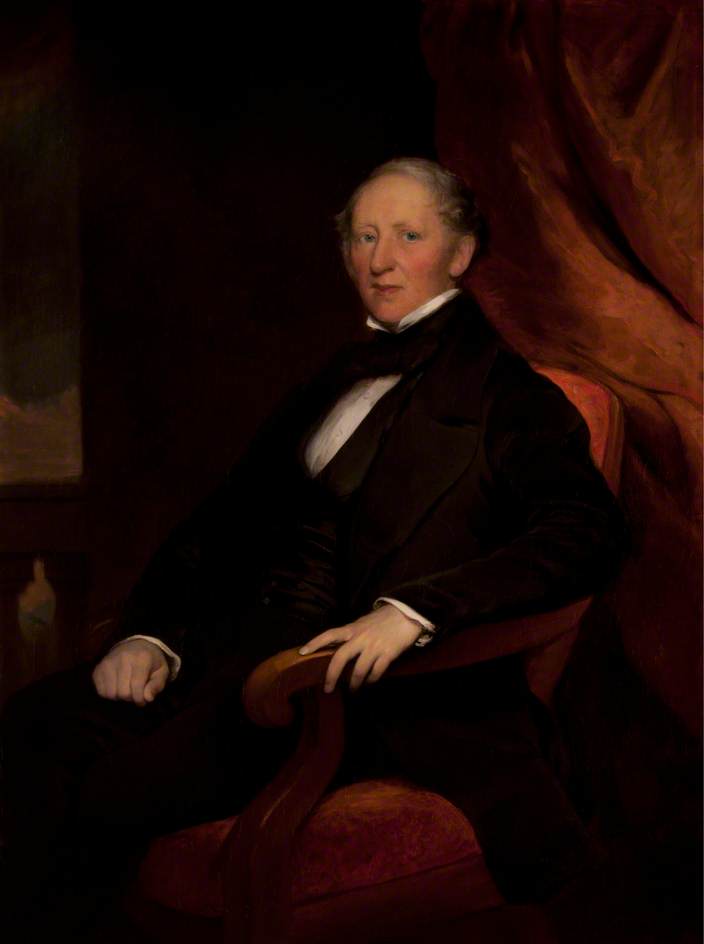
 プレビュー
プレビュー
 シェアする
シェアする シェアする
シェアする
 詳細を見る
詳細を見る

 ダウンロード
 似ている作品
 X線調査
X線調査 スライドショー
 Stats
StatsAndrew Mulholland (1792–1866)
 1840
1840 138.0 x 100.0 cm
 Irish Linen Centre - Lisburn Museum
 詳細を見る
詳細を見る
手描き油彩複製画
当社のアーティストが、お客様のご希望のサイズと額縁に合わせて、キャンバスに手描きで制作する油彩画です。 ( Switch to Print Switch to Digital Image)




































作品のオリジナル比率に合わせた、当店の規定サイズからお選びください。

特定のフレームやスペースに合わせて、ご希望のサイズをご入力いただけます。選択されたサイズが元の画像の比率と異なる場合、アートワークをトリミングするか、手描きで要素を追加して絵画を拡張いたします。デジタルモックアップ を制作し、制作開始前にご確認(承認)をいただきます。
画面上のプレビューは、実際のトリミングや拡張を正確に反映しているものではありません。最終的な構図は、モックアップによってのみ正確にご確認いただけます。
カスタムサイズもご利用いただけますが、元の比率を維持するためには、あらかじめ用意されたリストからサイズを選択することをお勧めいたします。
ご注文後、ArtsDot.com チームより詳細な指示をお送りするとともに、仕上がりイメージ(モックアップ)をご提供いたします。


 ガラスオプションは、110cm未満のサイズでのみご利用いただけます。

Andrew Mulholland (1792–1866)
複製技法
複製画のサイズ
-


合計金額
$ 263
関連作品








アーティストの略歴
Stephen Catterson Smith: The Portraitist of Victorian Ireland
Stephen Catterson Smith, a name perhaps less familiar than those of his contemporaries, nevertheless stands as a pivotal figure in the artistic landscape of 19th-century Ireland. Born in Skipton, Yorkshire, in 1806, into an artist’s family – his father, Joseph Smith, was a skilled coach painter – Smith's journey led him from the workshops of London to the vibrant and evolving world of Dublin portraiture. His career spanned nearly four decades, during which he cultivated a distinctive style and secured a place as one of Ireland’s most respected artists, particularly renowned for his ability to capture the likenesses of royalty, nobility, and prominent figures of the era.
Smith's early artistic training laid the foundation for his future success. He entered the schools of the Royal Academy in London at the age of sixteen, a significant achievement demonstrating his prodigious talent. He honed his skills in drawing black chalk portraits, a technique he quickly mastered and which would become a hallmark of his work. These preliminary sketches, often published as lithographs by Richard James Lane, gained him early recognition and established his reputation for meticulous detail and accurate representation. This focus on precise draughtsmanship would inform his later, more ambitious portrait commissions.
The Move to Ireland and the Rise to Prominence
A pivotal moment in Smith’s career arrived around 1840 when he accepted several commissions to paint portraits in Ireland. He initially settled in Derry, Northern Ireland, before relocating to Dublin, where he established a permanent studio and quickly ascended to become the leading portrait painter of the day. This move coincided with a period of significant social and political change in Ireland, and Smith’s ability to capture the personalities and status of his subjects proved highly sought after by the Irish elite. He was soon appointed Portrait Painter to the Lord Lieutenant, a prestigious position he held for nearly thirty years, documenting the reigns of numerous viceroys and solidifying his influence within Irish society.
Smith’s style evolved over time, reflecting both the influences of his training in London and the specific demands of his Irish clientele. Initially, his portraits adhered to a more formal, classical approach, reminiscent of Sir Thomas Lawrence, emphasizing regal bearing and dignified presentation. However, as he matured as an artist, he developed a greater sensitivity to capturing individual character and emotion. His portraits of women, in particular, are often praised for their lively charm and subtle psychological insights. He was particularly adept at portraying the nuances of personality, moving beyond mere likeness to convey a sense of inner life.
Royal Patronage and Artistic Achievements
Smith’s career reached its zenith during the reign of Queen Victoria. In 1854, he received a momentous commission – to paint a full-length portrait of the Queen herself for the corporation of Dublin. This monumental work, now housed in the National Gallery of Ireland, stands as a testament to his skill and ambition. Beyond this singular achievement, Smith’s portraits adorned the walls of numerous grand houses throughout Ireland, documenting the lives and achievements of prominent figures including all the Lord Lieutenants of Ireland for three decades. His work was frequently engraved, ensuring its widespread dissemination and solidifying his legacy within the art world.
Furthermore, Smith's election as an associate member of the Royal Hibernian Academy in 1844 and a full member in 1845 underscored his recognition by the artistic community. He was later elected president of the RHA in 1859, demonstrating his leadership role within Irish art. His influence extended beyond portraiture; he served as Director of the National Gallery of Ireland from 1868 until his death in 1872, playing a crucial role in shaping the institution’s collection and programming.
Legacy and Influence
Stephen Catterson Smith's legacy is one of quiet distinction. While he may not be as widely celebrated as some of his contemporaries, his portraits offer invaluable insights into Victorian Ireland – its social hierarchy, political landscape, and artistic sensibilities. His meticulous technique, combined with a keen eye for character, produced works that are both historically significant and aesthetically pleasing. Smith’s influence can still be felt today, not only in the surviving portraits themselves but also in the broader context of Irish art history, where he stands as a key figure in the development of portraiture during a period of profound transformation.
stephen catterson smith
1806 - 1872
基本情報
- Artistic Movement Or Style: Portraiture
- Artists Or Movements Influenced By This Artist: ['Royal Hibernian Academy']
- Artists Who Influenced This Artist: ['Sir Thomas Lawrence']
- Date Of Birth: March 12, 1806
- Date Of Death: May 30, 1872
- Full Name: Stephen Catterson Smith
- Nationality: English-Irish
- Notable Artworks:
- Queen Victoria portrait
- Major Cust portrait
- Place Of Birth: Skipton, England