

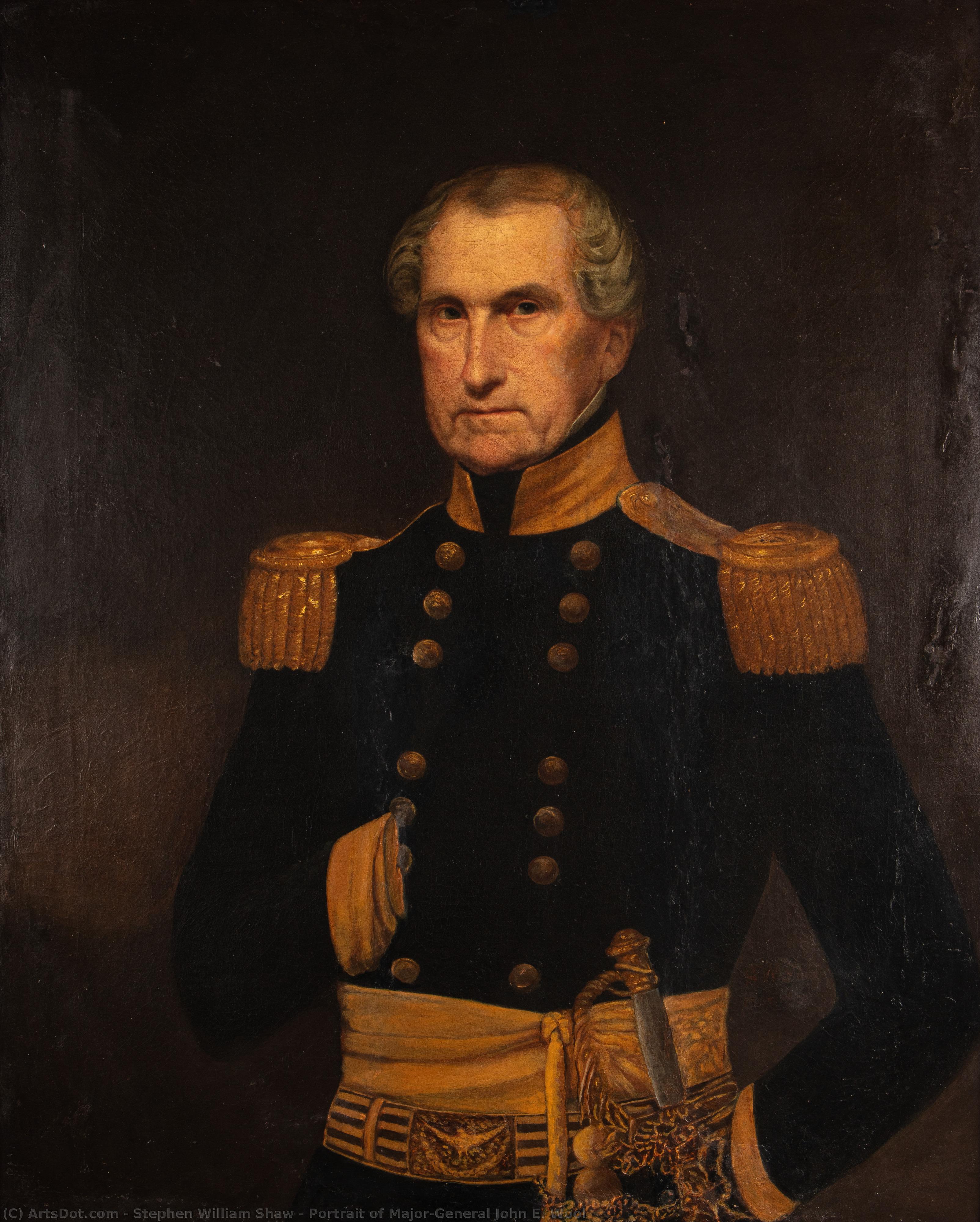
 プレビュー
プレビュー
 シェアする
シェアする シェアする
シェアする
 詳細を見る
詳細を見る

 ダウンロード
 似ている作品
 X線調査
X線調査 スライドショー
 Stats
StatsPortrait of Major-General John E. Wool
 Contemporary Realism
 1858
1858 107.0 x 90.0 cm
 詳細を見る
詳細を見る
オンラインプレビューをはるかに凌ぐ、高解像度で鮮明なデジタル画像をご購入いただけます。
各ファイルは、社内の専門家が高度なツールと熟練した手作業によるレタッチを用いて、細心の注意を払って準備されています。すべての画像において、卓越した鮮明度、正確な色彩再現性、そして繊細なディテールを保証いたします。
最終ファイルは、プロフェッショナルな編集・印刷環境ですぐにご利用いただけるよう最適化された状態で、72時間以内にメールにてお届けいたします。これは、一流のデザインスタジオ、出版社、ギャラリーから信頼されているものと同等の品質です。
デジタルアート
個人での鑑賞、印刷、クリエイティブなプロジェクト用に、高解像度ファイルをダウンロードできます。 ( Switch to Print 手描きの絵画を購入)
デジタル画像のご注文に付随する特典
高品質なデジタル画像配信を、確かな品質で。
ArtsDot.com を選ぶことは、単に画像を手に入れることではありません。それは、プロの手によって精密に仕上げられ、満足保証が付いた高品質なデジタルアートワークを受け取ることを意味します。ご注文いただいた際に自動的に付随する内容は、以下の通りです:

メールですぐにお届け
ご注文から72時間以内に、高解像度のデジタル画像ファイルがメールでお手元に届きます。すぐにそのままご利用いただけます。

AI技術で最適化されたデジタルファイル
お客様の作品は、高度なAIツールと専門家による手作業の編集を組み合わせてプロフェッショナルに最適化されており、細部のディテール、鮮明さ、そして正確な色再現性を最大限に引き出しています。

一生涯無料の再送サービス
ファイルを誤って削除したり、紛失してしまったりしましたか?ご安心ください。いつでも無料で再送いたします。

輸入手数料は一切かかりません
関税や手数料、配送料を気にすることなく、お気に入りのアートワークをすぐにお楽しみいただけます。デジタルダウンロードは常に免税です。

色彩再現の保証
プロ仕様のツールとカラーマネジメント技術を用いることで、デジタル画像が元の色を最大限に忠実に再現することを保証いたします。

100日間満足保証
ご購入いただいたデジタル画像にご満足いただけない場合は、100日以内であれば、理由を問わず修正または100%の返金対応をさせていただきます。

100% 返金保証
ご満足いただけない場合は、デジタルファイルを受け取ってから100日以内であれば、理由を問わず全額返金いたします。

まとめ買い割引
3枚購入で10%OFF - 5枚購入で15%OFF - 10枚以上購入で20%OFF。クリエイティブなプロジェクト、ギャラリー、エージェンシーに最適です。
関連作品
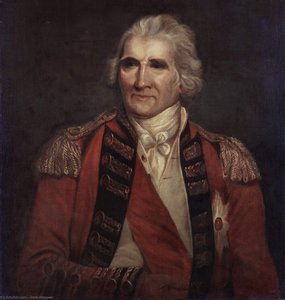
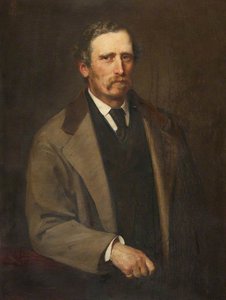
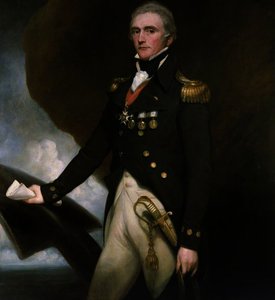
作家の略歴
Stephen William Shaw: California Pioneer, Portraitist, and Cartographer of the Gold Rush
Stephen William Shaw (December 15, 1817 – February 12, 1900) stands as a fascinating figure bridging the worlds of art, exploration, and the burgeoning American West. More than just a portrait painter, he was a California ‘49er who played an active role in shaping the early history of Humboldt Bay, introduced viticulture to Sonoma County, and documented the lives of prominent pioneers through his evocative oil paintings. His life’s journey—from a Vermont farm boy to a key participant in the Gold Rush and beyond—offers a unique window into 19th-century America, blending artistic talent with entrepreneurial spirit and a keen eye for both landscape and human character.
Born on a farm near Windsor, Vermont, Shaw’s early life was steeped in New England traditions. He received a rudimentary education but quickly developed a passion for drawing and penmanship, skills he honed while teaching at Norwich Military Academy and later as a director of the Boston Athenaeum. This foundation proved crucial when, in 1842, he embarked on a westward trajectory, driven by the allure of opportunity and the burgeoning excitement surrounding California’s Gold Rush. He arrived in Lexington, Kentucky, and then Baton Rouge, Louisiana, establishing himself as an itinerant portraitist, quickly gaining recognition for his ability to capture likenesses with both technical skill and a subtle sense of personality.
Shaw's arrival in San Francisco in 1849 marked a pivotal moment. Rather than immediately seeking gold himself, he recognized the potential for artistic patronage amidst the rapidly expanding frontier town. He quickly established a studio and began documenting the lives of those who were shaping California’s destiny – miners, merchants, politicians, and Native Americans. His portraits weren't merely representations; they aimed to capture the spirit of the era, reflecting the ambition, grit, and social dynamics of this new land. A particularly notable commission was for General Zachary Taylor in 1848, a work that earned him a silver medal at the American Institute. However, Shaw’s most enduring contribution to California history lies in his exploration and mapping of Humboldt Bay. In 1850, he joined an expedition tasked with charting the region's waterways, and it was during this journey that he is credited with discovering and naming Humboldt Bay – a testament to his observational skills and willingness to contribute to the burgeoning narrative of the West.
Beyond his artistic endeavors and geographical explorations, Shaw also played a significant role in establishing viticulture in Sonoma County. Recognizing the potential for grape cultivation in the region’s fertile valleys, he began experimenting with different varieties and techniques, ultimately introducing European viticultural practices to California. This pioneering work laid the groundwork for the renowned wine industry that would later flourish in the state. His personal life was marked by both success and loss; he married Mary Frances Meacham in 1861, but she tragically died just a few years later. Following her death, he remarried in 1873 to Lucretia Swain of Nantucket, Massachusetts, embarking on a period of travel abroad before returning to San Francisco.
Stephen William Shaw’s legacy extends beyond his individual artistic achievements. He embodies the spirit of the American West – an explorer, an artist, and a pioneer who contributed significantly to its development. His portraits offer invaluable glimpses into the lives of those who shaped California's early history, while his exploration of Humboldt Bay and introduction of viticulture cemented his place as a key figure in the state’s cultural and economic landscape. His work continues to be studied and appreciated for its historical significance, artistic merit, and evocative portrayal of a transformative era in American history.
Notable Works & Artistic Style
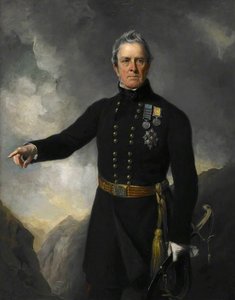
Shaw's oeuvre primarily consists of oil paintings, characterized by a blend of realism and Victorian aesthetic sensibilities. His portraits are particularly noteworthy for their ability to capture not only physical likenesses but also the personalities and social standing of his subjects. He employed techniques reminiscent of the Hudson River School painters, utilizing atmospheric perspective and detailed rendering of landscapes to create a sense of depth and grandeur. While influenced by academic traditions, Shaw’s work possesses a distinctly American character, reflecting the rugged beauty and pioneering spirit of the West. Key works include his portrait of Major-General John E. Wool (1858), a dramatic depiction showcasing Victorian realism and military grandeur, and his documentation of Humboldt Bay – a crucial visual record of this newly discovered landscape.
Historical Context & Influences
Shaw’s life unfolded during a period of immense social and geographical change in America. The California Gold Rush dramatically reshaped the state's demographics, economy, and culture, creating a dynamic environment ripe with opportunity and conflict. Shaw was deeply influenced by this era, embracing its spirit of exploration and innovation while also documenting its complexities through his art. His artistic training in Europe—particularly at the Boston Athenaeum—exposed him to classical techniques and compositional principles, which he skillfully adapted to his American subject matter. Furthermore, the rise of lithography during this period provided a new medium for disseminating images and shaping public perceptions – an influence that may have informed Shaw’s approach to portraiture.
Legacy & Recognition
Stephen William Shaw's contributions to California history are often understated but profoundly significant. Beyond his artistic output, he played a crucial role in documenting the early days of Humboldt Bay and introducing viticulture to Sonoma County – endeavors that had lasting impacts on the region’s development. His portraits remain valuable historical records, offering intimate glimpses into the lives of prominent pioneers and shaping our understanding of this transformative era. While not as widely celebrated as some of his contemporaries, Shaw's work continues to be studied by art historians and researchers, solidifying his place as a key figure in California’s artistic and cultural heritage.
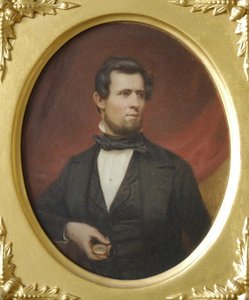
Stephen William Shaw
1817 - 1900 , United Kingdom
プロフィール概要
- Artistic Movement Or Style: Portrait painting
- Artists Or Movements Influenced By This Artist: ['Victorian Realism']
- Artists Who Influenced This Artist: ['']
- Date Of Birth: December 15, 1817
- Date Of Death: February 12, 1900
- Full Name: Stephen William Shaw
- Nationality: American
- Notable Artworks:
- Portrait of Major-General Wool
- Humboldt Bay Sketch
- Place Of Birth: London, United Kingdom