

 プレビュー
プレビュー
 シェアする
シェアする シェアする
シェアする
 詳細を見る
詳細を見る

 ダウンロード
 似ている作品
 X線調査
X線調査 スライドショー
 Stats
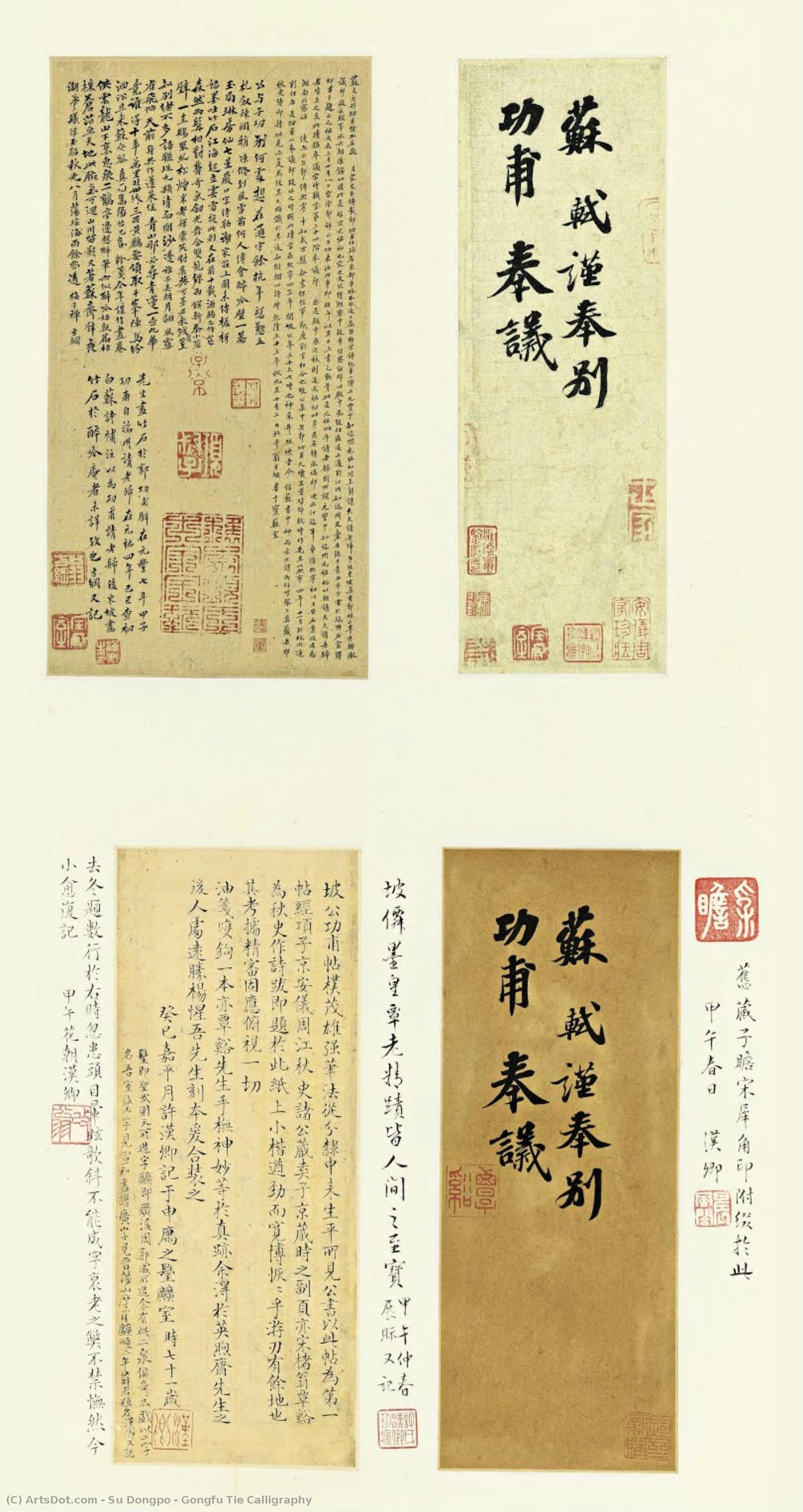
StatsGongfu Tie Calligraphy

 詳細を見る
詳細を見る
手描き油彩複製画
当社のアーティストが、お客様のご希望のサイズと額縁に合わせて、キャンバスに手描きで制作する油彩画です。 ( Switch to Print Switch to Digital Image)




































作品のオリジナル比率に合わせた、当店の規定サイズからお選びください。

特定のフレームやスペースに合わせて、ご希望のサイズをご入力いただけます。選択されたサイズが元の画像の比率と異なる場合、アートワークをトリミングするか、手描きで要素を追加して絵画を拡張いたします。デジタルモックアップ を制作し、制作開始前にご確認(承認)をいただきます。
画面上のプレビューは、実際のトリミングや拡張を正確に反映しているものではありません。最終的な構図は、モックアップによってのみ正確にご確認いただけます。
カスタムサイズもご利用いただけますが、元の比率を維持するためには、あらかじめ用意されたリストからサイズを選択することをお勧めいたします。
ご注文後、ArtsDot.com チームより詳細な指示をお送りするとともに、仕上がりイメージ(モックアップ)をご提供いたします。


 ガラスオプションは、110cm未満のサイズでのみご利用いただけます。

Gongfu Tie Calligraphy
複製技法
複製画のサイズ
-


合計金額
$ 263
関連作品






アーティストの略歴
Dieter Roth: A Life Sculpted from Chaos and Materials
Dieter Roth (1930 – 1998) emerged from the post-war art scene as a singular, relentlessly inventive force—an artist who fundamentally challenged the boundaries between art and life. His work, often startling in its physicality and process, wasn’t about creating polished objects but rather documenting and embodying the very act of making itself. Roth's trajectory is one of constant experimentation, embracing a dizzying array of materials – wood, cardboard, rope, metal, plastic, even found objects – transforming them into complex, evolving structures that seemed to breathe with their own internal logic. Born in Germany, his early artistic explorations were rooted in the burgeoning Fluxus movement, yet Roth quickly outgrew its constraints, forging a distinctly personal and often confrontational style. He wasn’t interested in simply joining a trend; he sought to dismantle established categories of art, inviting viewers into a world where the process was as vital—if not more so—than the finished product. His life itself became intertwined with his work, marked by periods of intense creativity punctuated by bouts of heavy drinking – a self-acknowledged struggle that fueled both his artistic drive and his often turbulent existence.Early Influences and Fluxus Connections
Roth’s early years were shaped by the political and social upheaval of post-war Germany, an experience that profoundly influenced his artistic sensibility. He initially studied at the Kunstakademie Düsseldorf, where he encountered the ideas of artists like Joseph Beuys, whose emphasis on social responsibility and the transformative power of art resonated deeply with Roth’s own concerns. Crucially, Roth became involved with Fluxus in the late 1960s, a loosely organized international network of artists who sought to disrupt traditional notions of artistic practice through performance, events, and collaborative projects. However, Roth's engagement with Fluxus was never purely aligned; he pushed beyond its conceptual framework, prioritizing physical action and material transformation above all else. Works like his “Rope Constructions” – intricate networks of rope meticulously woven into complex three-dimensional forms – exemplify this approach, demonstrating a fascination with the inherent properties of materials and the possibilities of their manipulation. These constructions weren’t simply decorative; they were dynamic systems, constantly shifting and evolving as the ropes settled and rearranged themselves under their own weight.The Rise of “Material Art” and Process-Based Sculpture
As Roth moved into the 1970s, his work began to coalesce around what is now often referred to as "material art." He abandoned traditional sculptural techniques in favor of a radical approach that embraced chance, accident, and the unpredictable behavior of materials. His “Wood Constructions” – towering assemblages of wood, cardboard, and other found objects – became increasingly elaborate and ambitious, reflecting his growing interest in structural mechanics and the inherent instability of these precarious structures. Roth viewed himself as a facilitator, guiding the materials rather than imposing a predetermined form upon them. He would build temporary scaffolding, carefully positioning the components, and then allow gravity to take over, resulting in sculptures that seemed to defy logic and convention. These works were not about creating beautiful objects; they were about documenting the process of construction, revealing the inherent tensions and contradictions within the materials themselves.Expanding Materials and Performance
Throughout the 1980s, Roth’s artistic practice expanded dramatically, incorporating an astonishing range of new materials – plastic sheeting, metal wire, rope, even discarded objects from his studio. He began to experiment with performance art, often creating elaborate installations that blurred the boundaries between sculpture and event. These performances were characterized by a sense of controlled chaos, involving the manipulation of materials, the creation of temporary structures, and the interaction between the artist and the audience. Roth’s work during this period became increasingly confrontational, challenging viewers to reconsider their assumptions about art and its role in society. His use of found objects—often discarded or overlooked—added another layer of complexity to his practice, suggesting a critique of consumer culture and a celebration of the beauty of imperfection.Legacy and Critical Reception
Dieter Roth died in 1998, leaving behind a remarkably diverse and challenging body of work. Initially, his art received mixed reviews, often dismissed as eccentric or even incomprehensible. However, over time, Roth’s influence has grown steadily, and he is now recognized as one of the most important artists of the late 20th century. His pioneering approach to material manipulation, his embrace of chance and accident, and his willingness to challenge conventional notions of art have had a profound impact on generations of artists. Roth's work continues to be exhibited internationally, and his sculptures are held in major museum collections around the world. He remains an artist who demands engagement, inviting viewers to contemplate the relationship between process, material, and meaning—a testament to the enduring power of artistic experimentation.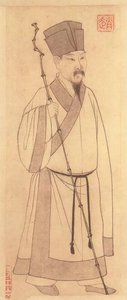
su dongpo
1037 - 1101 , China
基本情報
- Artistic Movement Or Style: Mixed-media organic art
- Artists Or Movements Influenced By This Artist: ['Dieter Roth']
- Artists Who Influenced This Artist:
- Fluxus
- Pop Art
- Arte Povera
- Date Of Death: 1998
- Full Name: Dieter Roth
- Nationality: German/Swiss
- Notable Artworks: ['Delirious Decay']