

 プレビュー
プレビュー
 プリントを購入
 シェアする
シェアする シェアする
シェアする
 詳細を見る
詳細を見る

 ダウンロード
 似ている作品
 X線調査
X線調査 スライドショー
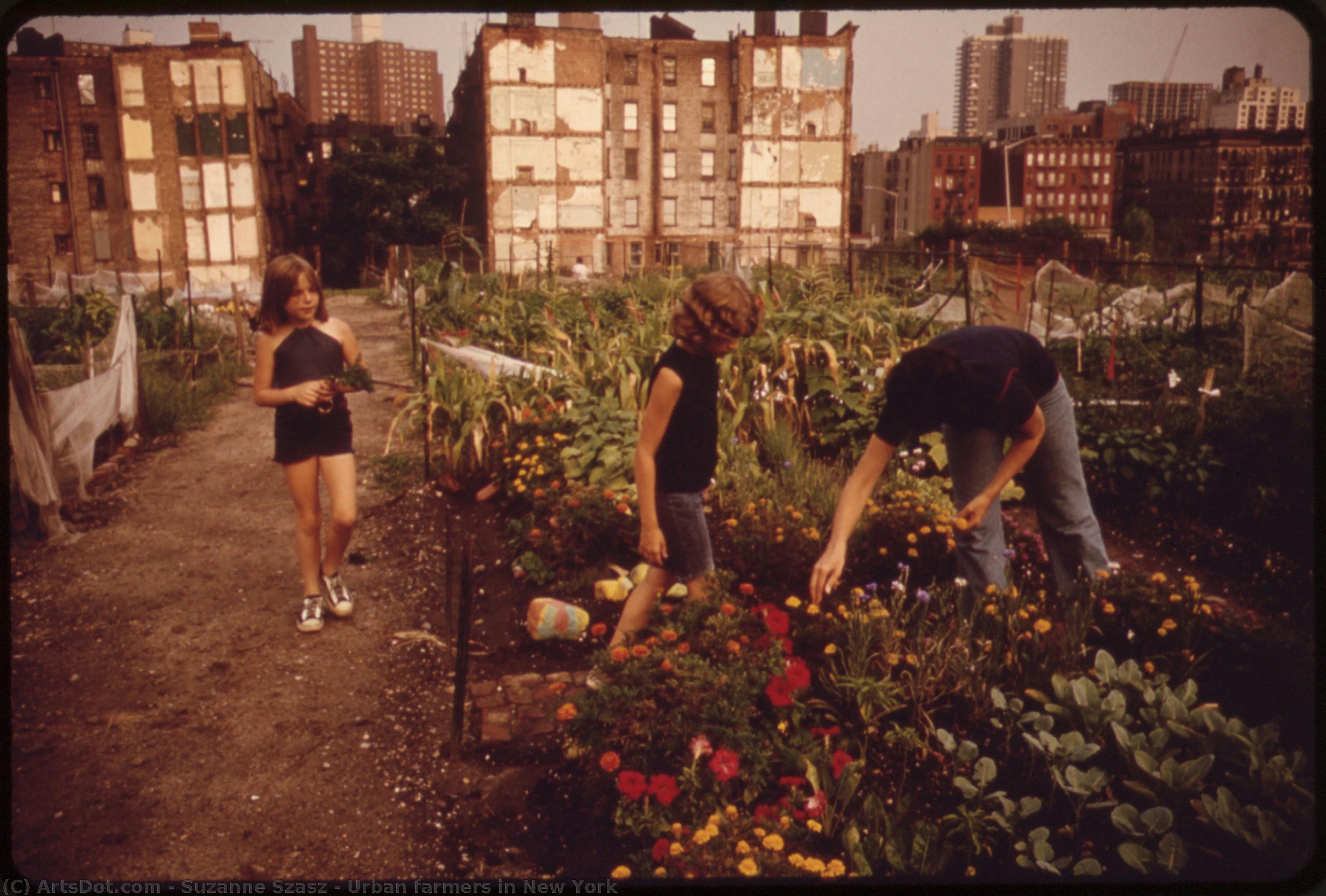
Urban farmers in New York


 詳細を見る
詳細を見る




































作品のオリジナル比率に合わせた、当店の規定サイズからお選びください。

特定のフレームやスペースに合わせて、ご希望のサイズをご入力いただけます。選択されたサイズが元の画像の比率と異なる場合、アートワークをトリミングするか、手描きで要素を追加して絵画を拡張いたします。デジタルモックアップ を制作し、制作開始前にご確認(承認)をいただきます。
画面上のプレビューは、実際のトリミングや拡張を正確に反映しているものではありません。最終的な構図は、モックアップによってのみ正確にご確認いただけます。
カスタムサイズもご利用いただけますが、元の比率を維持するためには、あらかじめ用意されたリストからサイズを選択することをお勧めいたします。
ご注文後、ArtsDot.com チームより詳細な指示をお送りするとともに、仕上がりイメージ(モックアップ)をご提供いたします。


 ガラスオプションは、110cm未満のサイズでのみご利用いただけます。

Urban farmers in New York
複製技法
複製画のサイズ
-


合計金額
$ 263
関連作品









アーティストの略歴
The Lens of Innocence: The Life and Legacy of Suzanne Szasz
To look upon the work of Suzanne Szasz is to witness a profound dialogue between light and the unscripted essence of childhood. Born Suzanne Szekely in 1915 amidst the intellectual currents of Budapest, Hungary, her journey was one of migration and metamorphosis. Moving to the United States in 1946, she arrived not as an established artist, but as a seeker. It was during her time working as a counselor at a children’s summer camp in New York that the camera—initially a borrowed instrument—became her primary voice. This pivotal encounter with the vibrant, chaotic, and tender world of youth ignited a passion that would eventually redefine the boundaries of documentary photography.
Szasz’s photographic evolution was marked by an extraordinary ability to move beyond mere documentation into the realm of emotional truth. Her breakthrough came through a serendipitous victory in a cover competition for Ladies' Home Journal, an achievement that opened the doors to the most prestigious publications of the mid-20th century. From the pages of Life and Look to the intimate domesticity of Good Housekeeping and McCall’s, her images acted as windows into the human condition. She did not merely photograph children; she captured the invisible threads of relationship that bind a child to their environment, their peers, and the adults who guide them.
A Mastery of Empathy and Light
The technical brilliance of Szasz lay in her rejection of the staged or the artificial. She famously noted that her most profound work occurred when subjects were engaged in genuine interaction, stating that she sought the real relationships children have with the world around them rather than how they might act in front of a lens. This commitment to authenticity was perhaps most poignantly realized in 1952 during her monumental project for Women's Home Companion. Tasked with documenting a polio ward at New York's Willard Parker Hospital, Szasz utilized minimal equipment and the soft, available light of the wards to create a series that centered on the resilience of the human spirit, specifically through the eyes of young patients like six-year-old Eileen Dicheck.
Her aesthetic was often characterized by a masterful use of monochrome, where the absence of color allowed the textures of skin, fabric, and shadow to speak with unparalleled clarity. This ability to sculpt emotion from light earned her international acclaim. One of her most iconic images—a low-light portrait of a wide-eyed girl wearing a toy Indian headdress—was selected by the legendary Edward Steichen for the Family of Man exhibition at the Museum of Modern Art. This inclusion placed her work within a global canon of humanist photography, reaching an audience of millions and cementing her status as a master of the medium.
The Tapestry of American Life
Beyond the clinical walls of hospitals, Szasz’s lens wandered through the pastoral landscapes of the American experience. In collaboration with fellow photographer Ray Schorr, she documented the rhythmic traditions of the Pinewoods Dance Camp in Massachusetts. Through their shared vision, they captured the essence of rural American life, focusing on the folk music and traditional dances that formed the heartbeat of community identity. This body of work serves as a vital historical record of a vanishing way of life, rendered with a sense of nostalgia that never descends into sentimentality.
The enduring significance of Suzanne Szasz lies in her ability to elevate the ephemeral moments of childhood into timeless art. Her career was not merely a collection of assignments, but a lifelong pursuit of the "childhood magic" that exists in the quiet, unobserved corners of existence. Through her work, we are reminded that the most profound stories are often found in the simplest gazes and the most delicate connections, preserved forever in the silver tones of her incomparable vision.
suzanne szasz
1915 - 1997 , United States of America
基本情報
- Artistic Movement Or Style: Precisionism
- Artists Or Movements Influenced By This Artist: ['The Family of Man']
- Artists Who Influenced This Artist: ['Ray Schorr']
- Date Of Birth: October 20, 1915
- Date Of Death: July 3, 1997
- Full Name: Suzanne Szasz
- Nationality: Hungarian-born American
- Notable Artworks: ['Urban farmers in New York']
- Place Of Birth: Budapest, Hungary