

 プレビュー
プレビュー
 プリントを購入
 シェアする
シェアする シェアする
シェアする
 詳細を見る
詳細を見る

 ダウンロード
 似ている作品
 X線調査
X線調査 スライドショー
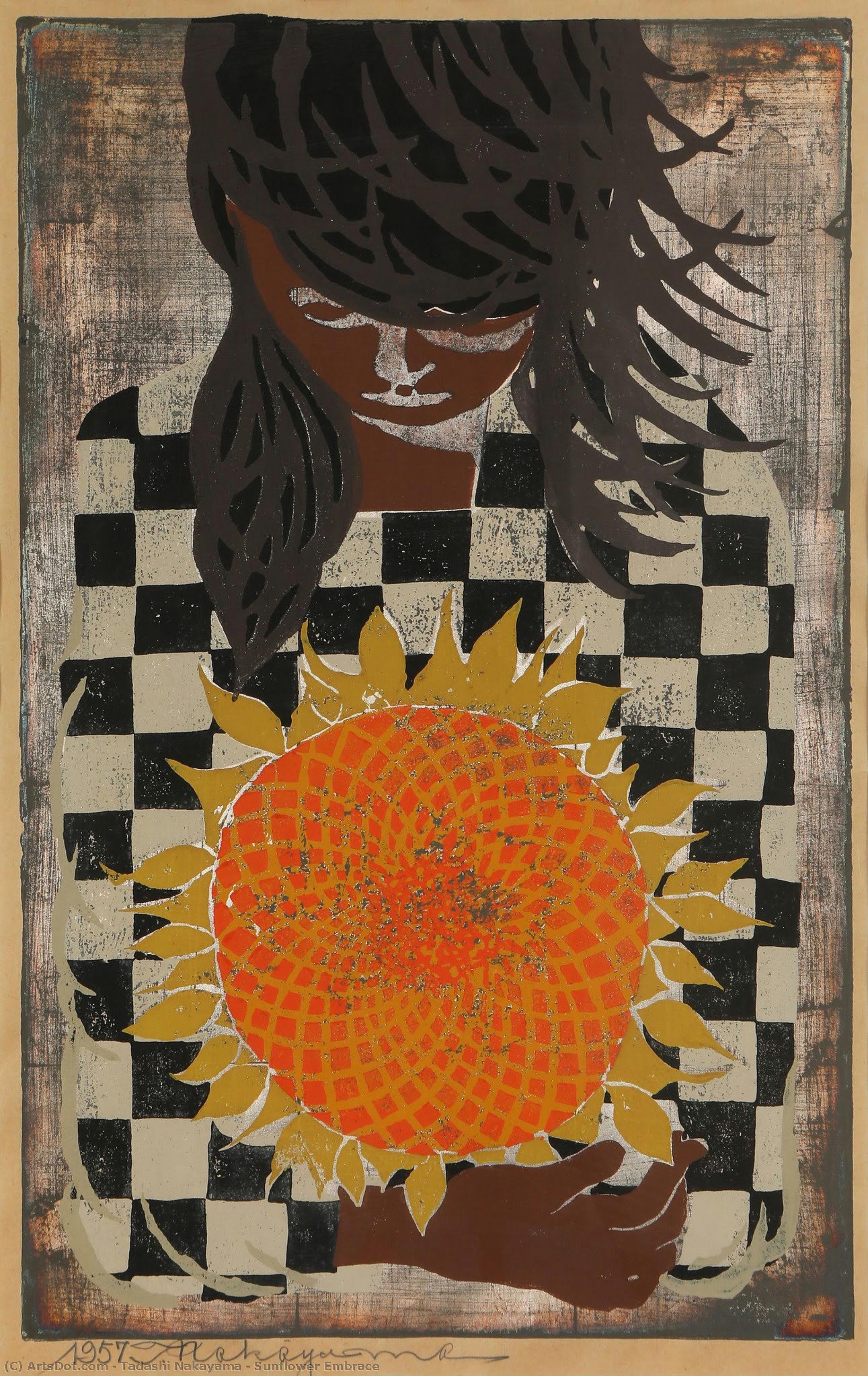
Sunflower Embrace
 1957
1957 80.0 x 55.0 cm
 詳細を見る
詳細を見る




































作品のオリジナル比率に合わせた、当店の規定サイズからお選びください。

特定のフレームやスペースに合わせて、ご希望のサイズをご入力いただけます。選択されたサイズが元の画像の比率と異なる場合、アートワークをトリミングするか、手描きで要素を追加して絵画を拡張いたします。デジタルモックアップ を制作し、制作開始前にご確認(承認)をいただきます。
画面上のプレビューは、実際のトリミングや拡張を正確に反映しているものではありません。最終的な構図は、モックアップによってのみ正確にご確認いただけます。
カスタムサイズもご利用いただけますが、元の比率を維持するためには、あらかじめ用意されたリストからサイズを選択することをお勧めいたします。
ご注文後、ArtsDot.com チームより詳細な指示をお送りするとともに、仕上がりイメージ(モックアップ)をご提供いたします。


 ガラスオプションは、110cm未満のサイズでのみご利用いただけます。

Sunflower Embrace
複製技法
複製画のサイズ
-


合計金額
$ 263
関連作品








アーティストの略歴
A Life Bridging Worlds: The Art of Tadashi Nakayama
Tadashi Nakayama, born in Niigata, Japan in 1927 and passing away in 2014, was an artist whose life and work embodied a beautiful synthesis of tradition and innovation. He wasn’t merely a woodblock printmaker; he was a cultural translator, seamlessly weaving the delicate aesthetics of *ukiyo-e* with the bold sensibilities of Western painting. His journey began with formal training in oil painting at Tama Art College, but even within that context, Nakayama felt a pull towards something deeper rooted in his heritage. He left the college in 1947, embarking on a path of self-discovery that would ultimately lead him to redefine Japanese woodblock printing for a modern audience. This wasn’t a rejection of Western techniques, however, but rather an informed choice to explore and elevate the artistic possibilities within the traditional methods he had grown up with.From Japan to Europe: A Period of Transformation
The pivotal years between 1962 and 1965 saw Nakayama venture beyond the shores of Japan, spending time in Milan, Italy, followed by a sojourn in England. This period proved transformative. Immersing himself in European art and culture wasn’t about adopting a new style wholesale; it was about refining his own vision through exposure to different perspectives. He absorbed the nuances of Renaissance composition, the vibrancy of Italian color palettes, and the expressive power of Western figurative painting. These influences didn't overshadow his Japanese roots but rather enriched them, creating a unique artistic language that resonated with both Eastern and Western sensibilities. He later became a respected educator, sharing his knowledge and passion as a teacher at Bath Academy of Arts, further solidifying his role as a bridge between cultures.Motifs and Meaning: A Symbolic Universe
Nakayama’s art is instantly recognizable for its recurring motifs – butterflies, horses, cranes, and graceful depictions of girls with long flowing hair. These weren't arbitrary choices; each symbol held deep cultural significance. The butterfly, a classic emblem in Japanese art, represents transformation, joy, and the ephemeral nature of life. Horses embody strength, freedom, and nobility, while cranes symbolize longevity, good fortune, and marital happiness. The girls with long flowing hair often evoke a sense of wistful beauty and feminine grace, drawing on traditional imagery but imbued with Nakayama’s own modern sensibility. His compositions are characterized by a delicate balance between detailed realism and stylized abstraction, creating an atmosphere that is both serene and emotionally evocative. He wasn't simply illustrating these symbols; he was using them to explore universal themes of beauty, mortality, and the human condition.Later Years and Artistic Evolution
As Nakayama’s career progressed, his artistic exploration expanded beyond traditional Japanese iconography. He began incorporating elements inspired by Persian miniatures, Byzantine mosaics, and Renaissance painting – a testament to his lifelong fascination with diverse art forms. This fusion of styles wasn't haphazard; it was a deliberate attempt to create something entirely new, a visual language that transcended cultural boundaries. His later pieces often feature intricate patterns, rich textures, and a heightened sense of color, demonstrating a mastery of woodblock printing techniques honed over decades. He pushed the boundaries of what *ukiyo-e* could be, proving that tradition wasn’t about rigid adherence to form but rather a foundation for innovation and personal expression.Legacy and Historical Significance
Tadashi Nakayama's contribution to Japanese art lies in his ability to revitalize the woodblock print tradition while simultaneously forging a unique artistic identity. He didn’t simply replicate the past; he reinterpreted it, infusing it with modern sensibilities and global influences.- He successfully bridged the gap between Eastern and Western aesthetics.
- His work introduced *ukiyo-e* to a wider international audience.
- Nakayama’s emphasis on symbolism and emotional depth elevated woodblock printing beyond mere craft.

tadashi nakayama
1927 - 2014 , Japan