

 プレビュー
プレビュー
 プリントを購入
 シェアする
シェアする シェアする
シェアする
 詳細を見る
詳細を見る

 ダウンロード
 似ている作品
 X線調査
X線調査 スライドショー
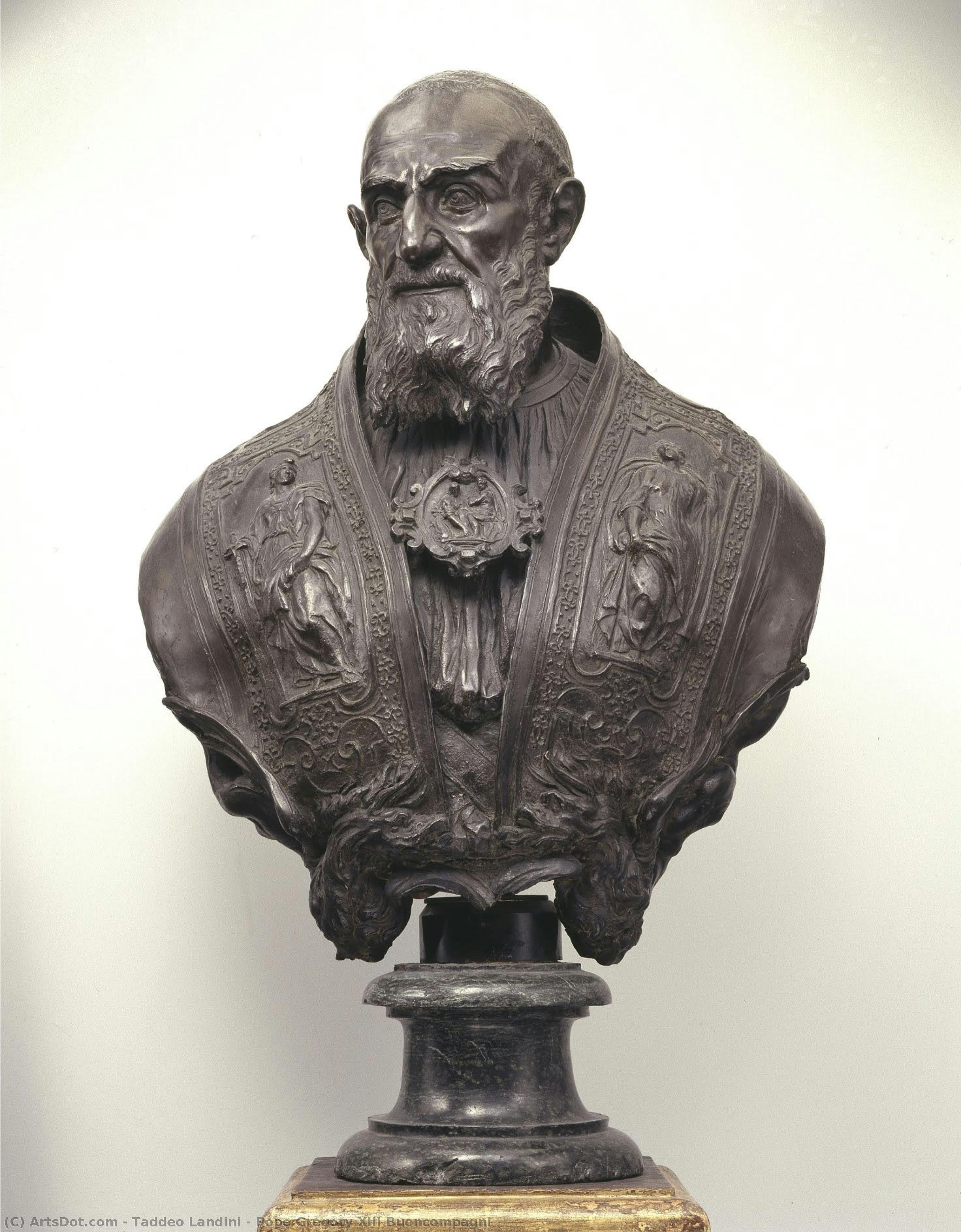
Pope Gregory XIII Buoncompagni

 詳細を見る
詳細を見る




































作品のオリジナル比率に合わせた、当店の規定サイズからお選びください。

特定のフレームやスペースに合わせて、ご希望のサイズをご入力いただけます。選択されたサイズが元の画像の比率と異なる場合、アートワークをトリミングするか、手描きで要素を追加して絵画を拡張いたします。デジタルモックアップ を制作し、制作開始前にご確認(承認)をいただきます。
画面上のプレビューは、実際のトリミングや拡張を正確に反映しているものではありません。最終的な構図は、モックアップによってのみ正確にご確認いただけます。
カスタムサイズもご利用いただけますが、元の比率を維持するためには、あらかじめ用意されたリストからサイズを選択することをお勧めいたします。
ご注文後、ArtsDot.com チームより詳細な指示をお送りするとともに、仕上がりイメージ(モックアップ)をご提供いたします。


 ガラスオプションは、110cm未満のサイズでのみご利用いただけます。

Pope Gregory XIII Buoncompagni
複製技法
複製画のサイズ
-


合計金額
$ 263
関連作品






アーティストの略歴
The Elegance of Mannerism: The Life and Legacy of Taddeo Landini
Taddeo Landini stands as a pivotal figure in the Florentine Mannerist movement, an artist whose hands shaped the very essence of late 16th-century Italian aesthetics. Born in Florence around 1561, Landini emerged during a period defined by intense papal patronage and a profound artistic experimentation that sought to push the boundaries of classical form. His career, though tragically shortened by his death in 1596, was a masterful journey through the heart of Tuscany and the grandeur of Rome, leaving behind a legacy where sculpture and architecture breathe as a single, unified entity. His early years were steeped in the rich traditions of Florence, where he received his formative training under the esteemed sculptor Giovanni Battista Pontorno. From Pontorno, Landini inherited a deep reverence for the mastery of marble carving and the humanist ideals that had flourished during the High Renaissance. However, it was through his own developing vision that he embraced the more expressive, stylized realism characteristic of Mannerism. This stylistic evolution allowed him to move beyond mere imitation of antiquity, instead infidently weaving elegance, dynamism, and a haunting psychological depth into his works.Architectural Harmony and Sculptural Mastery
Landini’s artistic identity was uniquely defined by his ability to bridge the gap between the structural permanence of architecture and the fluid grace of sculpture. This talent is perhaps most vibrantly realized in his contributions to the celebrated Fontana delle Tartarughe (Fountain of the Turtles) in Rome. Working within the architectural framework established by Ammanati, Landini infused the fountain with sculptural elements that transformed a functional water feature into an immersive, theatrical experience. His work on this monument exemplifies the Mannerist preoccupation with creating spaces where art and environment are inextricably linked. His prowess was not limited to the decorative but extended to the monumental and the emotive. In Florence, his ability to capture complex human sensations was evident in his creation of the statue of Winter for the Ponte Santa Trinita. This figure, depicted as a man shivering against the cold, showcased Landini's capacity to use stylized, elongated forms to convey visceral, physical reality. Such works solidified his reputation as a sculptor capable of translating the intangible—emotion and atmosphere—into the enduring medium of stone and bronze.Roman Splendor and Papal Patronage
The latter part of Landini’s career saw him ascend to the epicenter of the art world: Rome. Moving to the Eternal City after 1580, he brought with him the sophisticated decorative style of Florentine fountains, a technique that would find great resonance in the papal courts. His arrival in Rome coincided with an era of immense religious and political significance, and Landini quickly secured the favor of influential figures such as Pope Sixtus V and Clement VIII. Under this prestigious patronage, his work took on a more monumental scale and a deeper symbolic complexity. His bronze busts, including those of Pope Gregory XIII and Pope Sixtus V, reflect the dignity and authority required by his subjects, yet they retain that unmistakable Florentine grace. These works were not merely portraits but were imbued with the political and spiritual gravity of the Counter-Reformation. Through these commissions, Landini helped shape the visual language of a Church seeking to assert its power and permanence through art that was both awe-inspiring and exquisitely crafted.A Lasting Impression on Italian Art
Though his life ended prematurely at the age of thirty-five, the impact of Taddeo Landini remains etched in the stone of Italy's most beautiful piazzas and bridges. He represents a crucial link in the transition from the balanced perfection of the Renaissance to the more complex, emotive, and theatrical era of the Baroque. His ability to integrate sculptural narrative into architectural design paved the way for future generations of artists to view the urban landscape as a canvas for storytelling. Today, when one gaz于the delicate bronze figures of his fountains or contemplates the strength of his papal portraiture, one witnesses the enduring spirit of a master who understood that true art lies in the balance between technical precision and the profound expression of the human soul. His contribution to the Florentine and Roman landscapes remains a testament to the brilliance of the Mannerist era.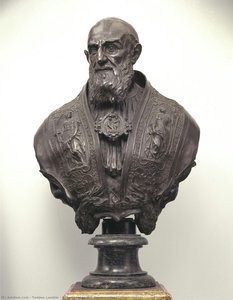
taddeo landini
1561 - 1596 , Italy
基本情報
- Artistic Movement Or Style: Mannerist
- Artists Or Movements Influenced By This Artist: ['Ammanati']
- Artists Who Influenced This Artist: ['Michelangelo']
- Date Of Birth: c. 1561
- Date Of Death: March 13, 1596
- Full Name: Taddeo Landini
- Nationality: Italian
- Notable Artworks:
- Fontana delle Tartarughe
- Risen Christ (Santo Spirito)
- Winter (Ponte Santa Trinita)
- Christ Washing Feet (Santa Caterina dei Funari)
- Place Of Birth: Florence, Italy