

 プレビュー
プレビュー
 プリントを購入
 シェアする
シェアする シェアする
シェアする
 詳細を見る
詳細を見る

 ダウンロード
 似ている作品
 X線調査
X線調査 スライドショー
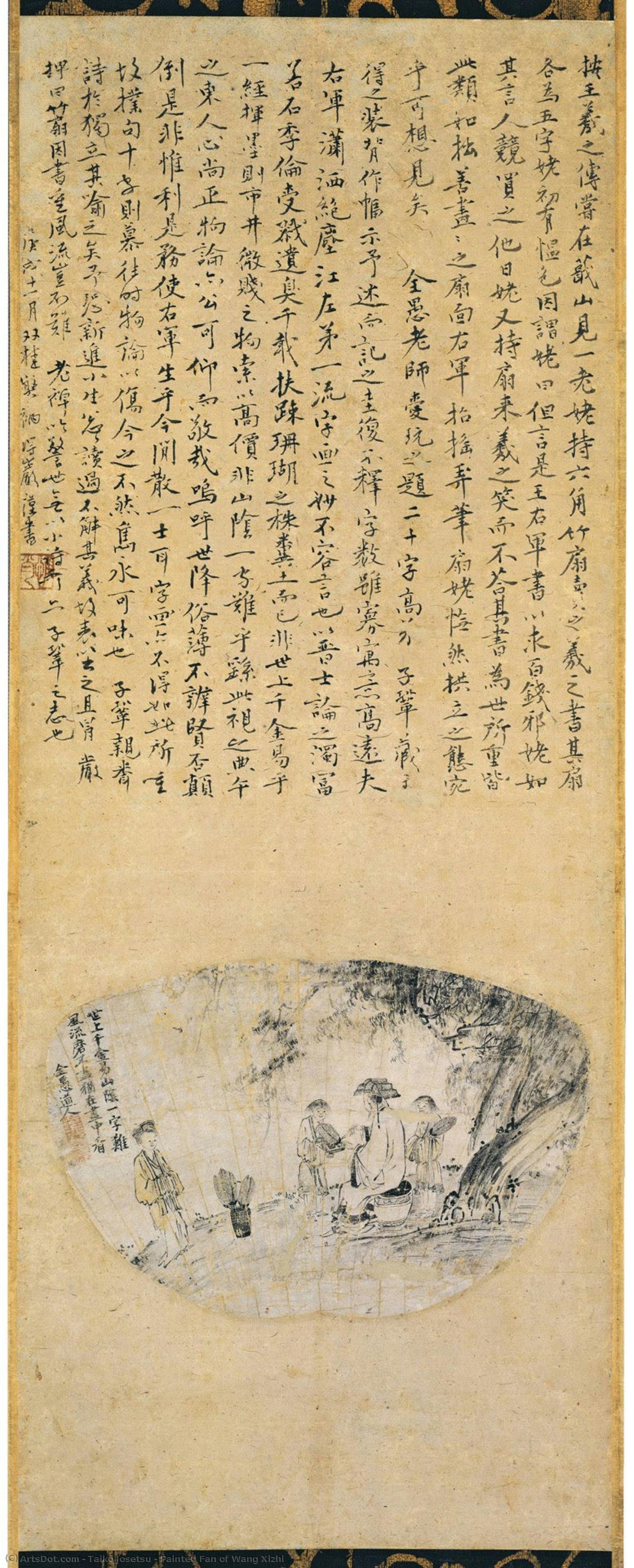
Painted Fan of Wang Xizhi

 詳細を見る
詳細を見る
オンラインプレビューをはるかに凌ぐ、高解像度で鮮明なデジタル画像をご購入いただけます。
各ファイルは、社内の専門家が高度なツールと熟練した手作業によるレタッチを用いて、細心の注意を払って準備されています。すべての画像において、卓越した鮮明度、正確な色彩再現性、そして繊細なディテールを保証いたします。
最終ファイルは、プロフェッショナルな編集・印刷環境ですぐにご利用いただけるよう最適化された状態で、72時間以内にメールにてお届けいたします。これは、一流のデザインスタジオ、出版社、ギャラリーから信頼されているものと同等の品質です。
デジタル画像のご注文に付随する特典
高品質なデジタル画像配信を、確かな品質で。
ArtsDot.com を選ぶことは、単に画像を手に入れることではありません。それは、プロの手によって精密に仕上げられ、満足保証が付いた高品質なデジタルアートワークを受け取ることを意味します。ご注文いただいた際に自動的に付随する内容は、以下の通りです:

メールですぐにお届け
ご注文から72時間以内に、高解像度のデジタル画像ファイルがメールでお手元に届きます。すぐにそのままご利用いただけます。

AI技術で最適化されたデジタルファイル
お客様の作品は、高度なAIツールと専門家による手作業の編集を組み合わせてプロフェッショナルに最適化されており、細部のディテール、鮮明さ、そして正確な色再現性を最大限に引き出しています。

一生涯無料の再送サービス
ファイルを誤って削除したり、紛失してしまったりしましたか?ご安心ください。いつでも無料で再送いたします。

輸入手数料は一切かかりません
関税や手数料、配送料を気にすることなく、お気に入りのアートワークをすぐにお楽しみいただけます。デジタルダウンロードは常に免税です。

色彩再現の保証
プロ仕様のツールとカラーマネジメント技術を用いることで、デジタル画像が元の色を最大限に忠実に再現することを保証いたします。

60日間満足保証
ご購入いただいたデジタル画像にご満足いただけない場合は、60日以内であれば、修正または100%の返金(理由を問う必要はありません)をさせていただきます。

100% 返金保証
ご満足いただけない場合は、デジタルファイルを受け取ってから60日以内であれば、理由を問わず全額返金いたします。

まとめ買い割引
3枚購入で10%OFF - 5枚購入で15%OFF - 10枚以上購入で20%OFF。クリエイティブなプロジェクト、ギャラリー、エージェンシーに最適です。
作品の詳細
関連作品
作家の略歴
Taikō Josetsu: The Father of Japanese Ink Painting
Josetsu (如拙; *fl.* 1405–1496) stands as a monumental figure in the history of Japanese art, recognized universally as the progenitor of *suiboku* style – monochromatic ink wash painting – and arguably the first practitioner of this influential technique. Despite the paucity of biographical details surrounding his life, Josetsu’s artistic legacy endures through his groundbreaking work, particularly “Catching a Catfish with a Gourd,” which cemented his place as one of the most revered artists of the Muromachi period (15th century). ### Early Life and Training in China Born around 1405 in Kyoto, Josetsu’s formative years were spent in China, where he received an intensive artistic education rooted in Zen Buddhism. Precise records concerning his family lineage remain elusive, but scholarly consensus suggests he descended from a noble clan with connections to the Fujiwara dynasty—a lineage known for its patronage of Buddhist art and scholarship. His training encompassed not only painting techniques but also calligraphy and meditation practices – disciplines inextricably linked within Zen aesthetics. This dual focus profoundly shaped Josetsu’s artistic worldview, prioritizing simplicity, contemplation, and conveying spiritual essence through visual representation. ### The Emergence of Suiboku Style: Innovation and Influence Josetsu’s pivotal contribution to Japanese art was the establishment of *suiboku* style—a revolutionary departure from prevailing polychrome techniques prevalent during his time. Prior to Josetsu's arrival in Japan, Chinese ink wash painting primarily utilized vibrant colors alongside monochrome washes; Josetsu decisively championed a purely black and white aesthetic, mirroring the Zen ideal of emptiness (*mu*) and achieving profound visual impact through subtle tonal variations. This stylistic innovation profoundly impacted subsequent generations of Japanese painters, establishing *suiboku* as the dominant form of landscape painting for centuries to come. His meticulous attention to detail—capturing textures like bamboo shoots and ripples on water—became a hallmark of this style. ### “Catching a Catfish with a Gourd”: A Zen Riddle Embodied Josetsu’s masterpiece, “Catching a Catfish with a Gourd,” exemplifies the artistic principles he championed. Painted circa 1413 for Ashikaga Yoshimochi—the fourth shogun of the Ashikaga shogunate and a devout disciple of Zen—the painting transcends mere depiction; it functions as a visual koan – a paradoxical riddle designed to provoke contemplation and challenge conventional understanding. The composition itself is deceptively simple: a solitary fisherman patiently awaiting his quarry against a backdrop of serene bamboo grove and flowing river. Yet, within this apparent stillness lies an intricate interplay of tonal gradations—a masterful demonstration of *suiboku* technique—that conveys not only the visual beauty of nature but also deeper philosophical concepts related to Zen mindfulness. The gourd symbolizes patience and perseverance, mirroring the fisherman’s unwavering focus on his task. ### Legacy and Enduring Significance Josetsu's influence extended far beyond his immediate contemporaries, shaping the trajectory of Japanese landscape painting for centuries afterward. His meticulous observation of natural forms combined with a profound understanding of Zen philosophy established *suiboku* as the quintessential expression of Japanese aesthetic ideals. Artists throughout subsequent eras drew inspiration from Josetsu’s approach—prioritizing tonal subtlety and conveying spiritual resonance—solidifying his position as the foundational figure in Japanese ink painting tradition. Today, “Catching a Catfish with a Gourd” remains housed at Taizō-in temple in Kyoto, serving as an enduring testament to Josetsu's artistic genius and the transformative power of Zen aesthetics. His work continues to inspire artists and scholars alike, ensuring his legacy persists as one of Japan’s most celebrated painters.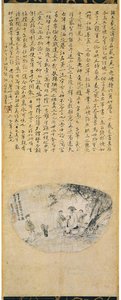
taikō josetsu
1496 , Japan
プロフィール概要
- Artistic Movement Or Style: Ink Wash Painting (Suiboku)
- Artists Or Movements Influenced By This Artist: ['Zen']
- Artists Who Influenced This Artist: ['Wang Xizhi']
- Date Of Death: 1496
- Full Name: Taikō Josetsu
- Nationality: Japanese
- Notable Artworks: ['Catching a Catfish with a Gourd']
- Place Of Birth: Kyoto, Japan

