

 プレビュー
プレビュー
 シェアする
シェアする シェアする
シェアする
 詳細を見る
詳細を見る

 ダウンロード
 似ている作品
 X線調査
X線調査 スライドショー
 統計情報
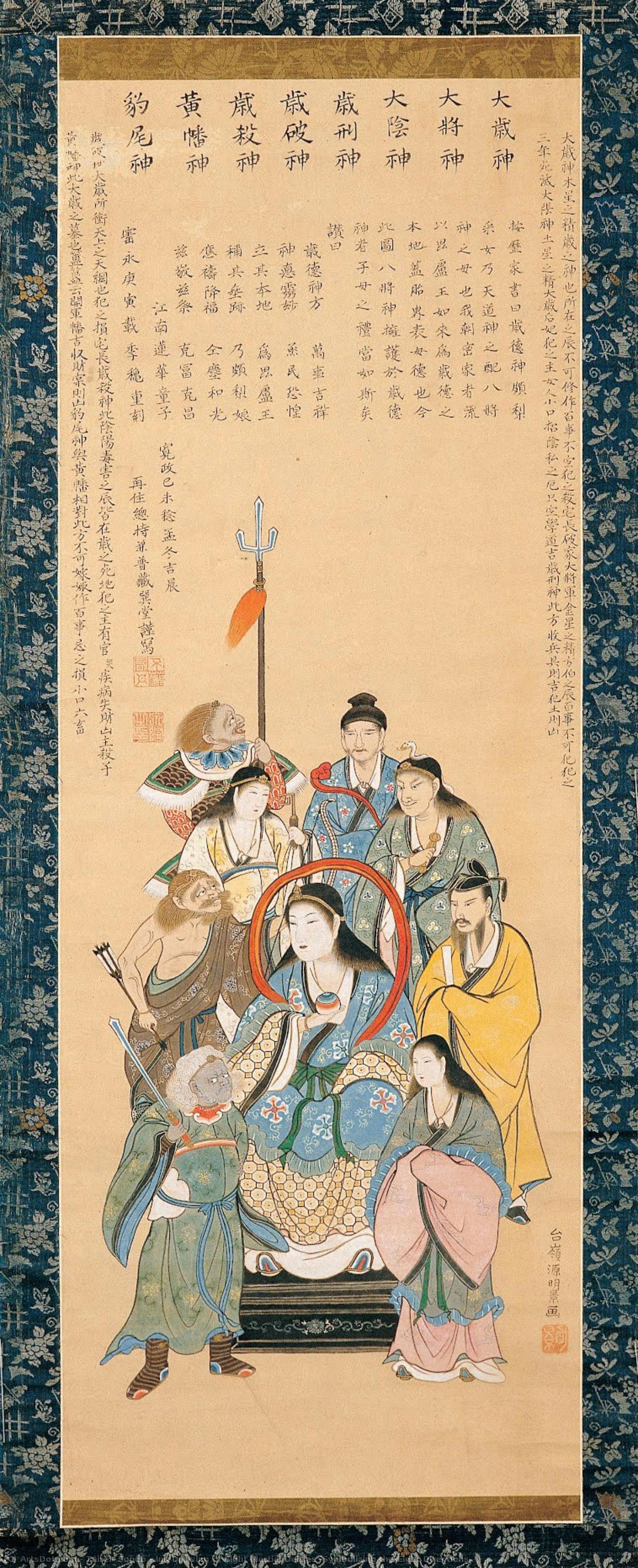
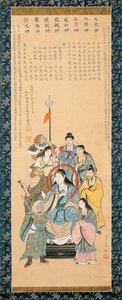
統計情報Ink Drawing of Eight Martial Deities (Symbolizing the Eight Directions)


 詳細を見る
詳細を見る
ジークレー/アートプリント
迅速な制作と多彩な仕上げオプションを備えた、ミュージアムクオリティのジークレーまたはキャンバスプリント。 ( 手描きの絵画を購入 デジタル画像販売へ切り替え)




































作品のオリジナル比率に合わせた、当店の規定サイズからお選びください。

特定のフレームやスペースに合わせて、ご自身でサイズを指定することも可能です。選択されたサイズが元の画像の比率と一致しない場合、作品をトリミングするか、鏡面反射または単色での塗りつぶしによって画像を拡張いたします。制作を開始する前に、ご確認用のデジタルモックアップをお送りいたします。
画面上のプレビューには、実際のトリミングや拡張は反映されませんのでご注意ください。最終的な構図を正確に確認できるのは、モックアップのみとなります。
カスタムサイズも承っておりますが、元の比率を維持するためには、あらかじめ用意されたリストからサイズを選択することをお勧めいたします。


 ガラスオプションは、110cm未満のサイズでのみご利用いただけます。

Ink Drawing of Eight Martial Deities (Symbolizing the Eight Directions)
ジークレー/アートプリント
複製画のサイズ
-


合計金額
$ 62
関連作品


アーティストの略歴
The Enigmatic Master: Tairei/Sondō and the Eight Martial Deities
Tairei, more commonly known as Sondō, remains one of the most intriguing figures in late Edo-period Japanese art. His legacy is largely defined by a single, monumental ink drawing – “Ink Drawing of Eight Martial Deities Symbolizing the Eight Directions” (八武道図, *Yachtu Zuzou*) – created in 1799. This work, now housed within the collection of the Tokyo National Museum, transcends mere illustration; it’s a complex meditation on martial arts philosophy, cosmological symbolism, and the very nature of power. Despite its fame, much about Sondō's life remains shrouded in mystery, adding to his enduring allure as an artist whose genius is inextricably linked to the work itself.
Born into a world steeped in tradition yet poised on the cusp of rapid change, Sondō’s origins are difficult to pinpoint with certainty. Records suggest he was associated with the Kuremisago clan, a powerful and influential group within the samurai class known for their expertise in various martial arts. This connection is crucial, as the drawing isn't simply a depiction of warriors; it’s an embodiment of their training principles – discipline, strategy, and the pursuit of inner harmony. The influence of Zen Buddhism, prevalent during this period, also undoubtedly shaped his artistic vision, emphasizing simplicity, balance, and the importance of observing nature.
A Masterpiece of Composition and Symbolism
"Ink Drawing of Eight Martial Deities" is a breathtaking achievement in *shodo* (Japanese calligraphy) and ink painting. The composition is meticulously balanced, arranged around a central axis that evokes both earthly and celestial realms. Eight figures – representing the eight directions – are depicted in dynamic poses, each embodying a specific martial art style: swordsmanship, archery, spear fighting, hand-to-hand combat, horsemanship, wrestling, staff fighting, and finally, a figure seemingly representing strategy or meditation.
Beyond their individual styles, the deities aren’t merely warriors; they are symbolic representations of virtues. Their stances, clothing, and even their facial expressions convey not just physical prowess but also qualities like courage, wisdom, humility, and perseverance. The use of negative space – the deliberate emptiness surrounding the figures – is particularly striking, creating a sense of dynamism and suggesting the vastness of the universe within which these warriors operate. The drawing’s scale—approximately 180 x 240 cm—further emphasizes its monumental nature, demanding attention and inviting contemplation.
Technique and Influences
Sondō's mastery of *shodo* is evident in the incredibly fine lines that define every detail. He employed a technique known as *sumi-e*, or ink wash painting, utilizing varying densities of ink to create subtle gradations of tone and texture. The drawing’s power lies not just in its visual impact but also in the meticulous care with which each stroke was executed. It's believed that Sondō drew heavily on the traditions of earlier *shodo* masters, particularly Sesshū Tōyō, a 15th-century giant of ink painting known for his minimalist style and profound spiritual depth.
However, Sondō’s work transcends mere imitation. He infused these influences with his own unique sensibility, creating a distinctly modern aesthetic that prioritized dynamism and expressive power. The influence of *ukiyo-e* woodblock prints—particularly those depicting warriors and landscapes—is also discernible in the drawing's composition and use of perspective.
Legacy and Historical Significance
Despite his relatively short career, Sondō’s “Ink Drawing of Eight Martial Deities” has had a profound impact on Japanese art history. It became an immediate sensation upon its completion, admired for its technical brilliance and philosophical depth. It established a new standard for *shodo* and influenced generations of artists who followed.
Furthermore, the drawing’s enduring popularity speaks to its continued relevance. In a world often dominated by violence and conflict, Sondō's work offers a powerful reminder of the importance of discipline, self-control, and the pursuit of inner harmony – values that remain as vital today as they were during the Edo period. The enigmatic figure of Tairei/Sondō continues to fascinate art historians and enthusiasts alike, cementing his place as one of Japan’s most significant and mysterious artistic figures.
Further Exploration
- Tokyo National Museum: The official website provides detailed information about the drawing and its historical context: https://www.tnm.jp/en/collection/highlights/8martialdeities/
- ArtsDot.com: Offers high-resolution images and biographical information: https://ArtsDot.com/en/artists/tairei-sondo-en/?srsltid=AfmBOorKCsg6I31BTxv3m_1V9rjCpr9JOCqFoQqu7X2VXCt9f78u5ZXp
- Wikipedia: Provides a general overview of the artist and his work: https://en.wikipedia.org/wiki/Sond%D3
tairei, sondō
Japan
基本情報
- Artistic Movement Or Style: Ink drawing; Shodo art
- Full Name: Tairei / Sondō
- Nationality: Japanese
- Notable Artworks: ['Eight Martial Deities']