

 プレビュー
プレビュー
 プリントを購入
 シェアする
シェアする シェアする
シェアする
 詳細を見る
詳細を見る

 ダウンロード
 似ている作品
 X線調査
X線調査 スライドショー
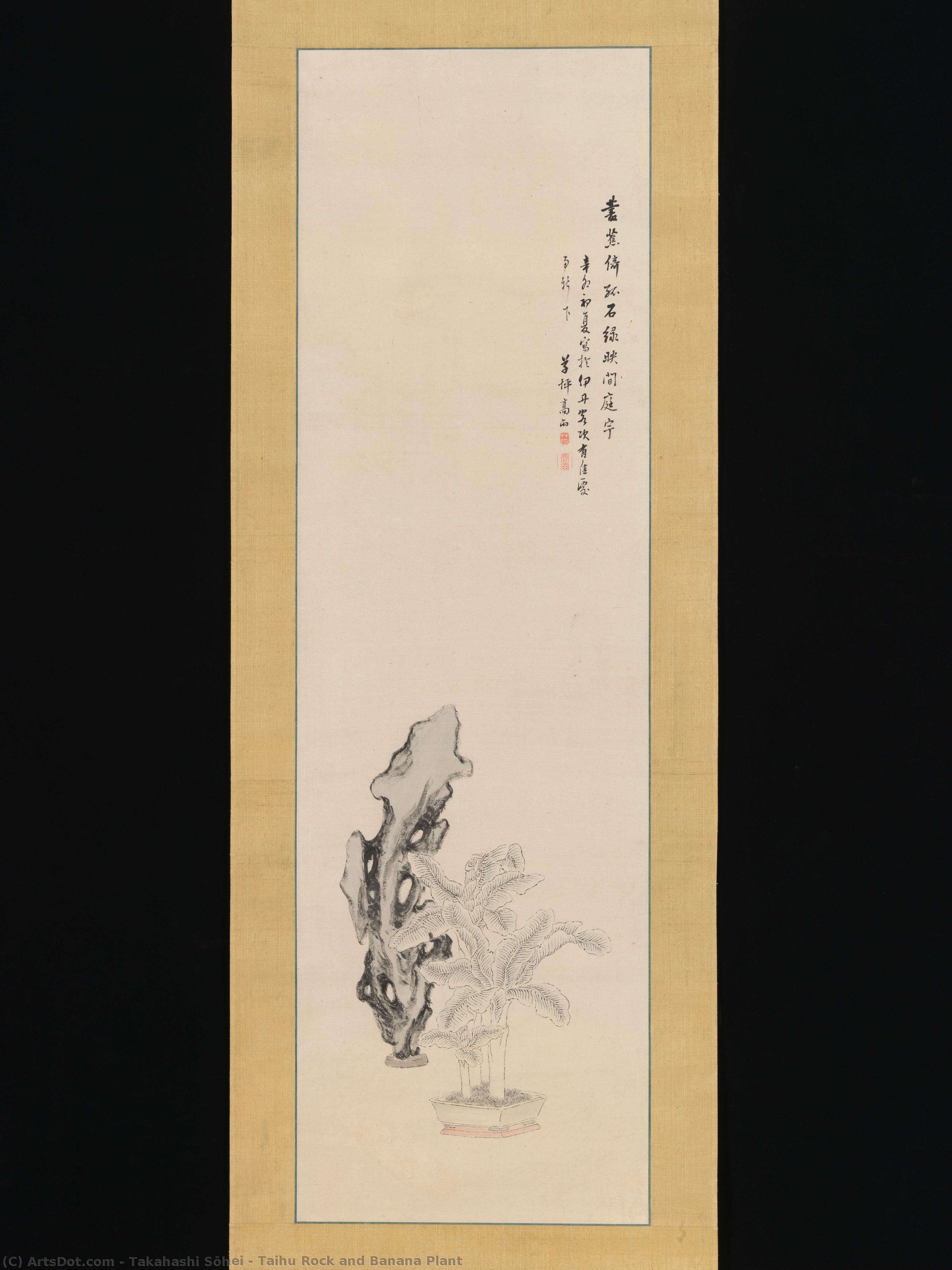
Taihu Rock and Banana Plant
 1831
1831 100.0 x 30.0 cm
 詳細を見る
詳細を見る
オンラインプレビューをはるかに凌ぐ、高解像度で鮮明なデジタル画像をご購入いただけます。
各ファイルは、社内の専門家が高度なツールと熟練した手作業によるレタッチを用いて、細心の注意を払って準備されています。すべての画像において、卓越した鮮明度、正確な色彩再現性、そして繊細なディテールを保証いたします。
最終ファイルは、プロフェッショナルな編集・印刷環境ですぐにご利用いただけるよう最適化された状態で、72時間以内にメールにてお届けいたします。これは、一流のデザインスタジオ、出版社、ギャラリーから信頼されているものと同等の品質です。
デジタル画像のご注文に付随する特典
高品質なデジタル画像配信を、確かな品質で。
ArtsDot.com を選ぶことは、単に画像を手に入れることではありません。それは、プロの手によって精密に仕上げられ、満足保証が付いた高品質なデジタルアートワークを受け取ることを意味します。ご注文いただいた際に自動的に付随する内容は、以下の通りです:

メールですぐにお届け
ご注文から72時間以内に、高解像度のデジタル画像ファイルがメールでお手元に届きます。すぐにそのままご利用いただけます。

AI技術で最適化されたデジタルファイル
お客様の作品は、高度なAIツールと専門家による手作業の編集を組み合わせてプロフェッショナルに最適化されており、細部のディテール、鮮明さ、そして正確な色再現性を最大限に引き出しています。

一生涯無料の再送サービス
ファイルを誤って削除したり、紛失してしまったりしましたか?ご安心ください。いつでも無料で再送いたします。

輸入手数料は一切かかりません
関税や手数料、配送料を気にすることなく、お気に入りのアートワークをすぐにお楽しみいただけます。デジタルダウンロードは常に免税です。

色彩再現の保証
プロ仕様のツールとカラーマネジメント技術を用いることで、デジタル画像が元の色を最大限に忠実に再現することを保証いたします。

60日間満足保証
ご購入いただいたデジタル画像にご満足いただけない場合は、60日以内であれば、修正または100%の返金(理由を問う必要はありません)をさせていただきます。

100% 返金保証
ご満足いただけない場合は、デジタルファイルを受け取ってから60日以内であれば、理由を問わず全額返金いたします。

まとめ買い割引
3枚購入で10%OFF - 5枚購入で15%OFF - 10枚以上購入で20%OFF。クリエイティブなプロジェクト、ギャラリー、エージェンシーに最適です。
関連作品










作家の略歴
William Oliver: A Watercolourist of the Romantic Landscape
William Oliver, born in Sudbury, Suffolk, in 1804, was a British watercolour artist who spent much of his career capturing the beauty of England and beyond – from the rolling hills of home to the sun-drenched Pyrenees and the dramatic landscapes of Tyrol. Though not widely celebrated during his lifetime, Oliver’s meticulous observation and skillful rendering have earned him recognition as a significant figure in 19th-century watercolour painting, particularly within the context of the burgeoning Romantic movement. His life was marked by a dedication to art and a fascinating connection to another artist – his former student, William Oliver Williams – a relationship that adds an intriguing layer to his story. Oliver’s early artistic development is somewhat shrouded in detail, but he began exhibiting his work with the Society of British Artists in 1829, showcasing scenes like “A Beach Scene in Kent” and “Fish Boat.” These initial works established a foundation for his subsequent career, demonstrating an aptitude for capturing atmospheric effects and depicting natural settings. He continued to exhibit regularly throughout the 1830s and 40s, steadily building a reputation as a competent landscape artist. Crucially, Oliver’s artistic journey wasn't solely confined to England; he embarked on extensive travels across Europe, documenting diverse terrains and cultures with his brush. These journeys – encompassing France, Spain, Italy, Switzerland, Germany, and the Tyrol – profoundly influenced his style, imbuing his paintings with a sense of worldly experience and a keen appreciation for regional character. His depictions of the Pyrenees Mountains, in particular, reveal a deep engagement with the dramatic beauty of these ranges. Oliver’s artistic practice was largely centered around watercolour, a medium he mastered with remarkable precision. He wasn't simply replicating what he saw; instead, he employed a layered technique, building up washes of color to create luminous effects and subtle tonal variations. His compositions often featured carefully arranged elements – trees, rocks, water – creating a sense of depth and spatial awareness. He was particularly adept at capturing the fleeting qualities of light and atmosphere, imbuing his landscapes with a palpable sense of mood and emotion. His work reflects the Romantic sensibility’s emphasis on subjective experience and the sublime power of nature. Furthermore, Oliver's career coincided with the rise of topographical watercolour, a genre that sought to accurately represent specific locations. While he wasn’t solely focused on strict accuracy, his detailed renderings demonstrate an understanding of perspective and spatial relationships. A significant aspect of Oliver’s life was his connection to William Oliver Williams. Oliver initially trained under Williams, who later became a successful artist in his own right, adopting the professional name of William Oliver. This familial link is noteworthy because it highlights the transmission of artistic knowledge and techniques within families during this period. It also suggests that Oliver may have benefited from Williams’ experience and guidance, although the precise nature of their relationship remains somewhat unclear. The shared surname further complicates our understanding of their individual contributions to the art world. Oliver's career spanned several decades, culminating in his death in 1853 at Langley Mill House, Halstead, Essex. His passing was attributed to “hypertrophy of the heart,” a condition indicative of an enlarged heart – a common ailment during that era. Throughout his life, Oliver exhibited extensively, including at the Society of British Artists and the British Institution, showcasing over 30 works in total. His paintings found their way into collections across Britain and America, demonstrating a sustained appreciation for his work among collectors and institutions. Notably, he was elected a full member of the New Society (now the Royal Institute) of Painters in Water-Colours in 1834, a testament to his standing within the artistic community.Key Works and Artistic Style
Oliver’s oeuvre is characterized by a remarkable range of subjects and landscapes. He produced numerous depictions of English countryside scenes, capturing the rolling hills, woodlands, and waterways with meticulous detail. His travels extended beyond England, resulting in vibrant paintings of the Pyrenees Mountains, the Rhine Valley, and other European locations. His work often features dramatic lighting effects, particularly during sunrise and sunset, which he skillfully rendered using layered washes of color. He was known for his ability to convey a sense of atmosphere and mood through subtle tonal variations and carefully chosen compositions. Some notable examples include “On the Lahn near Oberlahnstein near the Rhine,” “View of the Environs of Perugia, Tiber in the Distance, Papal States, Italy,” and "Lahneck Castle, from Oberlahnstein on the Lahn, Duchy of Nassau." These works exemplify his technical skill and artistic vision.Historical Context and Influences
Oliver’s work emerged during a period of significant change in the art world. The Romantic movement was gaining momentum, challenging traditional academic styles and emphasizing subjective experience and emotional expression. Artists like Turner and Constable were pushing the boundaries of watercolour painting, exploring new techniques and subjects. Oliver's career coincided with this dynamic era, and his paintings reflect the influence of these pioneering artists. He drew inspiration from the topographical watercolours that were gaining popularity at the time, but he also developed a distinctive style characterized by its luminous colors and atmospheric effects. The publication of *American Scenery* in 1840, featuring engravings after William Henry Bartlett, played a significant role in shaping Oliver’s interest in depicting landscapes beyond England.Legacy and Recognition
While William Oliver may not be as widely celebrated as some of his contemporaries, his work continues to be appreciated for its technical skill, atmospheric effects, and evocative depictions of the natural world. His paintings are held in several important collections, including those at the Baltimore Museum of Art, Brooklyn Museum, and the Metropolitan Museum of Art. His legacy is further cemented by his connection to William Oliver Williams, a fellow artist who shared his surname and professional name. Oliver’s story serves as a reminder that artistic success can be shaped not only by individual talent but also by familial connections and broader historical trends. His contribution to watercolour painting during the Romantic era deserves recognition for its beauty, detail, and enduring appeal.
takahashi sōhei
1804 - 1835

