

 プレビュー
プレビュー
 プリントを購入
 シェアする
シェアする シェアする
シェアする
 詳細を見る
詳細を見る

 ダウンロード
 似ている作品
 X線調査
X線調査 スライドショー
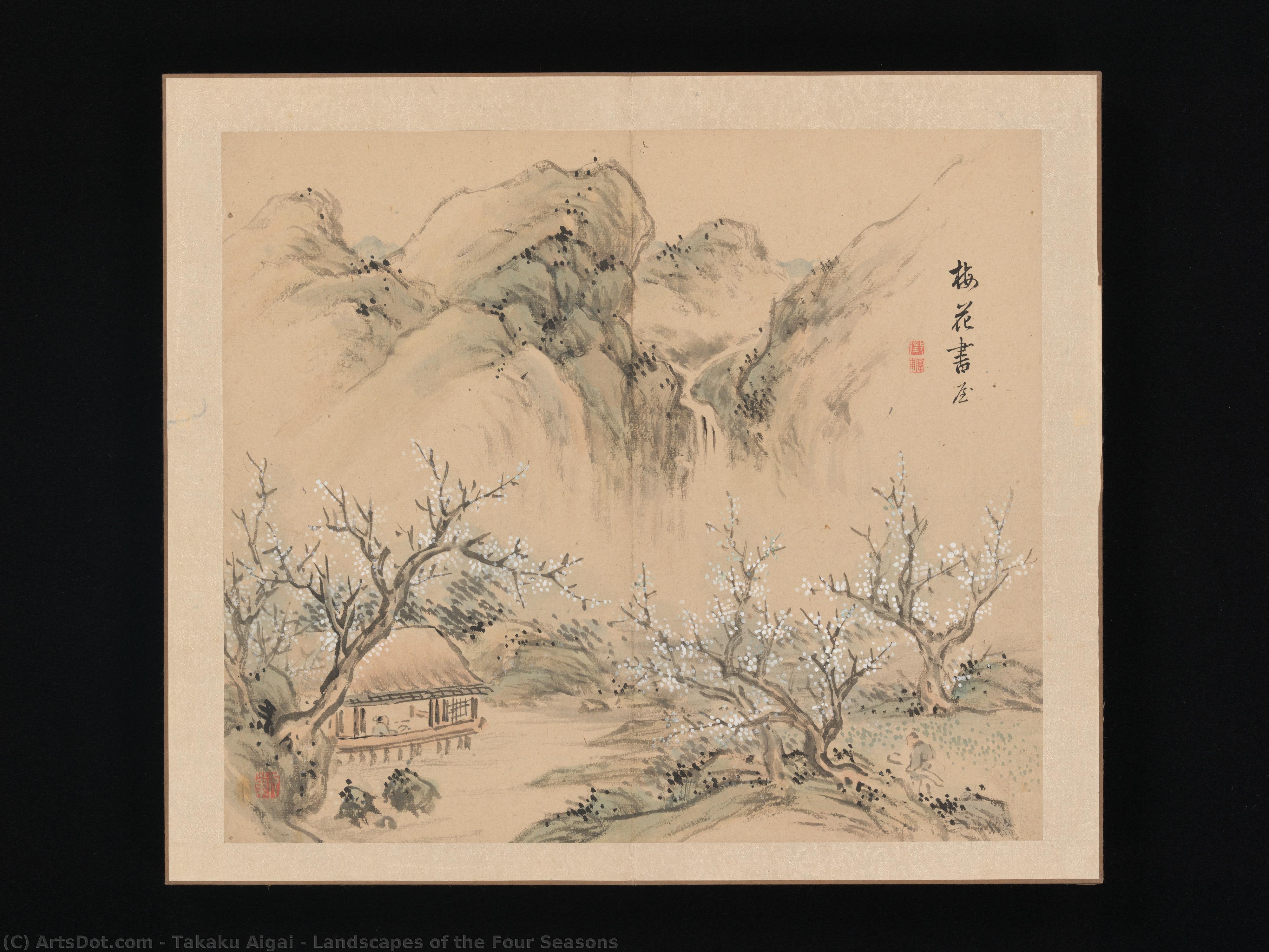
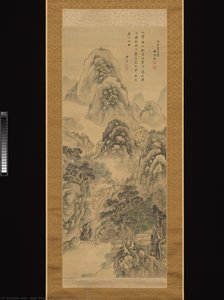
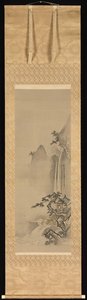
Landscapes of the Four Seasons


 詳細を見る
詳細を見る
オンラインプレビューをはるかに凌ぐ、高解像度で鮮明なデジタル画像をご購入いただけます。
各ファイルは、社内の専門家が高度なツールと熟練した手作業によるレタッチを用いて、細心の注意を払って準備されています。すべての画像において、卓越した鮮明度、正確な色彩再現性、そして繊細なディテールを保証いたします。
最終ファイルは、プロフェッショナルな編集・印刷環境ですぐにご利用いただけるよう最適化された状態で、72時間以内にメールにてお届けいたします。これは、一流のデザインスタジオ、出版社、ギャラリーから信頼されているものと同等の品質です。
デジタル画像のご注文に付随する特典
高品質なデジタル画像配信を、確かな品質で。
ArtsDot.com を選ぶことは、単に画像を手に入れることではありません。それは、プロの手によって精密に仕上げられ、満足保証が付いた高品質なデジタルアートワークを受け取ることを意味します。ご注文いただいた際に自動的に付随する内容は、以下の通りです:

メールですぐにお届け
ご注文から72時間以内に、高解像度のデジタル画像ファイルがメールでお手元に届きます。すぐにそのままご利用いただけます。

AI技術で最適化されたデジタルファイル
お客様の作品は、高度なAIツールと専門家による手作業の編集を組み合わせてプロフェッショナルに最適化されており、細部のディテール、鮮明さ、そして正確な色再現性を最大限に引き出しています。

一生涯無料の再送サービス
ファイルを誤って削除したり、紛失してしまったりしましたか?ご安心ください。いつでも無料で再送いたします。

輸入手数料は一切かかりません
関税や手数料、配送料を気にすることなく、お気に入りのアートワークをすぐにお楽しみいただけます。デジタルダウンロードは常に免税です。

色彩再現の保証
プロ仕様のツールとカラーマネジメント技術を用いることで、デジタル画像が元の色を最大限に忠実に再現することを保証いたします。

60日間満足保証
ご購入いただいたデジタル画像にご満足いただけない場合は、60日以内であれば、修正または100%の返金(理由を問う必要はありません)をさせていただきます。

100% 返金保証
ご満足いただけない場合は、デジタルファイルを受け取ってから60日以内であれば、理由を問わず全額返金いたします。

まとめ買い割引
3枚購入で10%OFF - 5枚購入で15%OFF - 10枚以上購入で20%OFF。クリエイティブなプロジェクト、ギャラリー、エージェンシーに最適です。
関連作品
作家の略歴
A Life Immersed in Nature: The World of Takaku Aigai
Takaku Aigai, born in 1796 in the tranquil district of Nasu, Shimotsuke Province (present-day Kuroiso, Tochigi Prefecture), was a Japanese painter whose life and work were deeply intertwined with the natural world. His early years unfolded amidst the serene landscapes that would become his enduring muse. From a young age, Aigai demonstrated a profound inclination towards painting and calligraphy, an artistic calling nurtured by the traditions of his region and a burgeoning sensitivity to beauty in its most subtle forms. He embarked on a formal study under the esteemed painter Gion Nankai, absorbing the principles of literati painting – a style emphasizing intellectual expression and personal cultivation alongside technical skill. This foundational training proved pivotal, shaping not only Aigai’s technique but also his philosophical approach to art. He would later become an instructor himself, passing on this legacy to future generations.The Blossoming of a Unique Style
Aigai's artistic development was characterized by a delicate balance between tradition and innovation. While firmly rooted in the literati style, he didn’t merely replicate its conventions; instead, he infused it with his own distinct sensibility. His paintings are immediately recognizable for their exquisite brushwork – light, fluid strokes that capture the essence of form rather than meticulous detail. Elegant compositions were another hallmark, often featuring landscapes imbued with a quiet sense of atmosphere and contemplation. He excelled in several genres, including evocative landscapes, compelling figure studies, and particularly charming bird-and-flower paintings. These weren’t simply depictions of nature; they were expressions of his inner state, reflections on the harmony between humanity and the environment. His mastery extended to ink painting, where he skillfully employed varying shades and textures to create depth and mood.Influences and Artistic Philosophy
The influence of Tani Bunchō (1763-1840), a leading Nanga artist in Edo, is clearly visible in Aigai’s work. Bunchō's emphasis on capturing the spirit of his subjects resonated deeply with Aigai, who similarly sought to convey not just *what* he saw but *how* it felt to be immersed in nature. The principles of Zen Buddhism also played a significant role, encouraging a focus on simplicity, spontaneity, and direct experience. Aigai’s paintings often evoke a sense of stillness and tranquility, inviting viewers to pause and contemplate the beauty of the present moment. He embraced the Confucian value of righteousness, subtly reflected in his depictions of bamboo – a symbol of resilience and integrity. His art wasn't about grand narratives or elaborate symbolism; it was about finding profound meaning in the ordinary, celebrating the quiet dignity of nature and the human spirit.Legacy and Historical Significance
Although Aigai’s life was relatively short – he passed away in 1843 – his impact on Japanese painting during the 19th century was considerable. He became a respected figure within artistic circles, known for both his technical skill and his refined aesthetic sensibility. His work helped to bridge the gap between traditional literati painting and emerging styles, influencing subsequent generations of artists. A piece like “Landscapes of the Four Seasons” (1833) exemplifies his mastery of *Shanshui* style – a genre known for its atmospheric perspective and delicate brushwork. Even today, Aigai’s paintings are admired for their serene beauty and evocative power. His art serves as a reminder of the importance of connecting with nature, finding solace in simplicity, and expressing one's inner world through creative expression. His influence continues to be felt in contemporary Japanese painting, solidifying his place as a significant figure in the nation’s artistic heritage.Selected Works & Collections
- Landscapes of the Four Seasons (1833): A prime example of his *Shanshui* style, showcasing delicate brushwork and atmospheric perspective.
- Bamboo and Rocks by a Stream (1832): Held in the collection of The Metropolitan Museum of Art, this folding fan exemplifies his skill in depicting bamboo as a symbol of resilience and righteousness. The signature reveals a dedication to Rinsai, highlighting the importance of artistic relationships.
- Ink paintings of birds and flowers: Numerous examples demonstrate his ability to capture the essence of nature with minimal strokes, conveying both beauty and tranquility.
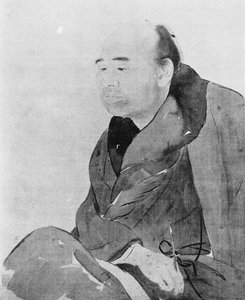
takaku aigai
1796 - 1843 , Japan
プロフィール概要
- Artistic Movement Or Style: Literati painting
- Artists Or Movements Influenced By This Artist: 19th-century painting
- Artists Who Influenced This Artist:
- Gion Nankai
- Tani Bunchō
- Date Of Birth: 1796
- Date Of Death: 1843
- Full Name: Takaku Aigai
- Nationality: Japanese
- Notable Artworks:
- Landscapes of the Four Seasons
- Bamboo and Rocks by a Stream
- Place Of Birth: Nasu, Japan

