

 プレビュー
プレビュー
 シェアする
シェアする シェアする
シェアする
 詳細を見る
詳細を見る

 ダウンロード
 似ている作品
 X線調査
X線調査 スライドショー
 統計情報
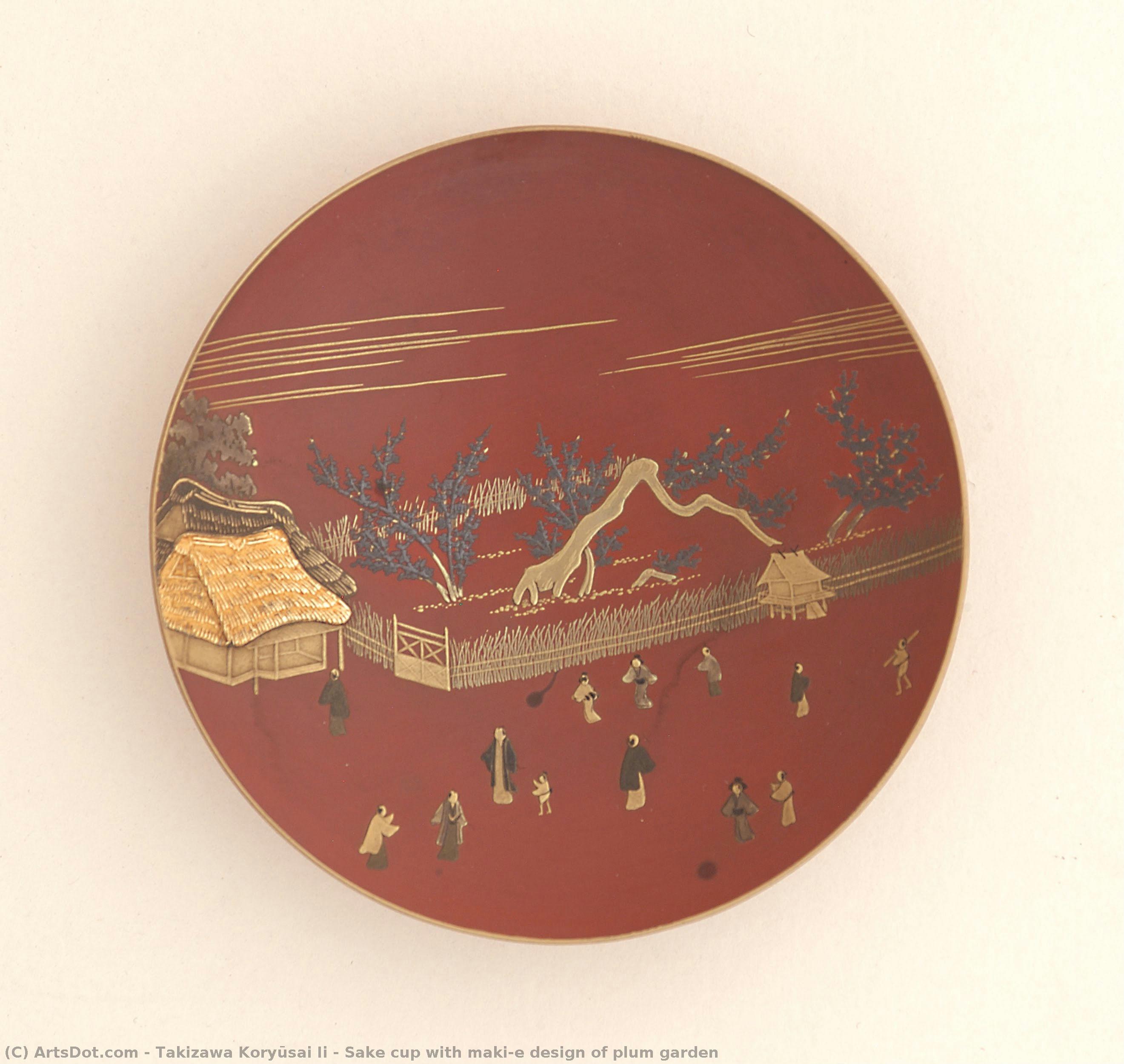
統計情報Sake cup with maki-e design of plum garden


 詳細を見る
詳細を見る
手描き油彩複製画
当社のアーティストが、お客様のご希望のサイズと額縁に合わせて、キャンバスに手描きで制作する油彩画です。 ( プリント版に切り替え デジタル画像販売へ切り替え)




































作品のオリジナル比率に合わせた、当店の規定サイズからお選びください。

特定のフレームやスペースに合わせて、ご希望のサイズをご入力いただけます。選択されたサイズが元の画像の比率と異なる場合、アートワークをトリミングするか、手描きで要素を追加して絵画を拡張いたします。デジタルモックアップ を制作し、制作開始前にご確認(承認)をいただきます。
画面上のプレビューは、実際のトリミングや拡張を正確に反映しているものではありません。最終的な構図は、モックアップによってのみ正確にご確認いただけます。
カスタムサイズもご利用いただけますが、元の比率を維持するためには、あらかじめ用意されたリストからサイズを選択することをお勧めいたします。
ご注文後、ArtsDot.com チームより詳細な指示をお送りするとともに、仕上がりイメージ(モックアップ)をご提供いたします。


 ガラスオプションは、110cm未満のサイズでのみご利用いただけます。

Sake cup with maki-e design of plum garden
複製技法
複製画のサイズ
-


合計金額
$ 263
関連作品









アーティストの略歴
Takizawa Koryūsai II: A Delicate Master of Edo Ukiyo-e
Takizawa Koryūsai II (1756 – 1810) stands as a testament to the refined beauty and meticulous craftsmanship that characterized the Edo period’s artistic landscape. Born in Tokyo, he emerged from a lineage steeped in artistic tradition, inheriting the legacy of his father, Takizawa Koryūsai I, who himself was a respected printmaker. Influenced profoundly by the towering figure of Katsukawa Shunshō, Koryūsai II honed his skills under Shunshō’s tutelage, absorbing the stylistic principles that would define his distinctive oeuvre.- Early Life and Training: Koryūsai II’s formative years were spent mastering the techniques of woodblock printing – a cornerstone of Edo-era art – alongside Shunshō’s studio. This immersive experience instilled in him an unwavering dedication to precision and detail, qualities that would permeate his subsequent artistic endeavors. Shunshō's emphasis on capturing fleeting moments of beauty and emotion undoubtedly shaped Koryūsai II’s approach to composition and subject matter.
- Notable Works and Artistic Style: Koryūsai II excelled in portraying scenes from Kabuki theatre, depicting actors with remarkable accuracy and expressive dynamism. However, his true brilliance shone through in landscapes—particularly those infused with subtle tonal gradations and evocative atmospheric effects—demonstrating a deep understanding of Japanese aesthetics. Perhaps most captivating are his depictions of women, rendered with exquisite delicacy and imbued with an ethereal grace that reflects the idealized beauty prevalent during the Edo period.
Technique and Innovation: The Art of Maki-e
Koryūsai II’s artistic vision extended beyond conventional woodblock printing; he embraced innovative techniques like *maki-e*, a gilding process that elevates prints to breathtaking levels of visual splendor. This painstaking method involved applying thin layers of lacquer infused with gold leaf, resulting in shimmering surfaces that captured the luminescence of natural light and conveyed an unparalleled sense of luxury. As evidenced by works such as “Sake Cup with Maki-e Design of Plum Garden,” Koryūsai II skillfully blended traditional printing methods with cutting-edge gilding techniques—a hallmark of his artistic innovation.- Influence of Katsukawa Shunshō: Shunshō’s influence extended beyond stylistic guidance; he championed a philosophy centered on capturing the essence of human emotion and portraying subjects with profound psychological depth. Koryūsai II absorbed these principles, striving to imbue his prints with similar emotional resonance.
- Legacy and Significance: Koryūsai II’s contribution to ukiyo-e art is undeniable—he solidified the genre's reputation for capturing fleeting beauty and elevating artistic expression. His meticulous attention to detail, combined with his masterful command of *maki-e*, established him as one of Edo’s foremost printmakers, securing his place in art history.
Exploring Further: The World of Ukiyo-e
To appreciate Koryūsai II's artistic achievements fully, it is essential to delve into the broader context of ukiyo-e—the “pictures of the floating world.” This vibrant art movement flourished during the Edo period (1603–1868), reflecting the social and cultural dynamism of Japan at the time. Artists like Hokusai and Hiroshige similarly explored themes of nature, theatre, and everyday life, utilizing woodblock printing to disseminate images widely throughout society. Examining these artists’ techniques and philosophies illuminates the intellectual currents that propelled ukiyo-e into its golden age.- Notable Prints: Among Koryūsai II's celebrated works are “Miss Hiroshima,” showcasing a captivating portrayal of female beauty, and “Sake Cup with Sugoroku Board Game Design,” demonstrating his versatility in capturing both decorative motifs and narrative scenes. These prints serve as enduring reminders of Koryūsai II’s artistic prowess and the aesthetic ideals of his era.
Resources for Further Study
For a deeper understanding of Takizawa Koryūsai II's life and work, consider visiting ArtsDot.com to examine reproductions of his prints and gain insights into the techniques employed during the Edo period. Furthermore, exploring resources on ukiyo-e art movement will enrich your appreciation for this pivotal chapter in Japanese artistic history.
takizawa koryūsai ii
1756 - 1810 , Japan
基本情報
- Artistic Movement Or Style: Ukiyo-e
- Artists Or Movements Influenced By This Artist: Hokusai
- Artists Who Influenced This Artist: Katsukawa Shunshō
- Date Of Birth: Tokyo, Japan (1756)
- Full Name: Takizawa Koryūsai II
- Nationality: Japanese
- Notable Artworks:
- Sake cup with sugoroku board game design (Supplemental)
- Miss Hiroshima
- Sake cup with maki-e design of plum garden
- Place Of Birth: Tokyo