

 プレビュー
プレビュー
 プリントを購入
 シェアする
シェアする シェアする
シェアする
 詳細を見る
詳細を見る

 ダウンロード
 似ている作品
 X線調査
X線調査 スライドショー
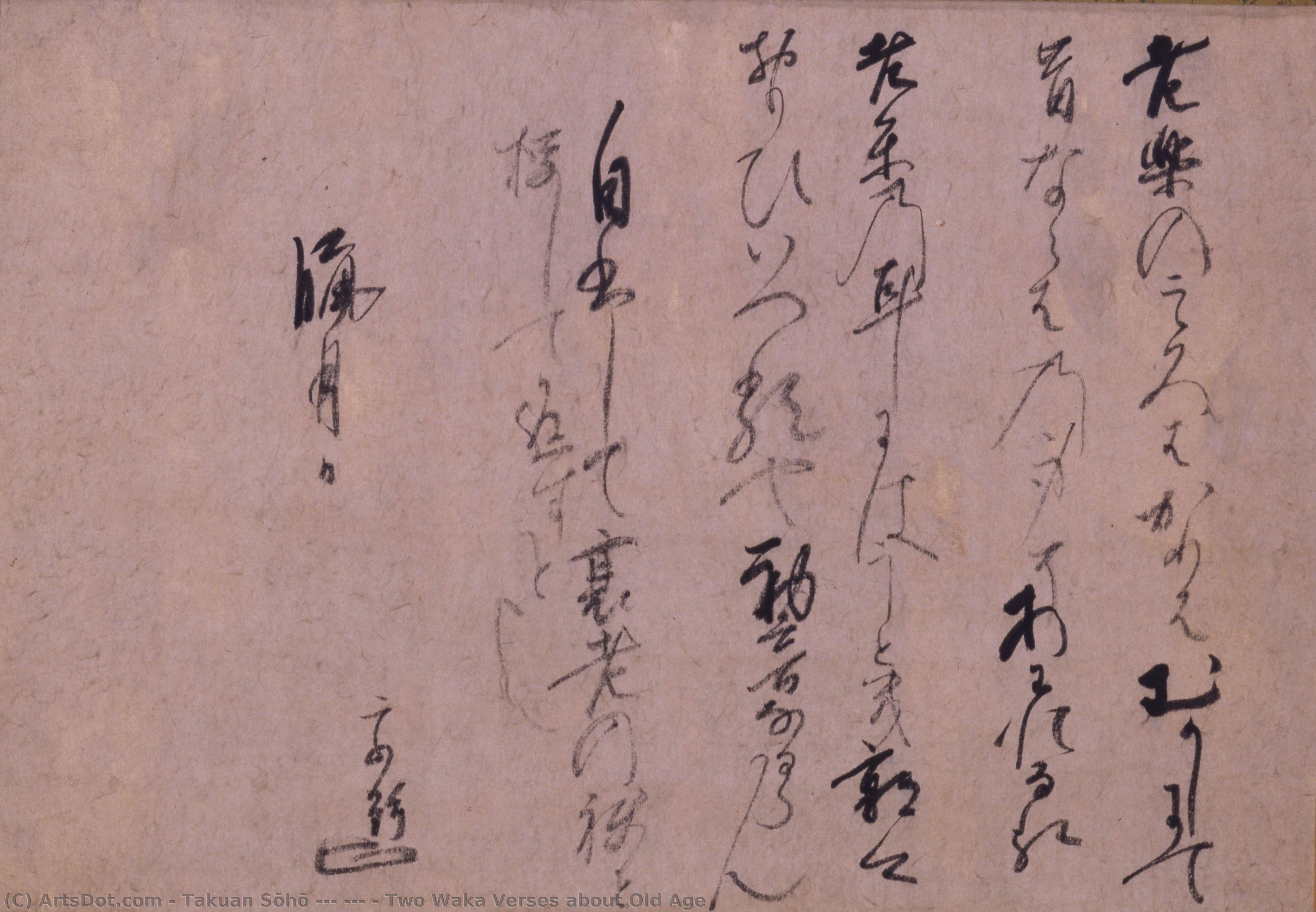
Two Waka Verses about Old Age
 42.0 x 29.0 cm
 Fukuoka Art Museum
 詳細を見る
詳細を見る
オンラインプレビューをはるかに凌ぐ、高解像度で鮮明なデジタル画像をご購入いただけます。
各ファイルは、社内の専門家が高度なツールと熟練した手作業によるレタッチを用いて、細心の注意を払って準備されています。すべての画像において、卓越した鮮明度、正確な色彩再現性、そして繊細なディテールを保証いたします。
最終ファイルは、プロフェッショナルな編集・印刷環境ですぐにご利用いただけるよう最適化された状態で、72時間以内にメールにてお届けいたします。これは、一流のデザインスタジオ、出版社、ギャラリーから信頼されているものと同等の品質です。
デジタル画像のご注文に付随する特典
高品質なデジタル画像配信を、確かな品質で。
ArtsDot.com を選ぶことは、単に画像を手に入れることではありません。それは、プロの手によって精密に仕上げられ、満足保証が付いた高品質なデジタルアートワークを受け取ることを意味します。ご注文いただいた際に自動的に付随する内容は、以下の通りです:

メールですぐにお届け
ご注文から72時間以内に、高解像度のデジタル画像ファイルがメールでお手元に届きます。すぐにそのままご利用いただけます。

AI技術で最適化されたデジタルファイル
お客様の作品は、高度なAIツールと専門家による手作業の編集を組み合わせてプロフェッショナルに最適化されており、細部のディテール、鮮明さ、そして正確な色再現性を最大限に引き出しています。

一生涯無料の再送サービス
ファイルを誤って削除したり、紛失してしまったりしましたか?ご安心ください。いつでも無料で再送いたします。

輸入手数料は一切かかりません
関税や手数料、配送料を気にすることなく、お気に入りのアートワークをすぐにお楽しみいただけます。デジタルダウンロードは常に免税です。

色彩再現の保証
プロ仕様のツールとカラーマネジメント技術を用いることで、デジタル画像が元の色を最大限に忠実に再現することを保証いたします。

60日間満足保証
ご購入いただいたデジタル画像にご満足いただけない場合は、60日以内であれば、修正または100%の返金(理由を問う必要はありません)をさせていただきます。

100% 返金保証
ご満足いただけない場合は、デジタルファイルを受け取ってから60日以内であれば、理由を問わず全額返金いたします。

まとめ買い割引
3枚購入で10%OFF - 5枚購入で15%OFF - 10枚以上購入で20%OFF。クリエイティブなプロジェクト、ギャラリー、エージェンシーに最適です。
関連作品







作家の略歴
A Life Woven in Ink and Silence: Exploring the World of Takuan Sōhō
Takuan Sōhō (1573-1645), a figure both revered and enigmatic within Japanese history, remains an artist whose legacy transcends simple categorization. More than just a calligrapher, poet, tea ceremony master, or even the popularly credited inventor of *takuan* pickled radish – a testament to his multifaceted nature – Sōhō was a pivotal Rinzai Zen Buddhist prelate who profoundly shaped the intersection of art, philosophy, and martial practice during the turbulent Sengoku and early Edo periods. His life, marked by both political intrigue and spiritual depth, offers a compelling window into the cultural landscape of 16th and 17th century Japan.
Born in Izushi, a small town within Tajima Province (present-day Hyōgo Prefecture), Sōhō’s early life was rooted in the realities of samurai society. His father, Akiba Tsunanori, was a retainer of the Yamana clan, a family whose fortunes would ultimately decline. This familial context instilled in him an awareness of power dynamics and the fragility of existence – themes that would later permeate his artistic output. Initially studying Jōdo Buddhism at age ten, Sōhō’s path shifted dramatically when he embraced the Rinzai school, a branch of Zen known for its emphasis on sudden enlightenment. This transition marked a profound departure from traditional Buddhist practices and laid the groundwork for his unique approach to integrating spiritual principles into everyday life.
The Art of the Brush: Calligraphy, Poetry, and Tea
Sōhō’s artistic talents were remarkably diverse. He was celebrated as a master calligrapher, producing works that reflected not only technical skill but also a deep understanding of Zen aesthetics – simplicity, emptiness, and the pursuit of direct experience. His calligraphy wasn't merely decorative; it was an embodiment of his philosophical beliefs, striving to capture the essence of things through concise strokes and carefully chosen characters. Beyond calligraphy, Sōhō excelled in poetry, crafting verses that explored themes of impermanence, detachment, and the interconnectedness of all beings. These poems, often imbued with a subtle sense of melancholy and wisdom, reveal a contemplative spirit deeply attuned to the rhythms of nature.
Furthermore, Sōhō was a respected practitioner of the tea ceremony ( *chanoyu*). He believed that the ritualistic preparation and enjoyment of tea offered a pathway to spiritual insight. The meticulous attention to detail, the quiet contemplation, and the shared experience fostered a sense of harmony and connection – values central to Zen Buddhism. His involvement in the tea ceremony wasn’t simply a social activity; it was an artistic practice designed to cultivate mindfulness and appreciate the beauty of the present moment.
The Sword and the Mind: A Fusion of Disciplines
Perhaps Sōhō's most enduring legacy lies in his unique synthesis of Zen philosophy and the art of swordsmanship. He recognized that both disciplines demanded a profound understanding of the mind – a state of stillness, clarity, and non-attachment. Drawing inspiration from the *Liuzi Tan Jing* (Platform Sūtra), he developed a method of training that emphasized “no-mind” (*mushin*) – a mental state free from distractions and preconceived notions. This concept was applied to swordsmanship, where the goal wasn’t brute force but rather an intuitive response to the opponent's movements.
This fusion culminated in his influential treatise, *Fudōchi Shimmyō Roku* (“Record of the Mental Sublimity of Immovable Wisdom”), which he penned for Yagyū Munenori, founder of the Edo Branch of the Yagyū Shinkage-ryū school. In this work, Sōhō used the metaphor of a sword to illustrate the principles of Zen – emphasizing the importance of cultivating a calm and focused mind, recognizing the illusory nature of ego, and embracing the present moment. The book’s impact extended far beyond the world of swordsmanship, influencing generations of martial artists and philosophers.
Exile and Legacy
Sōhō's life was not without its challenges. His outspokenness and unconventional methods often brought him into conflict with authority figures. In 1629, he was exiled to Kaminoyama in Yamagata Prefecture following a political scandal involving the alleged theft of imperial robes – an event that remains shrouded in mystery. Despite this exile, Sōhō continued to write, teach, and practice his art, demonstrating remarkable resilience and unwavering commitment to his principles.
Upon his death in 1645, Takuan Sōhō left behind a rich body of work – calligraphy, poetry, treatises, and the enduring influence of his unique philosophy. He remains a pivotal figure in Japanese cultural history, embodying the synthesis of art, spirituality, and martial practice. His life serves as a testament to the power of quiet contemplation, the pursuit of wisdom, and the transformative potential of embracing both the beauty and the challenges of existence.
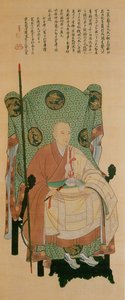
takuan sōhō (沢庵 宗彭)
1573 - 1645 , Japan
プロフィール概要
- Artistic Movement Or Style: Rinzai Zen Buddhism
- Artists Or Movements Influenced By This Artist: ['Yagyū Munenori']
- Artists Who Influenced This Artist: ['Shunoku Sōen']
- Date Of Birth: December 24, 1573
- Date Of Death: January 27, 1645
- Full Name: Takuan Sōhō (沢庵 宗彭)
- Nationality: Japanese
- Notable Artworks:
- Takuan pickled radish
- Calligraphy
- Poetry
- Tea ceremony
- Place Of Birth: Izushi, Japan

