

 プレビュー
プレビュー
 プリントを購入
 シェアする
シェアする シェアする
シェアする
 詳細を見る
詳細を見る

 ダウンロード
 似ている作品
 X線調査
X線調査 スライドショー
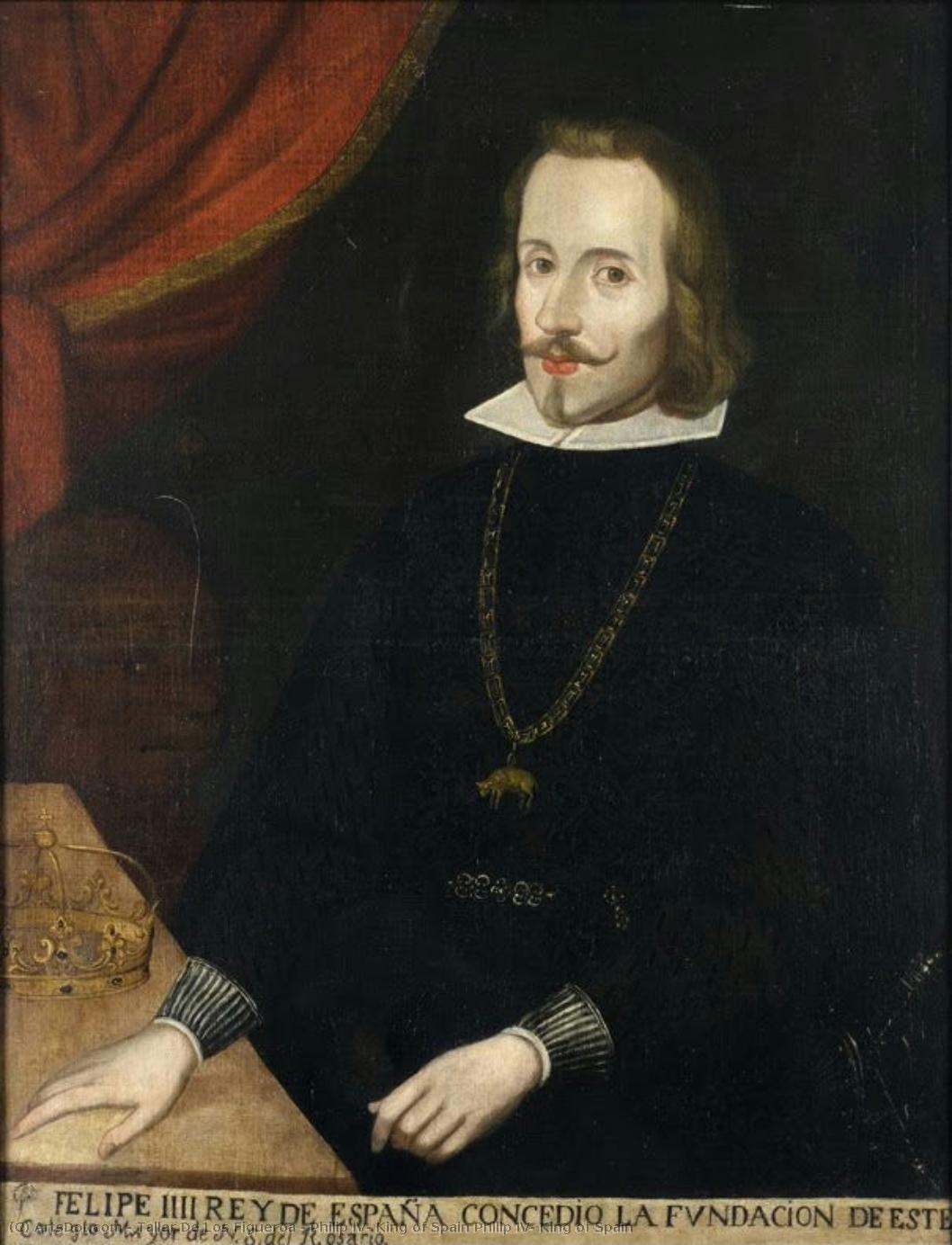
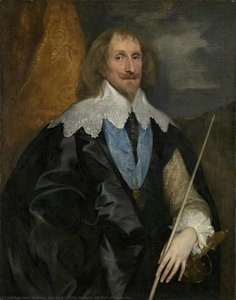
Philip IV, King of Spain Philip IV, King of Spain


 詳細を見る
詳細を見る
オンラインプレビューをはるかに凌ぐ、高解像度で鮮明なデジタル画像をご購入いただけます。
各ファイルは、社内の専門家が高度なツールと熟練した手作業によるレタッチを用いて、細心の注意を払って準備されています。すべての画像において、卓越した鮮明度、正確な色彩再現性、そして繊細なディテールを保証いたします。
最終ファイルは、プロフェッショナルな編集・印刷環境ですぐにご利用いただけるよう最適化された状態で、72時間以内にメールにてお届けいたします。これは、一流のデザインスタジオ、出版社、ギャラリーから信頼されているものと同等の品質です。
デジタル画像のご注文に付随する特典
高品質なデジタル画像配信を、確かな品質で。
ArtsDot.com を選ぶことは、単に画像を手に入れることではありません。それは、プロの手によって精密に仕上げられ、満足保証が付いた高品質なデジタルアートワークを受け取ることを意味します。ご注文いただいた際に自動的に付随する内容は、以下の通りです:

メールですぐにお届け
ご注文から72時間以内に、高解像度のデジタル画像ファイルがメールでお手元に届きます。すぐにそのままご利用いただけます。

AI技術で最適化されたデジタルファイル
お客様の作品は、高度なAIツールと専門家による手作業の編集を組み合わせてプロフェッショナルに最適化されており、細部のディテール、鮮明さ、そして正確な色再現性を最大限に引き出しています。

一生涯無料の再送サービス
ファイルを誤って削除したり、紛失してしまったりしましたか?ご安心ください。いつでも無料で再送いたします。

輸入手数料は一切かかりません
関税や手数料、配送料を気にすることなく、お気に入りのアートワークをすぐにお楽しみいただけます。デジタルダウンロードは常に免税です。

色彩再現の保証
プロ仕様のツールとカラーマネジメント技術を用いることで、デジタル画像が元の色を最大限に忠実に再現することを保証いたします。

60日間満足保証
ご購入いただいたデジタル画像にご満足いただけない場合は、60日以内であれば、修正または100%の返金(理由を問う必要はありません)をさせていただきます。

100% 返金保証
ご満足いただけない場合は、デジタルファイルを受け取ってから60日以内であれば、理由を問わず全額返金いたします。

まとめ買い割引
3枚購入で10%OFF - 5枚購入で15%OFF - 10枚以上購入で20%OFF。クリエイティブなプロジェクト、ギャラリー、エージェンシーに最適です。
関連作品





作家の略歴
The Legacy of Taller de los Figueroa: Masters of Colonial Mexico
Nestled within the vibrant heart of colonial Mexico, the Taller de los Figueroa emerged as more than just a painting workshop; it became a crucible for artistic innovation and a cornerstone of Mexican art history. Founded in the mid-17th century by Gaspar de Figueroa, this influential collective profoundly shaped the visual landscape of New Spain, leaving behind a legacy of religious masterpieces, captivating portraits, and a distinctive Baroque style that continues to resonate today. The Taller’s story is inextricably linked to the broader cultural currents of its time – the rise of Spanish influence, the burgeoning indigenous identity, and the complex interplay between tradition and innovation.
Gaspar de Figueroa himself was a pivotal figure, a skilled artist who recognized the potential for a structured artistic environment. He established the Taller not merely as a place to produce paintings, but as an incubator where young talents could hone their craft under his guidance. His sons, Nicolás and Baltasar Vargas de Figueroa, quickly ascended to prominence within the workshop, each developing unique styles while maintaining a shared commitment to the Taller’s artistic principles. The workshop attracted other talented artists like Gregorio Vásquez de Arce y Ceballos, Fray Gregorio Carballo de la Parra, and Tomás Fernández de Heredia, creating a dynamic community of creators where ideas were exchanged and techniques refined.
A Baroque Vision: Style and Technique
The Taller de los Figueroa’s artistic style is firmly rooted in the Spanish Baroque tradition, yet it possesses a distinctly Mexican character. Influenced by masters like Francisco de Zurbarán, the workshop embraced the dramatic use of chiaroscuro – the stark contrast between light and shadow – to create a sense of depth, emotion, and spiritual intensity. Figures were often depicted in solitary contemplation, bathed in ethereal light, conveying a profound sense of piety and devotion.
However, the Taller didn’t simply replicate Spanish models; they adapted them to their own cultural context. Their paintings frequently incorporated indigenous motifs and symbolism, subtly reflecting the complex relationship between Spain and its colonial subjects. The use of color was particularly noteworthy – rich reds, blues, and golds dominated many works, creating a visually sumptuous effect that reflected the wealth and grandeur of New Spain. The meticulous attention to detail in their rendering of fabrics, textures, and facial expressions demonstrated a remarkable level of technical skill.
Notable Works and Artistic Contributions
The Taller de los Figueroa produced an extensive body of work, encompassing a wide range of subjects. Religious paintings were undoubtedly the workshop’s most significant contribution, with numerous altarpieces, retablos (wall paintings), and devotional images commissioned by churches and convents throughout New Spain. These works served not only as objects of worship but also as powerful tools for conveying religious doctrine and reinforcing the authority of the Catholic Church.
Beyond religious subjects, the Taller also produced a significant number of portraits, capturing the likenesses of prominent figures from colonial society – viceroys, magistrates, priests, and wealthy landowners. These portraits offer valuable insights into the social and political dynamics of New Spain, providing a visual record of its elite class. Notable works include “La Huida a Egipto” (The Flight into Egypt), a dramatic depiction of the biblical story, and numerous religious scenes showcasing the workshop’s technical mastery.
Historical Significance and Enduring Influence
The Taller de los Figueroa played a crucial role in shaping the development of Mexican art. It established a tradition of artistic excellence that influenced generations of painters who followed. The workshop's emphasis on religious themes, its distinctive Baroque style, and its commitment to technical skill helped to define the visual identity of colonial Mexico.
Furthermore, the Taller’s legacy extends beyond the realm of art history. It represents a complex and fascinating chapter in the story of cultural exchange between Spain and indigenous peoples – a testament to the dynamic interplay of tradition and innovation that shaped the artistic landscape of New Spain. The work continues to be studied by historians and art scholars, offering valuable insights into the social, religious, and political context of colonial Mexico.
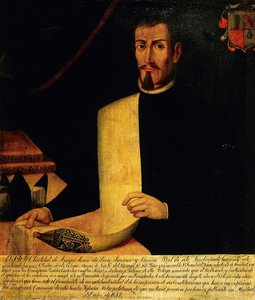
taller de los figueroa
Colombia
プロフィール概要
- Artistic Movement Or Style: Baroque Spanish
- Artists Or Movements Influenced By This Artist:
- Gregorio Vásquez de Arce y Ceballos
- Fray Gregorio Carvallo de la Parra
- Artists Who Influenced This Artist:
- Gaspar de Figueroa
- Baltasar Vargas de Figueroa
- Full Name: Taller de los Figueroa
- Nationality: Colombian
- Notable Artworks:
- La Huida a Egipto
- Ecce Homo
- Alegoría de la Inmaculada Concepción
- Martirio de Santa Bárbara
- Place Of Birth: Bogotá, Colombia

