

 プレビュー
プレビュー
 プリントを購入
 シェアする
シェアする シェアする
シェアする
 詳細を見る
詳細を見る

 ダウンロード
 似ている作品
 X線調査
X線調査 スライドショー
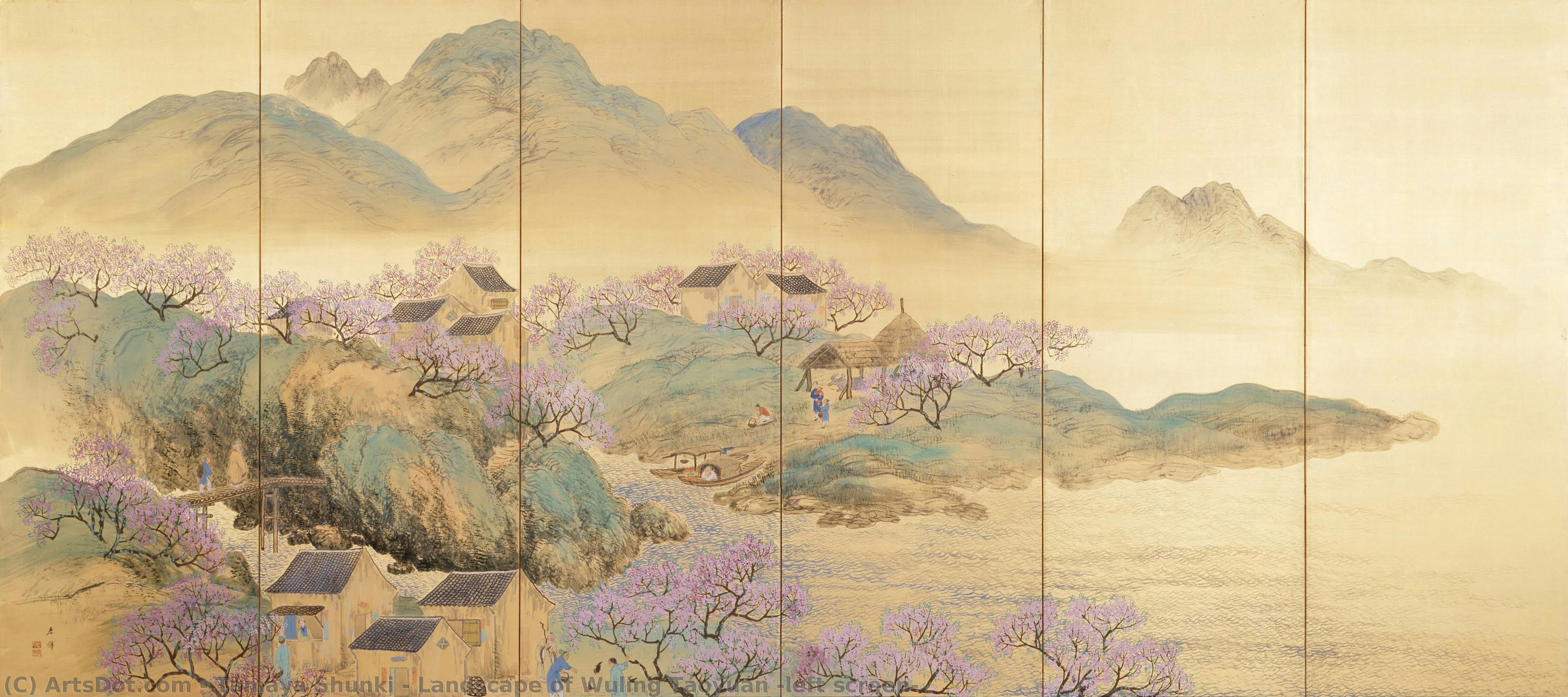
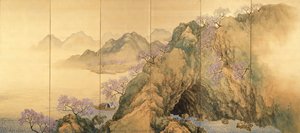
Landscape of Wulíng Táoyuán (left screen)
 1921
1921 166.0 x 370.0 cm
 詳細を見る
詳細を見る




































作品のオリジナル比率に合わせた、当店の規定サイズからお選びください。

特定のフレームやスペースに合わせて、ご希望のサイズをご入力いただけます。選択されたサイズが元の画像の比率と異なる場合、アートワークをトリミングするか、手描きで要素を追加して絵画を拡張いたします。デジタルモックアップ を制作し、制作開始前にご確認(承認)をいただきます。
画面上のプレビューは、実際のトリミングや拡張を正確に反映しているものではありません。最終的な構図は、モックアップによってのみ正確にご確認いただけます。
カスタムサイズもご利用いただけますが、元の比率を維持するためには、あらかじめ用意されたリストからサイズを選択することをお勧めいたします。
ご注文後、ArtsDot.com チームより詳細な指示をお送りするとともに、仕上がりイメージ(モックアップ)をご提供いたします。


 ガラスオプションは、110cm未満のサイズでのみご利用いただけます。

Landscape of Wulíng Táoyuán (left screen)
複製技法
複製画のサイズ
-


合計金額
$ 263
関連作品


アーティストの略歴
Tamaya Shunki: A Master of Traditional Japanese Painting
Tamaya Shunki, also known as Shunki Tamaya, was a pivotal figure in the late 19th and early 20th century Japanese art world. Born in Gifu Prefecture in 1880 and passing away in 1948, his life’s work embodies the rich traditions of Nihonga (Japanese-style painting) while simultaneously absorbing and innovating within established artistic lineages. Shunki's journey as an artist was shaped by rigorous training under esteemed masters – Kono Bairei, Nomura Bunkyo, and Mori Kansai – ultimately establishing him as a respected professor at the Kyoto School of Fine Arts, where he profoundly influenced generations of aspiring artists. His paintings are characterized by a meticulous attention to detail, a deep understanding of color theory, and a masterful command of traditional techniques, particularly those derived from the influential Kanō school.Early Influences and Artistic Training
Shunki’s artistic foundation began in Gifu, a region steeped in centuries of Japanese art history. His early exposure to the local craft traditions likely instilled within him a respect for meticulous execution and symbolic representation – qualities that would later become hallmarks of his style. Crucially, he sought formal training under three of Japan's most prominent artists of the era. Kono Bairei, a leading figure in the Kanō school, imparted a deep appreciation for classical Chinese painting techniques, including precise brushwork, layered washes, and the use of gold leaf to create luminous effects. Nomura Bunkyo further honed Shunki’s skills in landscape painting, emphasizing atmospheric perspective and capturing the subtle nuances of nature. Mori Kansai, known for his vibrant colors and dynamic compositions, encouraged Shunki to explore bolder approaches within the traditional framework. These diverse influences coalesced into a unique artistic voice that skillfully blended established conventions with personal expression.The Kanō School’s Legacy and Shunki's Style
Shunki’s work is inextricably linked to the legacy of the Kanō school, a movement dedicated to reviving and adapting classical Chinese painting techniques in Japan. The Kanō school emphasized meticulous brushwork, layered washes (sumi-e), and the extensive use of gold leaf – elements that are vividly present in Shunki's paintings. However, unlike many artists who simply replicated traditional styles, Shunki infused his work with a distinctly Japanese sensibility. He skillfully integrated motifs from Japanese folklore, landscapes, and daily life, creating images that resonated deeply with contemporary audiences. His compositions often feature delicate arrangements of flowers – particularly morning glories – rendered with exquisite detail and imbued with symbolic meaning. The use of bold outlines, vibrant colors, and the strategic application of gold leaf contribute to a visual impact that is both impressive and luxurious, mirroring the aesthetic ideals of the Kanō school while simultaneously expressing Shunki’s individual artistic vision.Notable Works and Exhibitions
Shunki's paintings have been recognized in several prominent collections, including the Seiji Togo Memorial Yasuda Kasai Museum of Art. His work has also been featured on the Nihonga art movement page, highlighting his contribution to this significant artistic tradition. Some notable examples of his oeuvre include “Morning Glories,” a stunning depiction of these iconic flowers rendered with remarkable precision and delicate color variations; "Rabbit and Roses," which masterfully blends traditional Chinese techniques – particularly in its composition and use of symbolism – with uniquely Japanese sensibilities; and “Winter Landscape,” an exemplary demonstration of Shunki’s skill in ink monochrome, showcasing his ability to evoke atmosphere and mood through subtle tonal shifts. These works demonstrate a remarkable range of technical proficiency and artistic vision.Legacy and Impact on Japanese Art
Tamaya Shunki's legacy extends far beyond the individual paintings he created. As a professor at the Kyoto School of Fine Arts, he played a crucial role in shaping the artistic styles of countless students, ensuring the continuation of traditional Japanese painting techniques for future generations. His dedication to preserving and innovating within the established framework solidified his position as a leading figure in the Nihonga movement. Shunki’s influence can be seen not only in his own work but also in the art of his pupils, who carried forward his artistic principles and contributed to the ongoing evolution of Japanese painting. He remains an important artist whose dedication to traditional techniques and innovative spirit continues to inspire artists today.
tamaya shunki
1880 - 1948 , Japan
基本情報
- Artistic Movement Or Style: Traditional Japanese style
- Artists Or Movements Influenced By This Artist: ['Kanō school style']
- Artists Who Influenced This Artist:
- Kono Bairei
- Nomura Bunkyo
- Mori Kansai
- Date Of Birth: 1880
- Date Of Death: 1948
- Full Name: Tamaya Shunki
- Nationality: Japanese
- Notable Artworks:
- Morning glories
- Rabbit and roses
- Winter landscape
- Place Of Birth: Gifu, Japan

