

 プレビュー
プレビュー
 シェアする
シェアする シェアする
シェアする
 詳細を見る
詳細を見る

 ダウンロード
 似ている作品
 X線調査
X線調査 スライドショー
 Stats
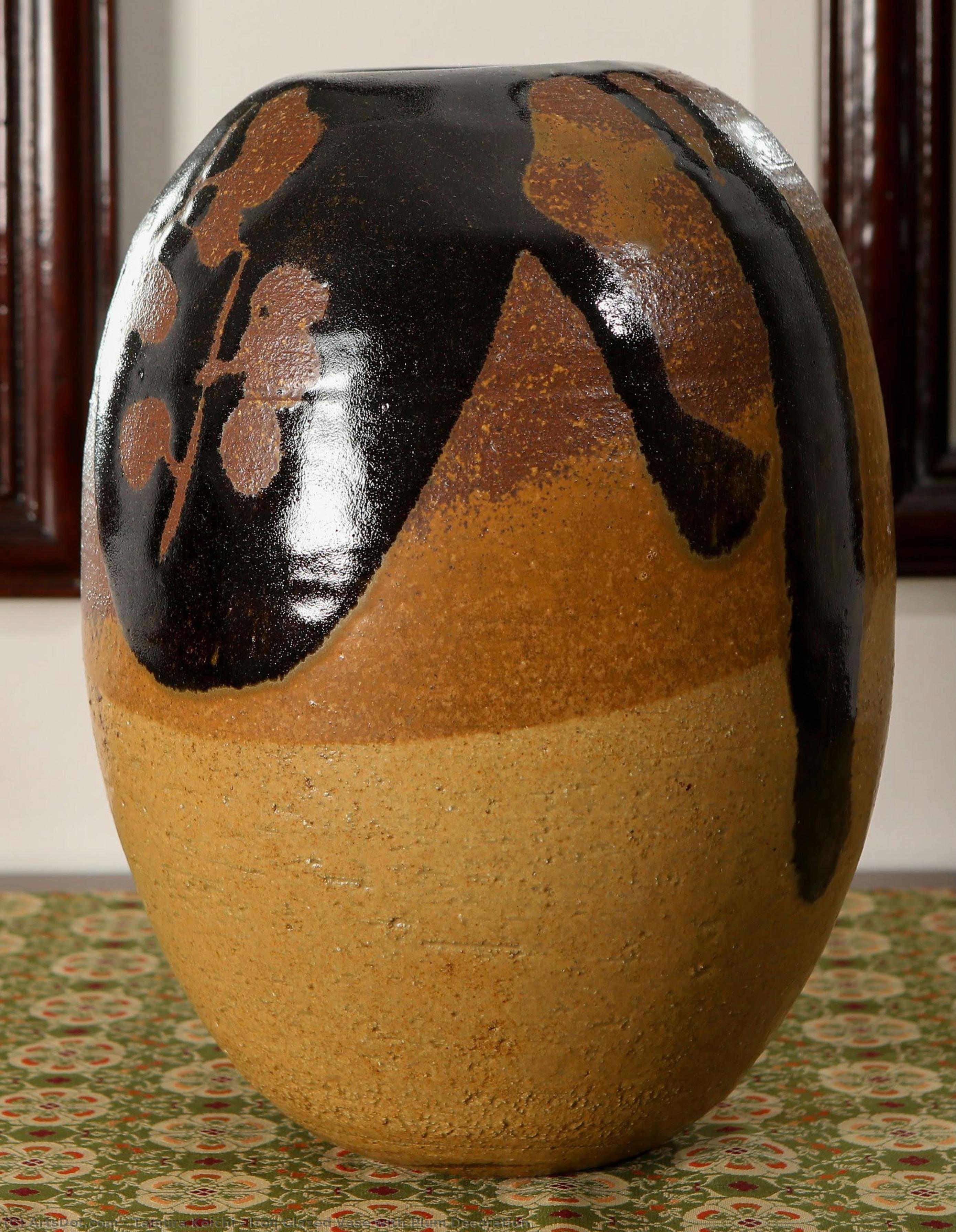
StatsIron Glazed Vase with Plum Decoration
 30.0 x 20.0 cm
 詳細を見る
詳細を見る
手描き油彩複製画
当社のアーティストが、お客様のご希望のサイズと額縁に合わせて、キャンバスに手描きで制作する油彩画です。 ( Switch to Print Switch to Digital Image)




































作品のオリジナル比率に合わせた、当店の規定サイズからお選びください。

特定のフレームやスペースに合わせて、ご希望のサイズをご入力いただけます。選択されたサイズが元の画像の比率と異なる場合、アートワークをトリミングするか、手描きで要素を追加して絵画を拡張いたします。デジタルモックアップ を制作し、制作開始前にご確認(承認)をいただきます。
画面上のプレビューは、実際のトリミングや拡張を正確に反映しているものではありません。最終的な構図は、モックアップによってのみ正確にご確認いただけます。
カスタムサイズもご利用いただけますが、元の比率を維持するためには、あらかじめ用意されたリストからサイズを選択することをお勧めいたします。
ご注文後、ArtsDot.com チームより詳細な指示をお送りするとともに、仕上がりイメージ(モックアップ)をご提供いたします。


 ガラスオプションは、110cm未満のサイズでのみご利用いただけます。

Iron Glazed Vase with Plum Decoration
複製技法
複製画のサイズ
-


合計金額
$ 263
関連作品










アーティストの略歴
A Life Etched in Clay: The Ceramic Poetry of Tamura Kōichi
Tamura Kōichi, born in 1918 in the quiet town of Sano, Japan, was more than a ceramic artist; he was a poet who translated emotion and observation into the enduring language of clay. His journey began not with formal artistic training but within the practical world of his family’s business crafting ceremonial decorations. This early exposure instilled in him a deep respect for craftsmanship and an understanding of form that would later blossom into a unique ceramic voice. Even as a child, Tamura displayed a remarkable talent for drawing, a skill he honed further during his studies at the Art Academy in Tokyo beginning in 1941, specializing in ceramic design. However, the path to becoming one of Japan’s most revered potters was not immediate or straightforward. The intervening years saw him teaching drawing in Osaka and working on agricultural lands, experiences that grounded him in the rhythms of nature – a theme that would become central to his artistic expression.From Industrial Design to Mingei Mastery
The pivotal moment in Tamura’s development arrived with his apprenticeship under Tomimoto Kenkichi in Kyoto from 1946. This mentorship proved transformative, shifting his focus from industrial design towards the principles of *Mingei* – the Japanese folk art movement celebrating handmade objects and the beauty of everyday utility. Tomimoto instilled a reverence for natural materials, subtle imperfections, and the inherent qualities of clay itself. Returning to Sano in 1948, Tamura established a porcelain kiln for a factory before ultimately forging his own path with the opening of his independent workshop in 1949. This marked the true beginning of his artistic exploration, where he began to synthesize his diverse experiences into a distinctive style characterized by masterful wheel-throwing and an innovative approach to glazing. He wasn’t simply creating vessels; he was building worlds within porcelain, capturing fleeting moments of beauty with remarkable precision.The Art of Iron: A Signature Style
Tamura Kōichi's artistic signature lies in his exceptional use of iron glazes – specifically *tetsu-e*, or iron decoration. While others explored iron as a coloring agent, Tamura harnessed its expressive potential for drawing directly onto the clay surface. His technique involved meticulously brushing iron pigments to create impressionistic landscapes, delicate plum blossoms, and evocative grasses that seemed to dance across the porcelain forms. This wasn’t merely decorative; it was an act of intimate connection with the material, a dialogue between artist, clay, and fire. The resulting works possess a remarkable depth and subtlety, their surfaces alive with variations in tone and texture. His plum designs, in particular, became iconic, embodying both the fragility and resilience of nature.Recognition and Legacy: A Living National Treasure
Tamura’s dedication to his craft did not go unnoticed. He held teaching positions at the Ceramic Institute in Mashiko from 1950 and later as a professor at the Art Academy in Tokyo, nurturing generations of ceramic artists. His influence extended beyond the classroom as he became chairman of the ‘Contemporary Japanese Crafts Association’ in 1968, advocating for the preservation and promotion of traditional techniques. The culmination of his life's work arrived in 1986 with his designation as a “Living National Treasure” – an honor bestowed upon artists who have reached the pinnacle of their craft and embody the spirit of Japanese artistic heritage. Though he passed away in Sano in 1987, Tamura Kōichi’s legacy continues to inspire. His works are celebrated for their technical brilliance, poetic sensibility, and profound connection to the natural world, standing as enduring testaments to the power of clay transformed by a master's hand.The Enduring Influence
- Mingei Philosophy: Tamura’s embrace of *Mingei* principles – valuing handmade objects, simplicity, and functionality – profoundly shaped his aesthetic.
- Tomimoto Kenkichi's Mentorship: His apprenticeship with Tomimoto was crucial in developing his understanding of natural materials and the beauty of imperfection.
- Iron Glaze Innovation: Tamura’s unique approach to *tetsu-e* – using iron not just for color but for expressive drawing – set him apart from contemporaries.
- Plum Blossom Motif: The iconic plum designs became synonymous with his style, representing both fragility and resilience.
tamura kōichi
1918 - 1987 , Japan
基本情報
- Artistic Movement Or Style: Mingei pottery
- Artists Who Influenced This Artist: ['Tomimoto Kenkichi']
- Date Of Birth: 1918
- Date Of Death: 1987
- Full Name: Tamura Koichi
- Nationality: Japanese
- Place Of Birth: Sano, Japan