

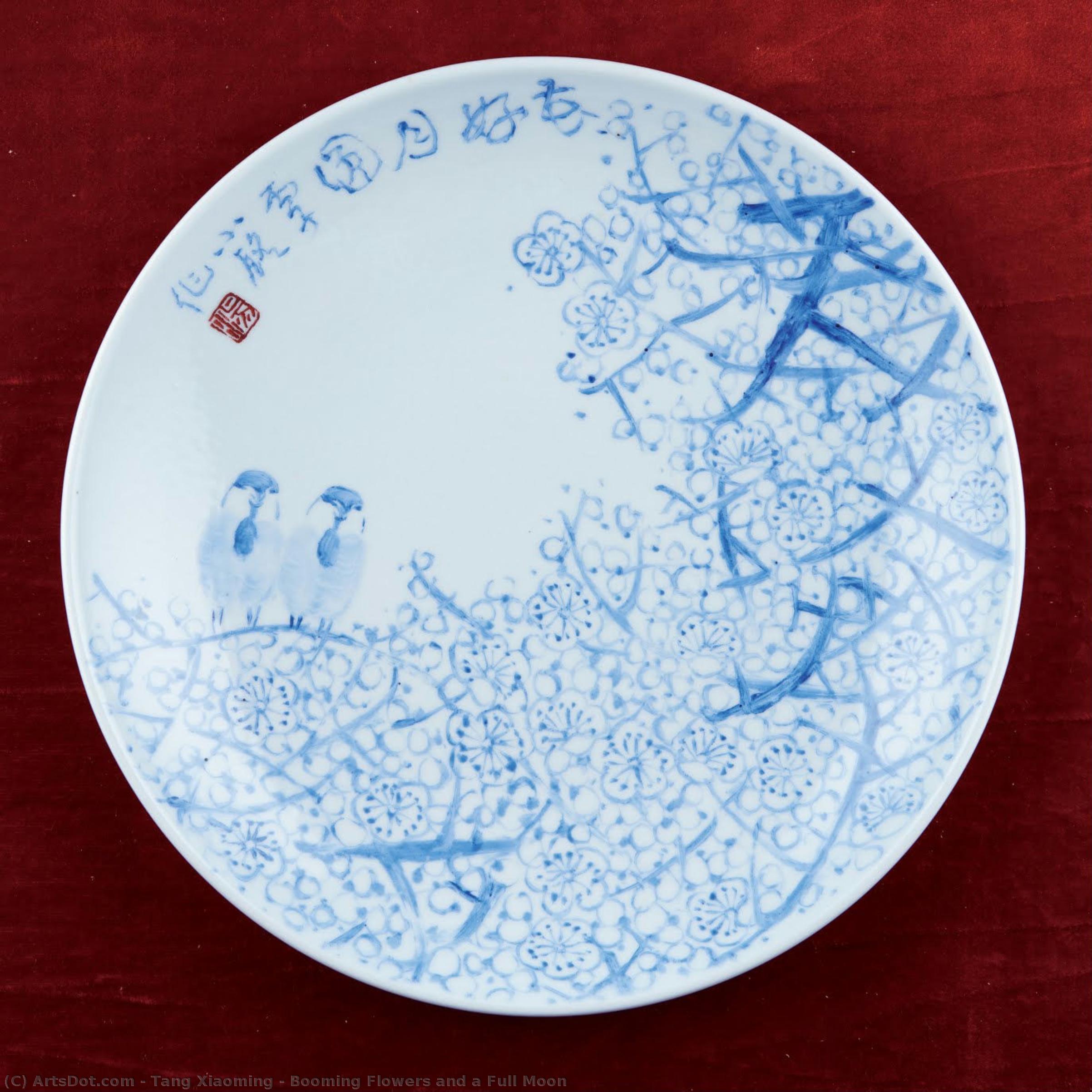
 プレビュー
プレビュー
 シェアする
シェアする シェアする
シェアする
 詳細を見る
詳細を見る

 ダウンロード
 似ている作品
 X線調査
X線調査 スライドショー
 統計情報
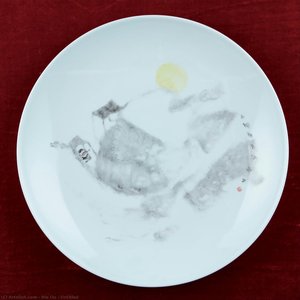
統計情報Booming Flowers and a Full Moon


 詳細を見る
詳細を見る
ジークレー/アートプリント
迅速な制作と多彩な仕上げオプションを備えた、ミュージアムクオリティのジークレーまたはキャンバスプリント。 ( 手描きの絵画を購入 デジタル画像販売へ切り替え)




































作品のオリジナル比率に合わせた、当店の規定サイズからお選びください。

特定のフレームやスペースに合わせて、ご自身でサイズを指定することも可能です。選択されたサイズが元の画像の比率と一致しない場合、作品をトリミングするか、鏡面反射または単色での塗りつぶしによって画像を拡張いたします。制作を開始する前に、ご確認用のデジタルモックアップをお送りいたします。
画面上のプレビューには、実際のトリミングや拡張は反映されませんのでご注意ください。最終的な構図を正確に確認できるのは、モックアップのみとなります。
カスタムサイズも承っておりますが、元の比率を維持するためには、あらかじめ用意されたリストからサイズを選択することをお勧めいたします。


 ガラスオプションは、110cm未満のサイズでのみご利用いただけます。

Booming Flowers and a Full Moon
ジークレー/アートプリント
複製画のサイズ
-


合計金額
$ 62
アーティストの略歴
Tang Xiaoming: A Legacy of Harmony and Observation
Born in Lingchuan, Guangxi Province, China, in 1939, Tang Xiaoming’s artistic journey spanned over six decades, culminating in his peaceful passing in 2022. His life was a fascinating blend of academic pursuits – earning a B.S. degree from Beijing University in 1982 and a Ph.D. from MIT in 1990 – with a deep commitment to the practice of painting. This unique combination of intellectual rigor and artistic dedication profoundly shaped his approach, resulting in works characterized by a remarkable balance between meticulous technique and profound emotional resonance.
Initially trained at the Guangzhou Academy of Fine Arts’ Oil Painting Department in 1964, Tang Xiaoming quickly established himself as a professional painter within the Guangdong Painting Academy. His early career focused on traditional Chinese painting styles, absorbing influences from masters while developing his own distinctive voice. However, it was his relocation to Houston, Texas, in 1994 and subsequent work with Baker Atlas that marked a significant shift. This period exposed him to Western artistic methodologies and broadened his perspective, leading to an evolution of his style – one that retained the core values of Chinese art while incorporating elements of realism and atmospheric depth.
The Art of Observation: Landscapes and Portraits
Tang Xiaoming’s oeuvre is primarily defined by two distinct yet interconnected genres: landscapes and portraits. He possessed a keen eye for detail, meticulously capturing the nuances of light, texture, and color in both natural settings and human subjects. His landscapes are not merely depictions of scenery; they are imbued with a sense of tranquility and harmony, often evoking feelings of nostalgia and contemplation. He frequently depicted scenes from rural China, showcasing the beauty of everyday life and the connection between humanity and nature – a theme deeply rooted in Chinese artistic tradition.
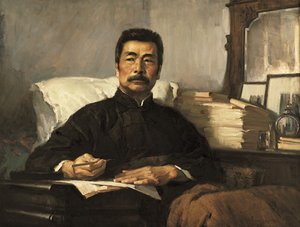
His portraits, equally compelling, demonstrate an extraordinary ability to convey personality and emotion through subtle gestures and expressions. Tang Xiaoming’s subjects—ranging from luminaries like Lu Xun to contemporary figures—are rendered with remarkable sensitivity, capturing not just their physical likeness but also the essence of their character. He skillfully employed a muted color palette and soft brushwork to create an atmosphere of intimacy and reflection, inviting viewers to connect with the individuals he portrays.
Technique and Influences
Tang Xiaoming’s technical mastery is evident in his precise rendering of form and his masterful control of color. He employed a layered approach to painting, building up tones gradually to achieve depth and luminosity. His use of oil paints allowed him to create rich textures and subtle gradations of value, contributing significantly to the atmospheric quality of his works. While influenced by traditional Chinese landscape painting techniques – particularly in his early career – he also embraced elements of Western realism, incorporating principles of perspective and composition.
Beyond technical skill, Tang Xiaoming’s work is deeply informed by Chinese philosophy and aesthetics. The concept of ‘harmony,’ central to Confucianism and Taoism, permeates his art, reflecting a desire to achieve balance between opposing forces – light and shadow, stillness and movement, the individual and the collective. Furthermore, his artistic journey was shaped by the legacy of Lu Xun, a prominent figure in modern Chinese literature, whose influence can be seen in Tang Xiaoming’s exploration of human experience and social commentary.
Recognition and Legacy
Tang Xiaoming's dedication to his craft has been widely recognized throughout his career. He holds honorary chairmanship of the Guangdong Artists Association, a testament to his significant contributions to the Chinese art community. His paintings have been permanently collected by prestigious institutions including the Museum of the Communist Party of China, The Memorial Hall of the War to Resist U.S. Aggression and Aid Korea, Liaoning Provincial Museum, and several other notable museums across China. His work has also garnered international acclaim, with pieces featured in exhibitions and collections worldwide.
Tang Xiaoming’s legacy extends beyond his individual artworks; he represents a bridge between traditional Chinese art and contemporary aesthetics. His ability to seamlessly blend technical skill, philosophical depth, and emotional resonance ensures that his paintings will continue to captivate and inspire viewers for generations to come. His commitment to capturing the beauty of everyday life and the essence of human experience solidifies his place as one of China’s most respected and enduring artists.
Tang Xiaoming
1939 - 2022 , China
基本情報
- Artistic Movement Or Style: Portraiture, Landscapes
- Date Of Birth: 1939
- Date Of Death: 2022
- Full Name: Tang Xiaoming
- Nationality: Chinese
- Notable Artworks:
- Lu Xun Portrait
- Grand Army Enters Pass
- Place Of Birth: Lingchuan, China
関連記事
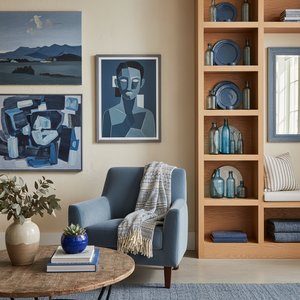
Slate Blue Masterpieces: 10 Iconic Paintings & Timeless Home Decor Ideas
Immerse yourself in the captivating world of slate blue! Explore 10 iconic paintings by Monet, Van Gogh & Renoir. Discover their stories, techniques & find museum-quality art reproductions for your home at .
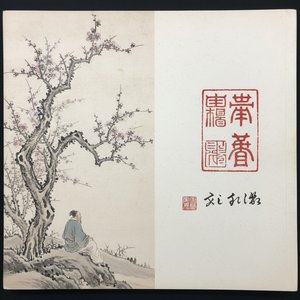
Xie Zhiliu: A Legacy of Ink Wash Painting & Modern Chinese Literati Tradition
Explore the legacy of Xie Zhiliu, a master of Chinese ink wash painting & prominent figure in modern art. Discover his techniques, influences, and contributions to literati tradition. A guide for discerning collectors.
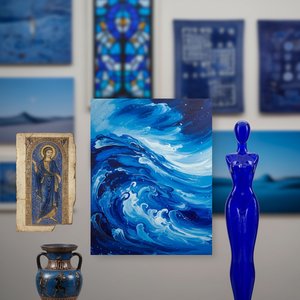
The Allure of Azure: Exploring the Symbolic & Aesthetic Depths of Blue in Art History
Explore the rich history of blue in art! Discover its symbolism, from ancient pigments to modern masterpieces by Kandinsky & Seurat. Uncover the psychological impact and cultural meanings behind this captivating hue.
Serene Blue Backgrounds: Discover Soulful Art to Transform Your Space with Timeless Elegance
Transform your home with soulful blue art. From serene Monet impressions to modern textured sculptures, discover curated masterpieces designed to inspire calm. Explore expert art consultations and bespoke hand-painted reproductions to create your personal sanctuary.
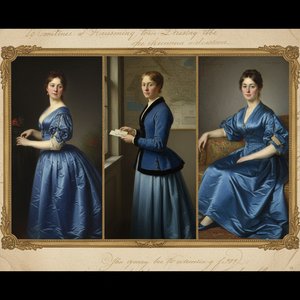
Azure Visions: Exploring Representations of the Blue Dress in Western Art History
Explore the rich history of the blue dress in Western art! Discover its symbolism, from Renaissance masterpieces to modern interpretations by artists like Martin & Schiele. Uncover cultural meanings and artistic techniques.