

 プレビュー
プレビュー
 プリントを購入
 シェアする
シェアする シェアする
シェアする
 詳細を見る
詳細を見る

 ダウンロード
 似ている作品
 X線調査
X線調査 スライドショー
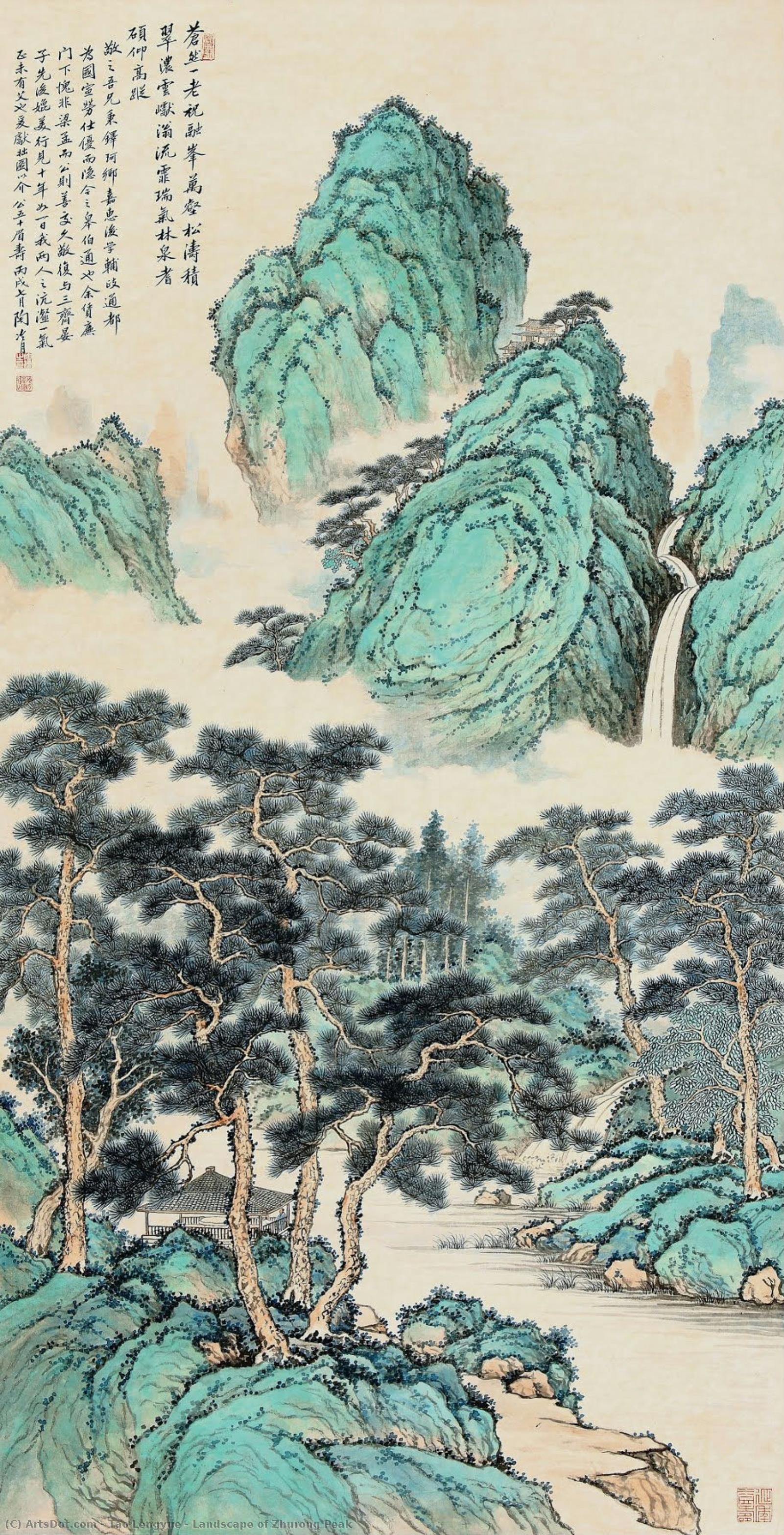
Landscape of Zhurong Peak

 詳細を見る
詳細を見る




































作品のオリジナル比率に合わせた、当店の規定サイズからお選びください。

特定のフレームやスペースに合わせて、ご希望のサイズをご入力いただけます。選択されたサイズが元の画像の比率と異なる場合、アートワークをトリミングするか、手描きで要素を追加して絵画を拡張いたします。デジタルモックアップ を制作し、制作開始前にご確認(承認)をいただきます。
画面上のプレビューは、実際のトリミングや拡張を正確に反映しているものではありません。最終的な構図は、モックアップによってのみ正確にご確認いただけます。
カスタムサイズもご利用いただけますが、元の比率を維持するためには、あらかじめ用意されたリストからサイズを選択することをお勧めいたします。
ご注文後、ArtsDot.com チームより詳細な指示をお送りするとともに、仕上がりイメージ(モックアップ)をご提供いたします。


 ガラスオプションは、110cm未満のサイズでのみご利用いただけます。

Landscape of Zhurong Peak
複製技法
複製画のサイズ
-


合計金額
$ 263
関連作品








アーティストの略歴
Tao Lengyue: Weaver of Moonlight and Myth
Born in Suzhou, Jiangsu province, in 1895, Tao Lengyue (also known by his courtesy name Yongshao and literary names Hongzhai, Wuliuhouren, and Kemengdaoren) emerged as a significant figure within the landscape of late 19th and early 20th-century Chinese painting. His artistic journey was deeply intertwined with the traditions of Shanshui painting – a style emphasizing naturalism and atmospheric perspective – while simultaneously incorporating elements of Western techniques and influences, reflecting the dynamic cultural shifts occurring in China during this period. His life spanned nearly a century, witnessing profound transformations within his homeland and leaving behind a legacy of evocative landscapes imbued with both serene beauty and subtle symbolism.
Tao’s early artistic development was profoundly shaped by his lineage. He descended from Wu Liu (1823-1895), a renowned Shanshui master known for his atmospheric depictions of mountains and rivers. This familial connection instilled in Tao a deep respect for the principles of traditional Chinese landscape painting, including meticulous brushwork, careful observation of nature, and an understanding of *qi* – the vital energy believed to permeate all things. However, unlike many artists who remained strictly within established conventions, Tao demonstrated a willingness to experiment with new approaches, particularly during his time in Shanghai, where he encountered Western art movements and techniques.
A Life Bridging Tradition and Modernity
Tao’s life was marked by both artistic pursuits and administrative roles. He served as a librarian at the Shanghai Museum, an experience that undoubtedly enriched his understanding of Chinese art history and cultural heritage. He also held positions as a professor and dean at various universities, including National Jinan University and Henan University, where he imparted his knowledge and fostered the development of young artists. This dual existence – artist and educator – provided him with valuable insights into the broader context of artistic creation and its role within society.
During the 1930s, Tao’s artistic focus shifted to Shanghai, a vibrant hub of cultural exchange. This period witnessed a significant expansion of his stylistic range. He became particularly celebrated for his depictions of moonlight scenes – a recurring motif in his work that resonated with Daoist and Buddhist philosophies emphasizing tranquility, introspection, and the connection between humanity and the cosmos. These paintings often featured solitary pine trees silhouetted against a luminous moon, evoking feelings of solitude, contemplation, and spiritual awakening. He also explored themes of mythology and folklore, drawing inspiration from Chinese legends and stories.
Technique and Style: A Synthesis of Influences
Tao Lengyue’s artistic style is characterized by a remarkable synthesis of traditional Shanshui techniques and Western influences. He masterfully employed *gongbi* brushwork – a meticulous, controlled style associated with court painting – to render intricate details in his landscapes, while simultaneously utilizing looser, more expressive strokes reminiscent of Impressionism. His use of ink washes created subtle gradations of tone and texture, capturing the atmospheric effects of light and shadow with remarkable sensitivity. He was particularly adept at conveying the ethereal quality of moonlight, employing delicate layers of white ink to create a luminous glow.
His works often incorporate symbolic elements drawn from Taoist and Buddhist beliefs. Pine trees, for example, are frequently depicted as symbols of longevity and resilience, while plum blossoms represent purity and perseverance in the face of adversity. The moon itself embodies enlightenment and spiritual awakening. These symbolic layers add depth and meaning to his paintings, inviting viewers to contemplate their own relationship with nature and the universe.
Legacy and Recognition
Tao Lengyue’s artistic contributions have been increasingly recognized in recent years. His works are held in prominent collections, including those of the Shanghai Museum and other major institutions. His paintings exemplify a pivotal moment in Chinese art history – a time when traditional techniques were being reinterpreted through a modern lens, resulting in a uniquely expressive and evocative style. He remains an important figure for understanding the evolution of landscape painting in China during the 20th century, bridging the gap between tradition and innovation with grace and artistry.
His paintings continue to resonate with viewers today, offering a glimpse into a world where nature, mythology, and spirituality converge in a harmonious and profoundly moving visual experience.
tao lengyue
1895 - 1985
基本情報
- Artistic Movement Or Style: Chinese Landscape Painting
- Artists Or Movements Influenced By This Artist: ['Shanshui School']
- Artists Who Influenced This Artist: ['Wu Liu']
- Date Of Birth: 1895
- Date Of Death: 1985
- Full Name: Tao Lengyue
- Nationality: Chinese
- Notable Artworks:
- Cherries & Green Plums
- Landscape of Zhurong Peak
- Full Moon
- Place Of Birth: Suzhou, Jiangsu, China